
Lincoln’s Inn Hall and Chapel — History & Facts
This notion lingers as we gaze upon the intricate façade of a historic structure, where decay and elegance intertwine, whispering the stories of time. Look to the left at the towering columns that seem to reach for a sky heavy with clouds, their stone textures revealing cracks that speak of history and erosion. Notice how the muted palette of browns and grays contrasts with the golden light that spills onto the chapel's entrance, casting a warm glow that softens the ravages of time. The composition invites the eye to travel upward, from the architectural details framing the arches to the delicate ornamentation that clings to the edges, each element a reminder of past grandeur now fading. Hidden within the artwork lies a poignant tension between permanence and impermanence.
The chapel stands as a monument to human ambition, yet the signs of decay evoke an unsettling awareness of mortality. Each chipped stone tells a story of resilience and fragility, suggesting that true beauty often emerges from the remnants of what once was. The interplay of light further enhances this duality, serving as a metaphor for the fleeting nature of existence itself. Samuel Ireland painted this work in 1800, capturing a moment in the evolving narrative of English architecture.
At that time, he was deeply engaged in a burgeoning art scene that celebrated the neoclassical style while grappling with the romantic notions of ruin and decay. As society began to reflect on its past, Ireland’s portrayal of Lincoln’s Inn Hall and Chapel resonated with a collective longing for the splendors of yesteryear, all the while acknowledging the inevitable passage of time.
More Artworks by Samuel Ireland
Browse all →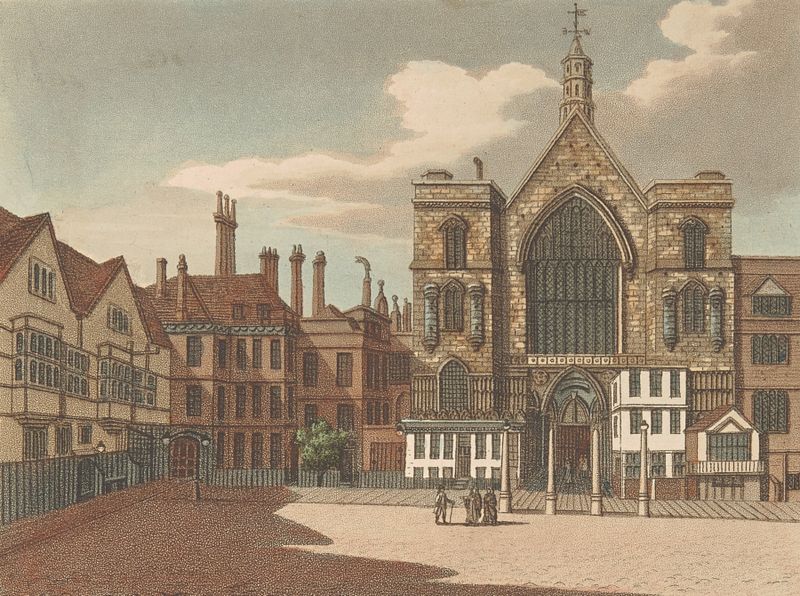
Westminster Hall
Samuel Ireland

Southwest View of Middle Temple
Samuel Ireland
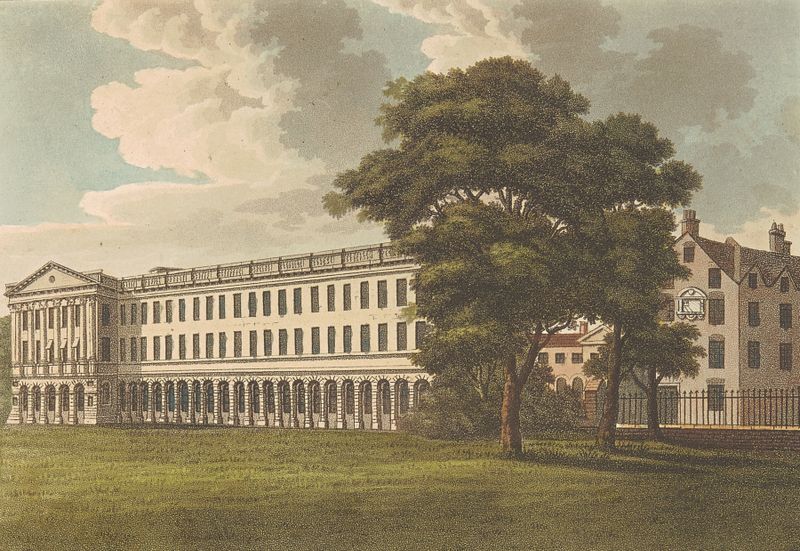
Stone Buildings, Lincoln’s Inn
Samuel Ireland
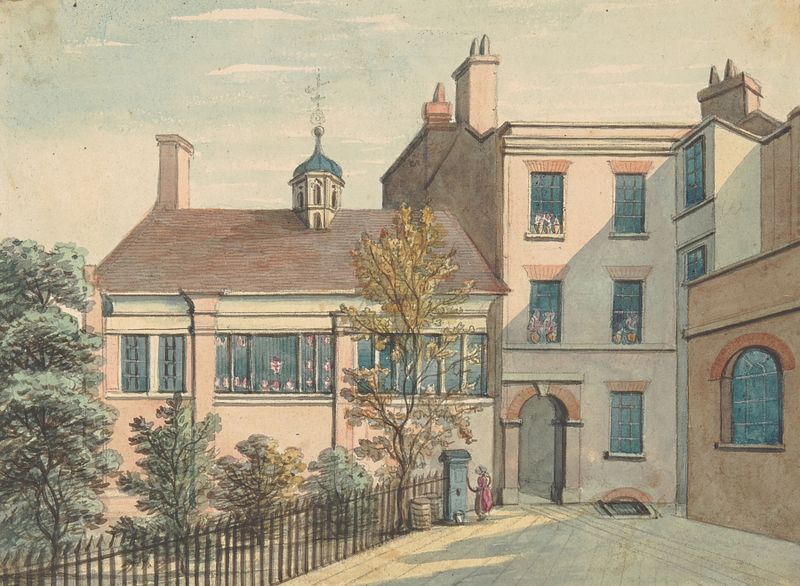
Barnard’s Inn
Samuel Ireland

Lion’s Inn
Samuel Ireland
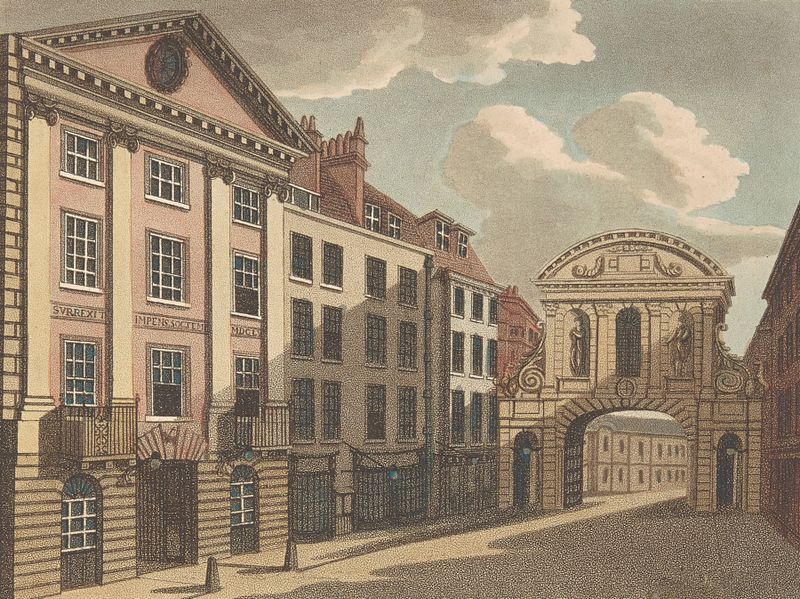
Middle Temple Gate
Samuel Ireland
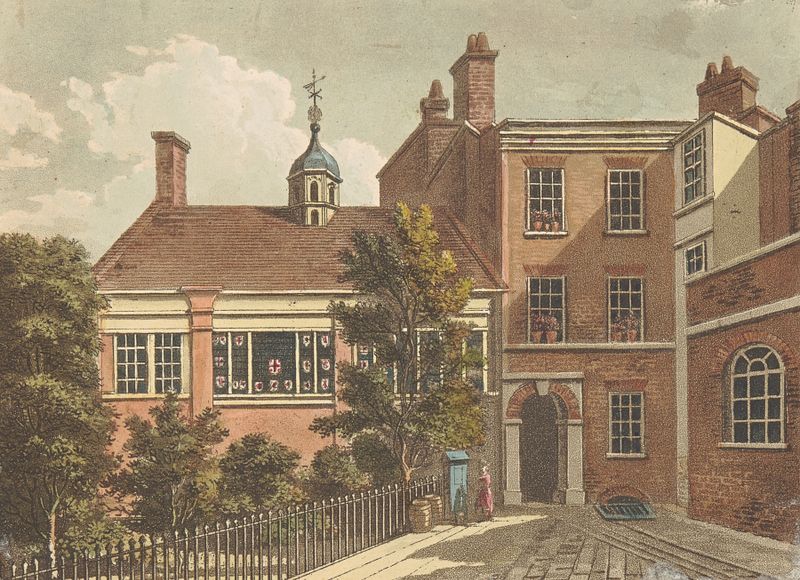
Barnard’s Inn
Samuel Ireland

Westminster Hall
Samuel Ireland
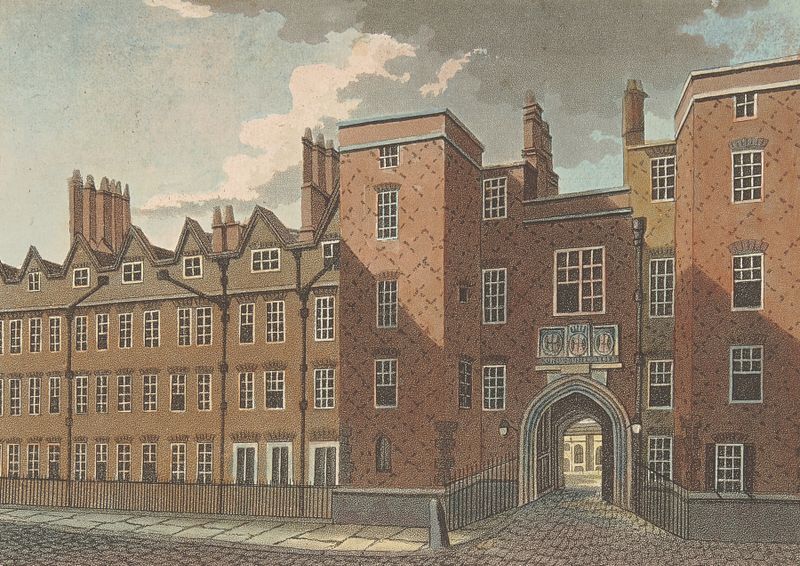
Lincoln’s Inn Gate
Samuel Ireland
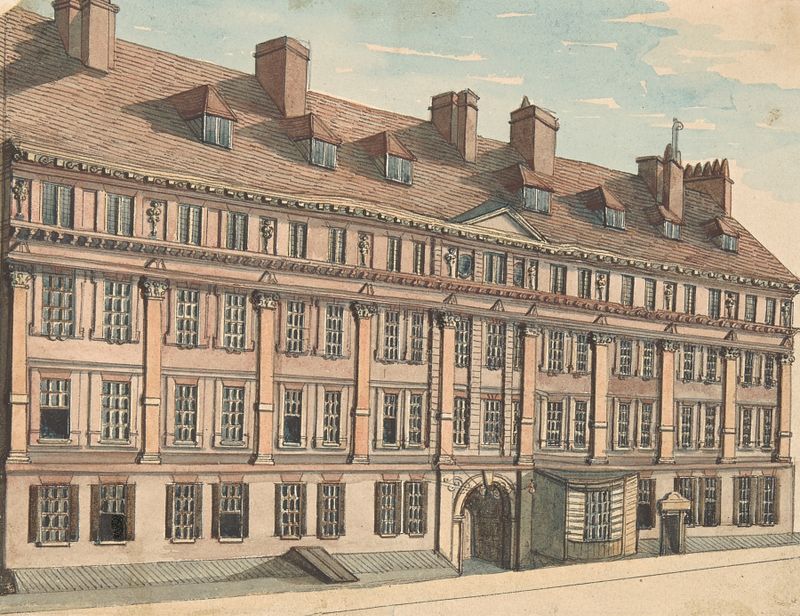
Furnival’s Inn
Samuel Ireland
More Architecture Art
Browse all →
The statue of Liberty
Frédéric Auguste Bartholdi

View of Houses in Delft, Known as ‘The Little Street’
Johannes Vermeer

View of Houses in Delft, Known as ‘The Little Street’
Johannes Vermeer

The Cathedral in Rouen. The portal, Grey Weather
Claude Monet

The yellow house
Vincent van Gogh

The Church in Auvers-sur-Oise, View from the Chevet
Vincent van Gogh