
Barnard’s Inn — History & Facts
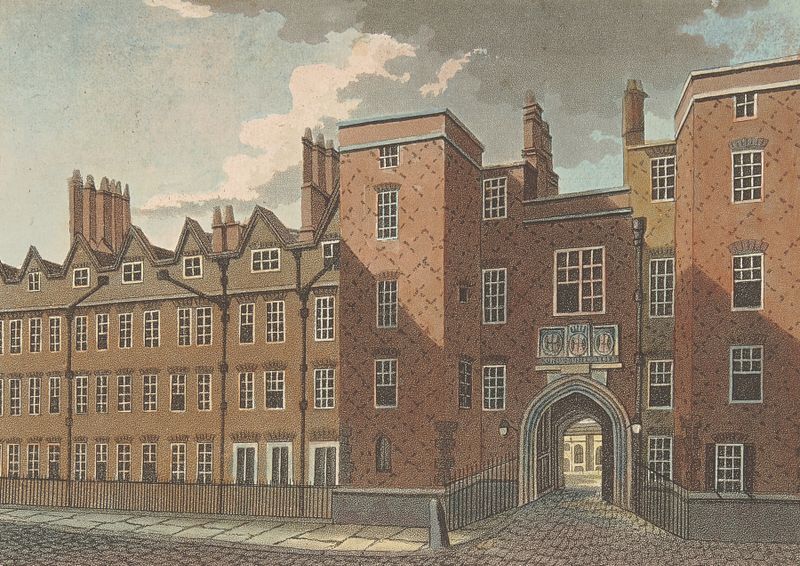
In the depths of a quiet corner, illusion intertwines with reality, and the shadows of the past whisper secrets through the corridors of time. Look to the left at the crumbling bricks, where the textured surface breaks the light into muted tones, evoking both decay and grandeur. Notice how the delicate interplay of light and shadow accentuates the archways, guiding your gaze towards the inviting doorway framed in soft gold. The palette, dominated by earthy hues of brown and green, evokes a sense of nostalgia, while the gentle blending of colors creates an almost dreamlike quality, compelling viewers to step into this historical narrative. Hidden within this serene façade are contrasts that speak to broader themes—timelessness versus transience, and memory versus erasure.
The juxtaposition of sturdy stone against the ephemeral light hints at the fragility of human existence and the remnants of lives once lived in this space. The absence of figures leaves an emotional void, inviting contemplation on who might have walked these paths and what stories remain untold—a haunting reminder of those silences that echo through the ages. Samuel Ireland painted this piece between 1794 and 1800, during a period when he was deeply engaged in exploring the themes of architecture and nature. Living in England, Ireland was influenced by the Romantic movement that celebrated history, emotion, and the beauty of decay.
His work reflects the artistic shift of the time, capturing both the physicality of structures and the intangible essence of memory, encapsulating a moment that resonates with the passage of time.
More Artworks by Samuel Ireland
Browse all →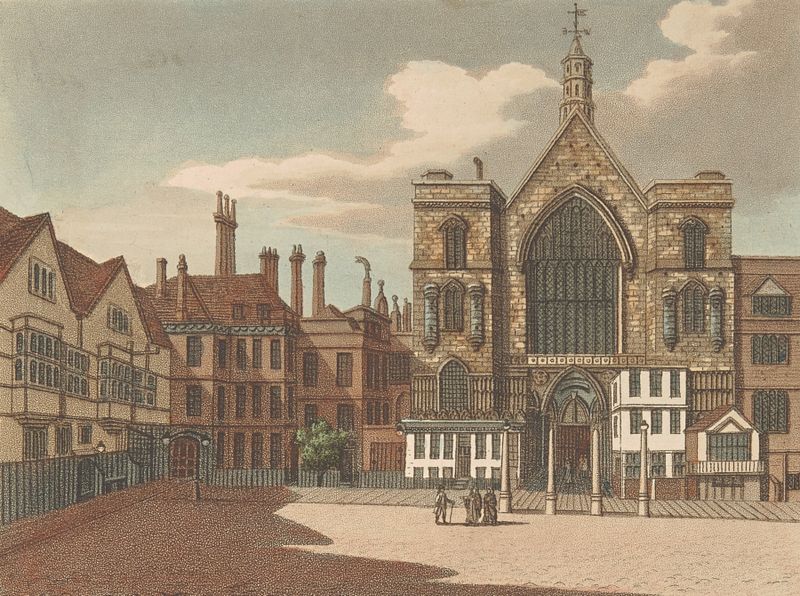
Westminster Hall
Samuel Ireland

Southwest View of Middle Temple
Samuel Ireland
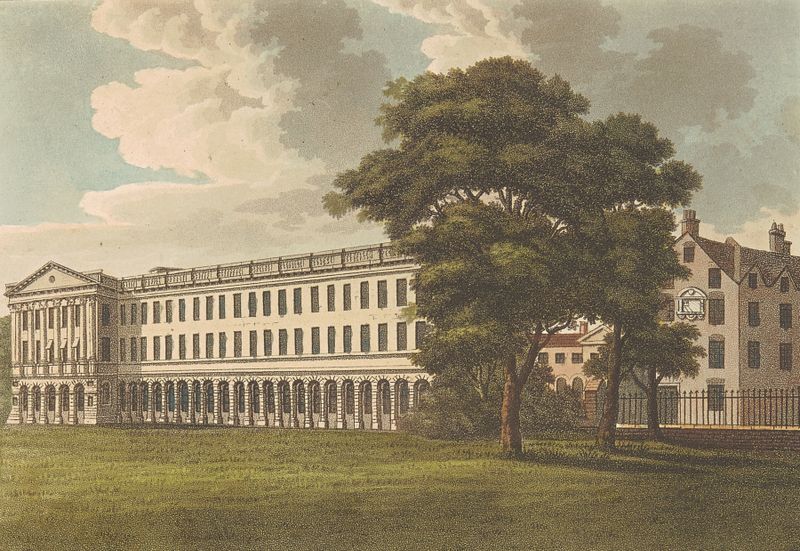
Stone Buildings, Lincoln’s Inn
Samuel Ireland

Lincoln’s Inn Hall and Chapel
Samuel Ireland

Lion’s Inn
Samuel Ireland
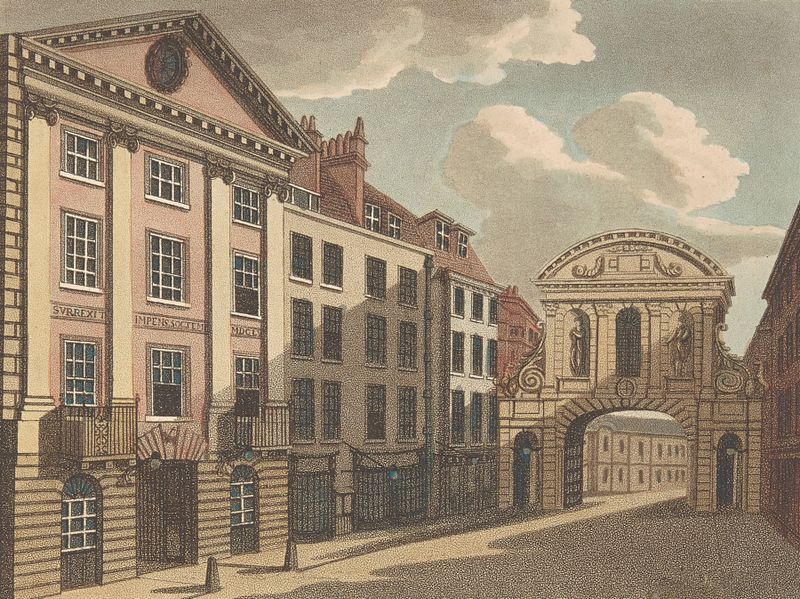
Middle Temple Gate
Samuel Ireland
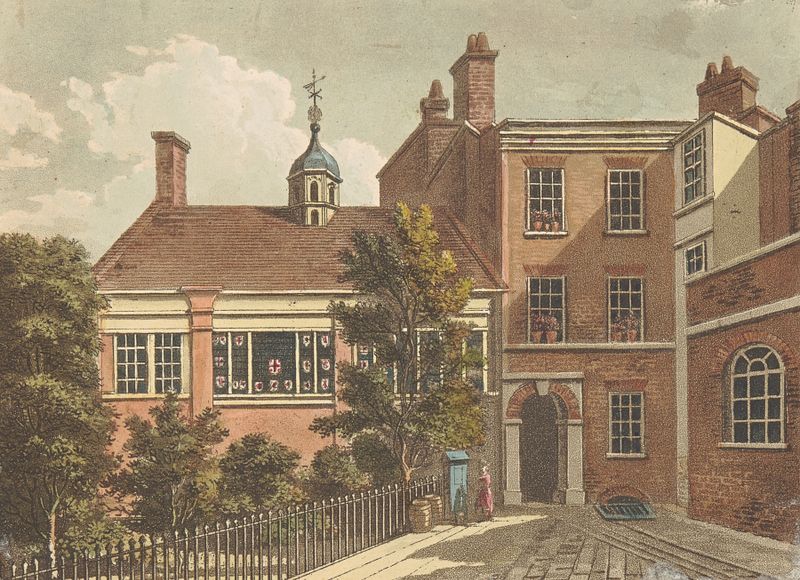
Barnard’s Inn
Samuel Ireland

Westminster Hall
Samuel Ireland
Lincoln’s Inn Gate
Samuel Ireland
Furnival’s Inn
Samuel Ireland
More Architecture Art
Browse all →
The statue of Liberty
Frédéric Auguste Bartholdi

View of Houses in Delft, Known as ‘The Little Street’
Johannes Vermeer

View of Houses in Delft, Known as ‘The Little Street’
Johannes Vermeer

The Cathedral in Rouen. The portal, Grey Weather
Claude Monet

The yellow house
Vincent van Gogh

The Church in Auvers-sur-Oise, View from the Chevet
Vincent van Gogh