
Lion’s Inn — History & Facts
Is this a mirror — or a memory? The reflection of a warm, inviting inn dances with the flickering light of hope, beckoning weary travelers to pause and find solace. Look to the left where two figures engage in animated conversation, their gestures suggesting laughter and camaraderie. Notice how the light spills through the inn's leaded windows, illuminating the wooden beams and rich textures of the scene. The warm palette of ochres and deep reds envelops the viewer in a sense of nostalgia, emphasizing the inn not just as a location, but as a sanctuary for the spirit. Amidst the lively exchanges, subtle contrasts emerge between the lively human interactions and the stillness of the room's corners, where shadows linger.
The flicker of candles casts both illumination and darkness, embodying the duality of hope and uncertainty. The presence of a lion’s head, intricately carved above the fireplace, invites contemplation on strength and protection, suggesting that this inn is not merely a place of respite but a guardian of stories and memories long past. Around 1800, Samuel Ireland painted this scene during a time when the Romantic movement began to flourish, celebrating emotion and the beauty of the natural world. Living in England, Ireland was influenced by his contemporaries, who sought to depict the intimacy of everyday life.
The era's shifting social dynamics and rising appreciation for landscapes and cozy interiors shaped his artistic vision, leading him to create works that invite viewers into the warmth of shared experiences.
More Artworks by Samuel Ireland
Browse all →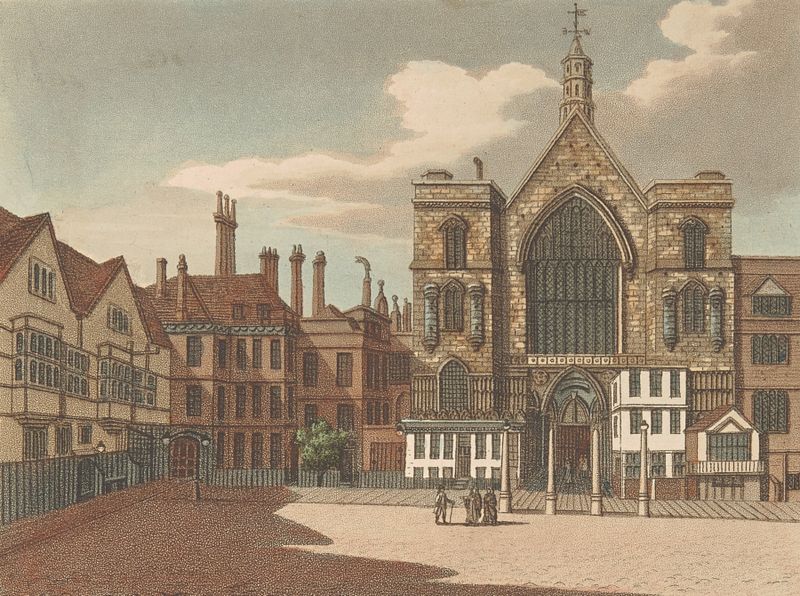
Westminster Hall
Samuel Ireland

Southwest View of Middle Temple
Samuel Ireland
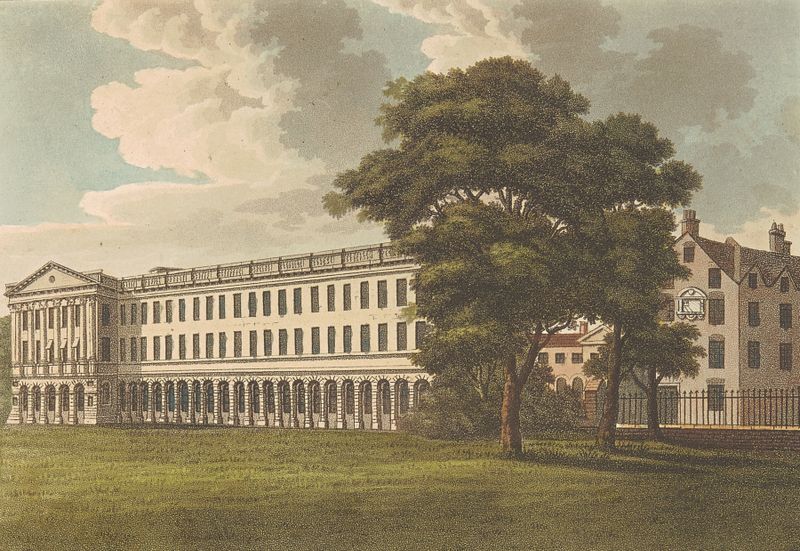
Stone Buildings, Lincoln’s Inn
Samuel Ireland
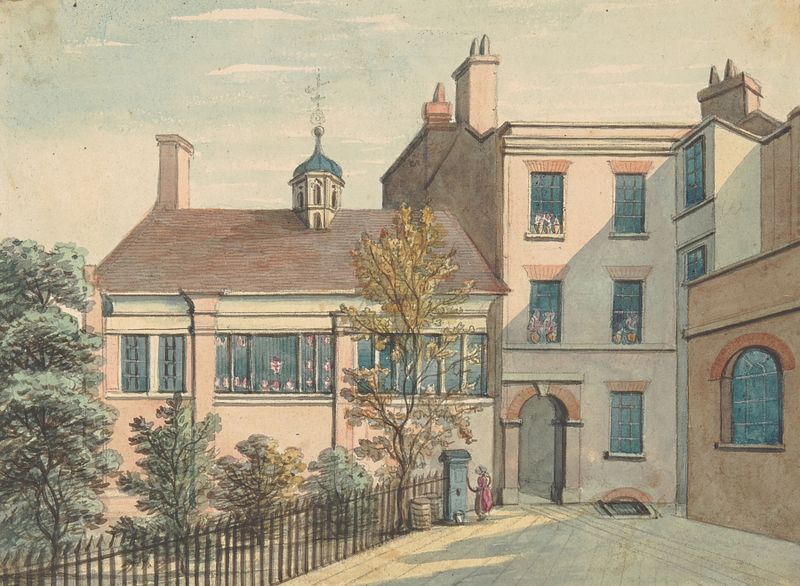
Barnard’s Inn
Samuel Ireland

Lincoln’s Inn Hall and Chapel
Samuel Ireland
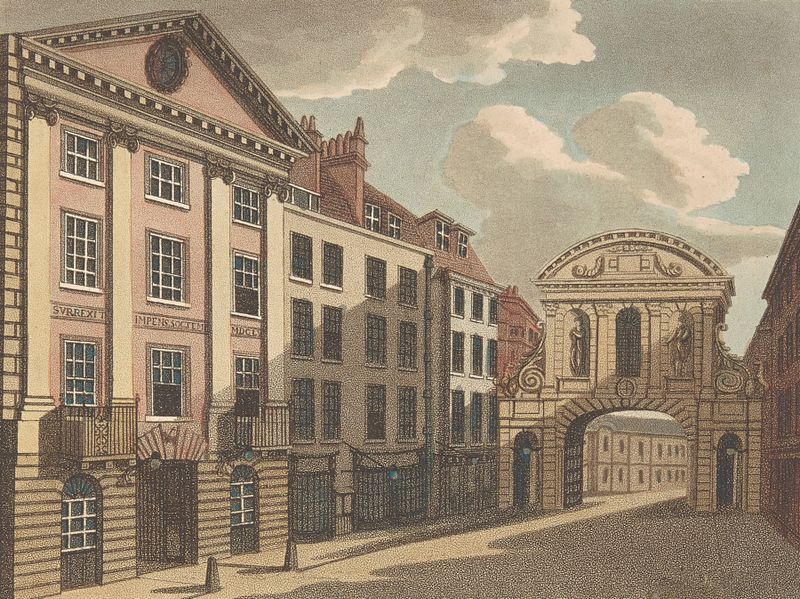
Middle Temple Gate
Samuel Ireland
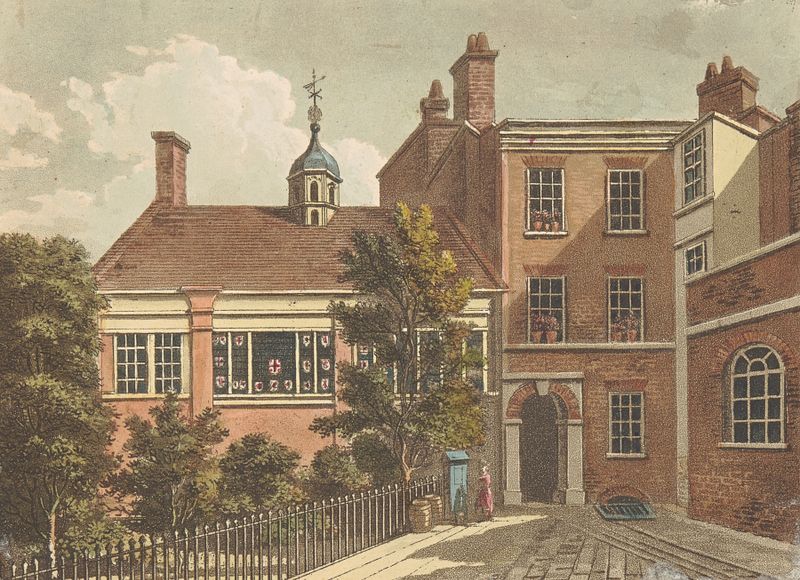
Barnard’s Inn
Samuel Ireland

Westminster Hall
Samuel Ireland
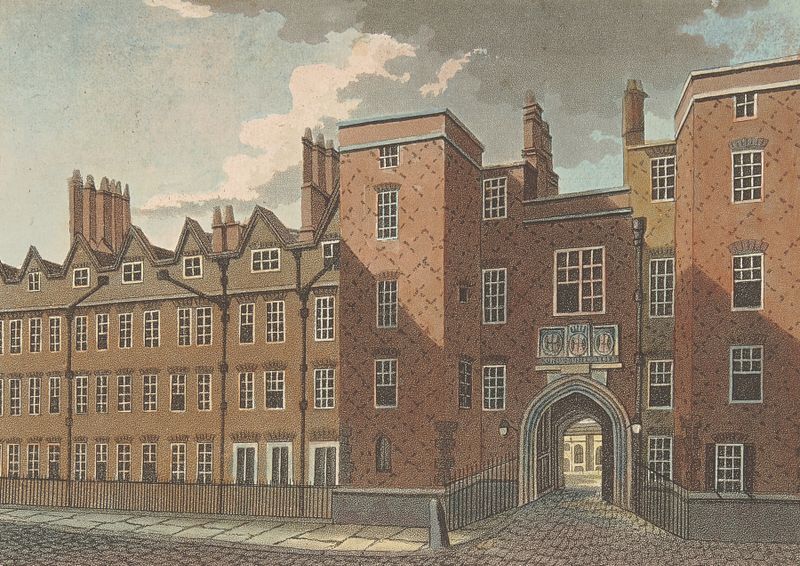
Lincoln’s Inn Gate
Samuel Ireland
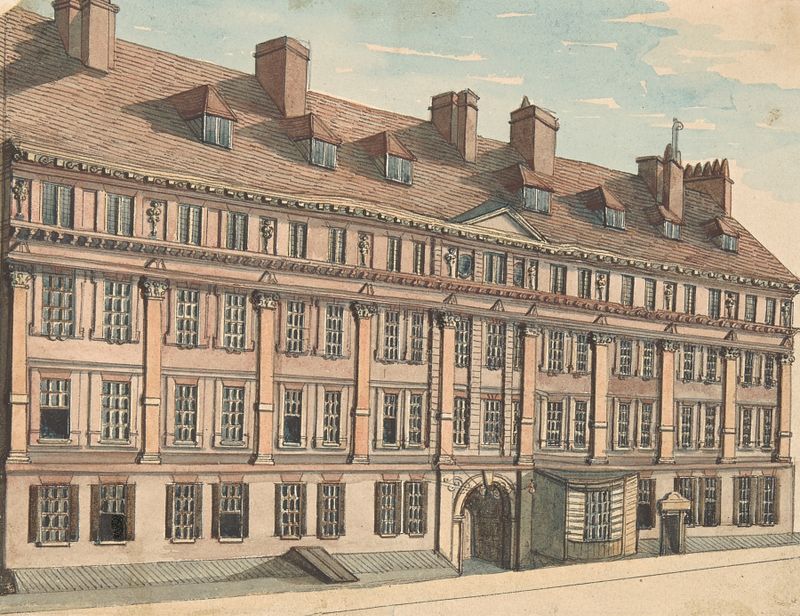
Furnival’s Inn
Samuel Ireland





