
Barrow — History & Facts
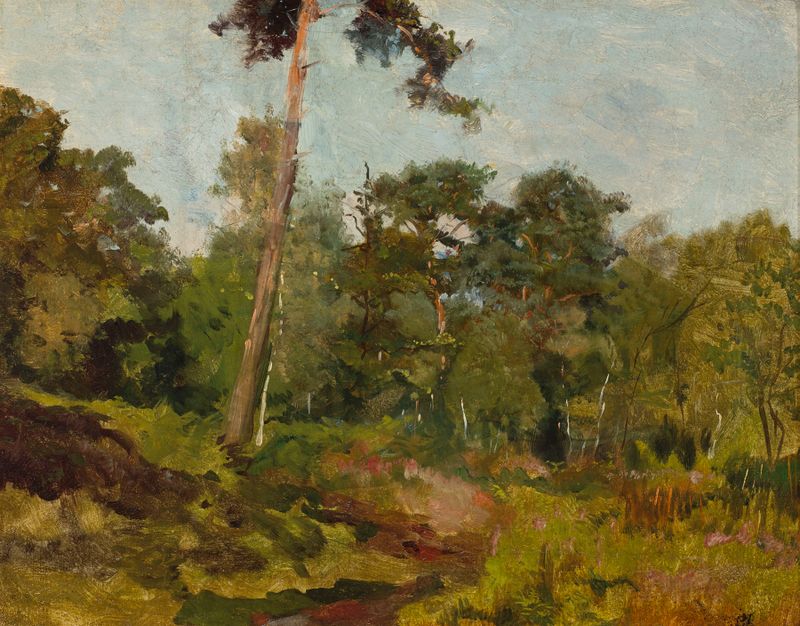
Could beauty survive in a century of chaos? Amidst the tumult of the early 20th century, the answer unfolds with exquisite clarity. Focus first on the gentle curves of the earth, where a solitary barrow rises from the verdant landscape. The lush greens envelop the structure, kissed by soft sunlight that filters through the clouds. Notice how the horizon stretches wide, inviting an almost meditative contemplation as warm hues mingle with cooler tones, creating a harmonious balance that envelops the viewer.
The brushstrokes express a tenderness—every detail, from the texture of the grass to the delicate shadows, speaks to a deep reverence for nature’s beauty. Yet, beneath the tranquility lies a tension between nature and human intervention. The barrow, a remnant of history, suggests the passage of time and the weight of human legacy. The surrounding landscape thrives, flourishing in sunlight, while the silent monument stands as a testament to memory.
Here, we confront the fragility of beauty; it thrives even amid decay, whispering stories of the past that resonate with both nostalgia and hope. Jozef Chelmonski painted this piece in 1912, during a period marked by the looming shadows of World War I. Living in Poland, he embraced the natural world as a refuge, using his art to capture the essence of his homeland’s rural landscapes. The tranquility and depth in Barrow reflect both his personal vision and a broader cultural longing for peace, as the art world began to grapple with the chaos and uncertainty of the modern age.
More Artworks by Jozef Chelmonski
Browse all →
Landscape; Meadow with Marsh-Marigolds
Jozef Chelmonski
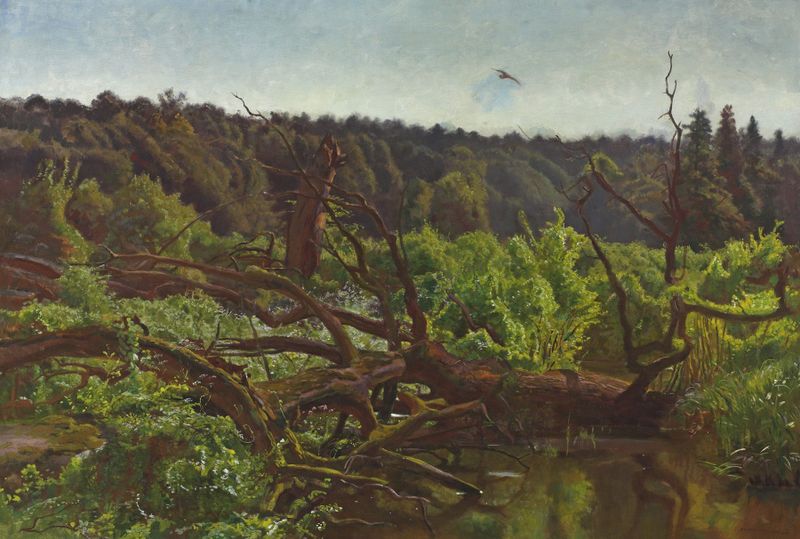
Deep forest – Windthrows
Jozef Chelmonski

Winter Sunset
Jozef Chelmonski
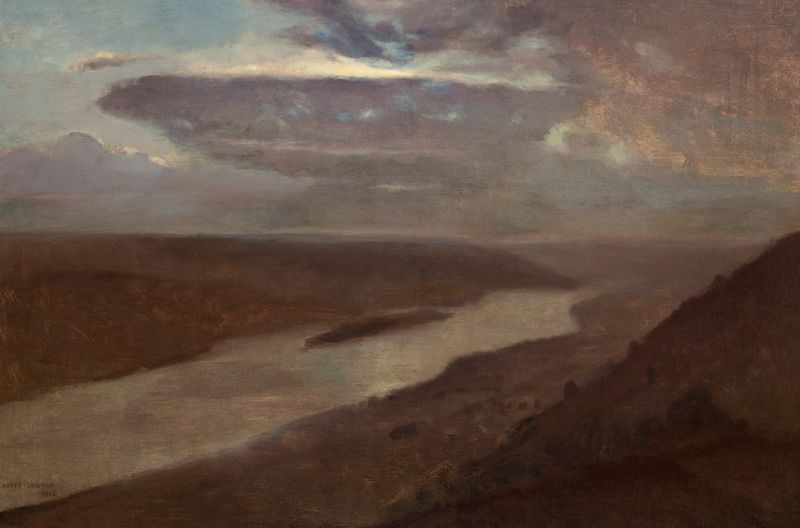
The Dniester River at Night
Jozef Chelmonski
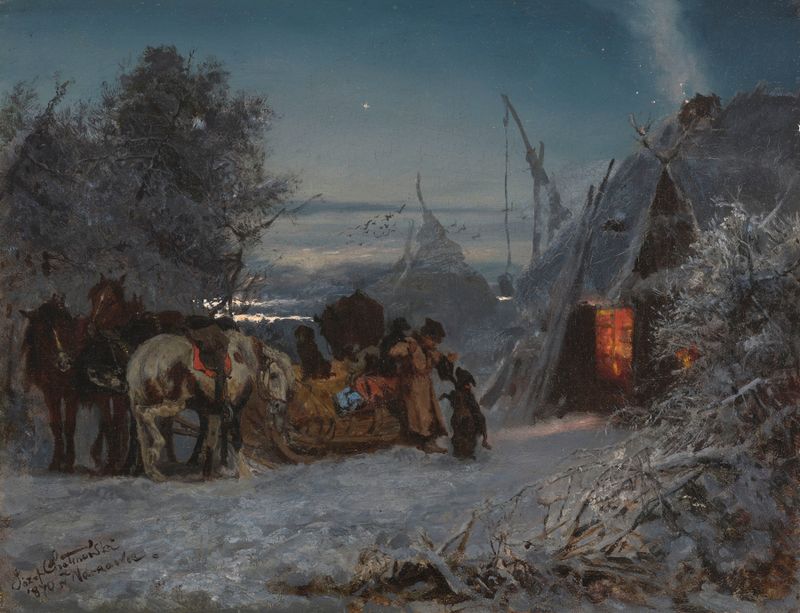
Morning in the Forest
Jozef Chelmonski
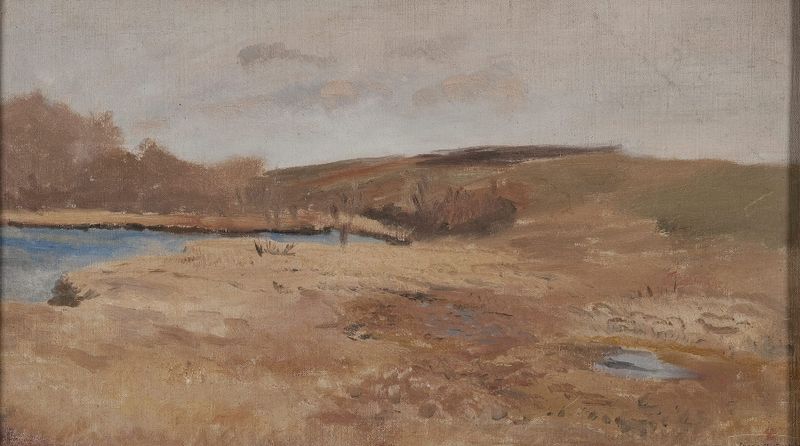
Autumn landscape
Jozef Chelmonski
Lasek Buloński
Jozef Chelmonski

Episode from the Uprising of 1863
Jozef Chelmonski

Dawn
Jozef Chelmonski

Village by the Water
Jozef Chelmonski





