
Morning in the Forest — History & Facts
What if beauty was never meant to be finished? In Morning in the Forest, the fleeting essence of nature's splendor whispers this truth through a delicate interplay of light and shadow. Look to the left, where rays of soft sunlight filter through the canopy, casting a gentle glow upon the vibrant foliage below. Notice how the artist captures the tranquility of dawn, each brushstroke seamlessly blending hues of green and gold. The composition draws the viewer’s eye towards a serene clearing, inviting an intimate engagement with the wildflowers that dot the landscape, their petals shimmering like precious jewels against the earth. Yet beneath this beauty lies a tension of transience.
The scattered leaves, kissed by morning dew, evoke a sense of fragility, hinting at the inevitable change that time brings. The stillness of the scene contrasts with the underlying pulse of life—a reminder that these moments, though breathtaking, are ephemeral, forever slipping into the past. The harmonious blend of colors reflects not just the beauty of the forest, but also the deeper cycle of growth and decay. In 1870, Jozef Chelmonski painted this evocative scene during a period when he was establishing his reputation in Poland’s artistic circles.
The realism movement was gaining momentum, capturing the natural world with authenticity and depth. Chelmonski, while influenced by this trend, infused his work with a personal connection to nature, exploring its beauty and vulnerabilities as he immersed himself in the landscapes that surrounded him.
More Artworks by Jozef Chelmonski
Browse all →
Landscape; Meadow with Marsh-Marigolds
Jozef Chelmonski
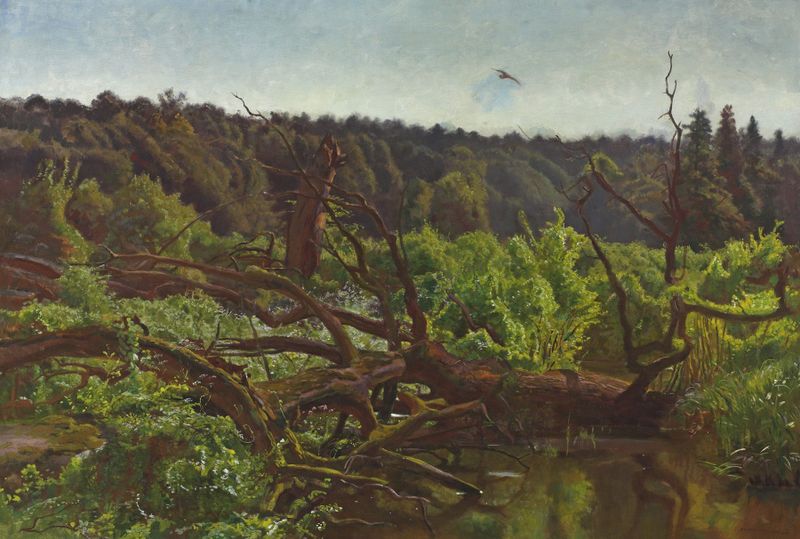
Deep forest – Windthrows
Jozef Chelmonski

Winter Sunset
Jozef Chelmonski
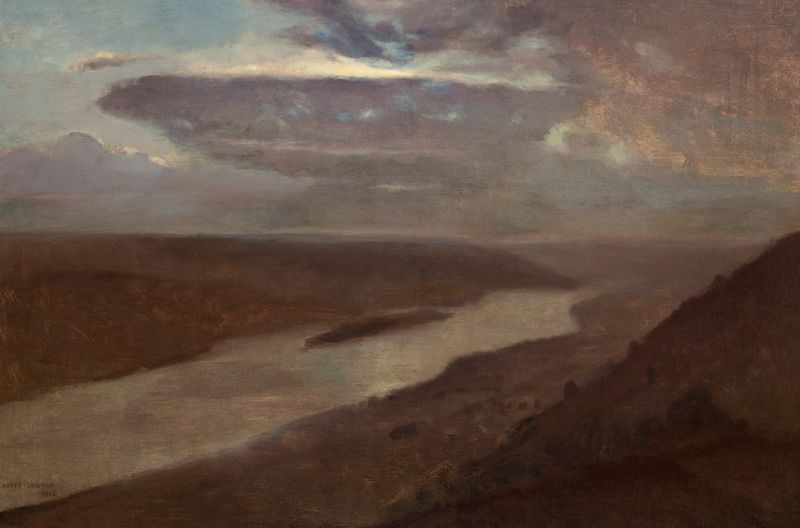
The Dniester River at Night
Jozef Chelmonski
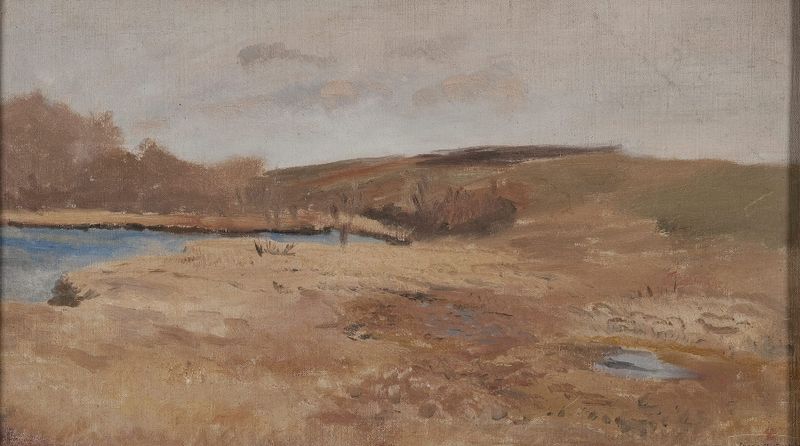
Autumn landscape
Jozef Chelmonski
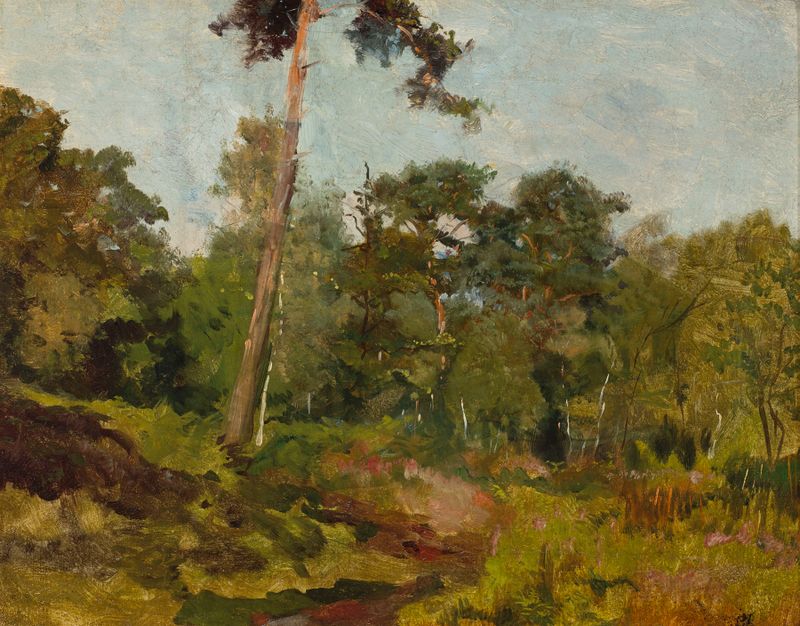
Lasek Buloński
Jozef Chelmonski

Episode from the Uprising of 1863
Jozef Chelmonski

Dawn
Jozef Chelmonski

Village by the Water
Jozef Chelmonski
Burial mound
Jozef Chelmonski





