
Episode from the Uprising of 1863 — History & Facts
In the stillness of its surface, one can feel the weight of fragility, the delicate thread between hope and despair that binds the human experience. Focus first on the central figures, resolute yet weary, standing as symbols of a fleeting moment in history. Their expressions, etched with determination yet shadowed by uncertainty, draw the eye. Notice how the muted earth tones envelop them, while slashes of deep red hint at both sacrifice and desperation, illuminating their plight against an otherwise monochromatic backdrop.
The balance of light and shadow creates a visual tension that mirrors their internal struggle, urging the viewer to confront the weight of their circumstances. Upon closer inspection, the subtle details emerge: the faint outlines of the landscape, suggesting an impending storm, reflect the chaos of the uprising, while the tattered flags fluttering in the background evoke a sense of loss. This juxtaposition of hope—represented by the figures clutching their banners—and the encroaching darkness of the horizon encapsulates the fragility of their fight for freedom. Here lies a tension between the noble aspirations of rebellion and the inevitable sacrifices that come with it. During the years 1884 to 1885, the artist worked on this poignant piece amidst a Europe grappling with national identity and political turmoil.
Chelmonski, living in Poland yet influenced by various artistic movements, sought to capture the spirit of resistance in the face of oppression. The dynamics of his homeland’s past, coupled with the shifting tides of contemporary art, informed this work, emphasizing the depth of human fragility against the backdrop of historical struggle.
More Artworks by Jozef Chelmonski
Browse all →
Landscape; Meadow with Marsh-Marigolds
Jozef Chelmonski
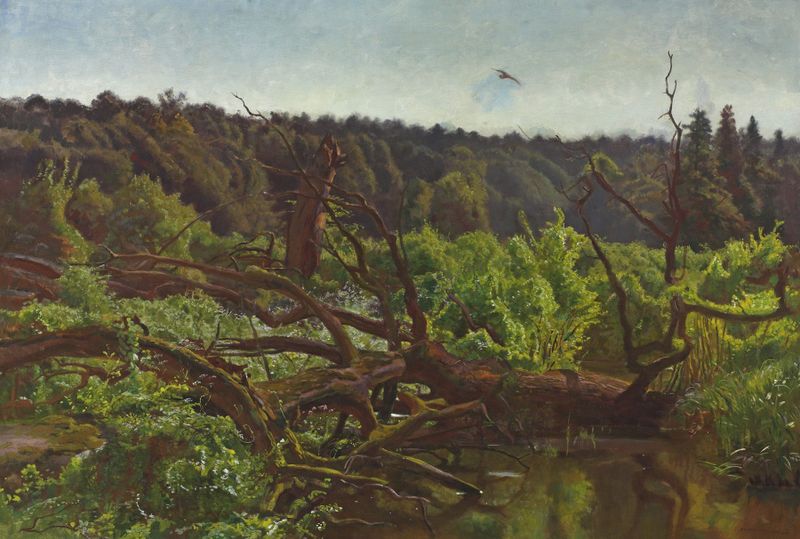
Deep forest – Windthrows
Jozef Chelmonski

Winter Sunset
Jozef Chelmonski
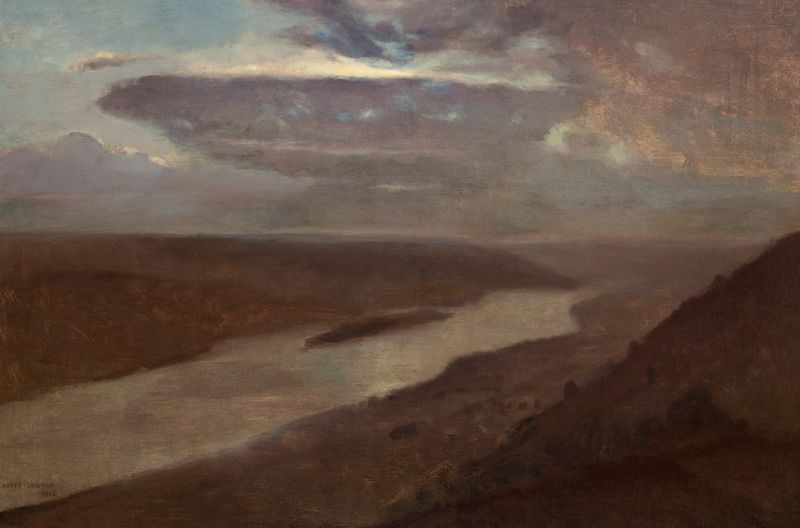
The Dniester River at Night
Jozef Chelmonski
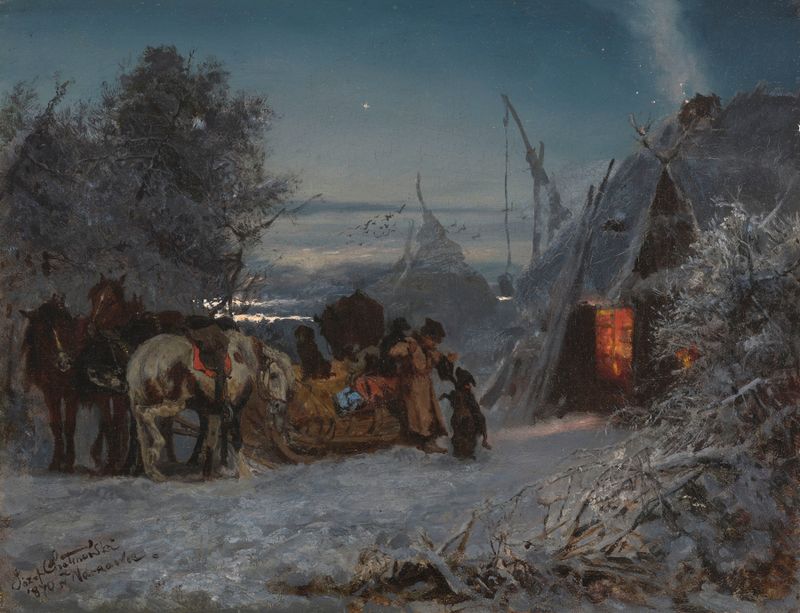
Morning in the Forest
Jozef Chelmonski
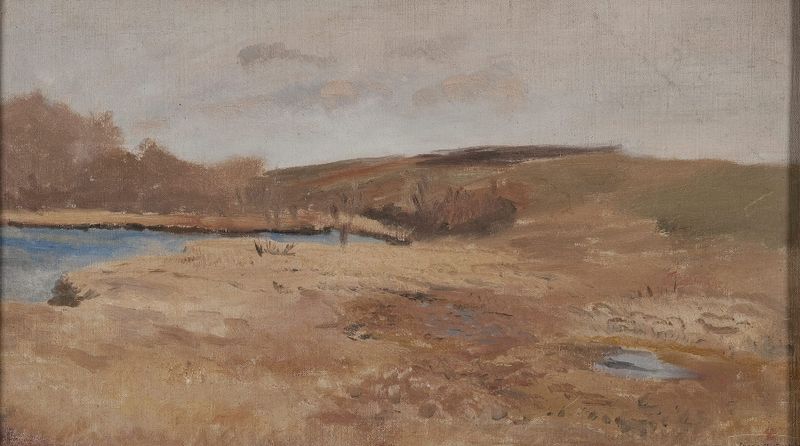
Autumn landscape
Jozef Chelmonski
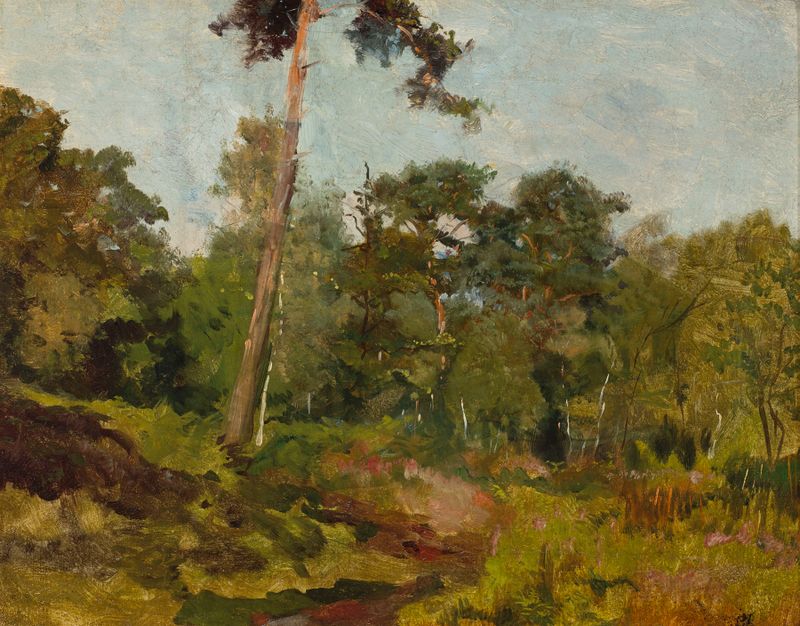
Lasek Buloński
Jozef Chelmonski

Dawn
Jozef Chelmonski

Village by the Water
Jozef Chelmonski
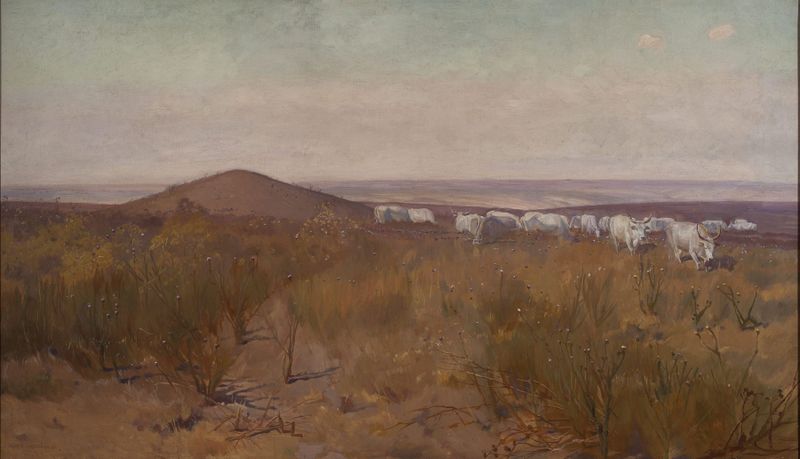
Burial mound
Jozef Chelmonski
More Historical Art
Browse all →
The Night Watch Militia Company of District II under the Command of Captain Frans Banninck Cocq
Rembrandt van Rijn

Lincoln Memorial
Henry Bacon

The Third of May 1808
Francisco de Goya

Isaac and Rebecca, Known as ‘The Jewish Bride’
Rembrandt van Rijn

The Charge of the Mamelukes (1814)
Francisco de Goya

De vier ruiters van de apocalyps
Albrecht Dürer