
Dawn — History & Facts
What if beauty was never meant to be finished? In that fleeting moment, the dawn promises a destiny intertwined with the cycle of nature, a reminder that each day is both an end and a beginning. Look to the left at the gentle hues of lavender and gold that kiss the horizon, merging seamlessly into the tranquil blues of the sky. The soft brushwork creates a sense of movement, almost as if the light itself is spilling over the landscape. Focus on the delicate silhouettes of trees, their dark forms grounding the ethereal glow above; they stand as silent witnesses to the birth of the day.
Each stroke of color invites the viewer to pause and breathe in the promise of what is yet to unfold. As you explore deeper, notice the contrast between light and shadow—a powerful dialogue resonating with themes of hope and uncertainty. The luminous sky suggests potential, while the stillness of the earth below hints at the weight of what lies behind. This duality evokes feelings of anticipation and introspection, capturing the fleeting nature of time as dawn teeters on the cusp of dawn and day.
The painting whispers of destiny’s intricate dance, inviting us to consider our own place within it. In 1892, Jozef Chelmonski painted Dawn during a period marked by his deep connection to the Polish countryside and a burgeoning interest in capturing atmospheric effects. At that time, he was establishing himself within the Symbolist movement, exploring themes that resonate with the human spirit and the essence of nature. The work reflects his innovative technique and emotional depth, as he sought to transcend mere representation and convey an experience that speaks to the soul.
More Artworks by Jozef Chelmonski
Browse all →
Landscape; Meadow with Marsh-Marigolds
Jozef Chelmonski
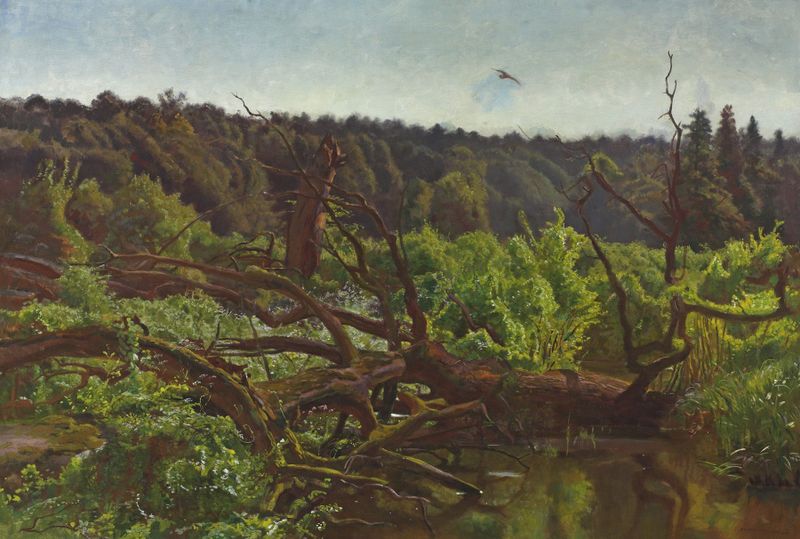
Deep forest – Windthrows
Jozef Chelmonski

Winter Sunset
Jozef Chelmonski
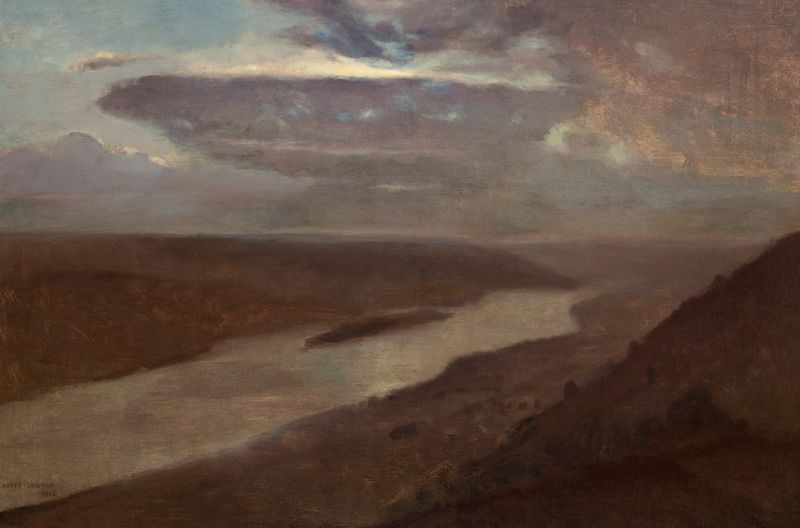
The Dniester River at Night
Jozef Chelmonski
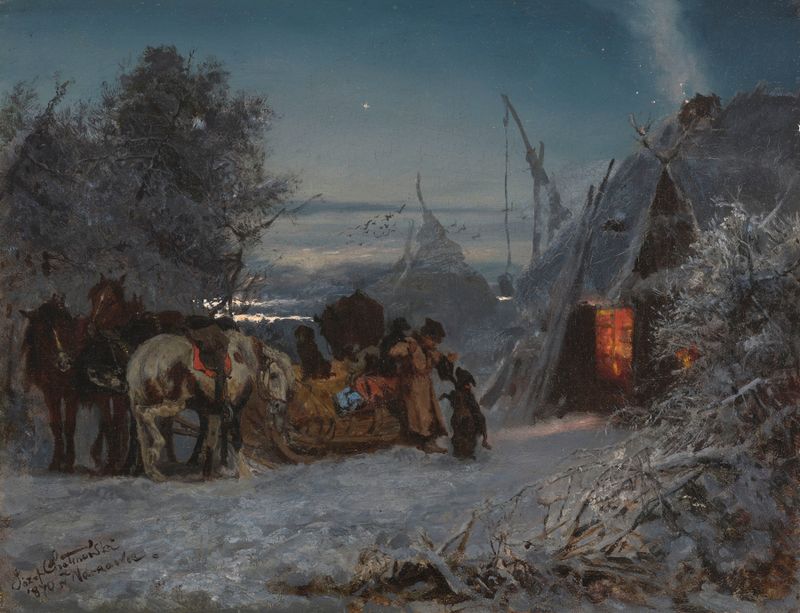
Morning in the Forest
Jozef Chelmonski
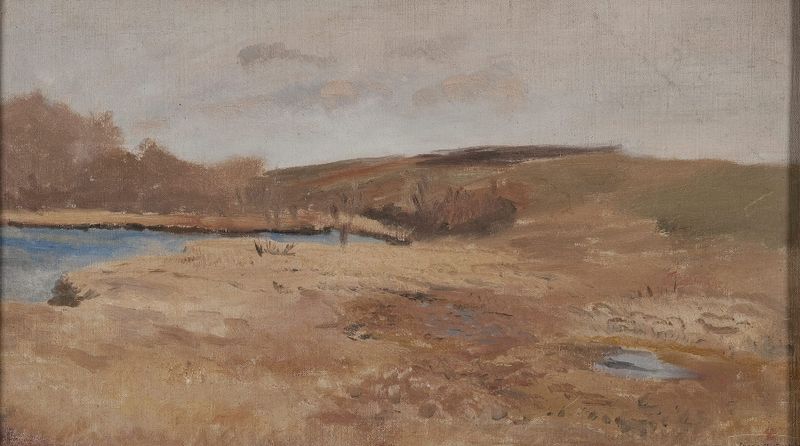
Autumn landscape
Jozef Chelmonski
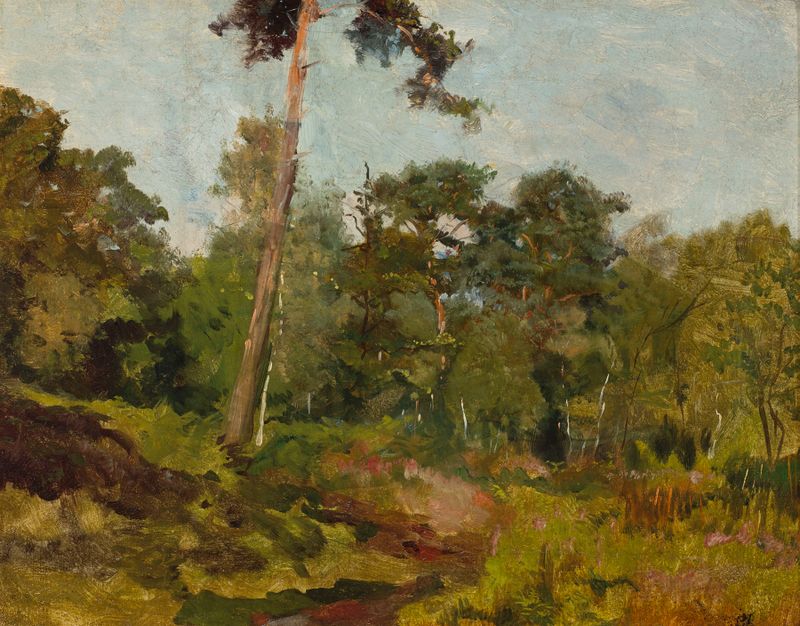
Lasek Buloński
Jozef Chelmonski

Episode from the Uprising of 1863
Jozef Chelmonski

Village by the Water
Jozef Chelmonski
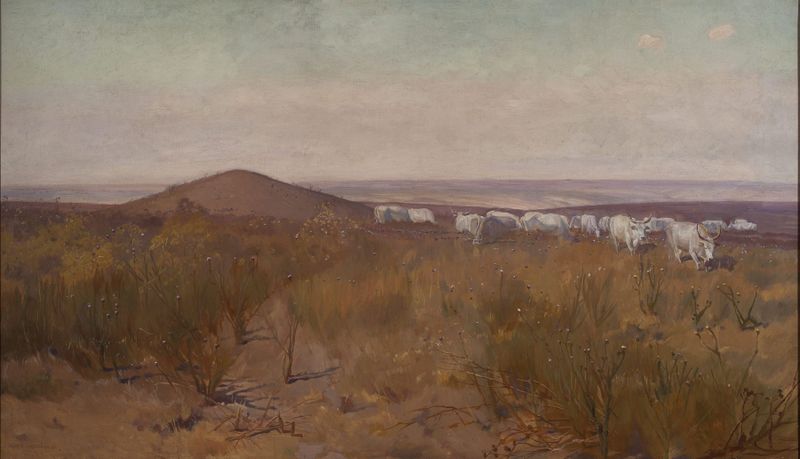
Burial mound
Jozef Chelmonski





