
Village by the Water — History & Facts
Could a single brushstroke hold eternity? In Village by the Water, silence envelops a serene landscape, inviting contemplation and reflection in its tranquil embrace. Look to the left where the gentle undulations of the water mirror the soft hues of twilight, casting a delicate glow upon the rustic village. Notice how the artist employs a muted palette, harmonizing shades of blue and green with earthy browns to evoke an intimate connection between land and water. The brushwork is deft yet deliberate, creating a sense of movement in the ripples that contrasts with the stillness of the surrounding cottages. Tension lies in the juxtaposition of nature’s serenity against the quietude of human existence—the village appears almost suspended in time.
The solitary figure by the water’s edge, absorbed in introspection, embodies a stillness that resonates with the viewer, suggesting a deeper narrative of solitude and connection. The distant hills loom silently, hinting at the vastness beyond the tranquility of village life, reinforcing the theme of isolation within the serene landscape’s embrace. In 1913, Jozef Chelmonski, an influential figure in Polish art, created this work during a period marked by both personal and societal change. Living in Paris, he was immersed in the burgeoning art movements of the time, yet remained deeply connected to his rural roots.
As Europe edged towards tumultuous conflict, this painting reflects a longing for peace, an appreciation of nature, and the essence of a world on the brink of transformation.
More Artworks by Jozef Chelmonski
Browse all →
Landscape; Meadow with Marsh-Marigolds
Jozef Chelmonski
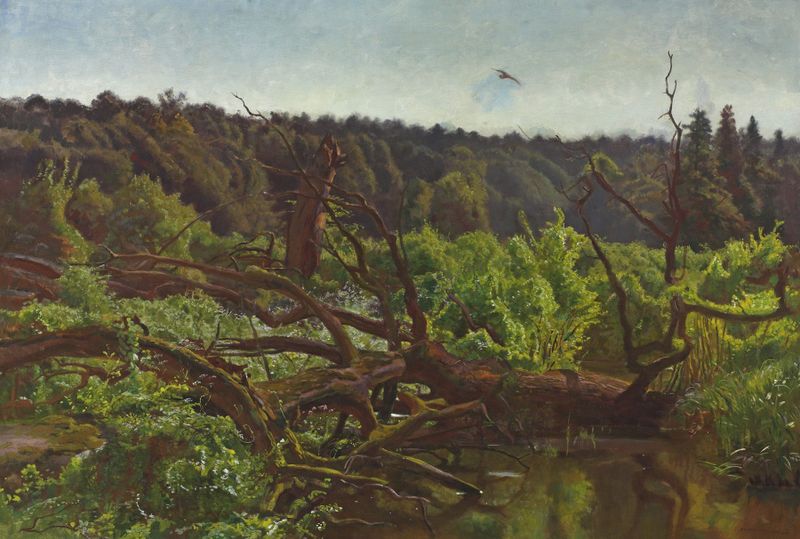
Deep forest – Windthrows
Jozef Chelmonski

Winter Sunset
Jozef Chelmonski
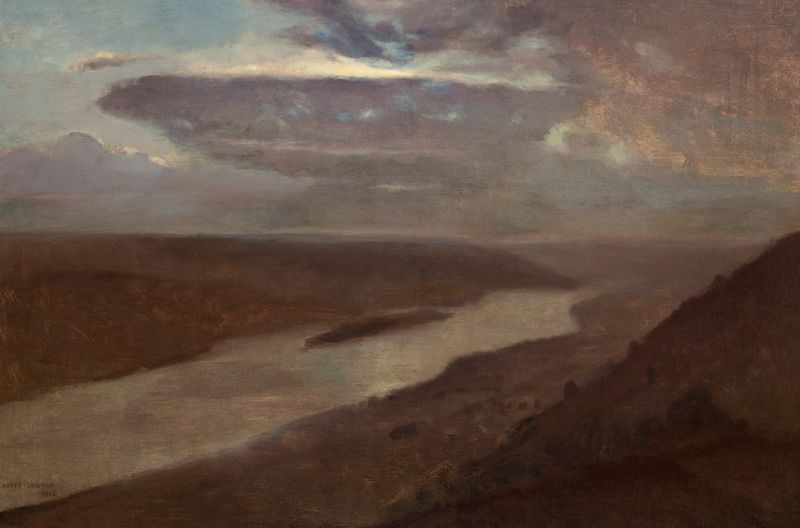
The Dniester River at Night
Jozef Chelmonski
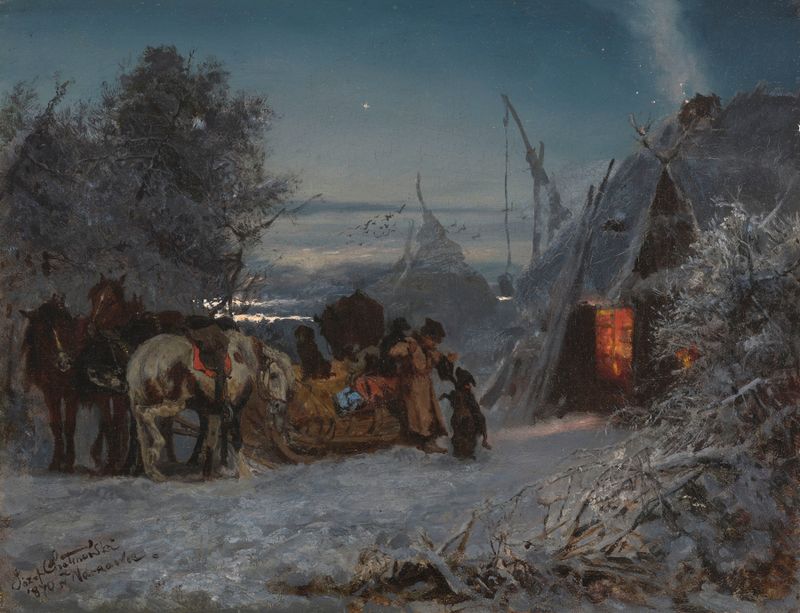
Morning in the Forest
Jozef Chelmonski
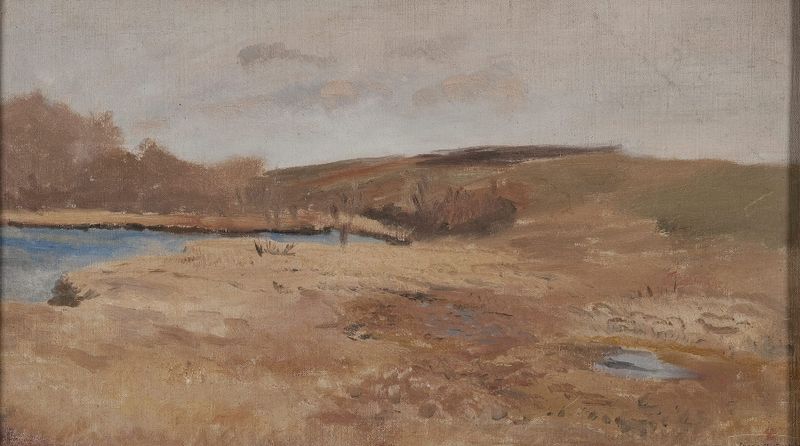
Autumn landscape
Jozef Chelmonski
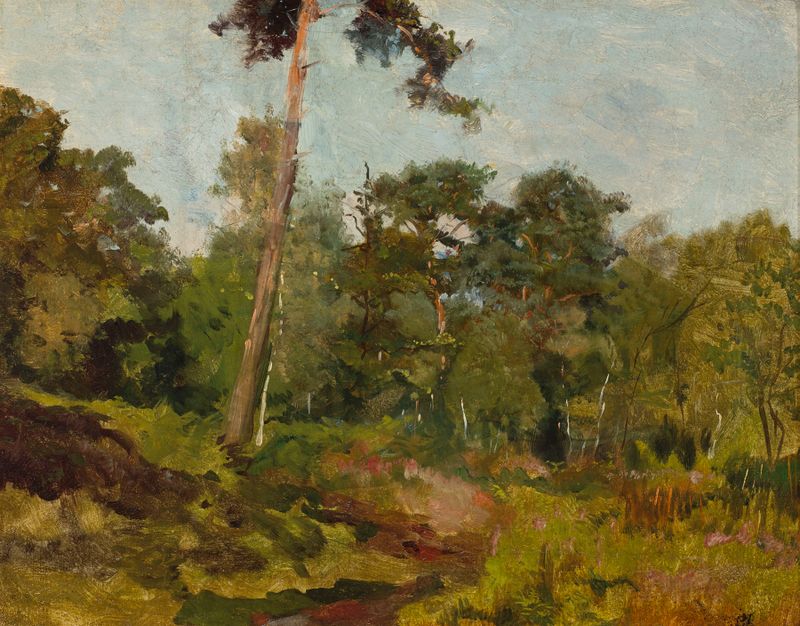
Lasek Buloński
Jozef Chelmonski

Episode from the Uprising of 1863
Jozef Chelmonski

Dawn
Jozef Chelmonski
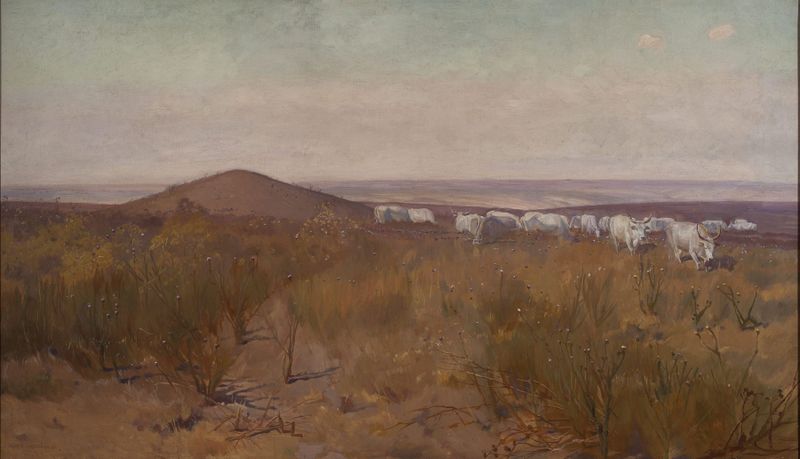
Burial mound
Jozef Chelmonski





