
Bassin Duquesne, Dieppe — History & Facts
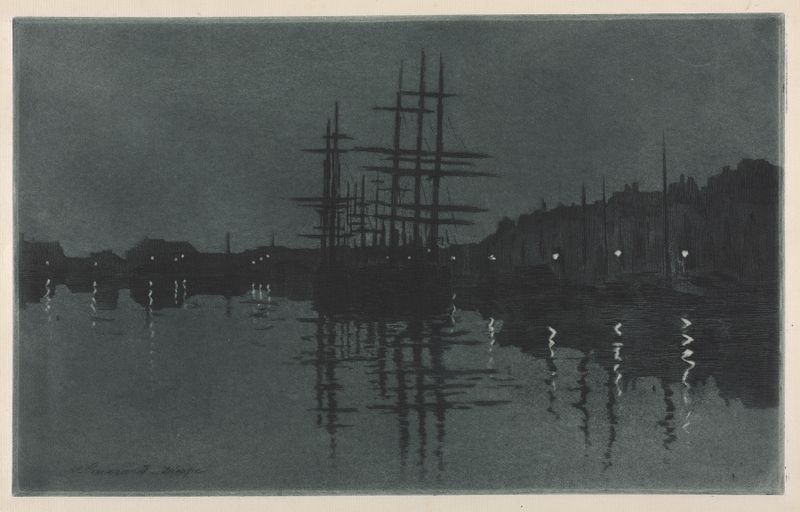
In the delicate strokes of 1889, an aura of solitude gently envelops the canvas, inviting introspection amid the vibrant hues of life. Look to the foreground, where the shimmering water of the Bassin Duquesne beckons with a soft, inviting glow. The reflections dance playfully on its surface, mirroring the subtle blend of blues and greens that suggest both tranquility and isolation. Notice how the light falls upon the boats moored nearby, their forms bathed in warm sunlight while the shadows stretch long, evoking a sense of time suspended.
The technique, with its loose brushwork, implies a fleeting moment, capturing the essence of the scene without an overwhelming detail. There’s a poignant contrast between the bustling life of the harbor and the stillness of the surrounding landscape. The absence of figures emphasizes the loneliness that permeates the air, suggesting that even amid activity, one can feel profoundly alone. This emptiness resonates deeply, revealing a narrative of longing and the human experience of solitude, as if the boats themselves carry the weight of untold stories.
The overall composition evokes a sense of quiet reflection, inviting viewers to consider their own feelings of isolation amidst the crowd. During this period, Guérard was actively exploring his distinctive style, influenced by the Impressionist movement and reflecting on themes of nature and human emotion. Working in Dieppe, a fishing port on the Normandy coast, he painted Bassin Duquesne at a time when artists were increasingly drawn to capturing fleeting moments of beauty and personal sentiment. The late 19th century was a time of great change in the art world, and his work encapsulated both the innovative technique of the era and the deep emotional currents that ran through it.
More Artworks by Henri-Charles Guérard
Browse all →
Paris, la rue Cortot, Montmartre
Henri-Charles Guérard
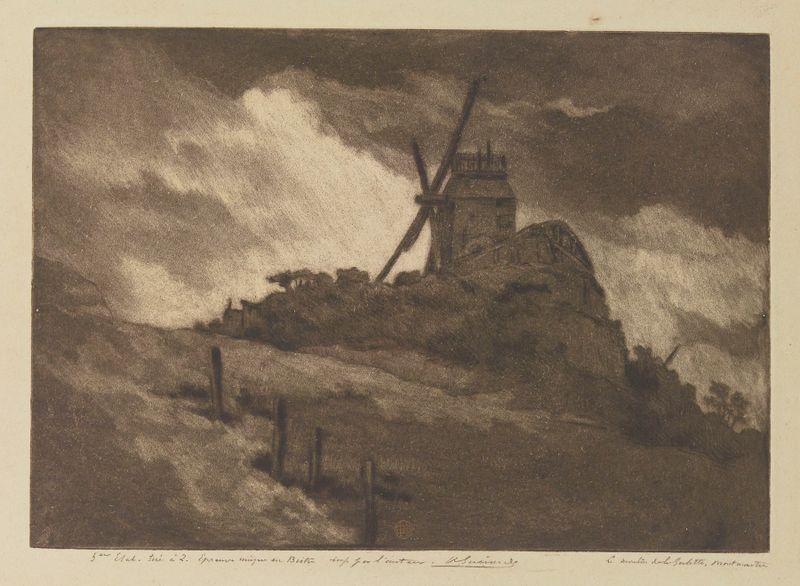
Le moulin de la Galette, Montmartre
Henri-Charles Guérard
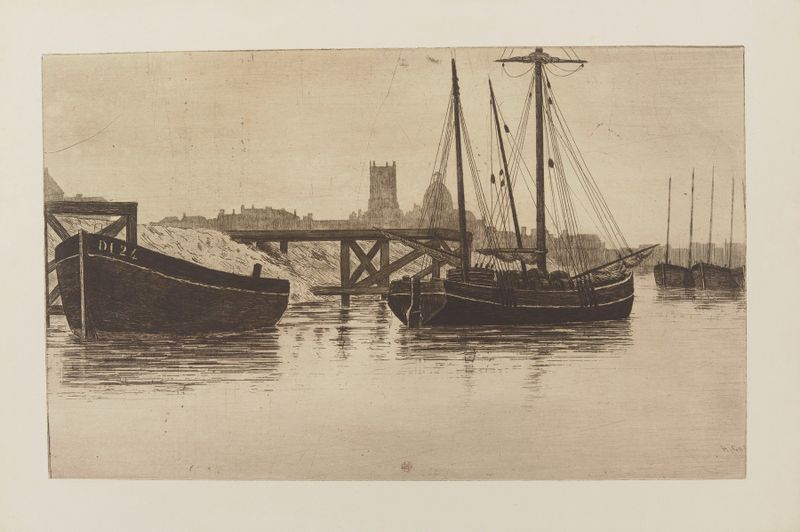
Débarquement de créosote, Retenue, Dieppe
Henri-Charles Guérard
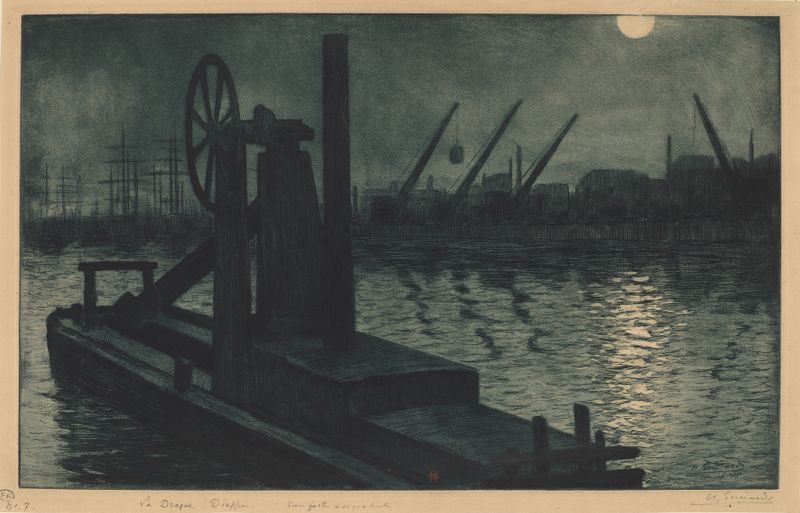
La Drague Dieppe (A Dredger in Dieppe Harbor by Moonlight)
Henri-Charles Guérard
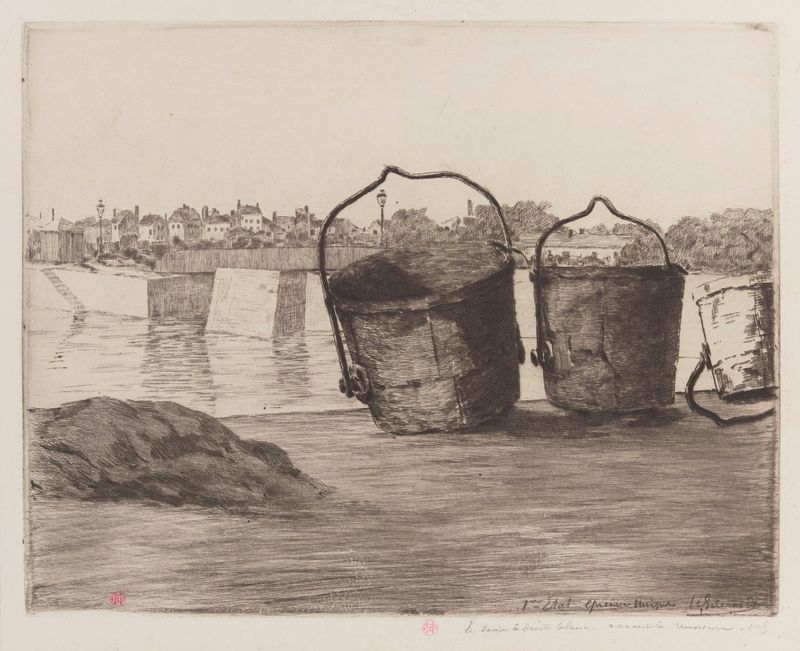
Quai au charbon, Honfleur
Henri-Charles Guérard
Effect of Moon at Dieppe
Henri-Charles Guérard

Escalier de la cale au Pollet, Dieppe
Henri-Charles Guérard

Venise (l’entrée du Grand canal, près de la Piazetta)
Henri-Charles Guérard

Le pêcheur au carrelet
Henri-Charles Guérard

Patineurs sur le lac d’Annecy
Henri-Charles Guérard





