
Bathsheba at Her Bath — History & Facts
When Artemisia Gentileschi painted Bathsheba at Her Bath in 1637, she chose a subject that had long fascinated—and scandalized—painters and patrons alike. The biblical story of Bathsheba, watched in secret by King David as she bathed, was often used as an excuse for artists to explore the female nude. But Artemisia, one of the few celebrated women artists of the Baroque era, brought her own voice to the tale, painting Bathsheba not as a passive object but as a woman aware of her own presence and vulnerability.
This work stands out among the handful of surviving Bathsheba paintings by Artemisia, each revealing her evolving approach to female strength and agency. The moment Artemisia selects is charged with tension: Bathsheba, attended by her maids, sits at the edge of her bath, her gaze direct and composed, while in the distance, King David peers from a balcony, almost hidden in shadow. The lush fabrics, gleaming jewelry, and the play of light on Bathsheba’s skin highlight her status and beauty, but also her exposure. Unlike earlier treatments by artists such as Tintoretto, who often emphasized voyeurism and spectacle, Artemisia’s Bathsheba seems to sense the king’s gaze, her posture both dignified and defensive.
The careful arrangement of figures and objects—the maid holding a towel, the servant with a tray—suggests a ritual interrupted, a private moment invaded. The history of this particular painting is less documented than some of Artemisia’s other works, and its original patron remains uncertain. What is clear is that Bathsheba at Her Bath belongs to a productive period in Artemisia’s career, when she was working in Naples and receiving commissions from both local and foreign clients. Over the centuries, the painting has been attributed, misattributed, and rediscovered, as is common with works by Artemisia, whose legacy was long overshadowed by her male contemporaries.
Today, it stands as a testament to her unique perspective within the Baroque world, and continues to invite fresh interpretations wherever it is displayed.
More Artworks by Artemisia Gentileschi

Judith Beheading Holofernes
Artemisia Gentileschi
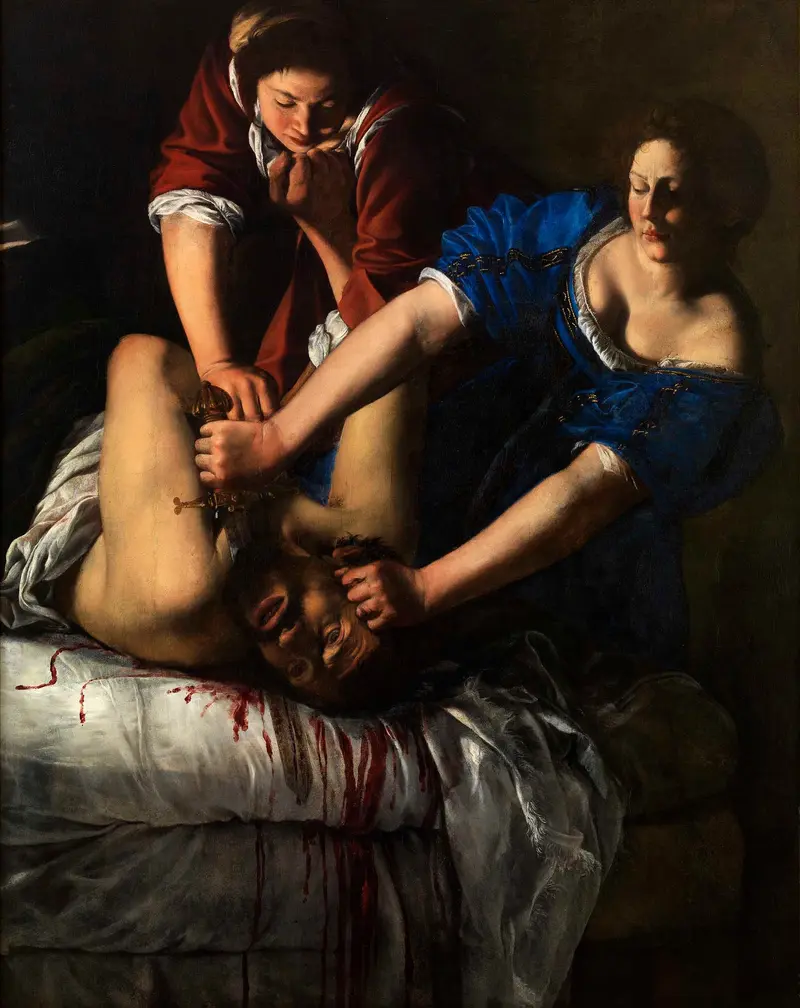
Judith Slaying Holofernes
Artemisia Gentileschi
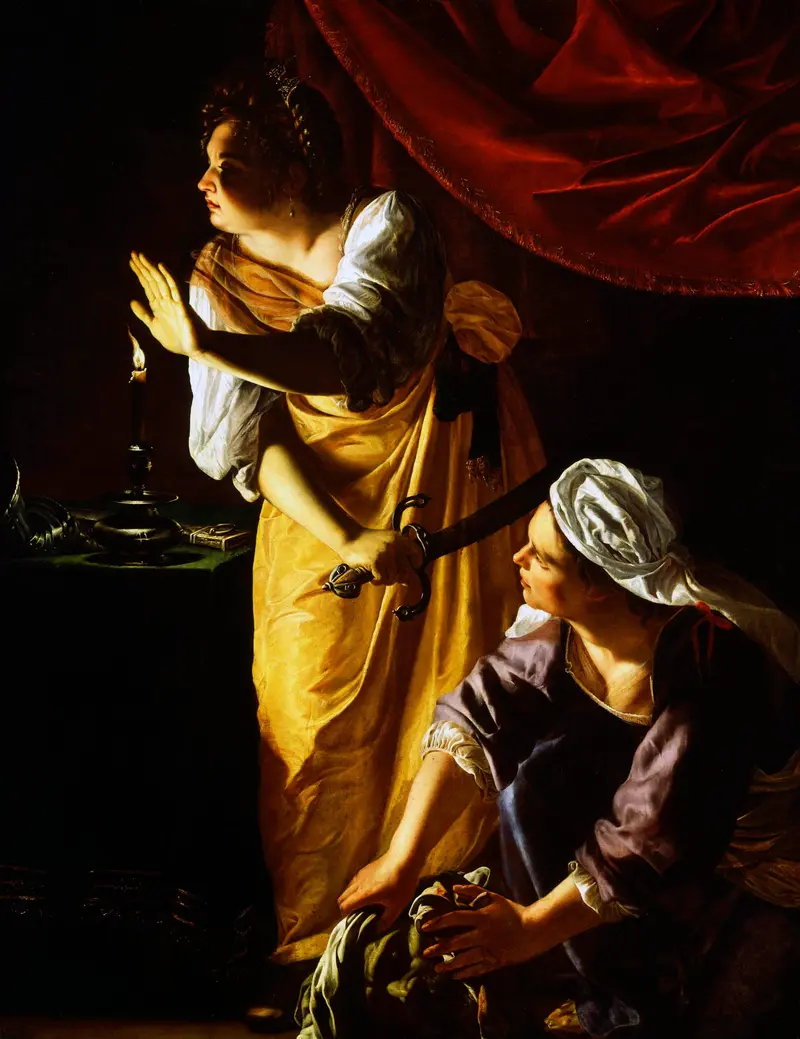
Judith and Maidservant with Head of Holofernes
Artemisia Gentileschi
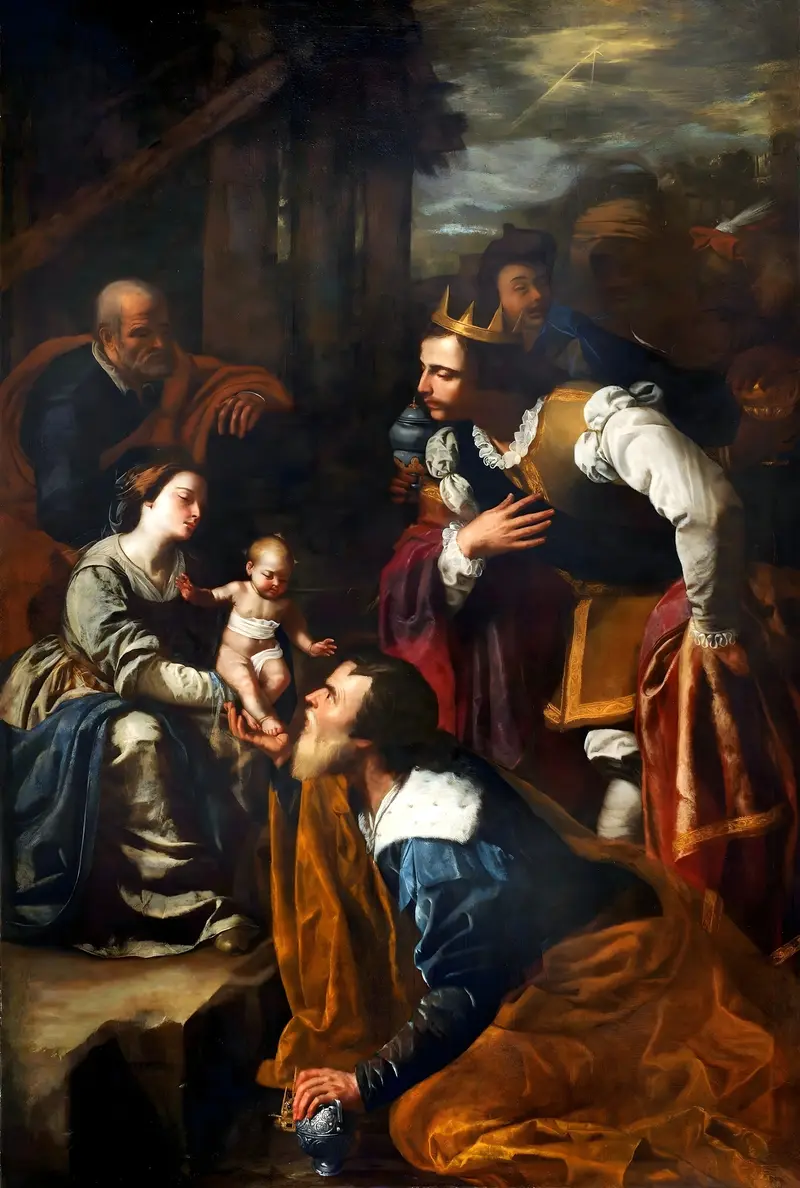
Adoration of the Magi
Artemisia Gentileschi
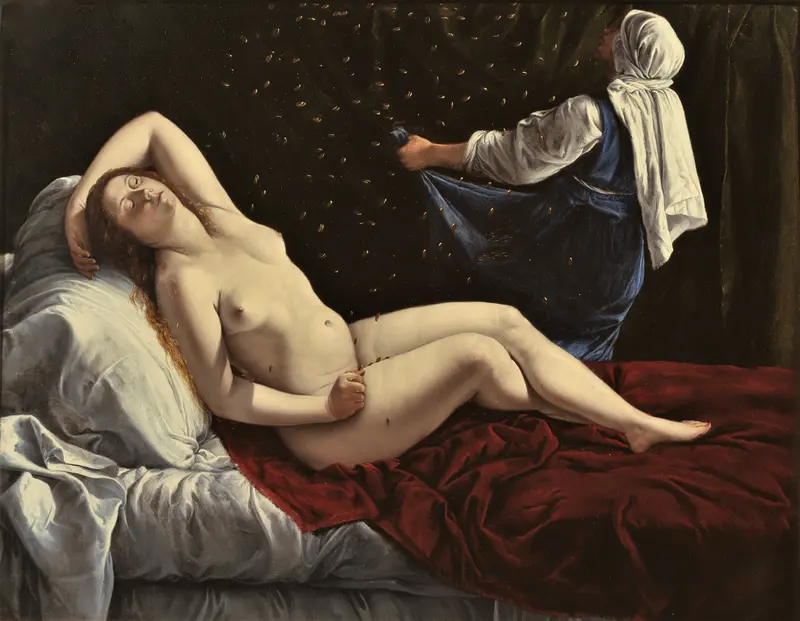
Danaë
Artemisia Gentileschi
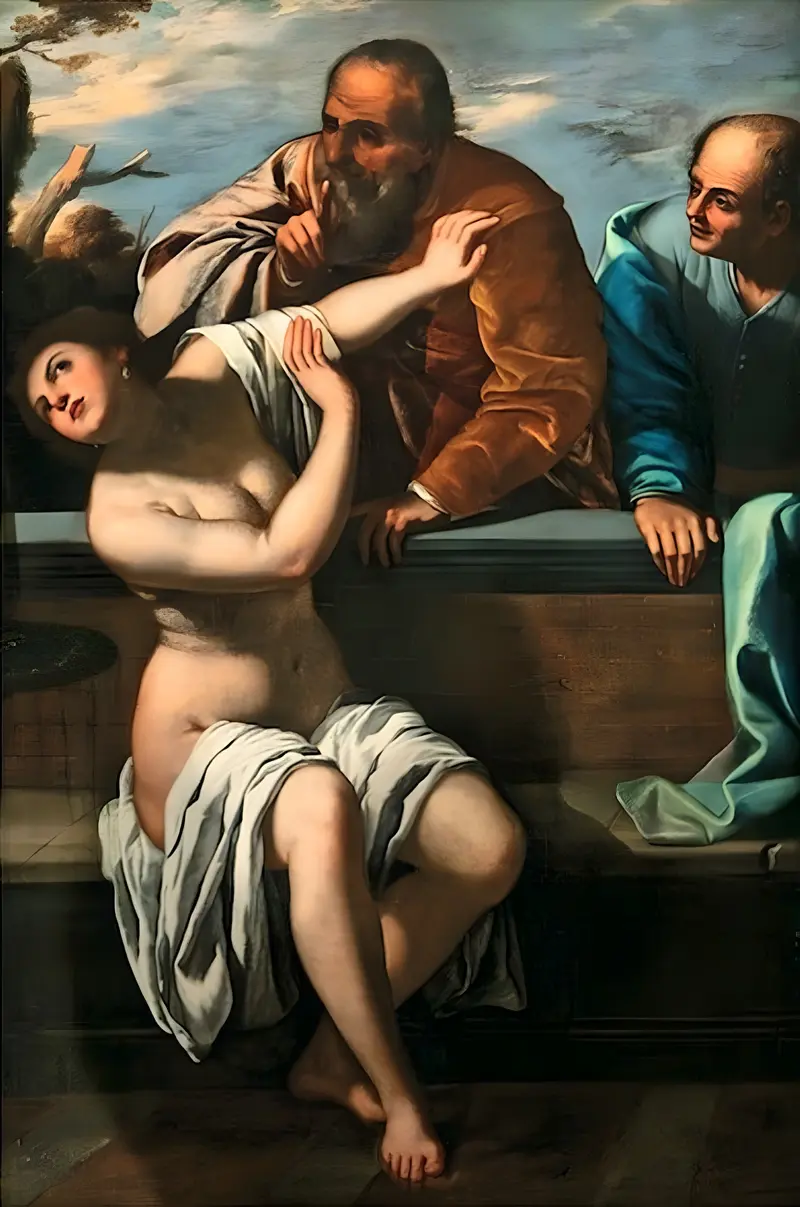
Susannah and the Elders
Artemisia Gentileschi

Judith and her Servant with the Head of Holofernes
Artemisia Gentileschi
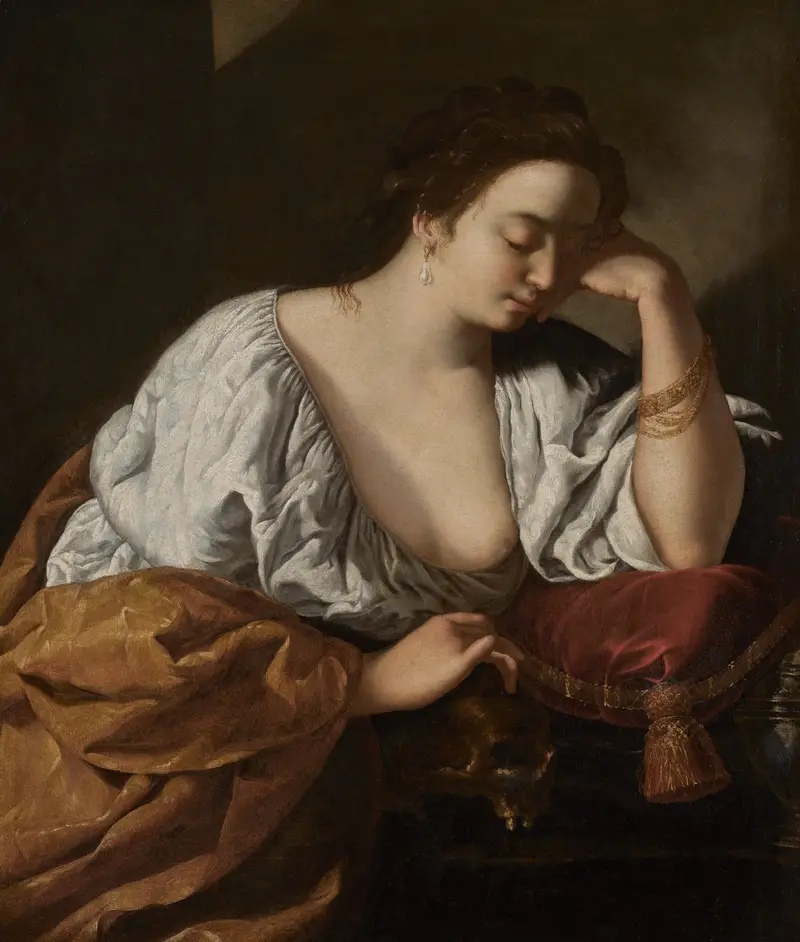
Madeleine pénitente, par
Artemisia Gentileschi
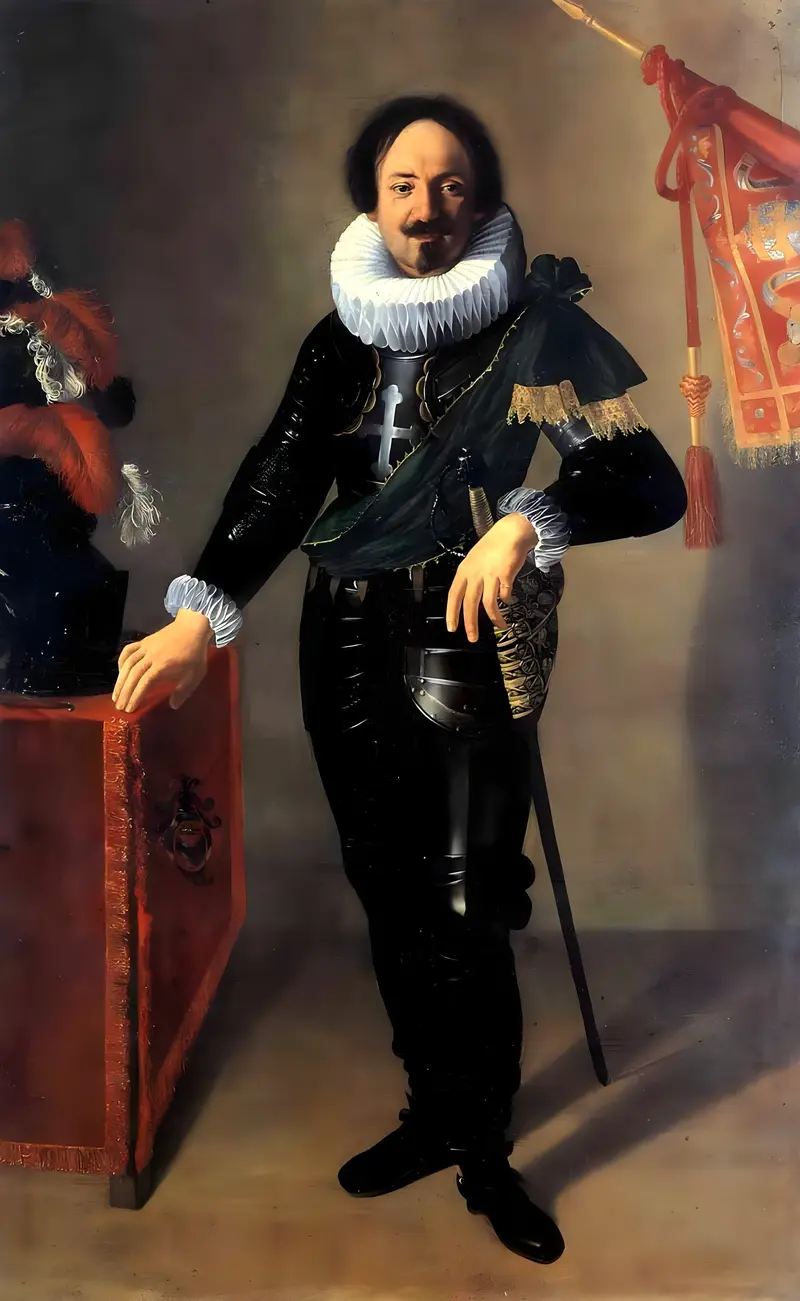
Portrait of a Gonfaloniere
Artemisia Gentileschi
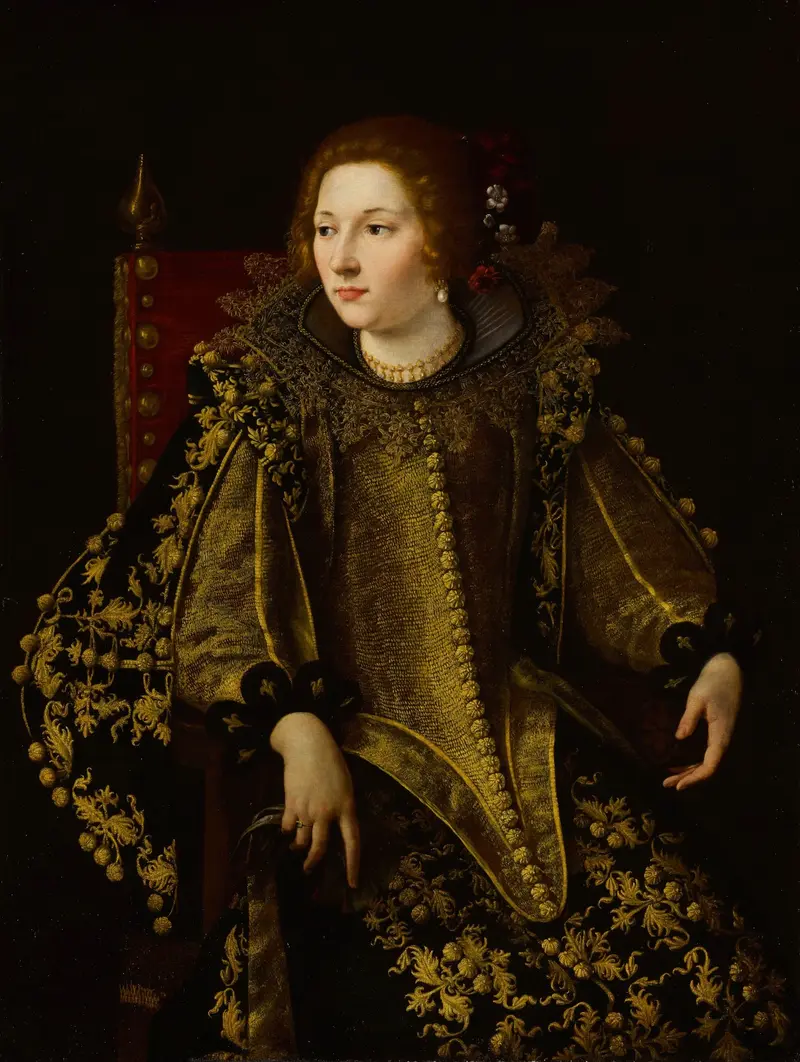
Portrait of a seated lady (senora Caterina Savelli?)
Artemisia Gentileschi





