
Judith and Maidservant with Head of Holofernes — History & Facts
A young woman in a golden dress stands illuminated by candlelight, her left hand raised in a gesture of caution as she looks intently into the darkness beyond the edge of the painting. She holds a curved sword in her right hand, its blade still visible and gripped tightly, suggesting recent use. Beside her, a maidservant in a violet gown and white headscarf crouches low, her attention fixed on a green cloth into which she is carefully wrapping a severed head.
The head, barely visible beneath the folds, is rendered with a striking realism, its features obscured in shadow but unmistakably present. A single candle burns on a metal stand to the left, casting dramatic highlights across the women's faces and hands, while the rest of the room recedes into deep shadow. Behind them, a rich red drapery sweeps diagonally across the upper right, its folds painted with bold, textured strokes that catch the light and create a sense of luxury and tension.
The composition is tightly focused, with the two figures pressed close together in the foreground, heightening the sense of urgency and secrecy. Gentileschi uses strong contrasts of light and dark, known as chiaroscuro, to intensify the drama of the moment and to direct attention to the women's faces and hands. The surface of the painting reveals smooth, controlled brushwork in the flesh tones and fabrics, while the background and drapery show more vigorous, expressive handling. This work captures the tense aftermath: Judith keeps watch while her maidservant Abra conceals the evidence of their deed.
Judith and Maidservant with Head of Holofernes was painted by Artemisia Gentileschi in the 1620s, during a period when she was developing her own interpretation of Caravaggesque drama and composition. The painting is one of four by Gentileschi on this subject, with others now in Naples, Florence, and Cannes. The Detroit Institute of Arts notes that the painting was acquired in 1952 from Prince Brancaccio, after passing through the hands of Alessandro Morandotti and Adolph Loewi, and was then gifted by Leslie H.
Green.
Sources: Detroit Institute of Arts, record 52.253 · Wikidata Q3769173 · Wikipedia: Judith and Her Maidservant (Artemisia Gentileschi, Detroit) · Image source (Wikimedia Commons)
More Artworks by Artemisia Gentileschi

Judith Beheading Holofernes
Artemisia Gentileschi
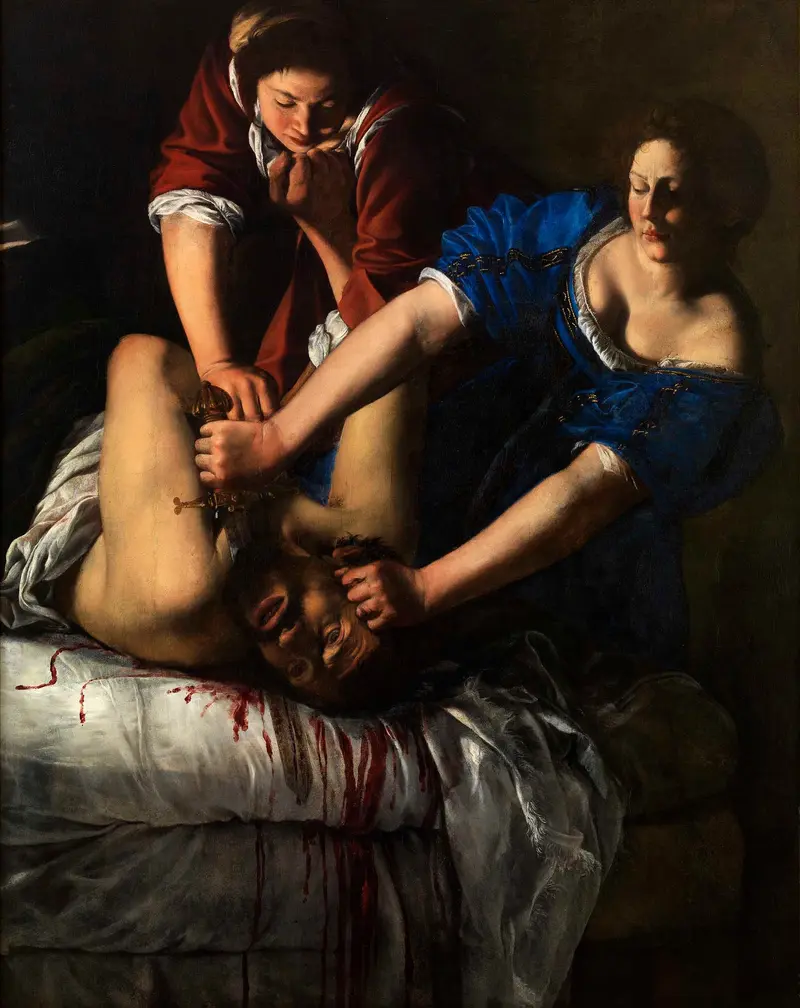
Judith Slaying Holofernes
Artemisia Gentileschi
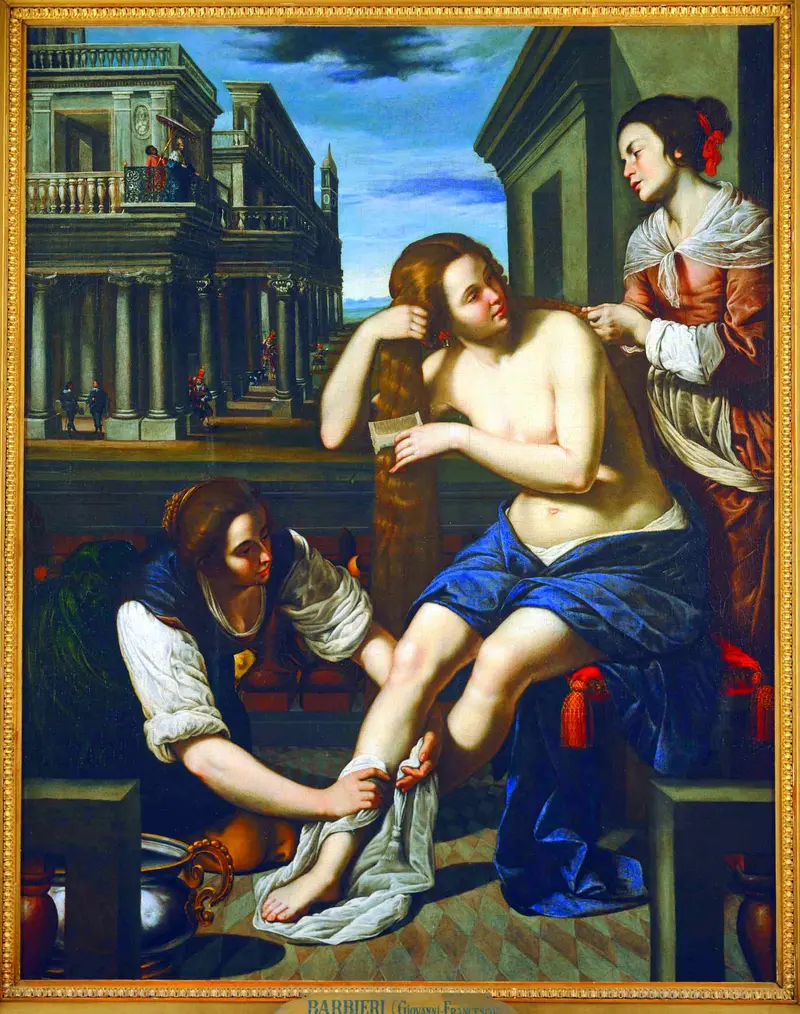
Bathsheba at Her Bath
Artemisia Gentileschi
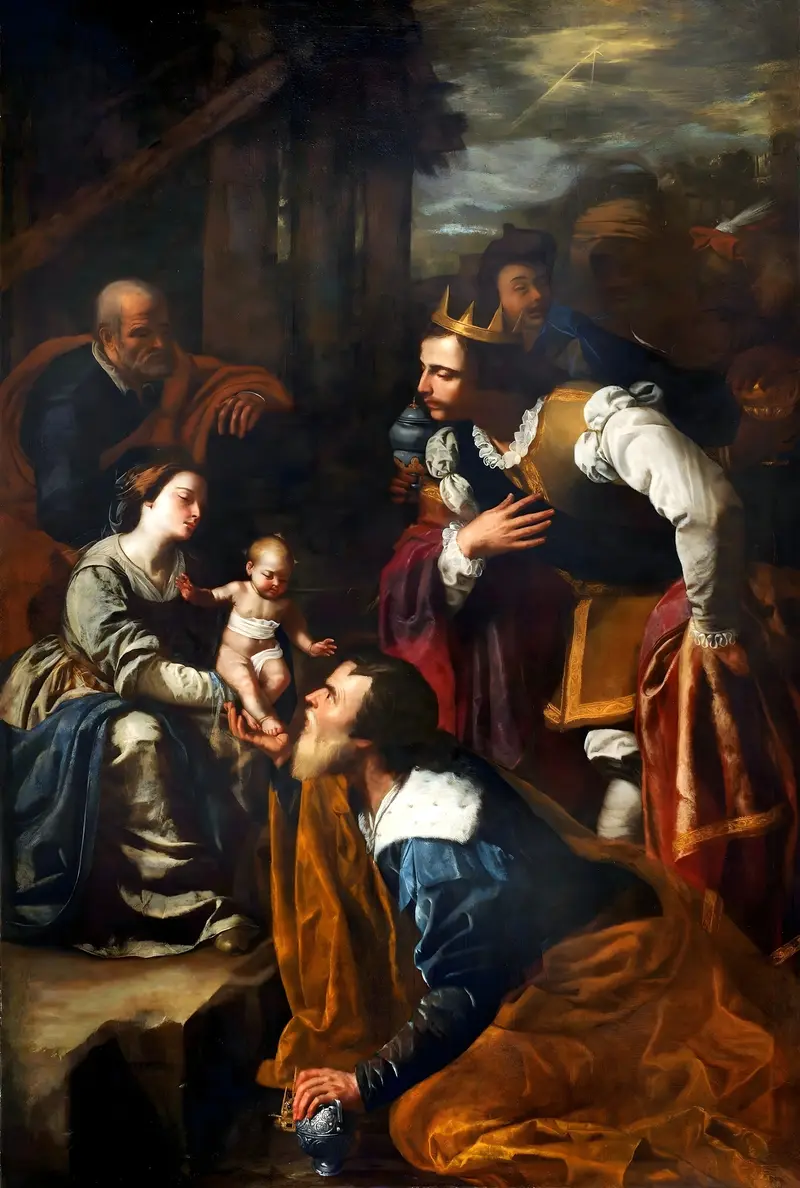
Adoration of the Magi
Artemisia Gentileschi
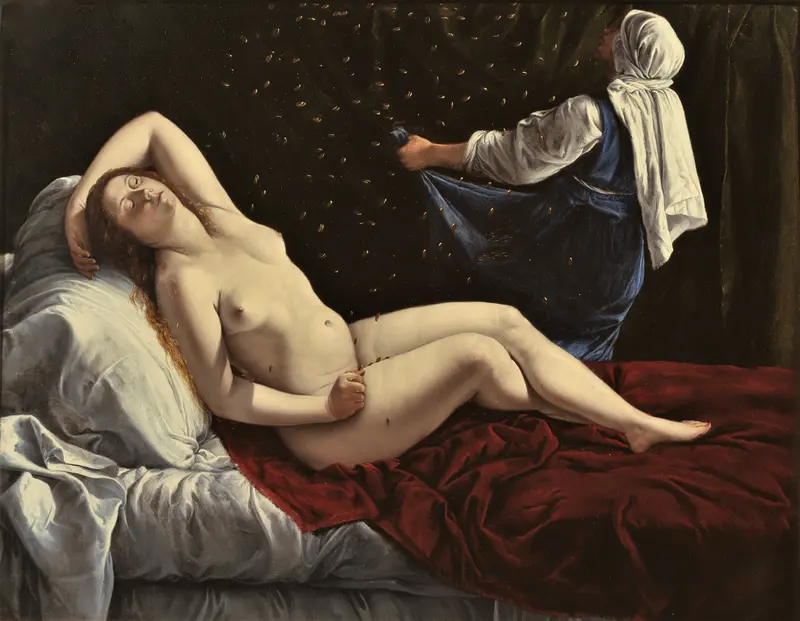
Danaë
Artemisia Gentileschi
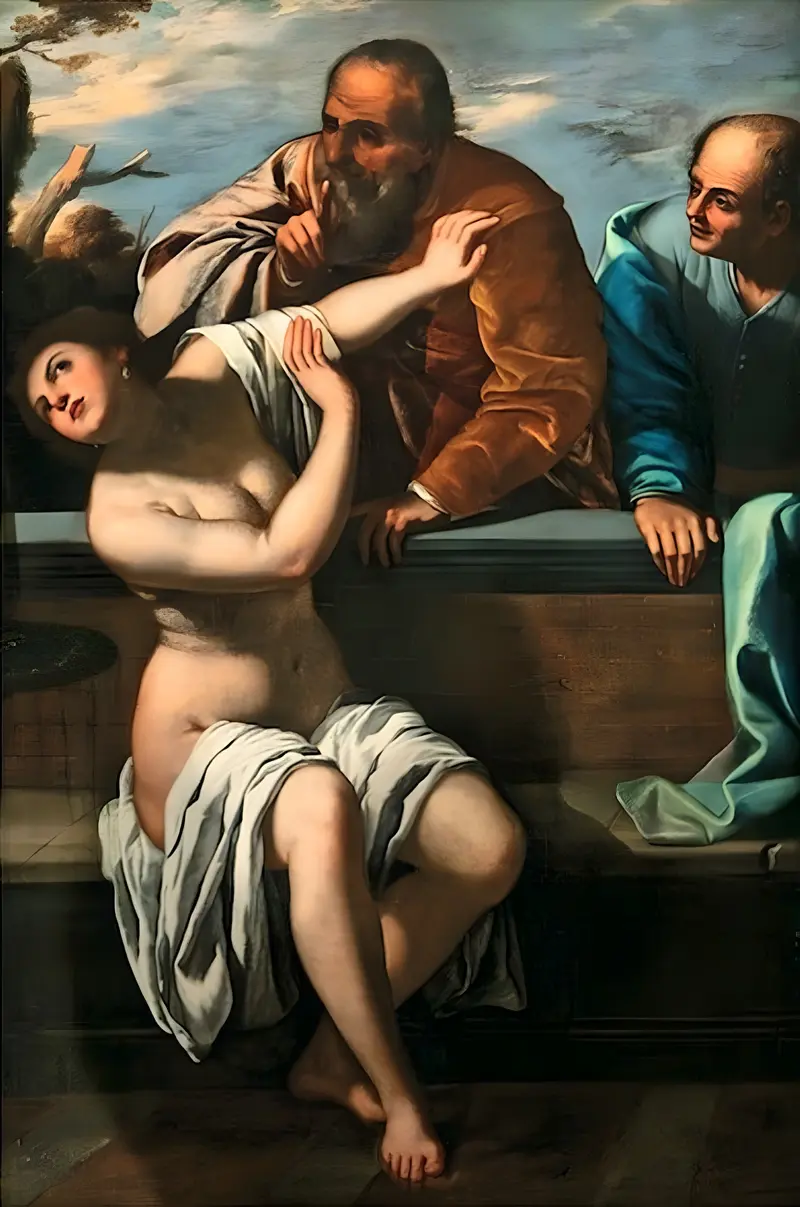
Susannah and the Elders
Artemisia Gentileschi

Judith and her Servant with the Head of Holofernes
Artemisia Gentileschi
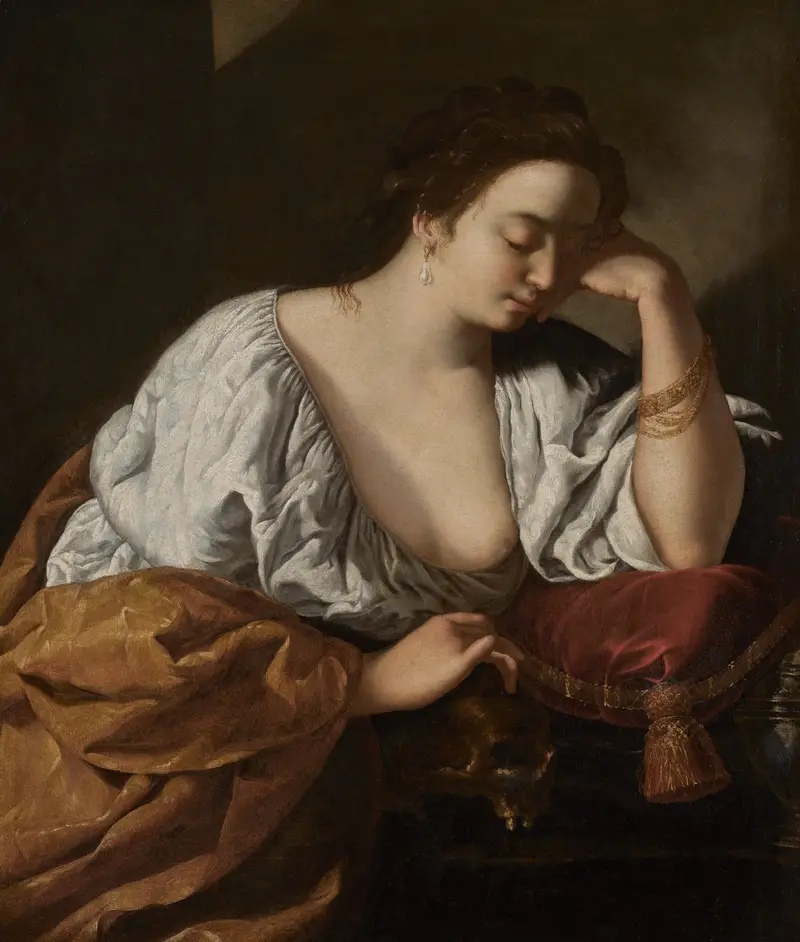
Madeleine pénitente, par
Artemisia Gentileschi
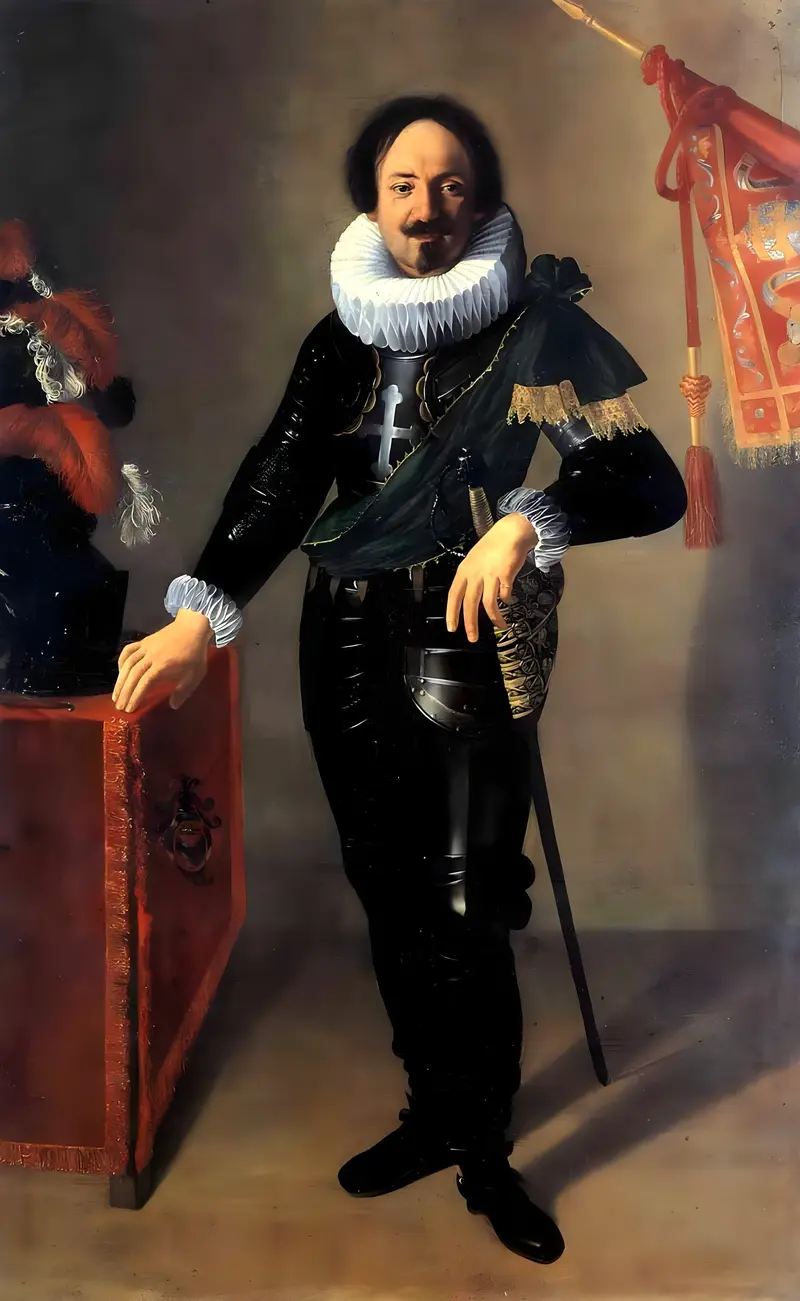
Portrait of a Gonfaloniere
Artemisia Gentileschi
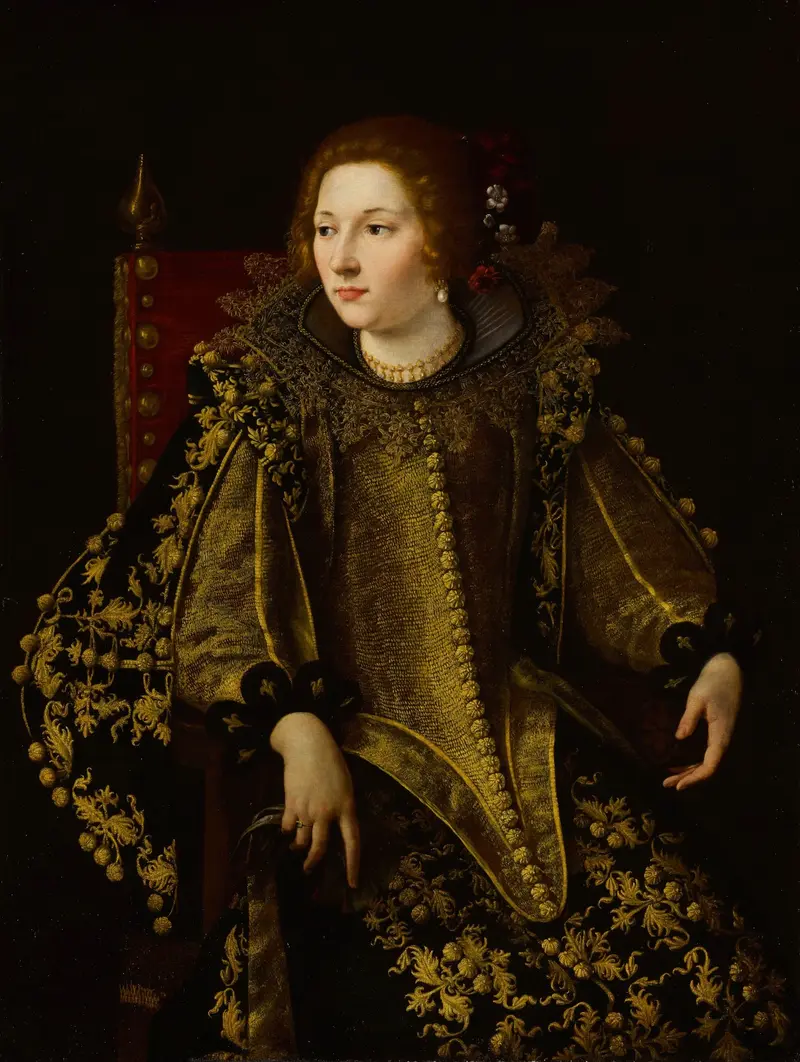
Portrait of a seated lady (senora Caterina Savelli?)
Artemisia Gentileschi





