
Portrait of a Gonfaloniere — History & Facts
No one knows the true identity of the sitter in Portrait of a Gonfaloniere, painted by Artemisia Gentileschi in 1622, but the title points to a powerful civic office: the gonfaloniere, the standard-bearer and often the chief magistrate in Italian city-states. The painting’s history is shrouded in mystery—unlike many of Gentileschi’s works, there is no surviving record of its commission or early ownership, and scholars still debate whether the sitter was a real official or an idealized figure. This uncertainty has only fueled fascination with the portrait, as it stands among the few known male portraits by Gentileschi, an artist renowned for her vivid depictions of women. The painting captures a man at the height of his authority, draped in a rich mantle and holding the staff of office, the gonfalone, just as he turns to meet the viewer’s gaze.
His steady, direct look suggests both vigilance and pride, while the subtle play of light across his face and garments highlights his status and the solemnity of his role. The composition is restrained, focusing on the sitter’s presence rather than on elaborate surroundings or narrative detail. Unlike Titian’s grand, psychologically probing portraits of Venetian doges, Gentileschi opts for a clarity and immediacy that brings the sitter’s character to the fore, emphasizing the dignity of public service. The journey of Portrait of a Gonfaloniere through history is largely undocumented, and its medium remains uncertain—oil on canvas is likely, but not confirmed.
The lack of early records has led to periods of obscurity and even doubts about its attribution, though most scholars today accept it as a genuine work by Artemisia Gentileschi from her Roman period. The painting is a rare example of her engagement with civic portraiture, as she is far better known for her biblical heroines and mythological scenes. Today, the painting stands as a testament to her versatility and her ability to convey authority and presence, regardless of the sitter’s gender or the specifics of their story.
More Artworks by Artemisia Gentileschi

Judith Beheading Holofernes
Artemisia Gentileschi
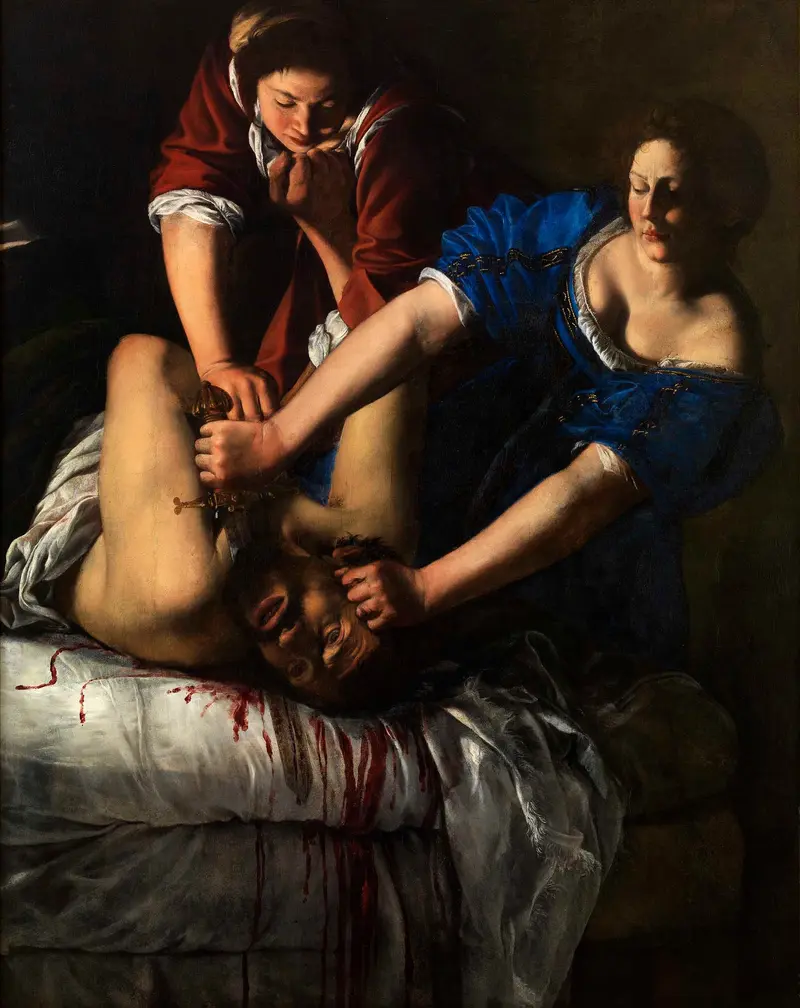
Judith Slaying Holofernes
Artemisia Gentileschi
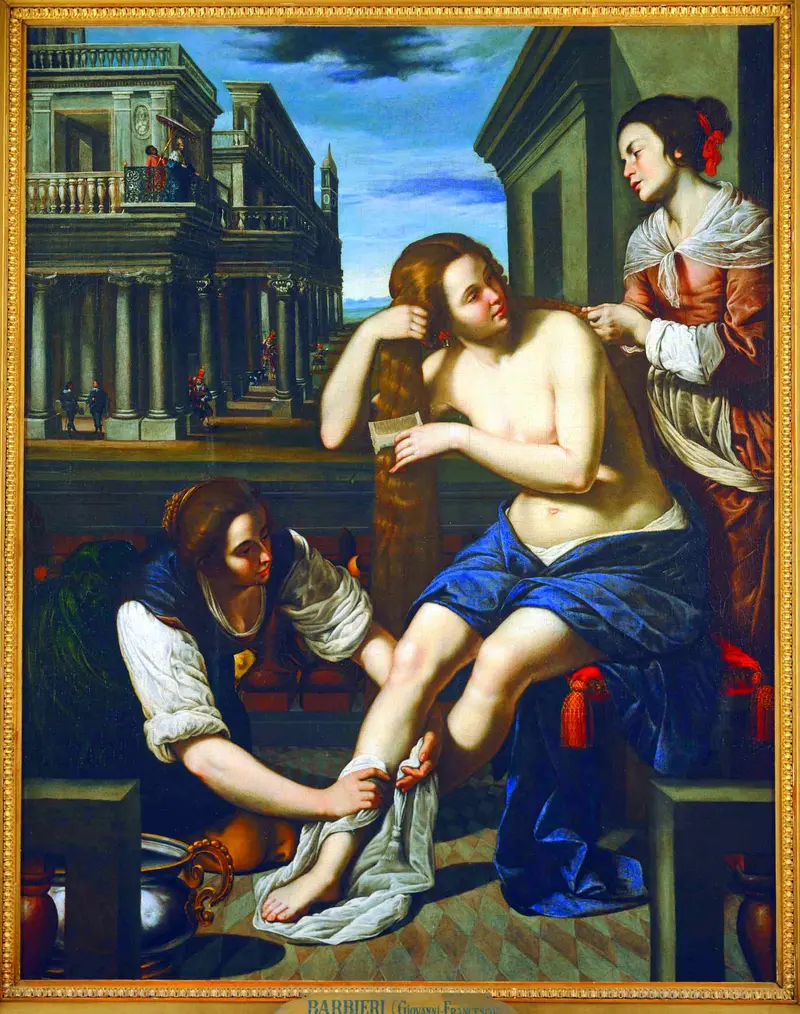
Bathsheba at Her Bath
Artemisia Gentileschi
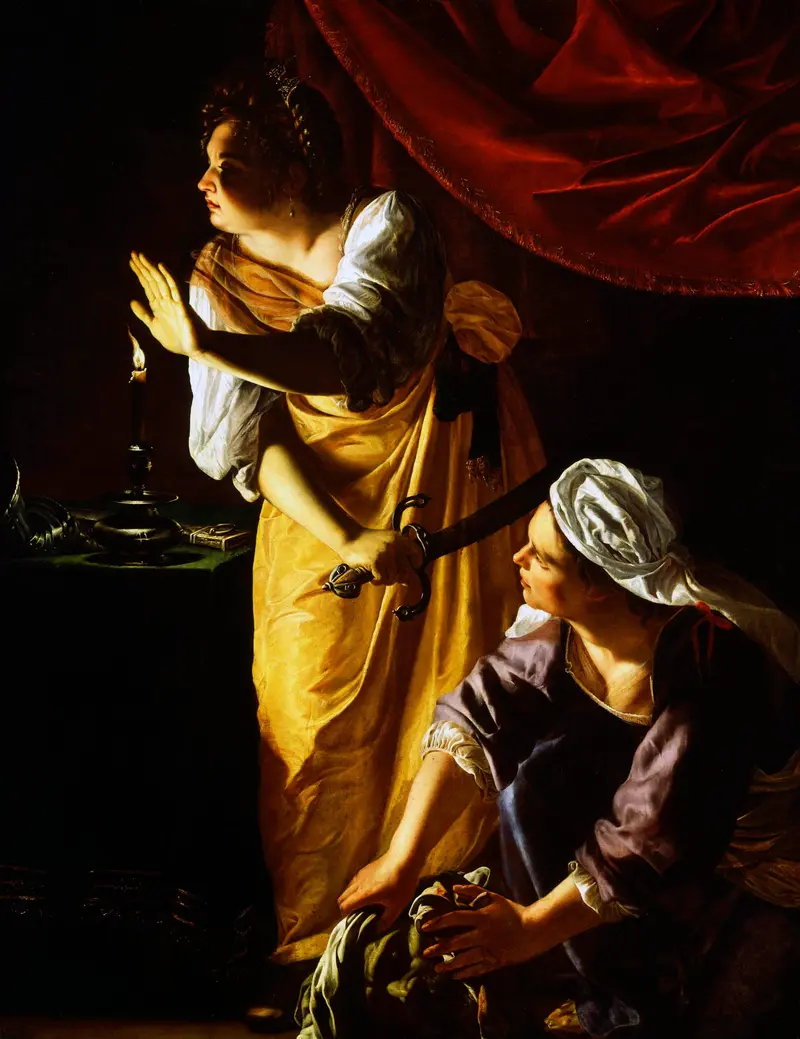
Judith and Maidservant with Head of Holofernes
Artemisia Gentileschi
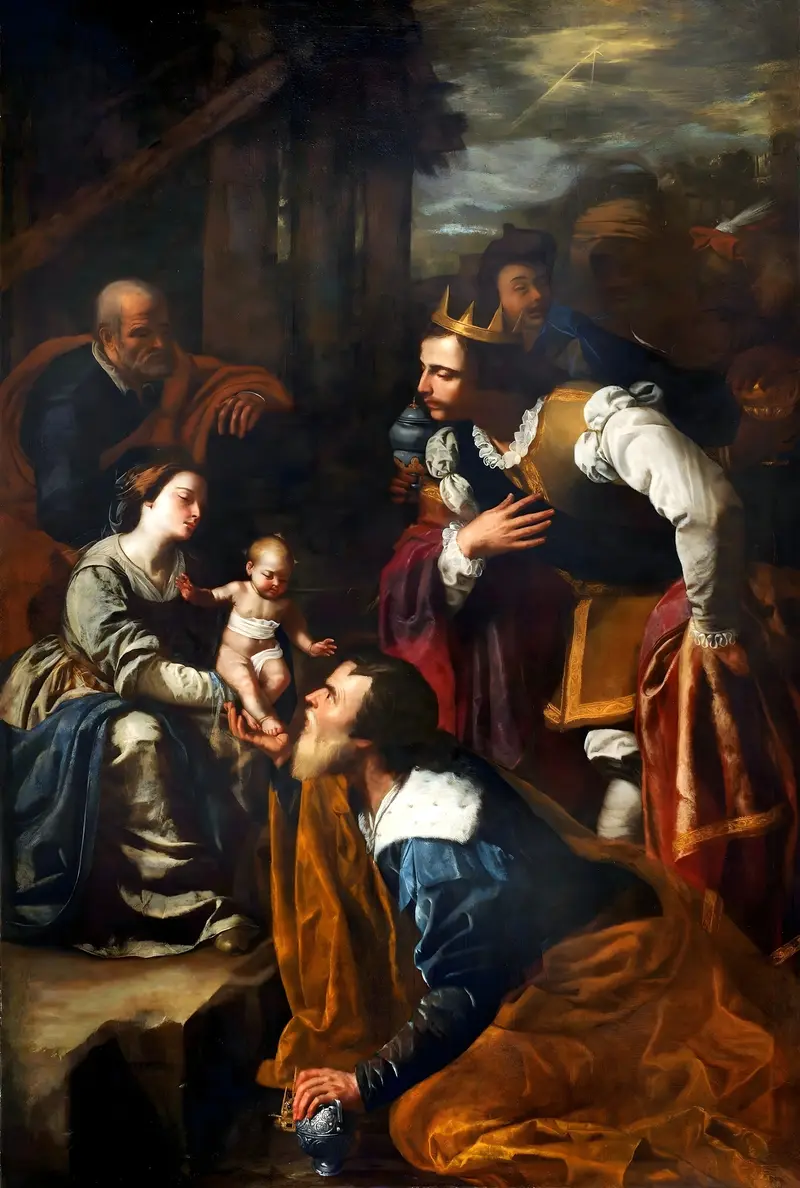
Adoration of the Magi
Artemisia Gentileschi
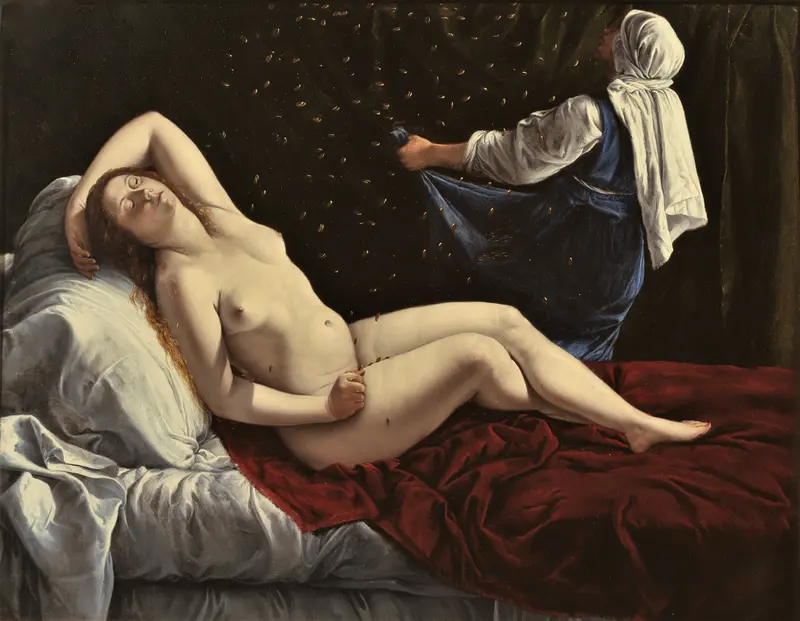
Danaë
Artemisia Gentileschi
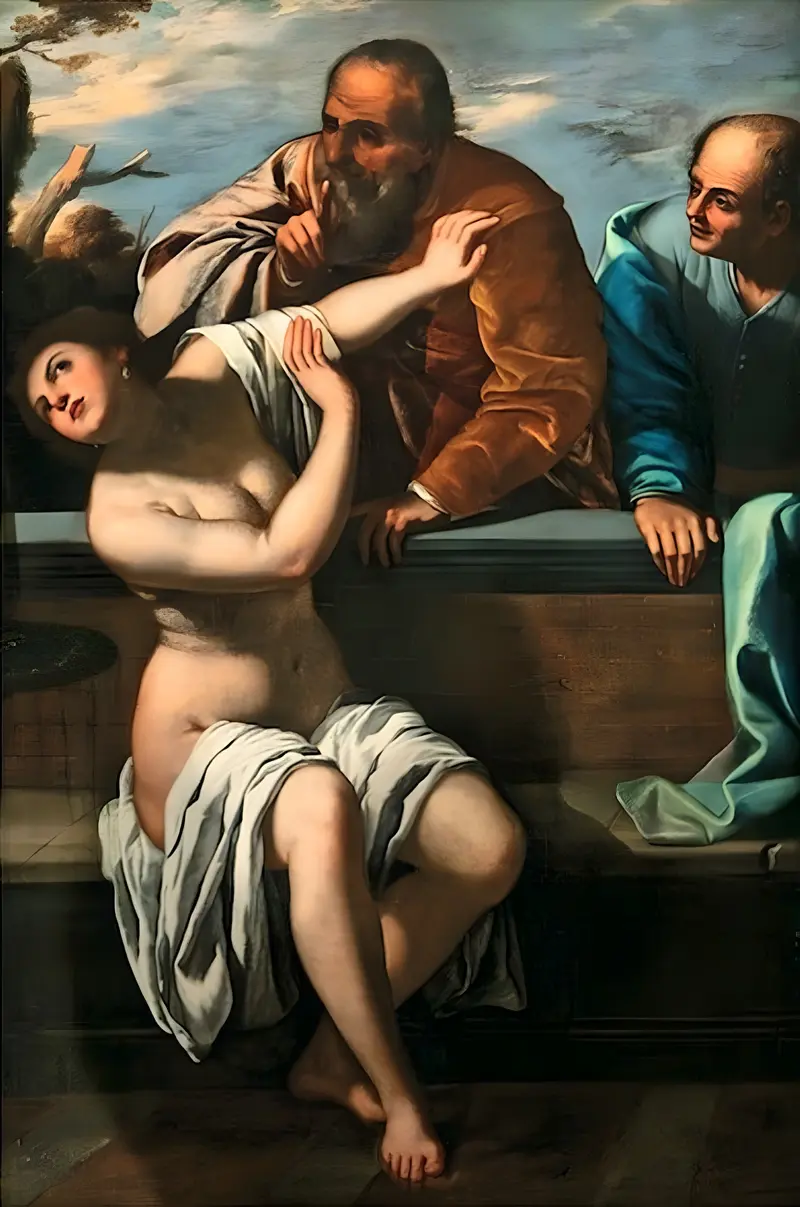
Susannah and the Elders
Artemisia Gentileschi

Judith and her Servant with the Head of Holofernes
Artemisia Gentileschi
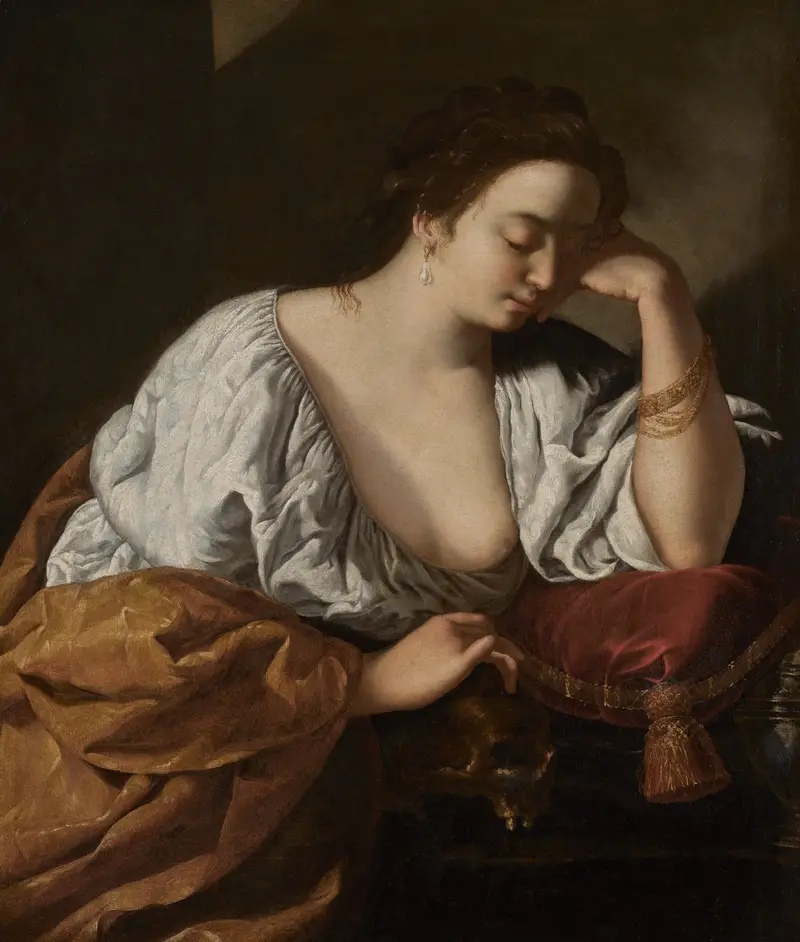
Madeleine pénitente, par
Artemisia Gentileschi
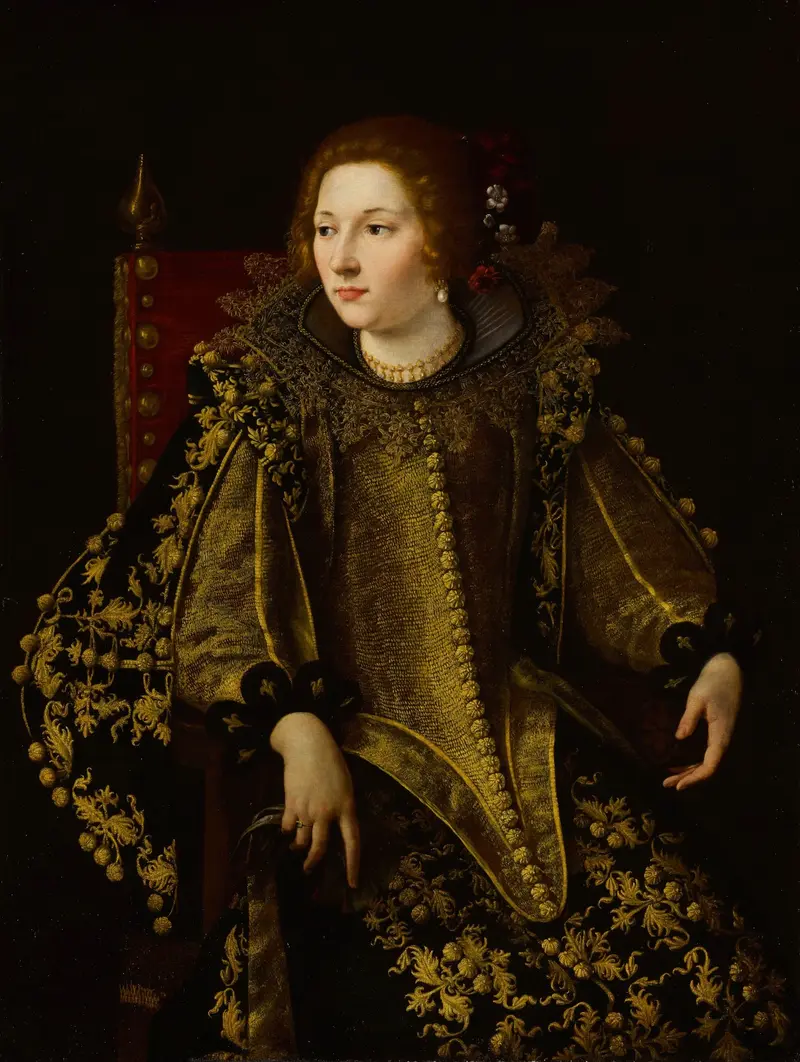
Portrait of a seated lady (senora Caterina Savelli?)
Artemisia Gentileschi





