
Danaë — History & Facts
A nude woman with long red hair reclines on a bed covered with white and deep red textiles, her body angled diagonally across the foreground. Her left arm is bent behind her head, eyes closed and face turned upwards, while her right hand is clenched at her side, drawing attention to the tension in her posture. The light falls strongly from the left, illuminating the pale flesh of her body and picking out the folds and sheen of the white pillow and sheets beneath her.
A cascade of small golden coins streams from the upper right, descending toward the woman's bare form and the bed below. Behind her, a servant stands in partial shadow, dressed in a blue garment and white headscarf, her back turned as she gathers the falling gold into her lifted apron. The servant's arms are outstretched, her head tilted up to watch the coins, and the blue and white of her clothing contrasts with the rich, dark drapery that forms the backdrop.
The composition divides the scene between the intimate, vulnerable figure of Danaë in the foreground and the active, practical presence of the servant in the background. The textures are rendered with precision, from the crisp creases of the linen to the soft, almost glowing skin and the glinting metallic dots of gold. The mythological subject is Danaë, shown at the moment when Zeus, transformed into a shower of gold, descends upon her as told in Ovid's Metamorphoses. According to the museum, the pose and design are based on Gentileschi's earlier depiction of Cleopatra, and the painting is executed on copper, a support rarely used by the artist.
A cleaning in 1986 restored the vibrant colors of the servant’s blue dress, revealing the original intensity of the palette. The first documented appearance of the work was at a Sotheby’s sale in Monaco in 1986, where it was attributed to Orazio Gentileschi before being acquired by the Saint Louis Art Museum. Scholars have debated the meaning of Danaë’s posture, noting both the open invitation of her pose and the defensive gesture of her clenched fist and closed legs.
The naturalistic rendering of the female form and the sensitive portrayal of distress are cited as reasons for attributing the work to Artemisia Gentileschi.
Sources: Saint Louis Art Museum, record 93:1986 · Wikidata Q3701418 · Wikipedia: Danaë (Artemisia Gentileschi) · Image source (Wikimedia Commons)
More Artworks by Artemisia Gentileschi

Judith Beheading Holofernes
Artemisia Gentileschi
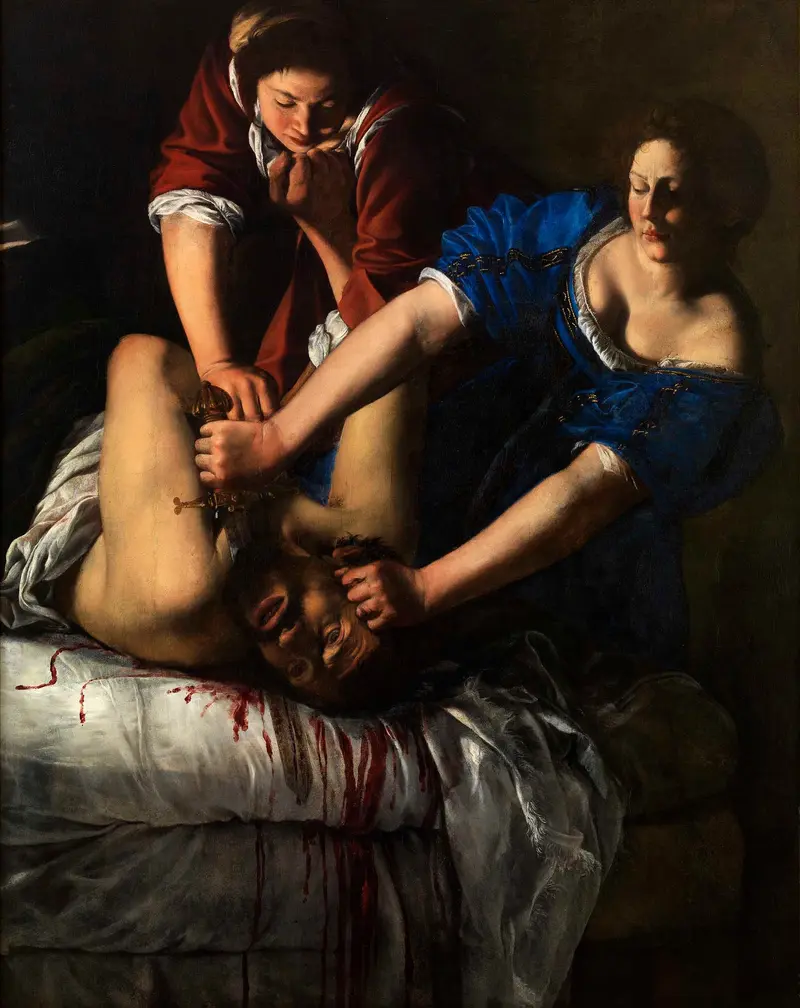
Judith Slaying Holofernes
Artemisia Gentileschi
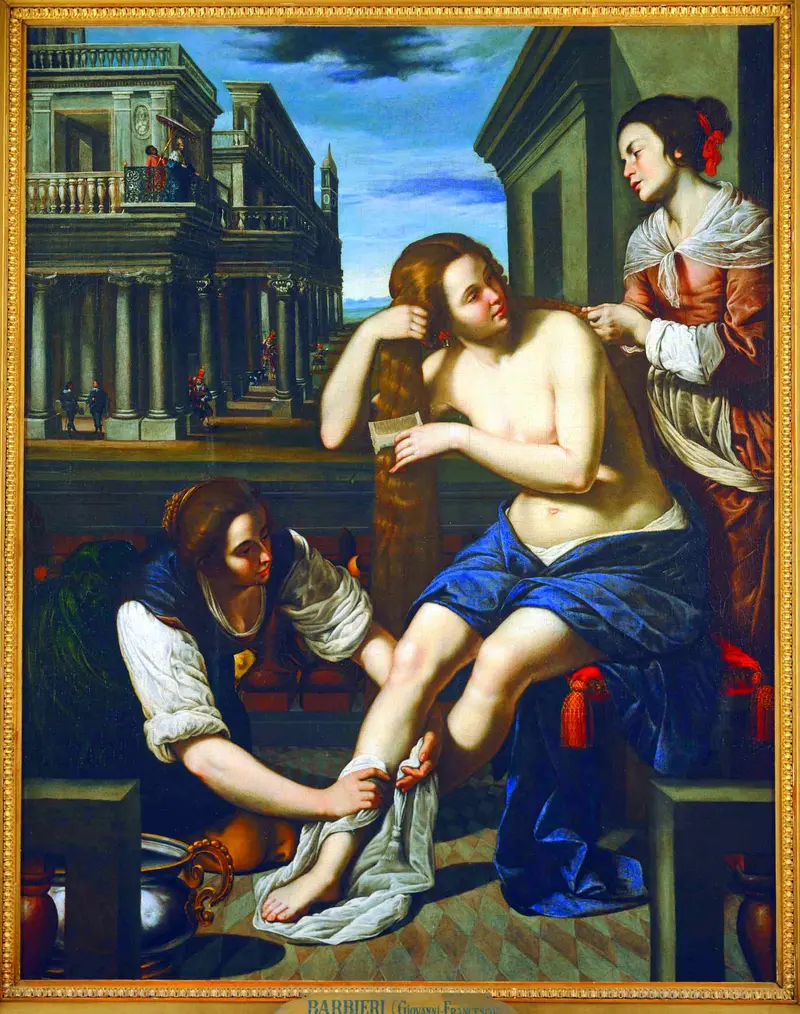
Bathsheba at Her Bath
Artemisia Gentileschi
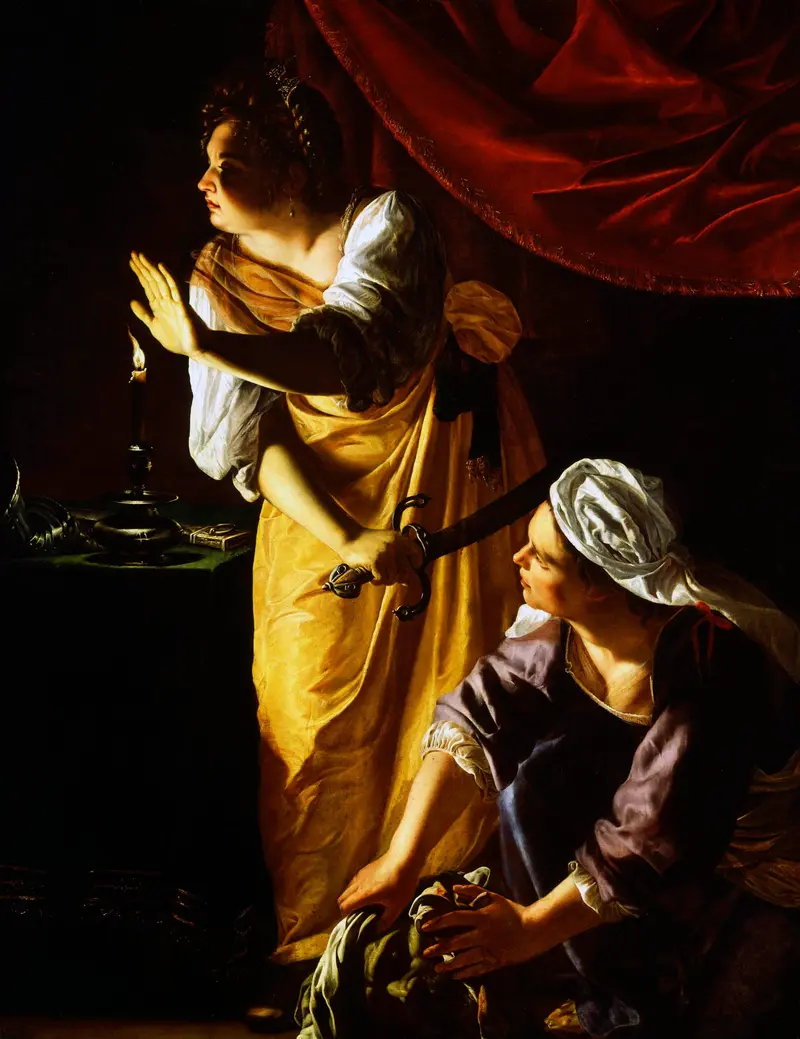
Judith and Maidservant with Head of Holofernes
Artemisia Gentileschi

Adoration of the Magi
Artemisia Gentileschi
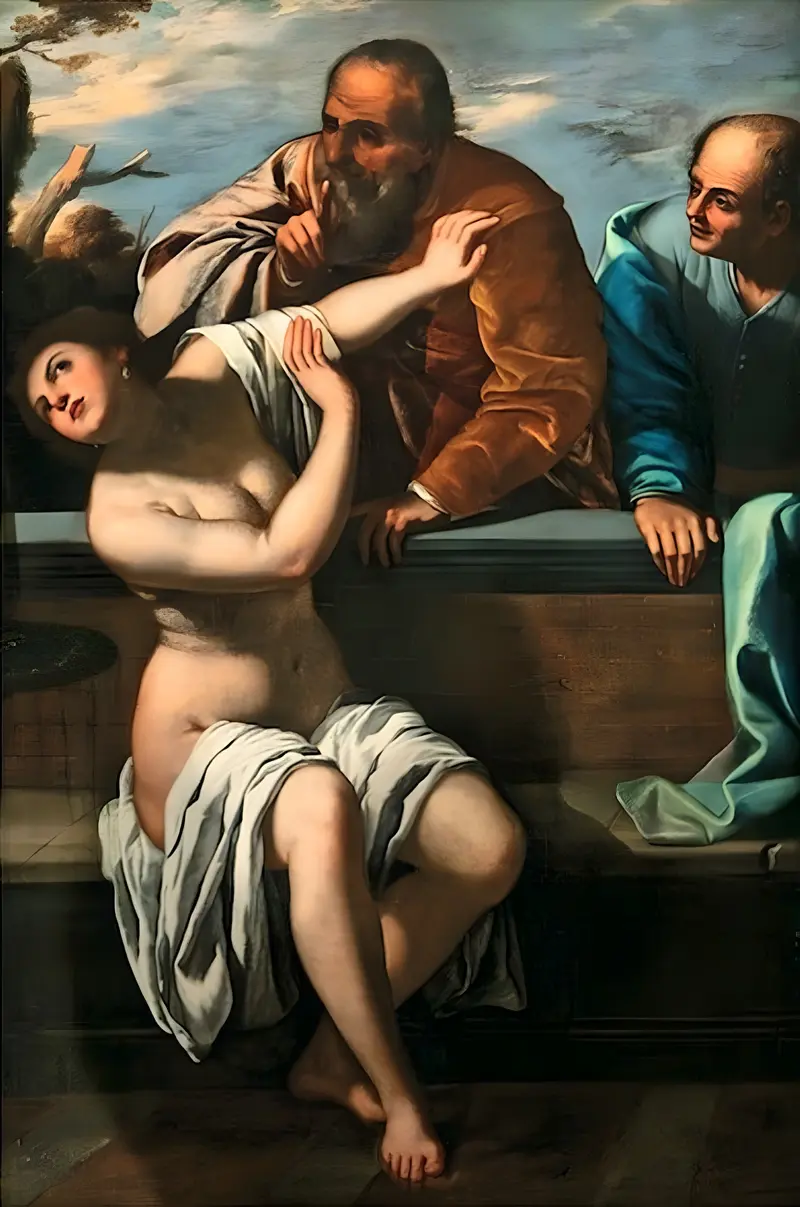
Susannah and the Elders
Artemisia Gentileschi

Judith and her Servant with the Head of Holofernes
Artemisia Gentileschi
Madeleine pénitente, par
Artemisia Gentileschi

Portrait of a Gonfaloniere
Artemisia Gentileschi
Portrait of a seated lady (senora Caterina Savelli?)
Artemisia Gentileschi





