
Madeleine pénitente, par — History & Facts
What draws the eye first is not penitence, but the hush of private thought: the figure’s head bowed, eyes closed, her hand cradling her brow as if weighed by memory or regret. The light falls softly across her pale skin and the voluminous folds of her white blouse, pooling on the exposed shoulder and breast, then slipping away into shadow. Her other hand rests gently on a skull, the classic memento mori, which anchors the painting in the tradition of repentance and contemplation.
The deep red of the cushion and the warm brown of her drapery offer a quiet richness, while the gold jewelry—earring, bracelets—hint at a life of former splendor now turned inward. There is nothing theatrical here; instead, the mood is one of stillness and intimacy, as if the viewer has stumbled upon a moment of genuine self-examination. Painted between circa 1625 and 1630, this Penitent Magdalene belongs to a world where images of saints and sinners alike were called upon to stir the soul and instruct the faithful. Such works were prized by private collectors and religious patrons alike, eager for pictures that could both adorn and admonish.
In the hands of Artemisia Gentileschi, one of the few women to carve a name for herself in the Baroque era, Magdalene’s story becomes less about spectacle and more about the quiet labor of remorse. History has kept few traces of this particular canvas, but its survival in a modern collection invites us to look again at the Magdalene—not as a distant saint, but as a woman caught in the act of remembering, her sorrow rendered in flesh and fabric.
More Artworks by Artemisia Gentileschi

Judith Beheading Holofernes
Artemisia Gentileschi
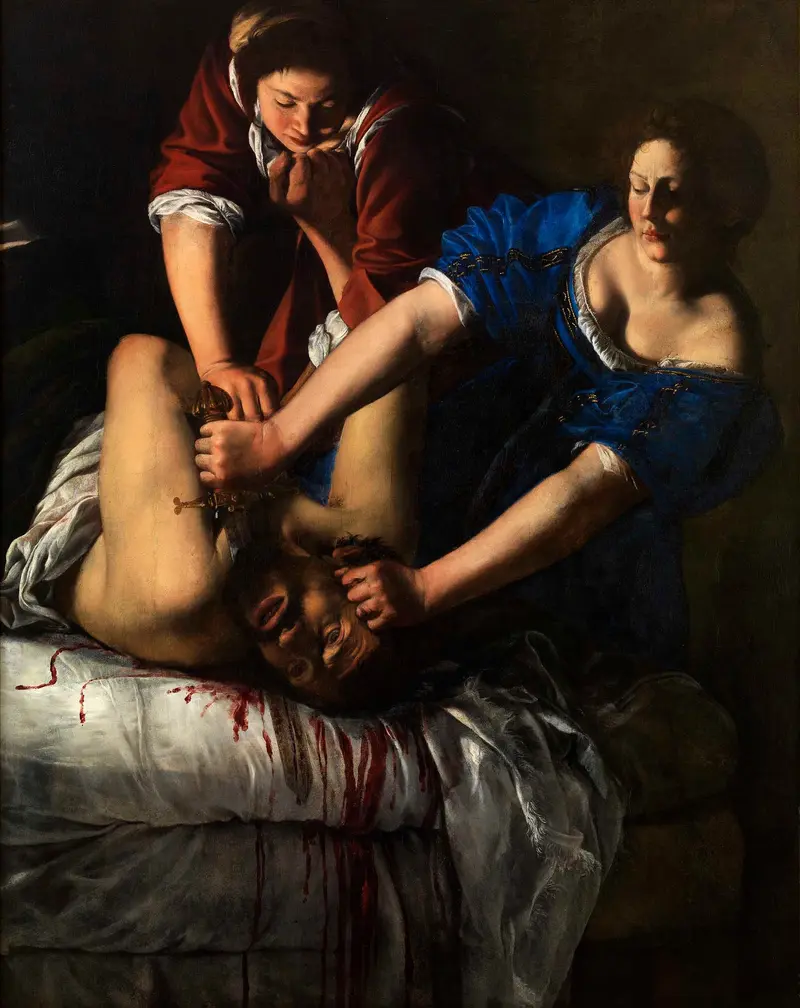
Judith Slaying Holofernes
Artemisia Gentileschi
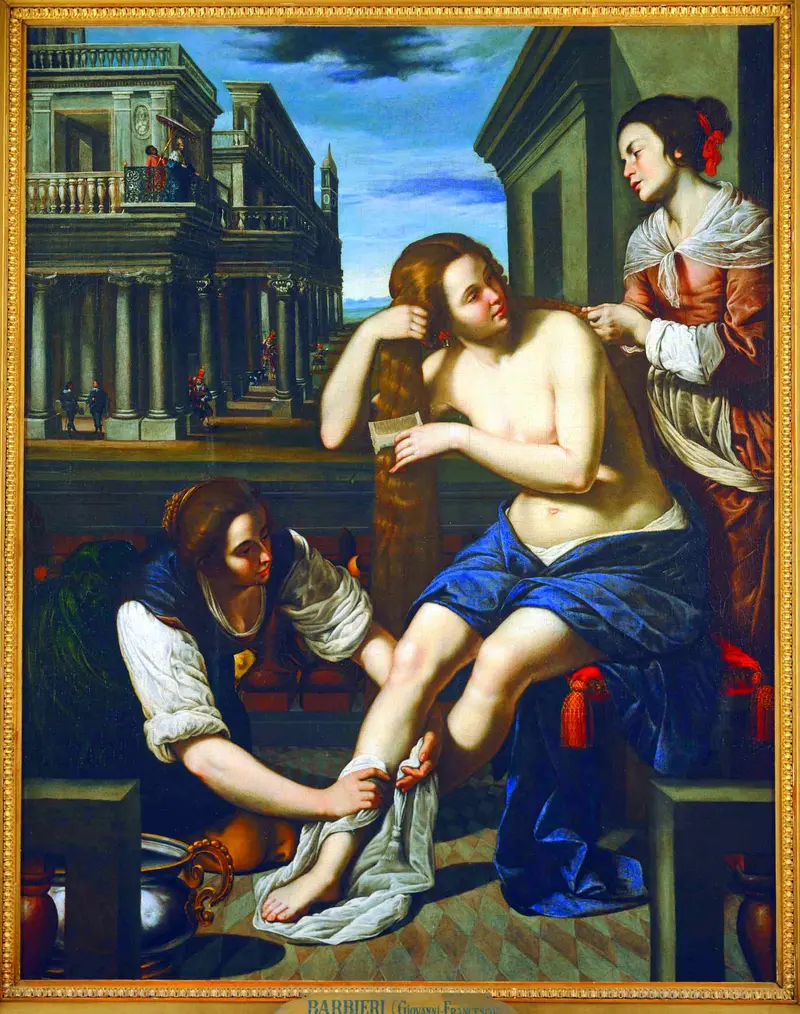
Bathsheba at Her Bath
Artemisia Gentileschi
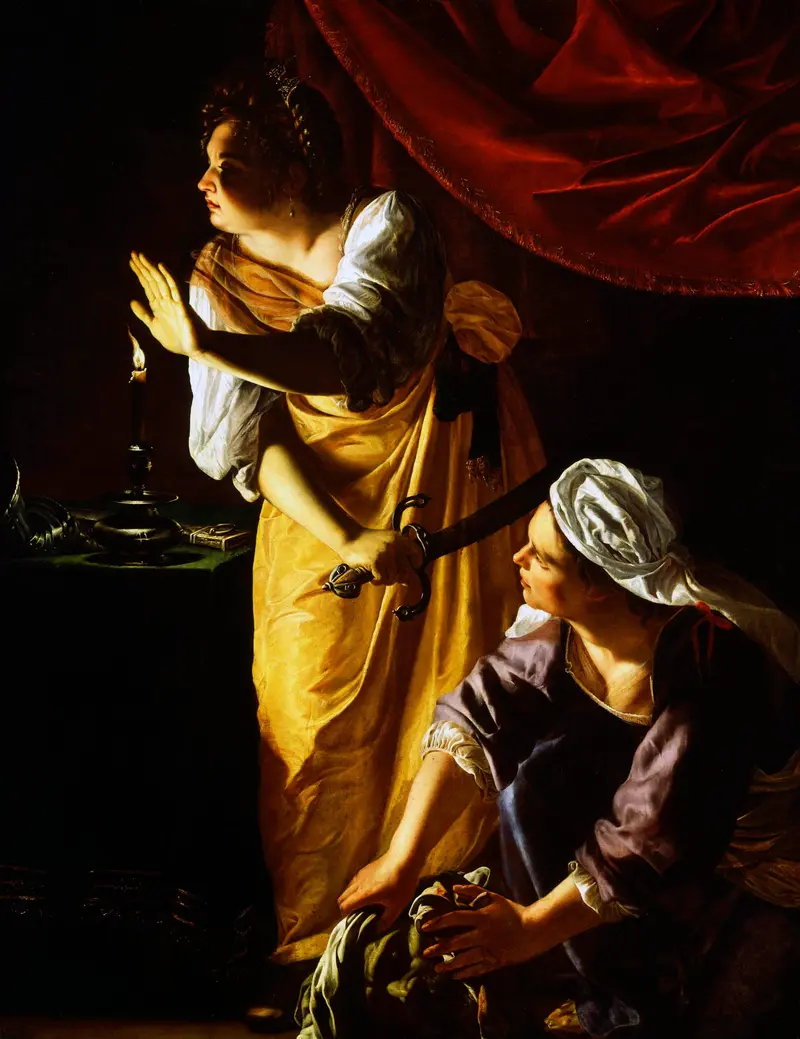
Judith and Maidservant with Head of Holofernes
Artemisia Gentileschi
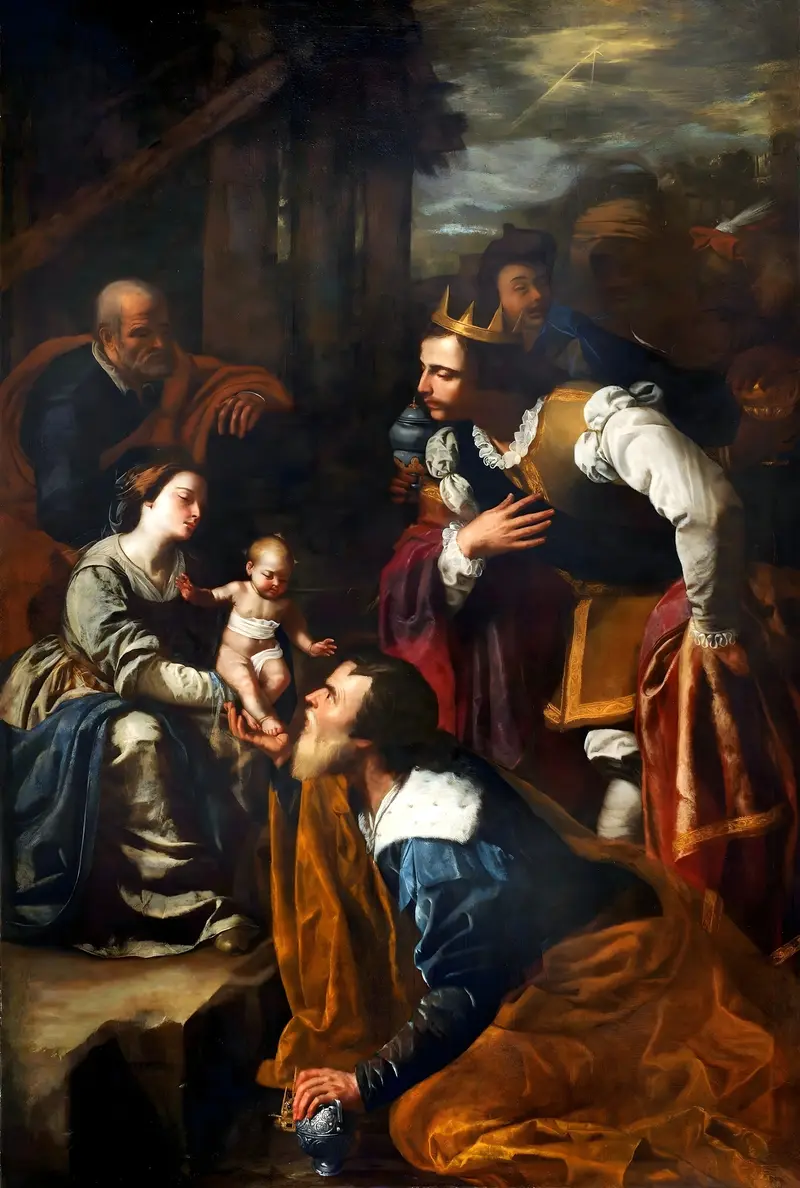
Adoration of the Magi
Artemisia Gentileschi
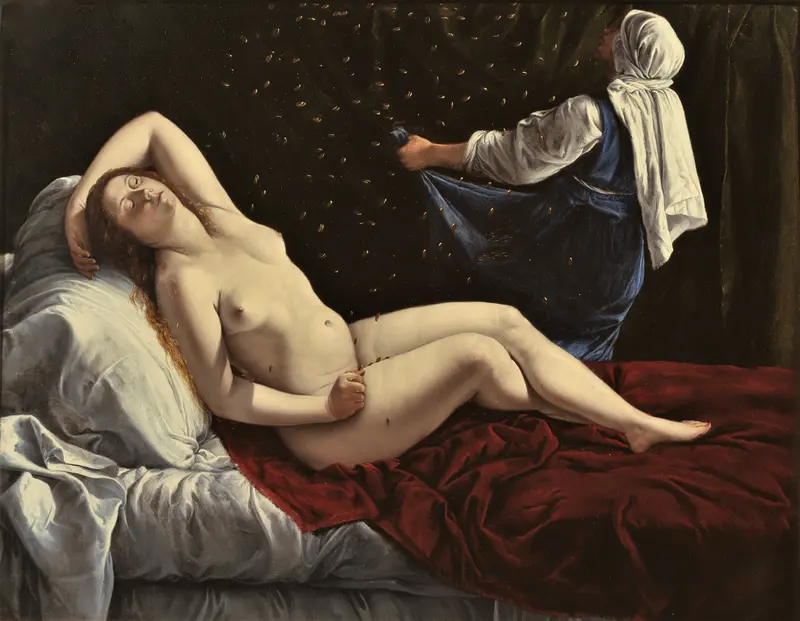
Danaë
Artemisia Gentileschi
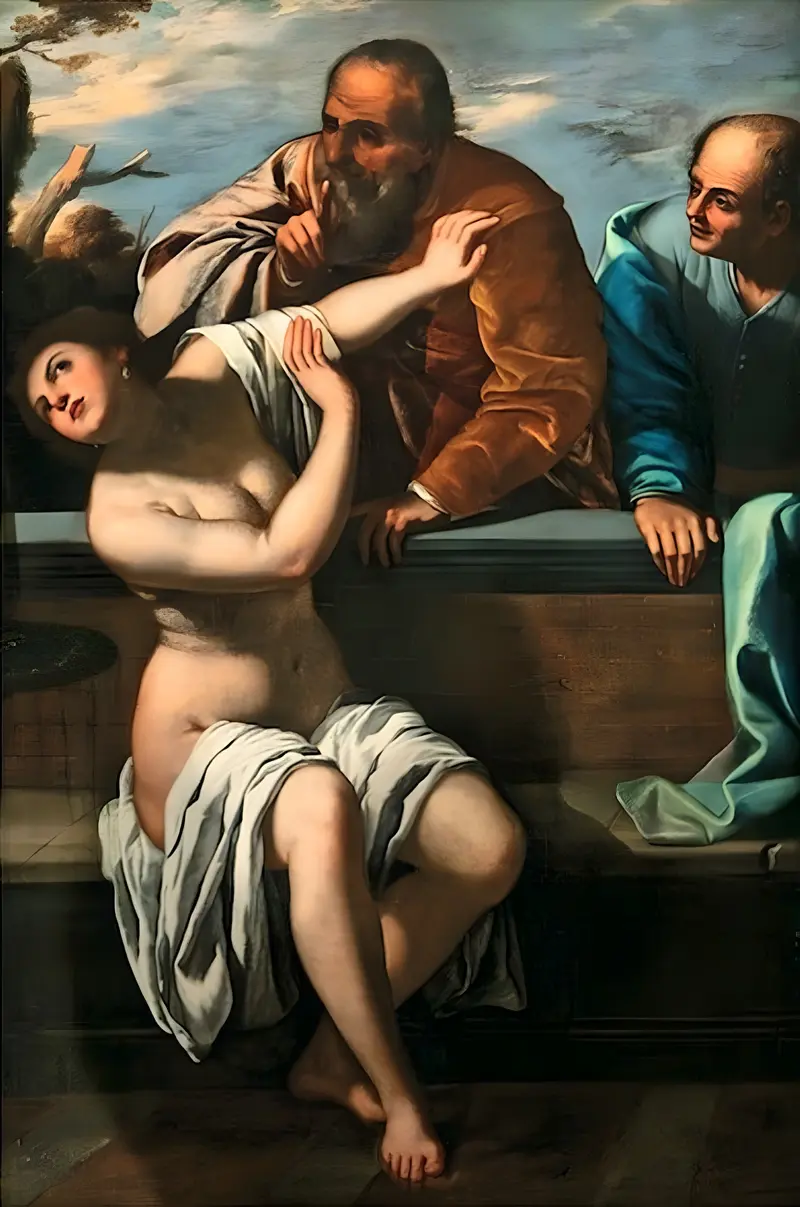
Susannah and the Elders
Artemisia Gentileschi

Judith and her Servant with the Head of Holofernes
Artemisia Gentileschi
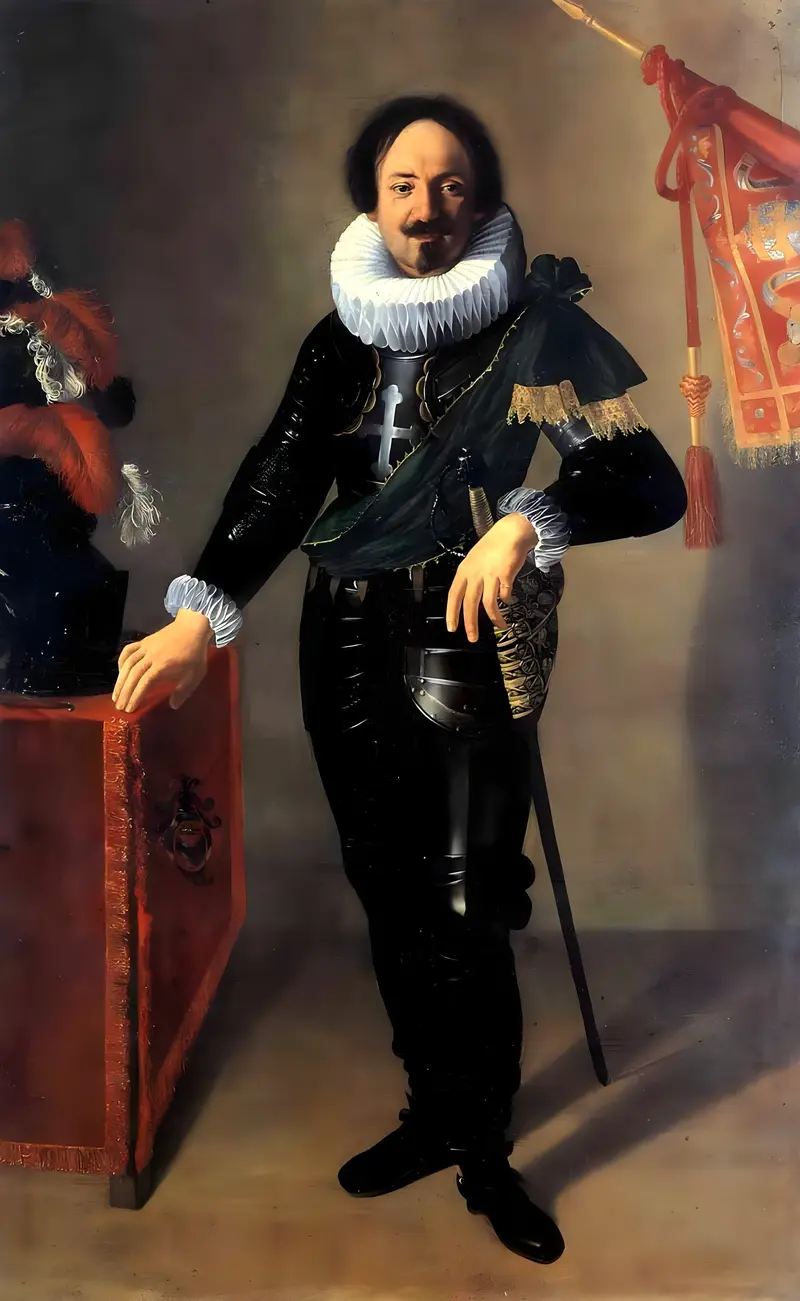
Portrait of a Gonfaloniere
Artemisia Gentileschi
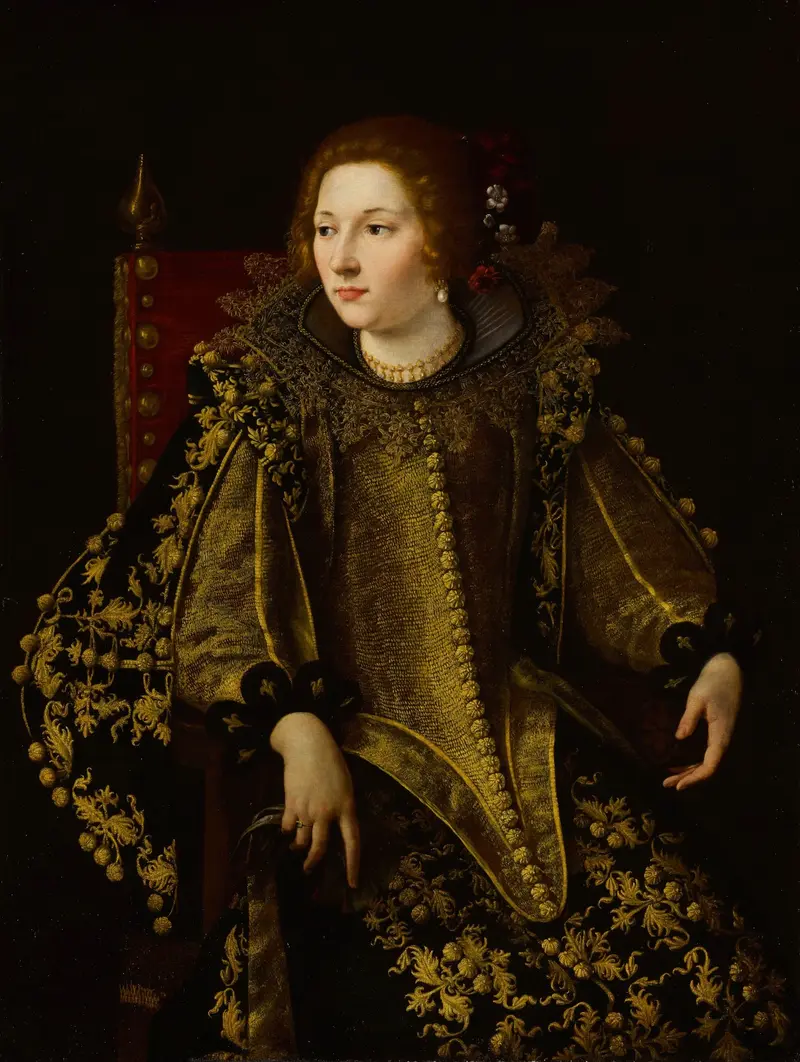
Portrait of a seated lady (senora Caterina Savelli?)
Artemisia Gentileschi





