
Battersea Dawn (Cadogan Pier) — History & Facts
Who listens when art speaks of silence? In the stillness of Battersea Dawn, innocence emerges from the quiet hues of dawn, inviting contemplation and introspection. Look to the gentle, sweeping strokes that define the horizon, where the pale blue sky meets the tranquil water. The delicate interplay of colors, from soft lavenders to muted grays, evokes a feeling of calm as the light slowly breaks. Notice how the composition draws your eye to the distant silhouettes of boats, their forms barely discernible, as if they are whispering secrets to the surrounding mist.
Every brushstroke feels intentional, layering depth and atmosphere over the canvas, creating a serene yet electric tension. Hidden within this tranquil scene lies the juxtaposition of innocence and mystery. The water reflects the awakening sky, embodying the potential of a new day, yet the indistinct shapes lurking in the fog hint at something unseen. This tension creates a compelling emotional landscape, where the viewer contemplates both the beauty of the moment and the uncertainty that lies ahead.
The stillness is palpable, making one wonder what stories lie beyond the veil of dawn's light. In 1863, Whistler painted this work during a time of personal transition, living in London amidst a burgeoning art scene influenced by Impressionism and tonalism. As he navigated his artistic identity, the world around him was evolving, marked by industrialization and social change. This piece reflects both his individuality and the broader shifts in art, capturing a moment that resonates with innocence and the promise of new beginnings.
More Artworks by James Abbott McNeill Whistler
Browse all →
Nocturne in Blue and Silver
James Abbott McNeill Whistler
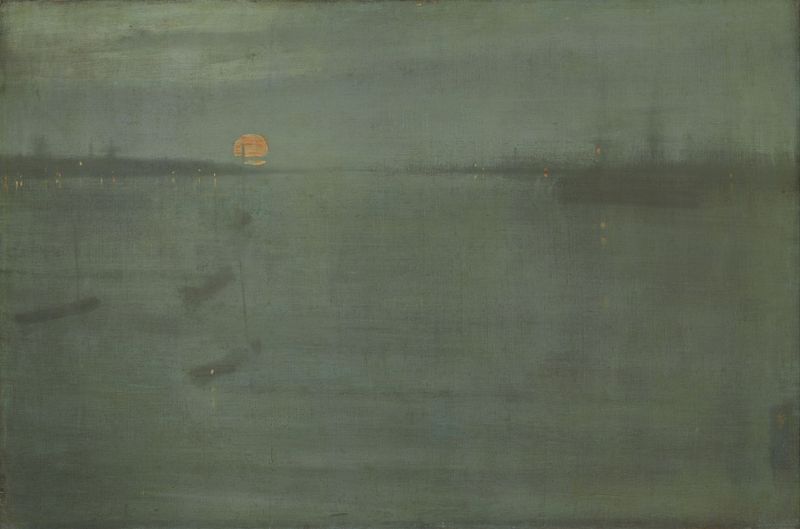
Nocturne: Blue and Gold–Southampton Water
James Abbott McNeill Whistler
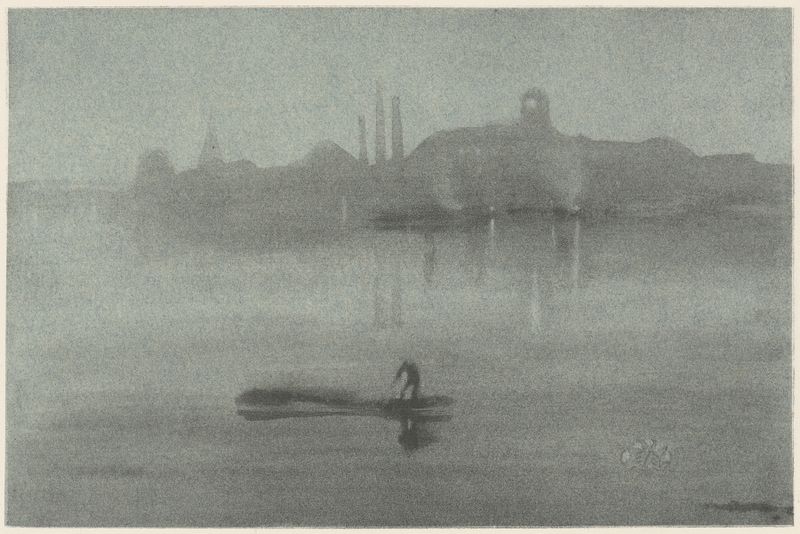
Nocturne
James Abbott McNeill Whistler
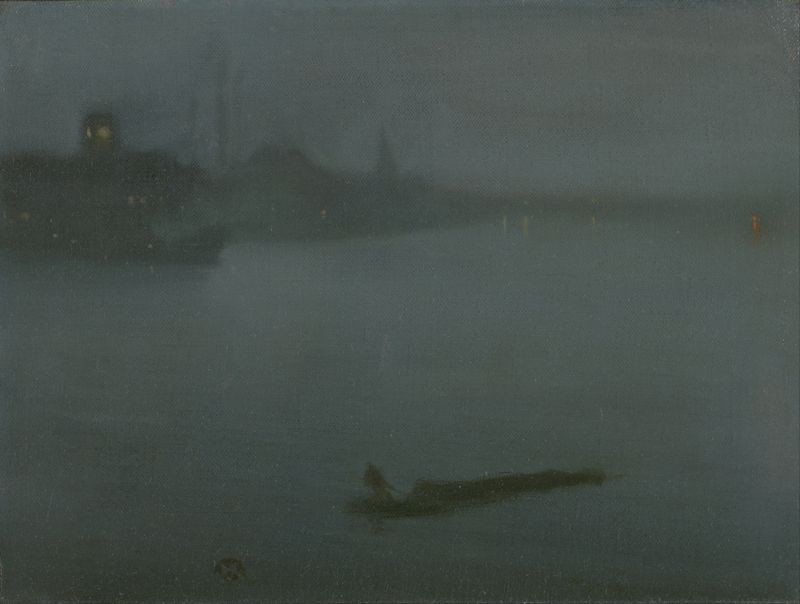
Nocturne in Blue and Silver
James Abbott McNeill Whistler
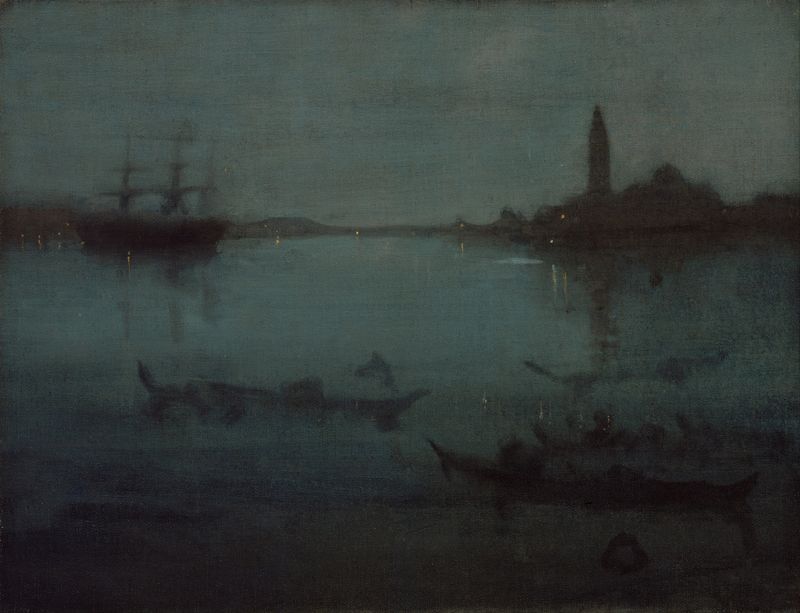
Nocturne in Blue and Silver- The Lagoon, Venice
James Abbott McNeill Whistler
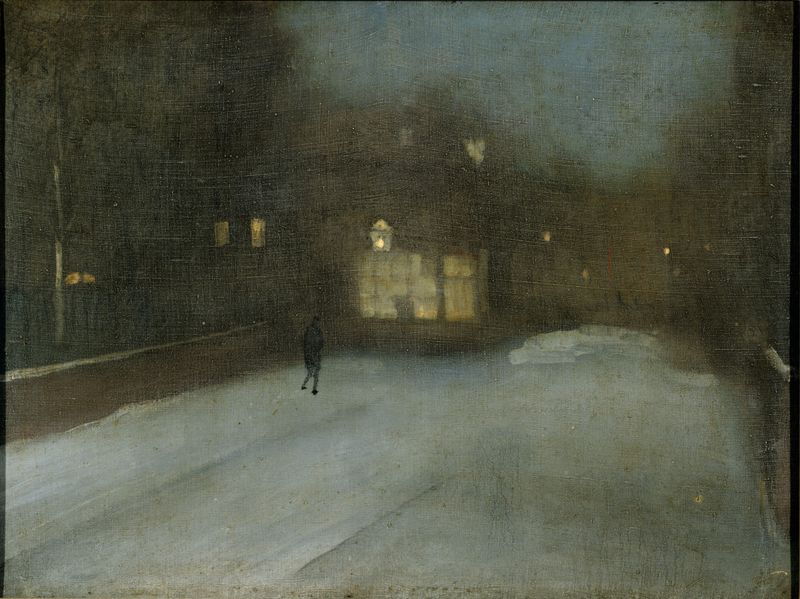
Nocturne in Grey and Gold: Chelsea Snow
James Abbott McNeill Whistler
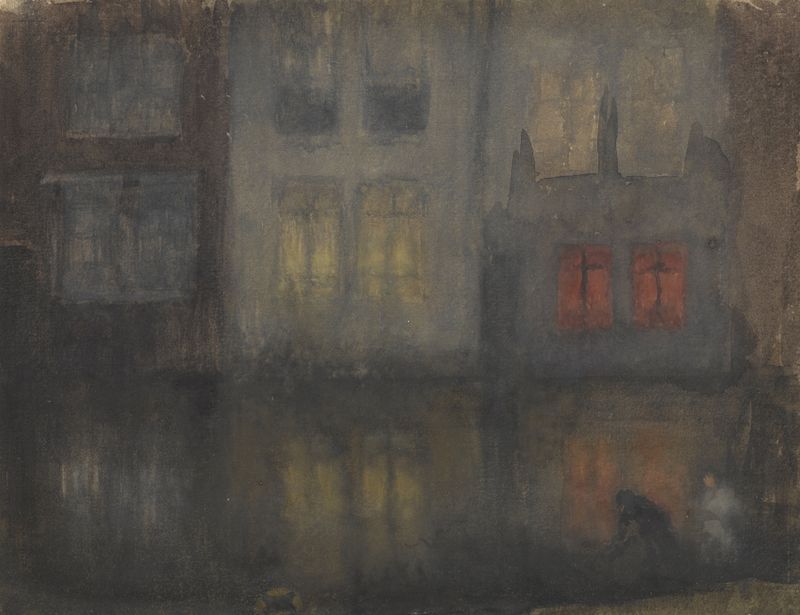
Nocturne: Black and Red—Back Canal, Holland
James Abbott McNeill Whistler
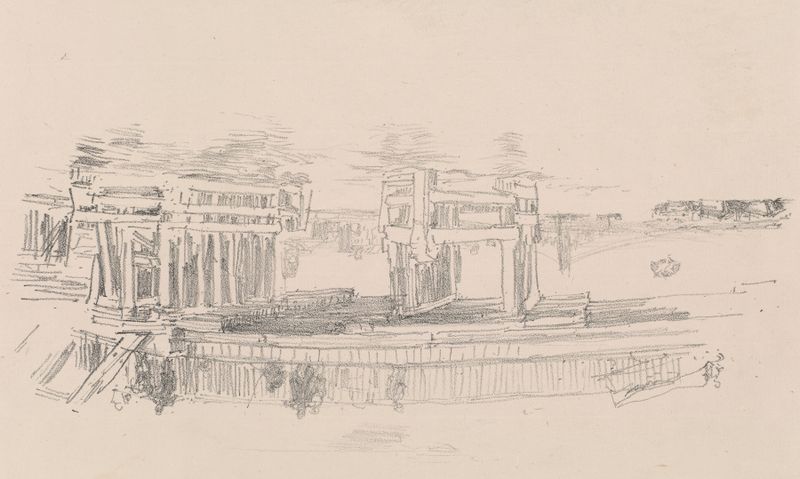
Old Battersea Bridge
James Abbott McNeill Whistler

Nocturne: Blue and Silver–Battersea Reach
James Abbott McNeill Whistler
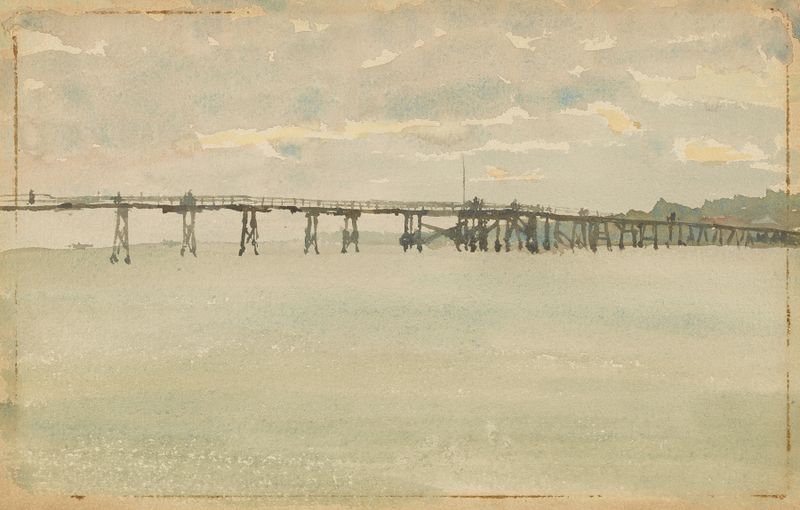
Grey and Silver–Pier, Southend
James Abbott McNeill Whistler





