
Battersea Reach — History & Facts
What secret hides in the quiet of the canvas? In the stillness of Battersea Reach, unspoken tensions loom, reminiscent of betrayal lurking just out of sight. Look to the left at the silvery waters, gently rippling under the muted light of dawn, reflecting shades of gray and blue that bleed into one another. The central silhouette of the bridge commands attention, its arching form gracefully harmonizing with the horizon. Notice how the delicate brushwork captures the essence of the fog that clings to the air, evoking a sense of both calm and melancholy.
Each stroke seems deliberate, embodying a fleeting moment where nature and man-made structures coexist, yet are separated by a soft veil of uncertainty. Deeper insights emerge in the contrast between the serene water and the looming figures of the bridge. Here lies a paradox: the tranquility of the scene suggests peace, yet one cannot shake the feeling of something unresolved beneath the surface. The muted palette evokes a somber mood, hinting at lost connections or hidden narratives between those who traverse the landscape.
The ethereal quality invites contemplation of personal history — perhaps a metaphor for emotional rifts that fracture relationships, much like the river that divides the land. In the early 1860s, during his time in London, the artist was immersed in exploring the interplay of light and atmosphere, reflecting the evolving trends of the art world. Whistler's focus on color harmony and tonal effects marked a departure from the detailed realism of his predecessors. As he painted Battersea Reach, he was also navigating his own complex social relationships and the changing dynamics of the art community, all while laying the groundwork for his future innovations.
More Artworks by James Abbott McNeill Whistler
Browse all →
Nocturne in Blue and Silver
James Abbott McNeill Whistler
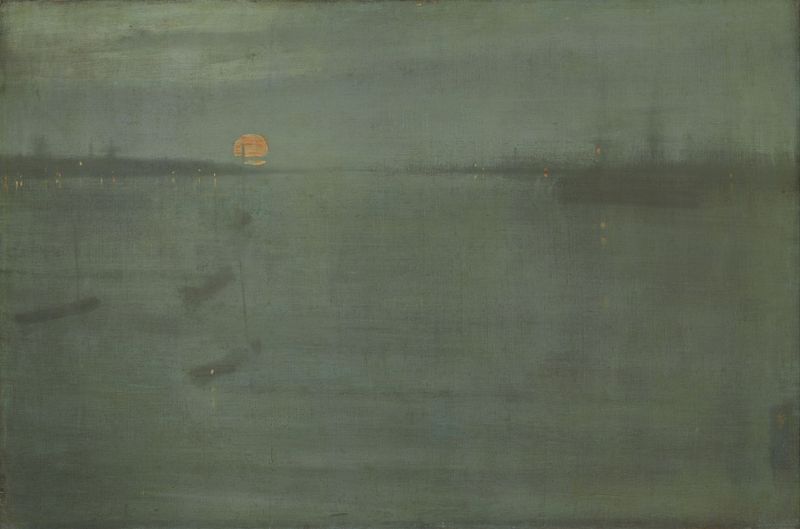
Nocturne: Blue and Gold–Southampton Water
James Abbott McNeill Whistler
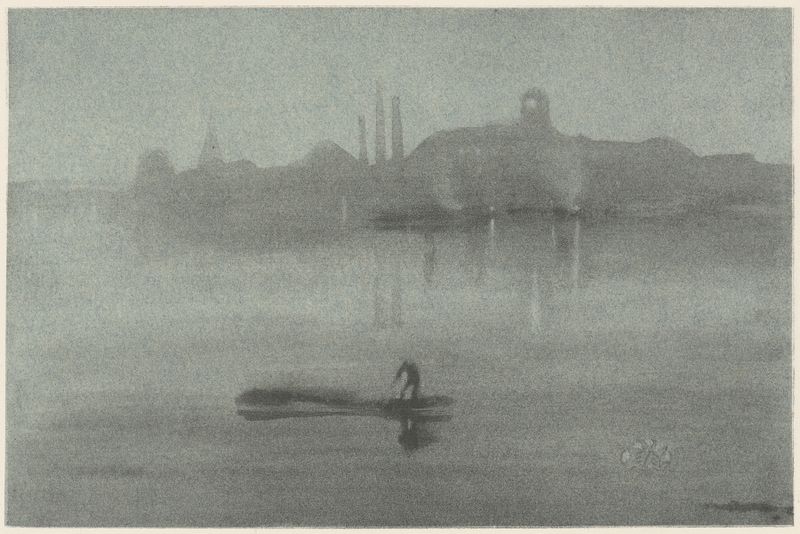
Nocturne
James Abbott McNeill Whistler
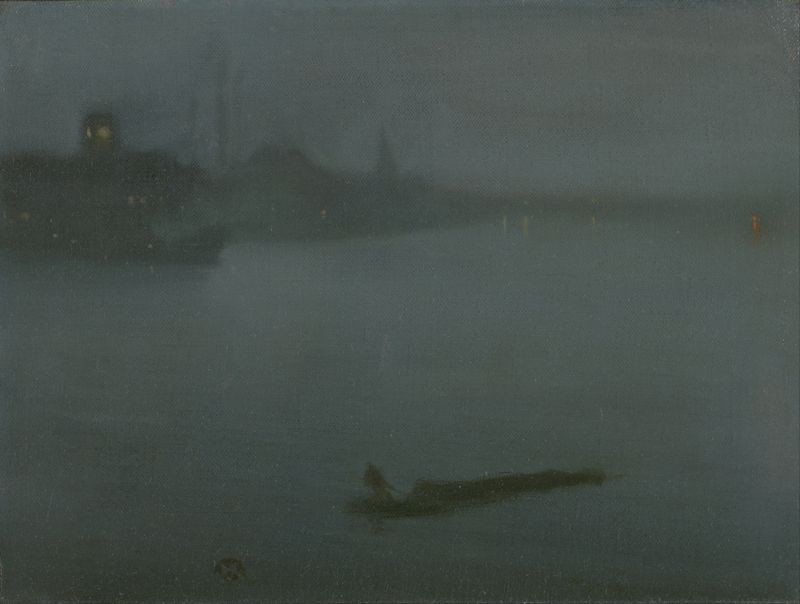
Nocturne in Blue and Silver
James Abbott McNeill Whistler
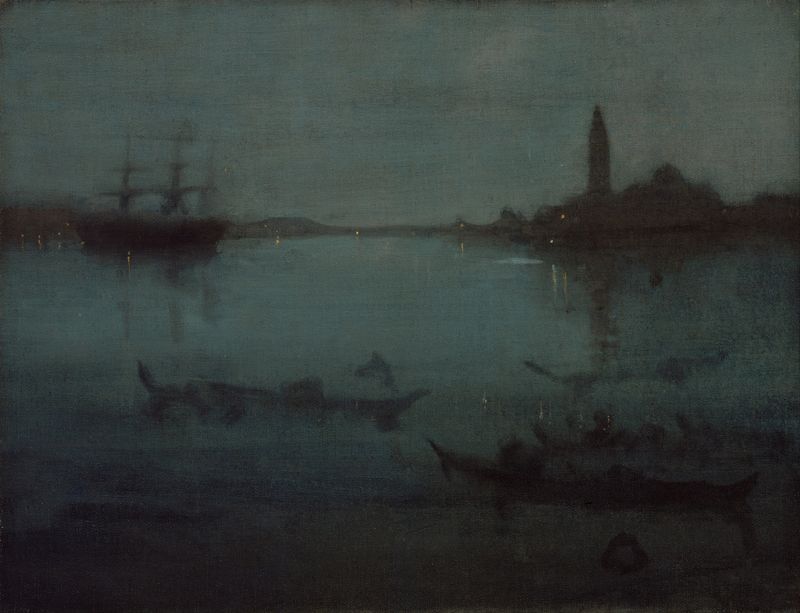
Nocturne in Blue and Silver- The Lagoon, Venice
James Abbott McNeill Whistler
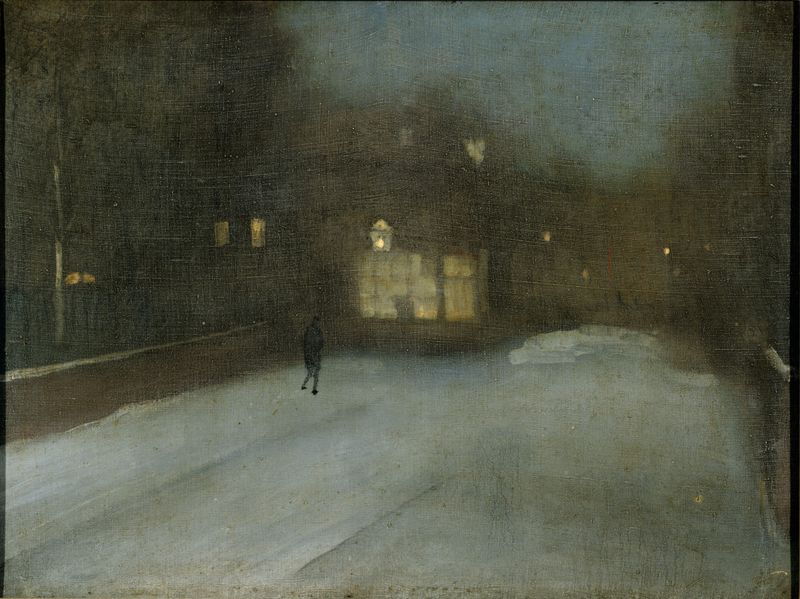
Nocturne in Grey and Gold: Chelsea Snow
James Abbott McNeill Whistler
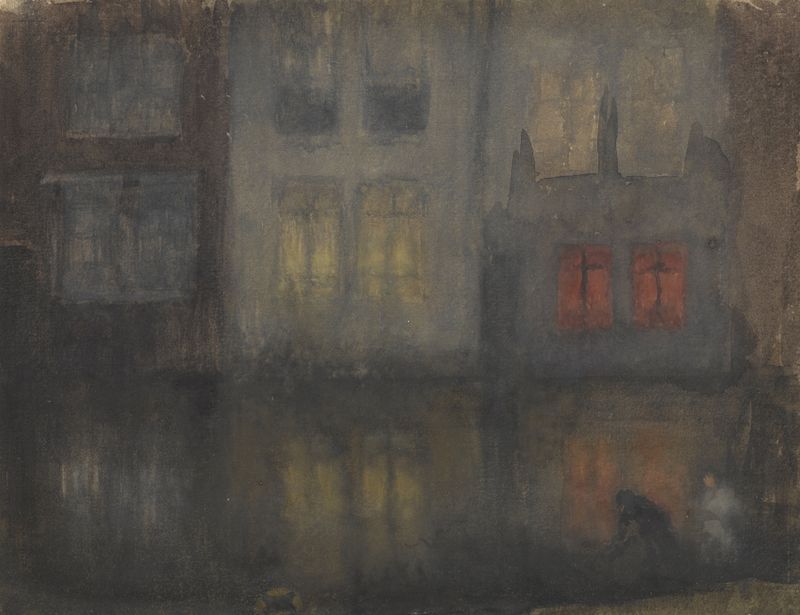
Nocturne: Black and Red—Back Canal, Holland
James Abbott McNeill Whistler
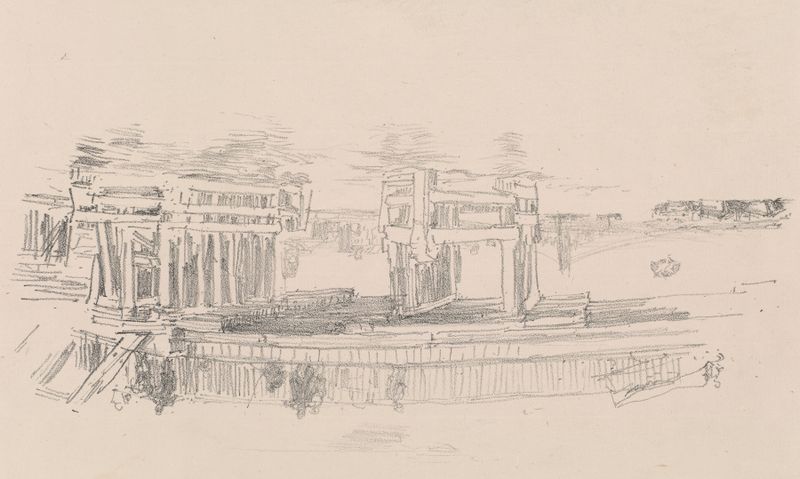
Old Battersea Bridge
James Abbott McNeill Whistler

Nocturne: Blue and Silver–Battersea Reach
James Abbott McNeill Whistler
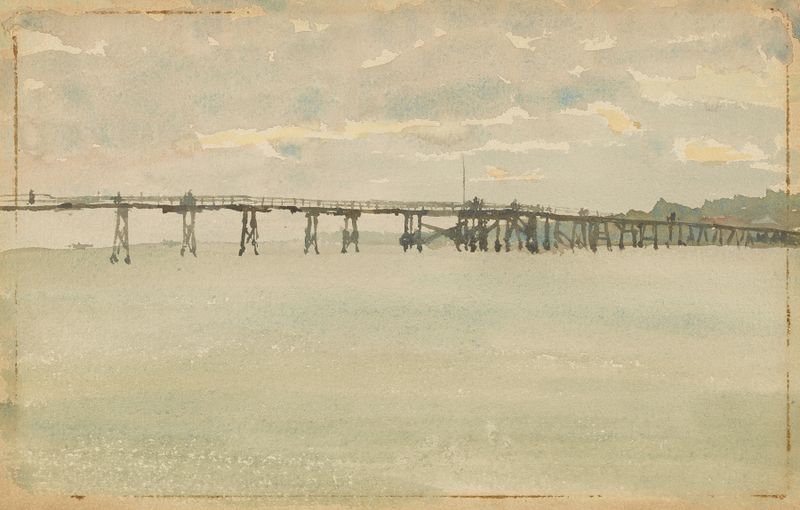
Grey and Silver–Pier, Southend
James Abbott McNeill Whistler





