
Bay window in the eastern wing of the Wawel Castle — History & Facts
In the interplay of light and shadow, the essence of reality becomes tangible, yet elusive. Look to the left at the gentle arc of the bay window. The sunlight streams in, illuminating the textured surfaces of the stone and casting intricate patterns across the wooden floor. Notice how Wyczółkowski's choice of a muted palette contrasts with the warmth of the light, inviting the viewer to explore the depths of shadow that cradle the edges of the scene.
Each brushstroke seems to weave a story of stillness, inviting contemplation amidst the vibrancy that life outside this quiet space may hold. Delve deeper into the subtle juxtaposition of light and dark. The shadows gather like whispers, representing the hidden narratives of the past within the walls of Wawel Castle. Each fold of shadow offers a sense of mystery, evoking feelings of nostalgia and reflection.
The warm accents of color remind us of life long gone, while the darkness hints at untold secrets, creating a delicate tension that resonates with the viewer’s imagination. In 1916, during a tumultuous era marked by war and uncertainty, the artist sought solace and meaning in the familiar surroundings of his homeland. At this time, Wyczółkowski was immersed in exploring Polish themes through his art, finding beauty in both the historic and the intimate. This painting reflects his yearning for connection with his heritage while quietly capturing the palpable emotions tied to the space he cherished.
More Artworks by Leon Wyczółkowski
Browse all →
Las zimą
Leon Wyczółkowski
Saint Stanislaus
Leon Wyczółkowski
Amfiteatr w Łazienkach pod śniegiem (strona prawa)
Leon Wyczółkowski
Sea at Połąga IV
Leon Wyczółkowski
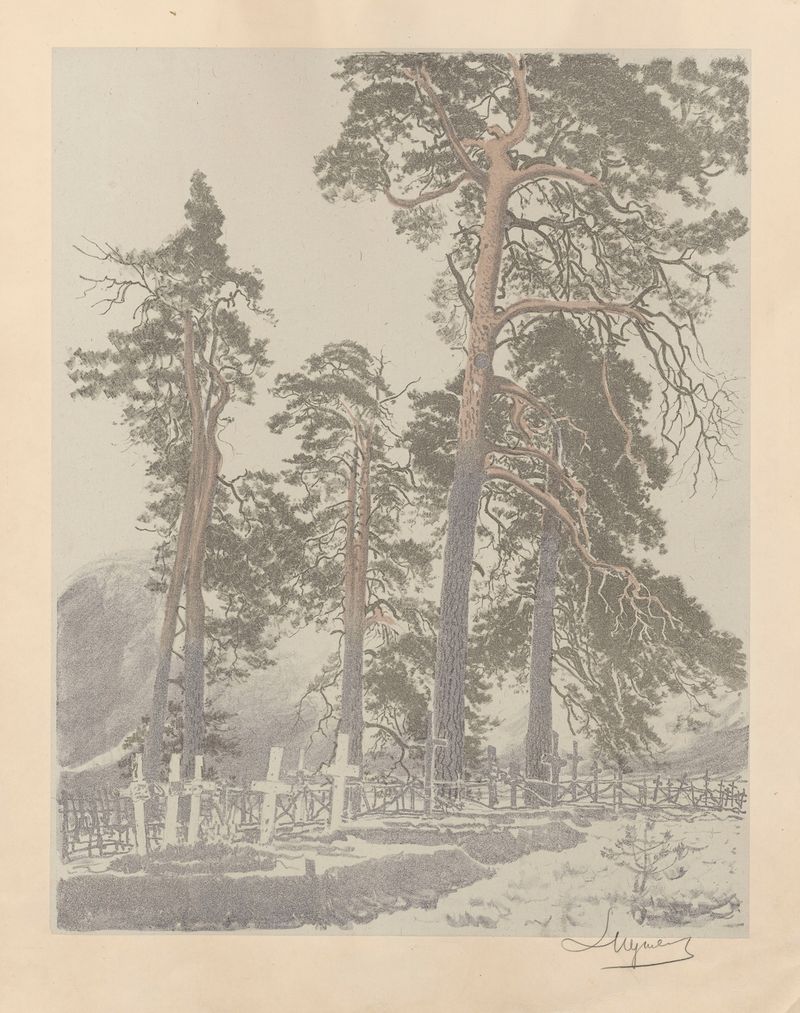
Cemetery in Vowchick
Leon Wyczółkowski
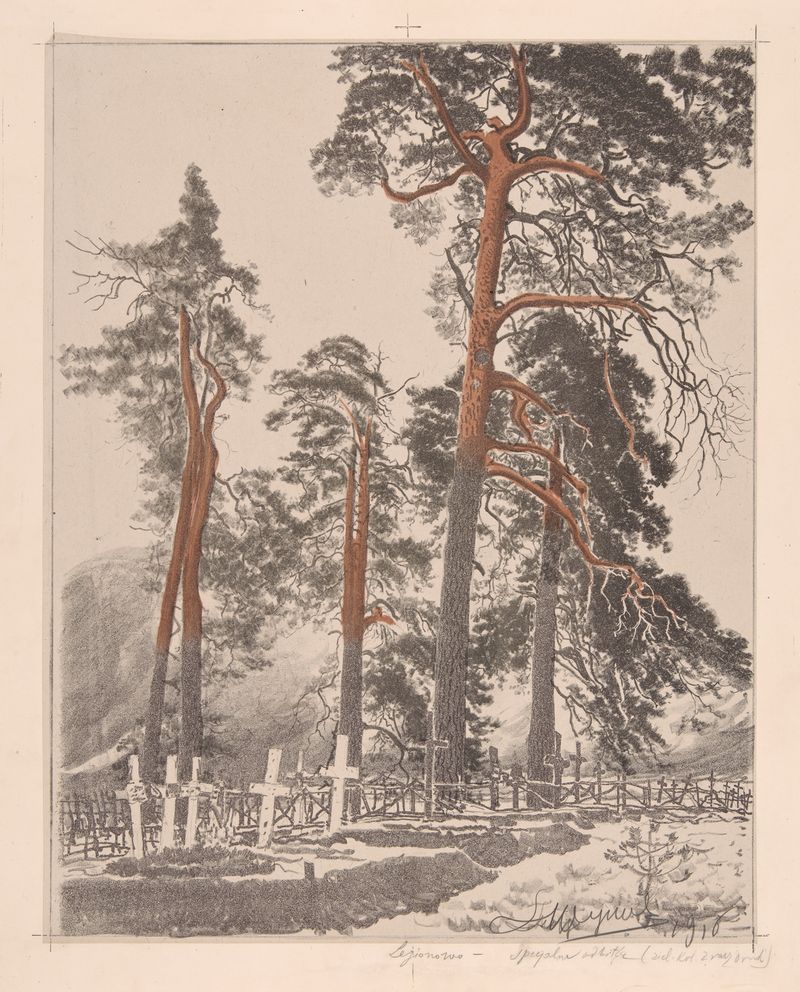
The Wołczecko cemetery
Leon Wyczółkowski
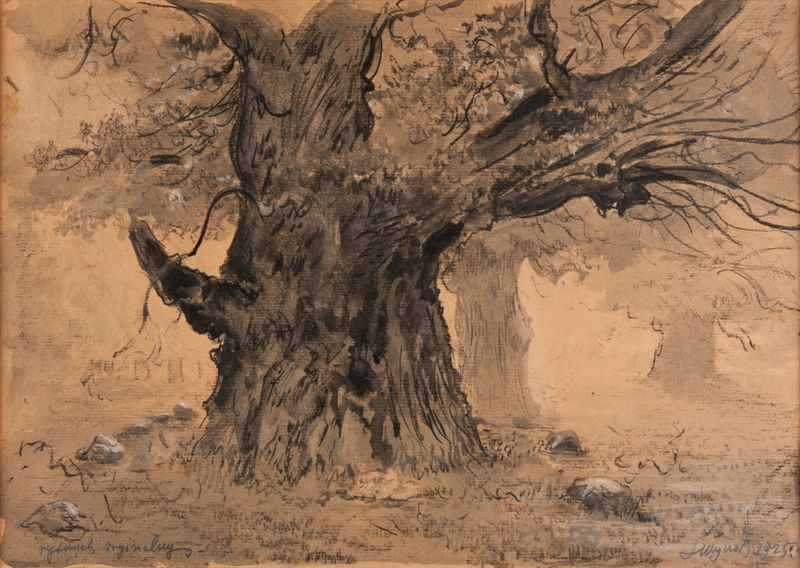
Rogalin Oaks
Leon Wyczółkowski
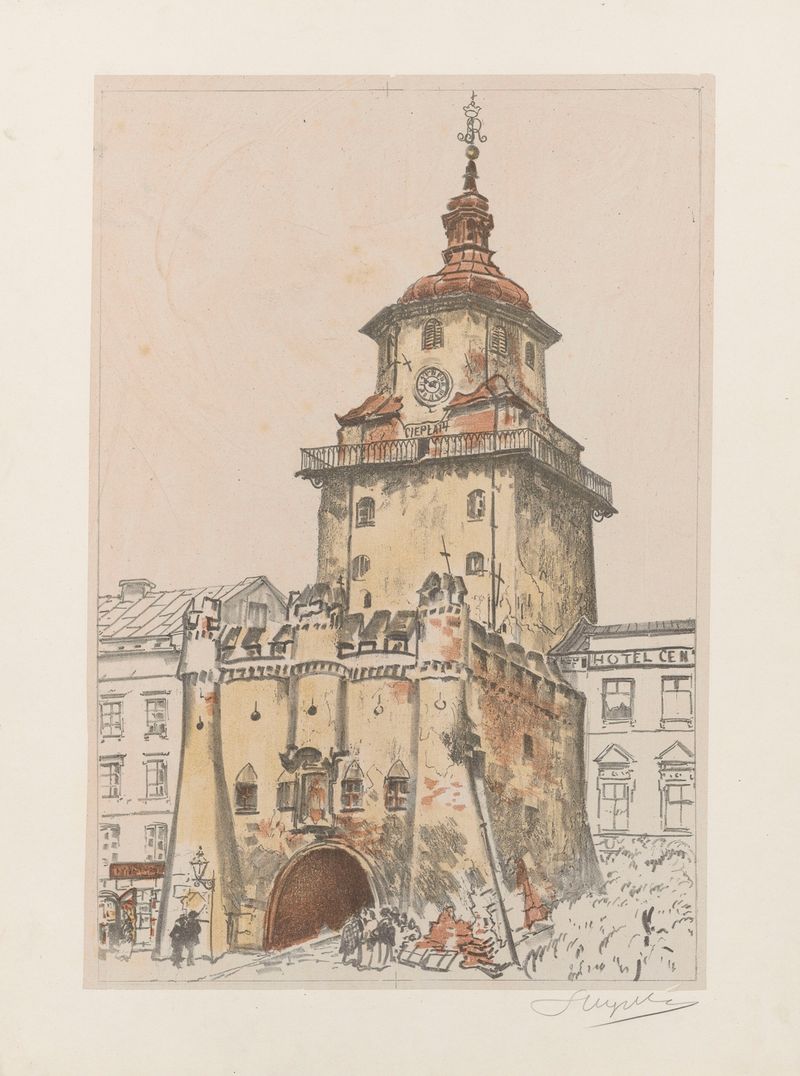
The Krakow Gate in Lublin, in summer
Leon Wyczółkowski
U Wrót Chałubińskiego
Leon Wyczółkowski
Castle and the Jewish quarter
Leon Wyczółkowski





