Bay window in the western wing of the Wawel cloisters — History & Facts
When did color learn to lie? In a world shadowed by history, the hues of life can deceive and uplift in equal measure, inviting us to question what we observe. Look to the left at the gentle play of light filtering through the bay window, casting soft shadows on the cool stone floor. The vibrant greens and warm earth tones of surrounding foliage create an embrace, as if nature simultaneously cradles and guards this sacred space. Notice how the intricate details of the cloisters are brought to life with precise brushwork, the artist's careful attention revealing the textured surfaces of the archways and the rich history embedded in the aged stone. There is a dance of contrasts between the serenity of the cloisters and the vibrant life that surrounds it.
The light symbolizes rebirth, a fleeting reminder of hope amidst the weight of time. The juxtaposition of solid architecture against the ephemeral play of light suggests a harmony between permanence and change, hinting at the fragile beauty of existence itself. Created during the tumultuous years of World War I, this work reflects the artist's longing for peace and a connection to his cultural roots. Wyczółkowski painted it in Cracow, a city steeped in Polish heritage, at a time when the country was striving for independence.
As the world around him was in disarray, he sought refuge in the timeless beauty of his surroundings, capturing a moment that whispers of resilience and renewal.
More Artworks by Leon Wyczółkowski
Browse all →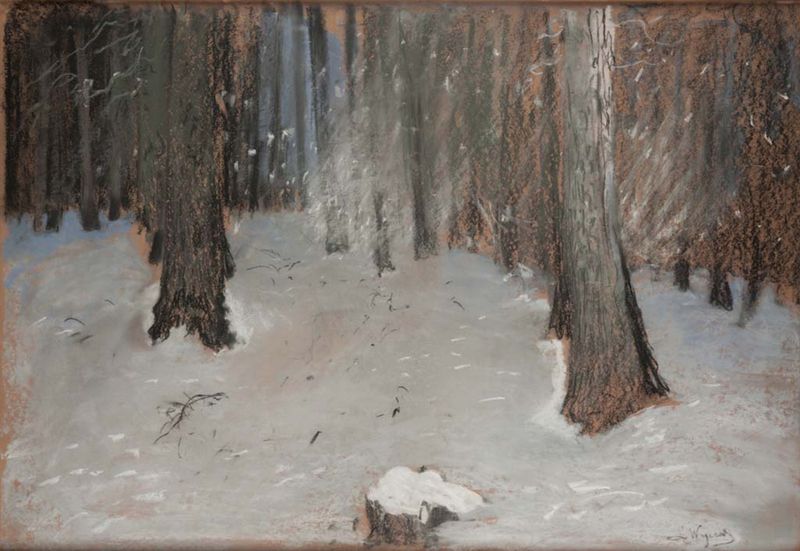
Las zimą
Leon Wyczółkowski
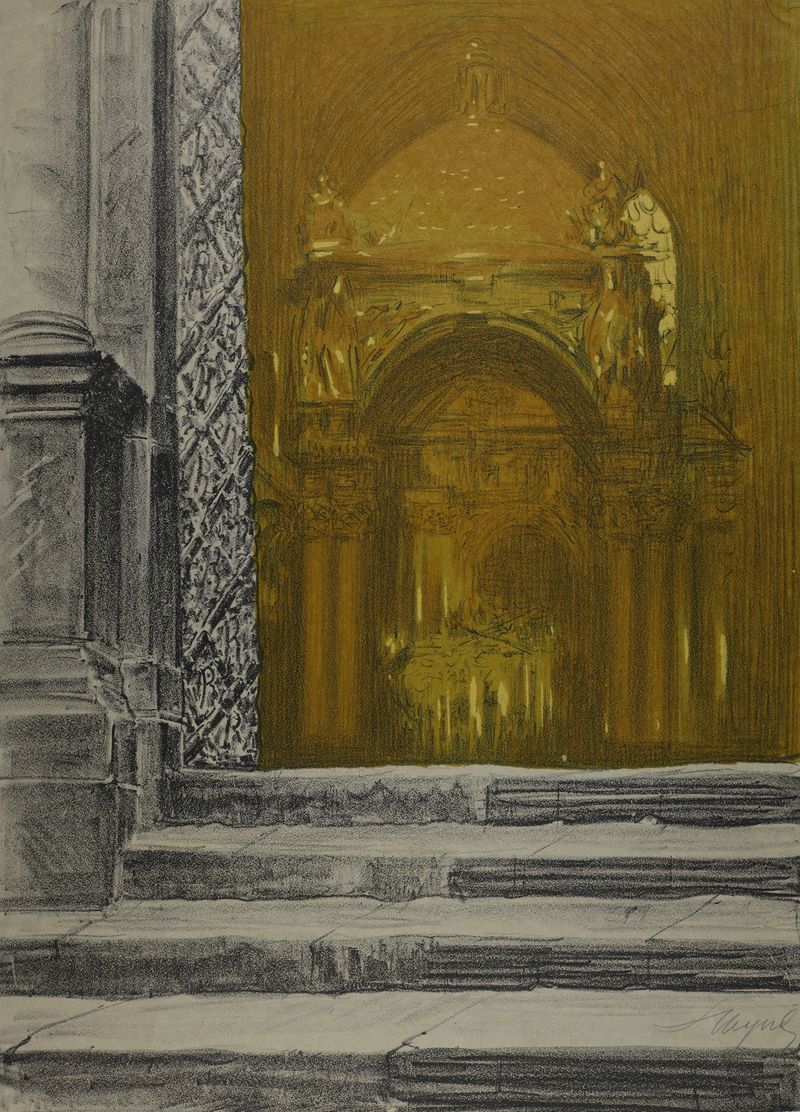
Saint Stanislaus
Leon Wyczółkowski
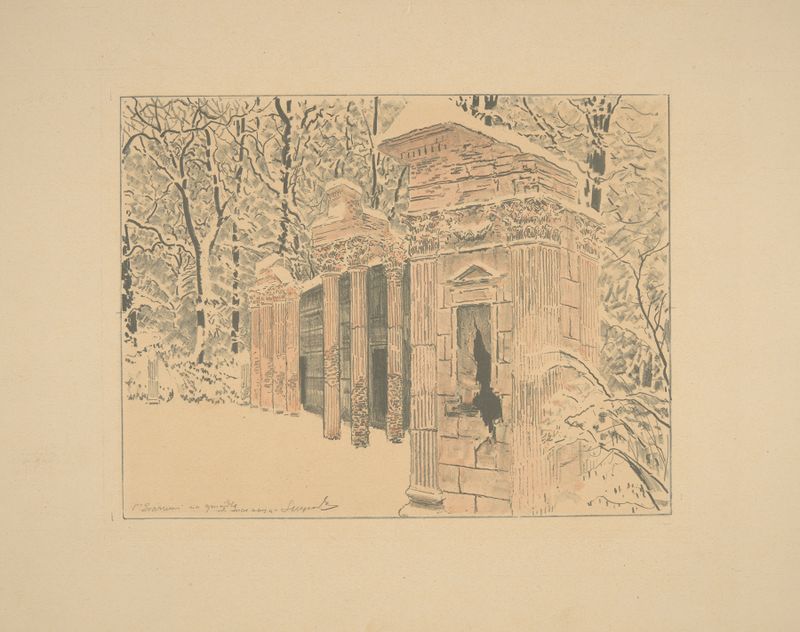
Amfiteatr w Łazienkach pod śniegiem (strona prawa)
Leon Wyczółkowski
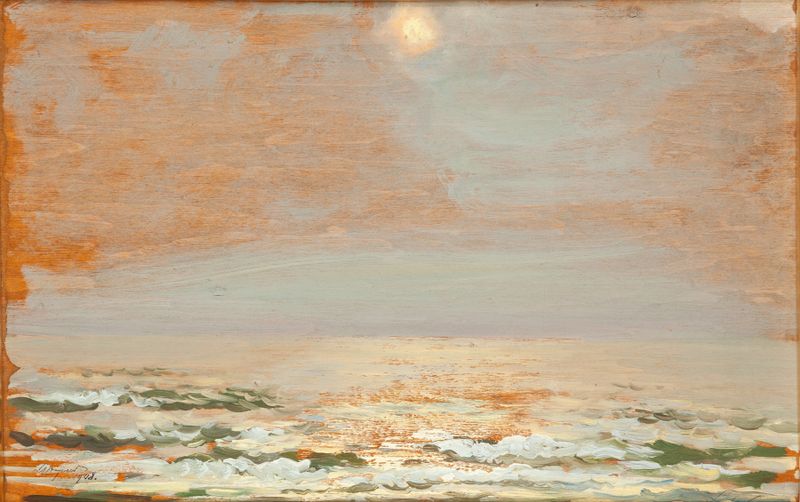
Sea at Połąga IV
Leon Wyczółkowski
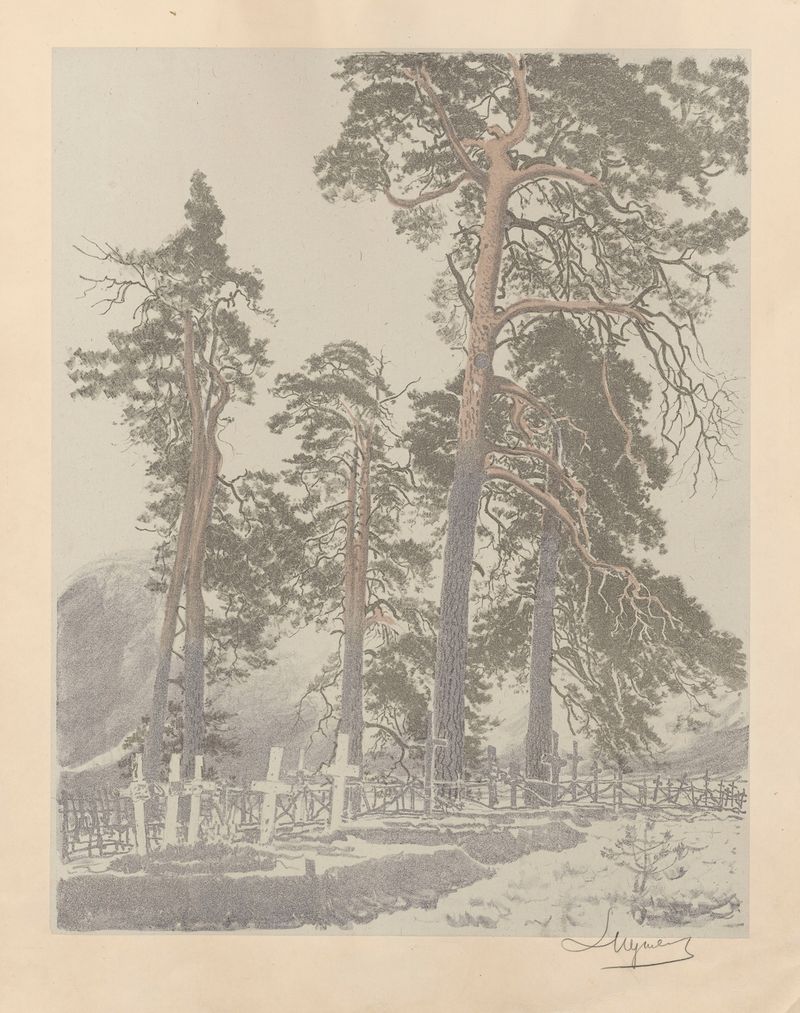
Cemetery in Vowchick
Leon Wyczółkowski
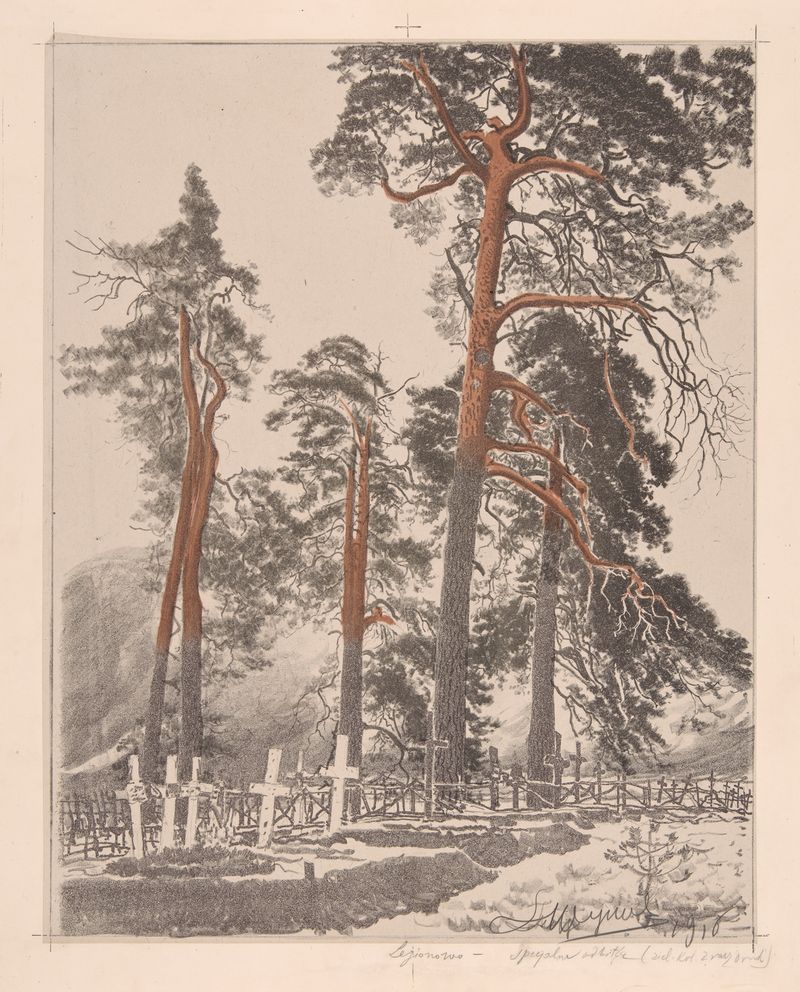
The Wołczecko cemetery
Leon Wyczółkowski
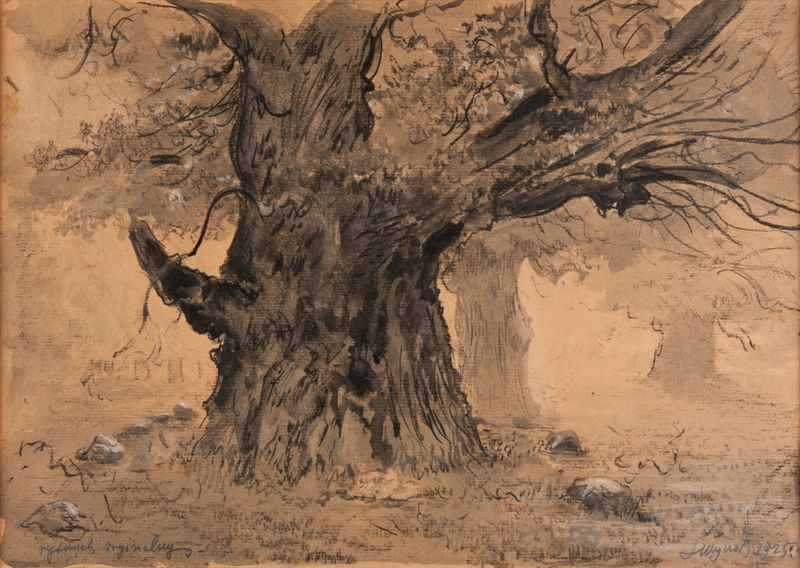
Rogalin Oaks
Leon Wyczółkowski
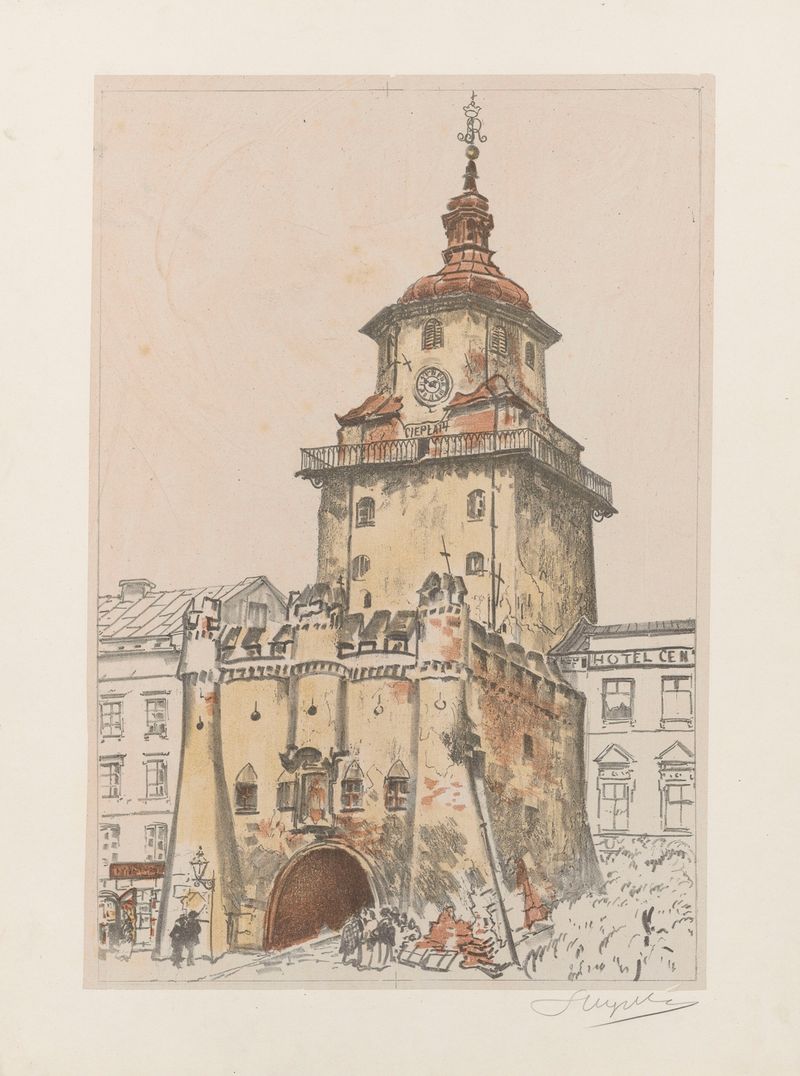
The Krakow Gate in Lublin, in summer
Leon Wyczółkowski
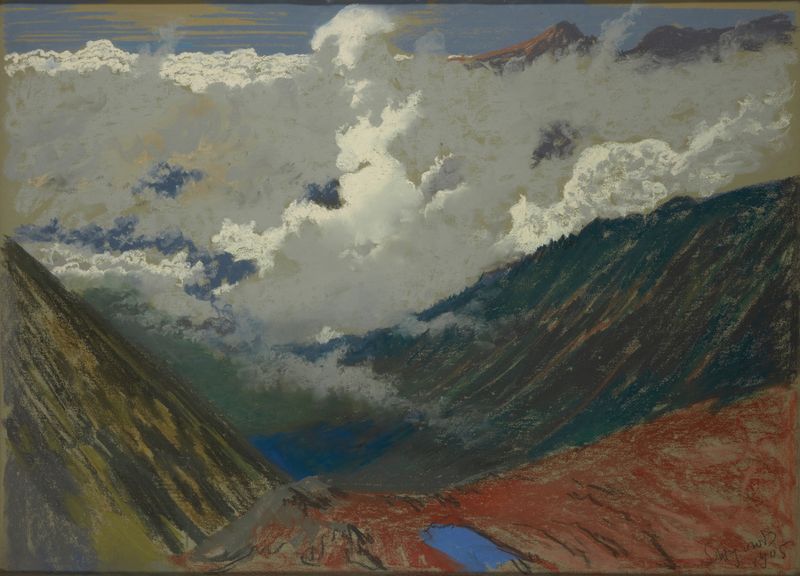
U Wrót Chałubińskiego
Leon Wyczółkowski
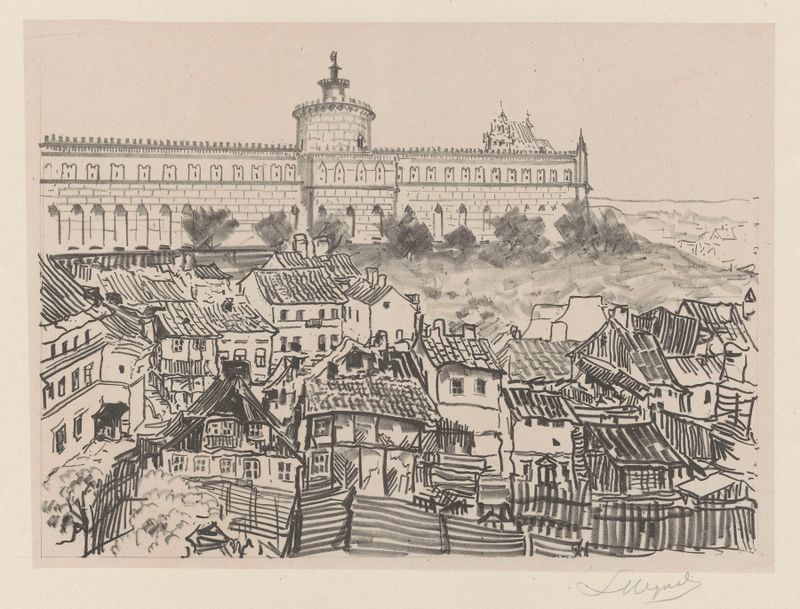
Castle and the Jewish quarter
Leon Wyczółkowski