
Bayou Scene — History & Facts
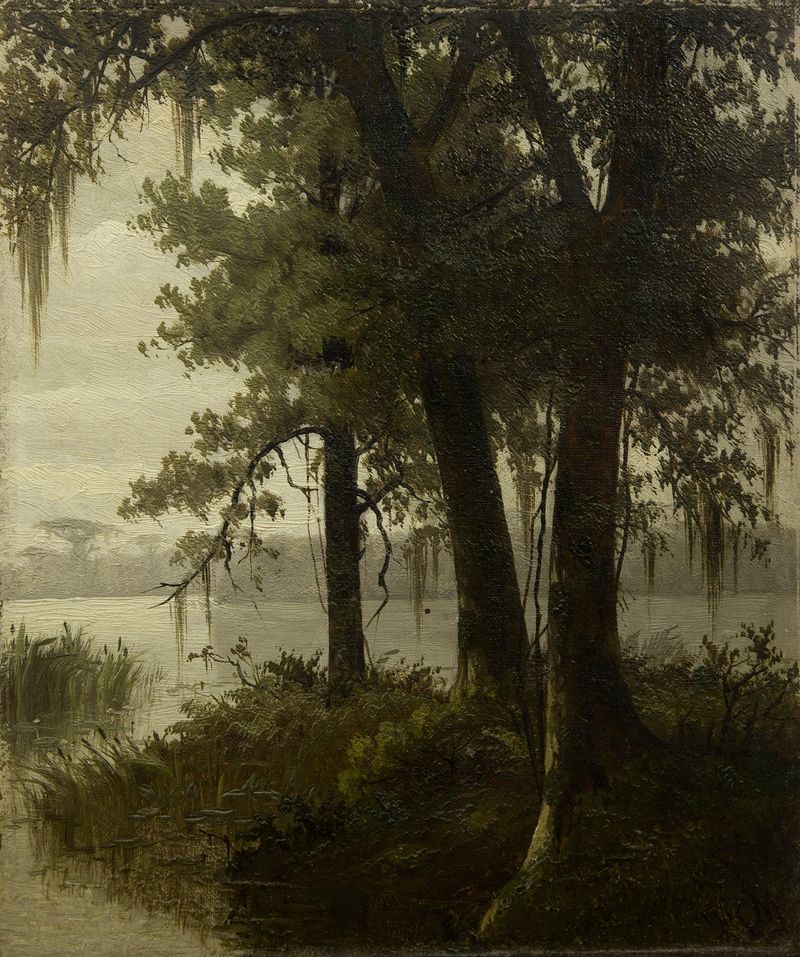
What secret hides in the quiet of the canvas? Within its tranquil depths, a world brims with unspoken ecstasy, waiting to be discovered. Focus on the lush greenery that blankets the foreground, where a palette of verdant greens and soft browns invites you in. The brushstrokes weave a tapestry of life, illuminating the water's surface with touches of light that seem to dance in a gentle breeze. Notice the deliberate placement of the cypress trees, their roots partially submerged, hinting at the symbiotic relationship between land and water, nature's own embrace. Yet, beneath this serene exterior lies a tension.
The contrasting dark shadows lurking in the recesses of the bayou evoke a sense of mystery, a reminder of nature's unpredictability. The interplay of light and dark suggests hidden stories, perhaps of life and decay, hinting at the cycle of existence itself. Emotions pulse through the scene, as if the very air vibrates with the whispers of the unseen creatures of the bayou. In 1877, when the artist painted this piece, he was living in a period marked by the exploration of nature through the lens of American art.
During this time, Meeker was captivated by the landscapes of the South, particularly the bayous of Louisiana, which offered unexpected beauty and depth. The era was a turning point for artists seeking to capture the essence of the American countryside, allowing Meeker to immerse himself in the vibrant, often untamed surroundings that would define much of his work.
More Artworks by Joseph Rusling Meeker
Browse all →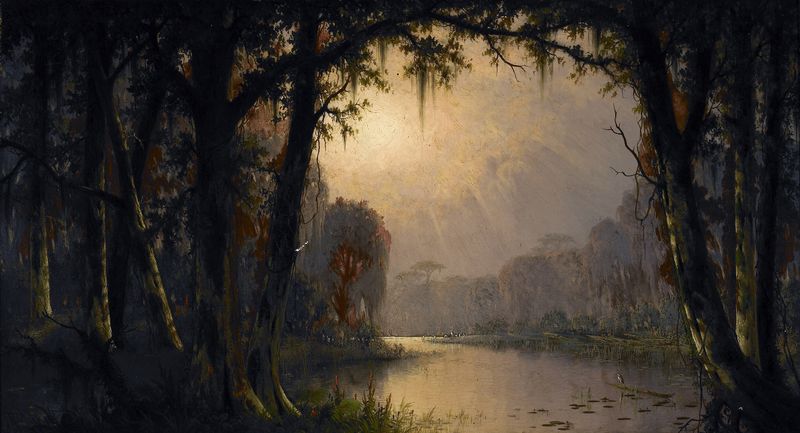
Bayou Teche, Louisiana
Joseph Rusling Meeker
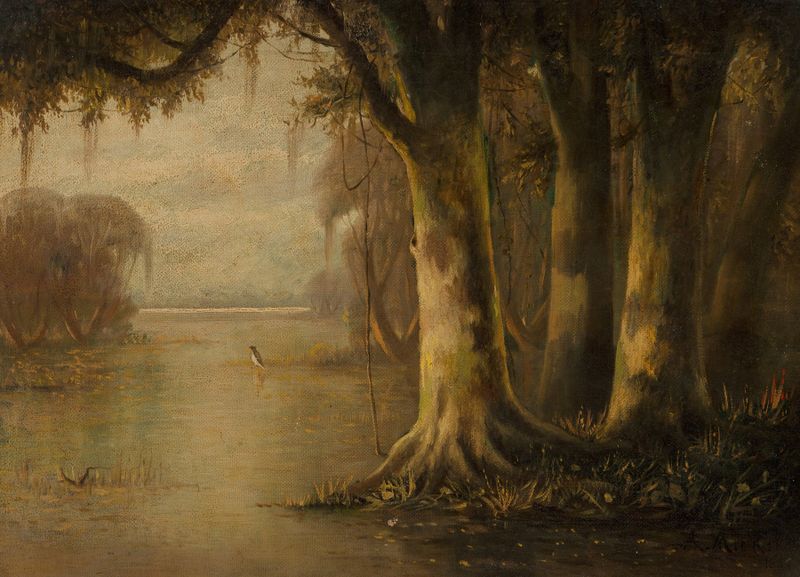
Near the Tombigbee River
Joseph Rusling Meeker
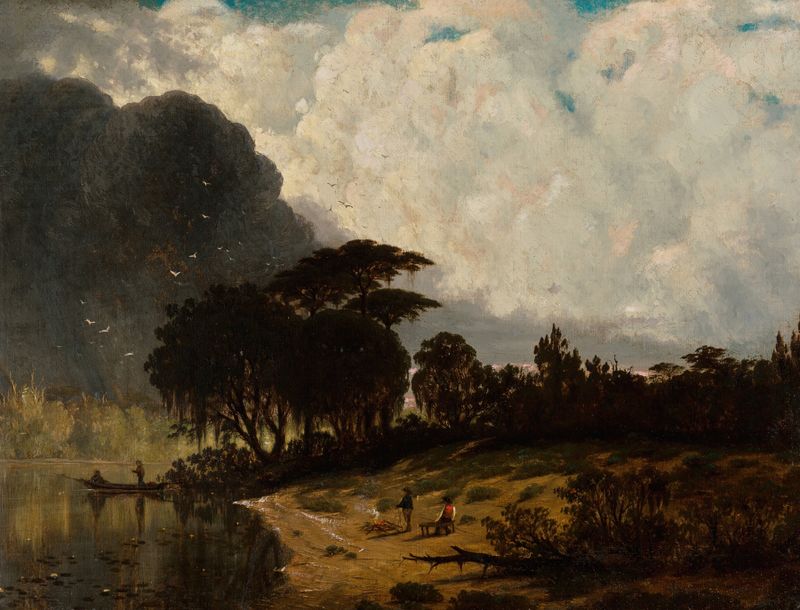
Lake Pontchartrain, Louisiana
Joseph Rusling Meeker
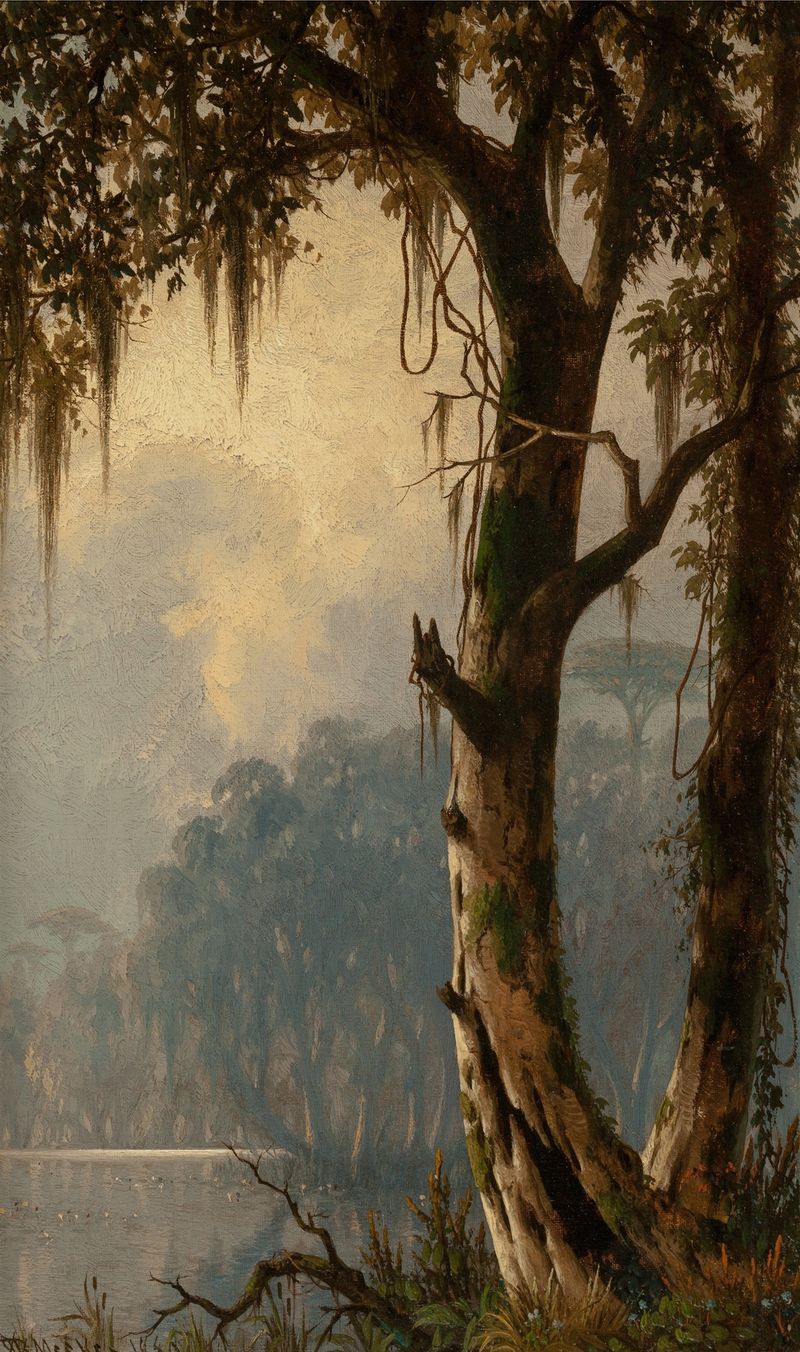
Louisiana Landscape
Joseph Rusling Meeker
Swamp Scene
Joseph Rusling Meeker
The Land of Evangeline
Joseph Rusling Meeker

Bayou
Joseph Rusling Meeker
Florida Lowlands
Joseph Rusling Meeker

Swamp Scene
Joseph Rusling Meeker





