
The Land of Evangeline — History & Facts
Did the painter know this moment would outlive them? The Land of Evangeline captures a fragile beauty, evoking the delicate balance between nature and human existence, as if frozen in time. Focus on the horizon, where soft hues of lavender and gold merge into a tranquil sky. The painter’s masterful use of light draws the eye across the serene landscape, reflecting warm sunlight cascading over the rolling hills and gently bending trees. Notice how the delicate brush strokes create a sense of movement in the grass and foliage, embodying both life and stillness.
Every detail is infused with intention, beckoning viewers to linger a moment longer in this idyllic setting. In the foreground, the water’s edge glistens with a shimmering quality, suggesting a duality between its tranquil beauty and the potential for change that lies within. The slight ripples hint at unseen forces, reminding us of the impermanence of moments we often take for granted. Here lies a commentary on the fragility of nature and life itself, as the scene invites deep reflection on our connection to the world around us. In 1874, Joseph Rusling Meeker painted this work during a time when America was grappling with its identity amid rapid industrialization and urbanization.
Living in New Jersey, he immersed himself in scenes that celebrated natural beauty, while also capturing the fleeting essence of its existence. It was a period marked by a growing appreciation for landscapes, as artists sought to preserve the untouched beauty of the American wilderness before it was irrevocably altered.
More Artworks by Joseph Rusling Meeker
Browse all →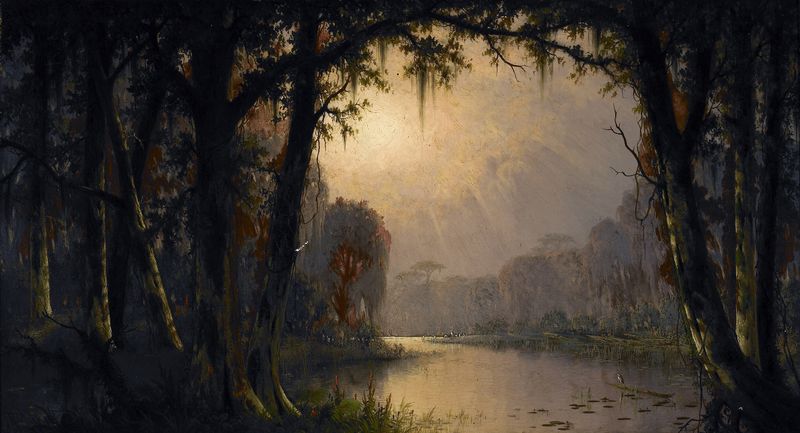
Bayou Teche, Louisiana
Joseph Rusling Meeker
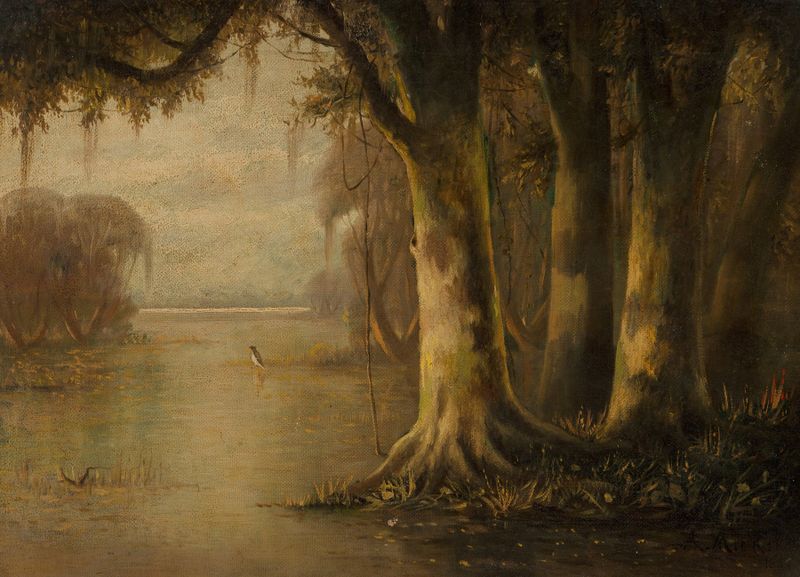
Near the Tombigbee River
Joseph Rusling Meeker

Bayou Scene
Joseph Rusling Meeker
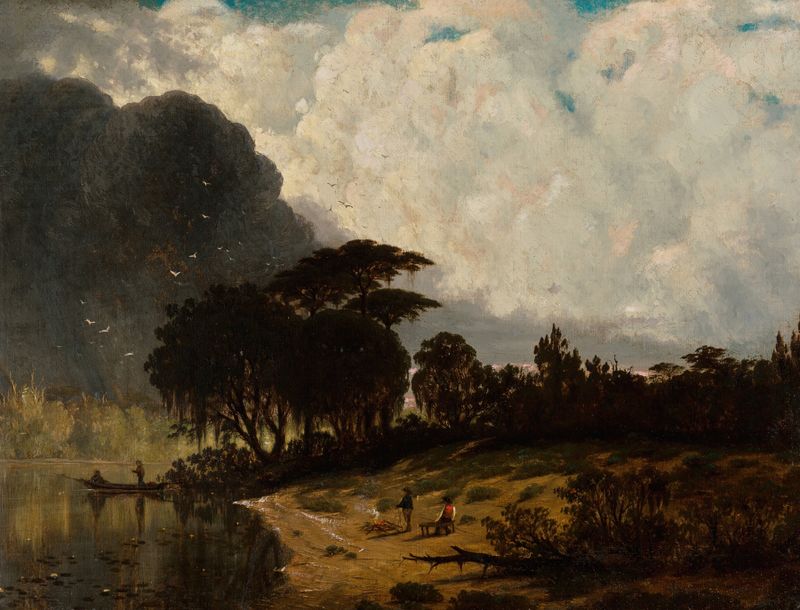
Lake Pontchartrain, Louisiana
Joseph Rusling Meeker
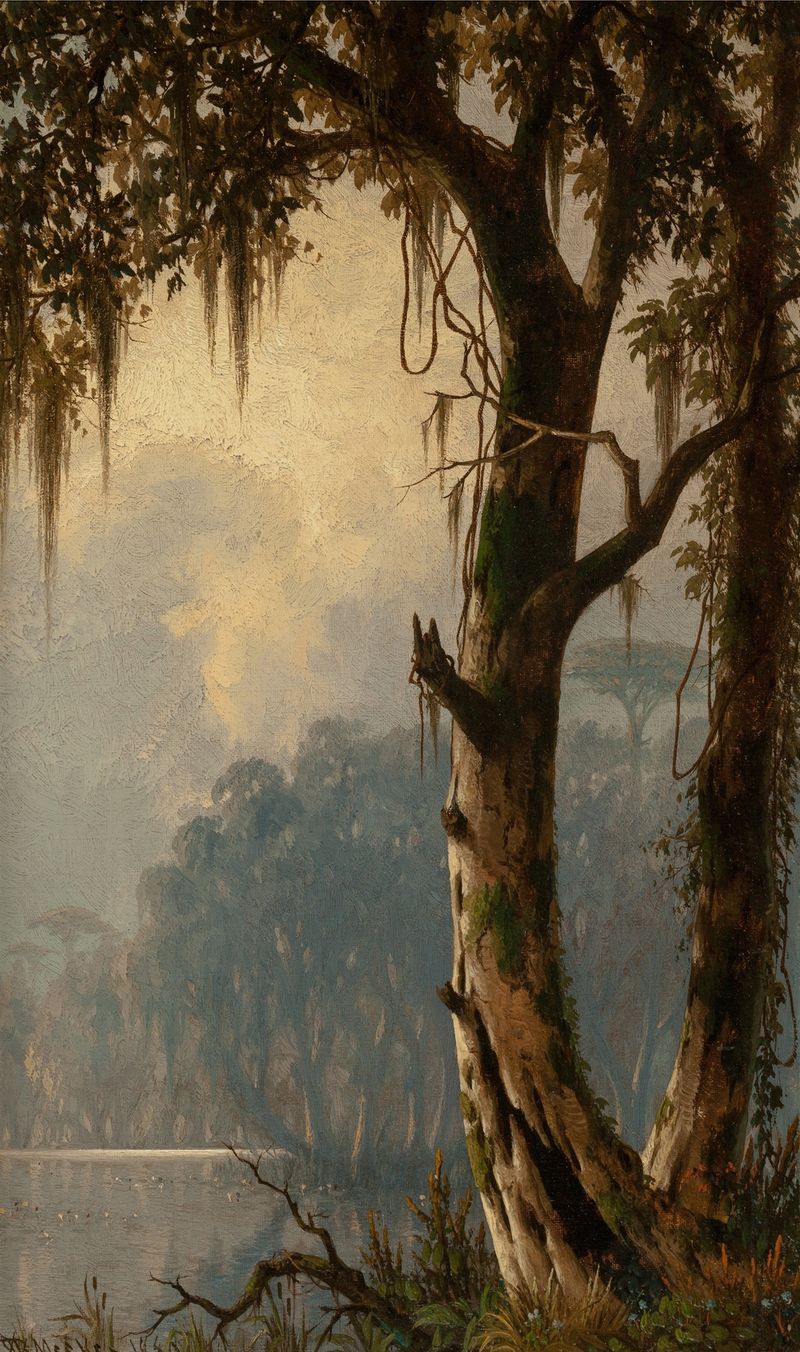
Louisiana Landscape
Joseph Rusling Meeker
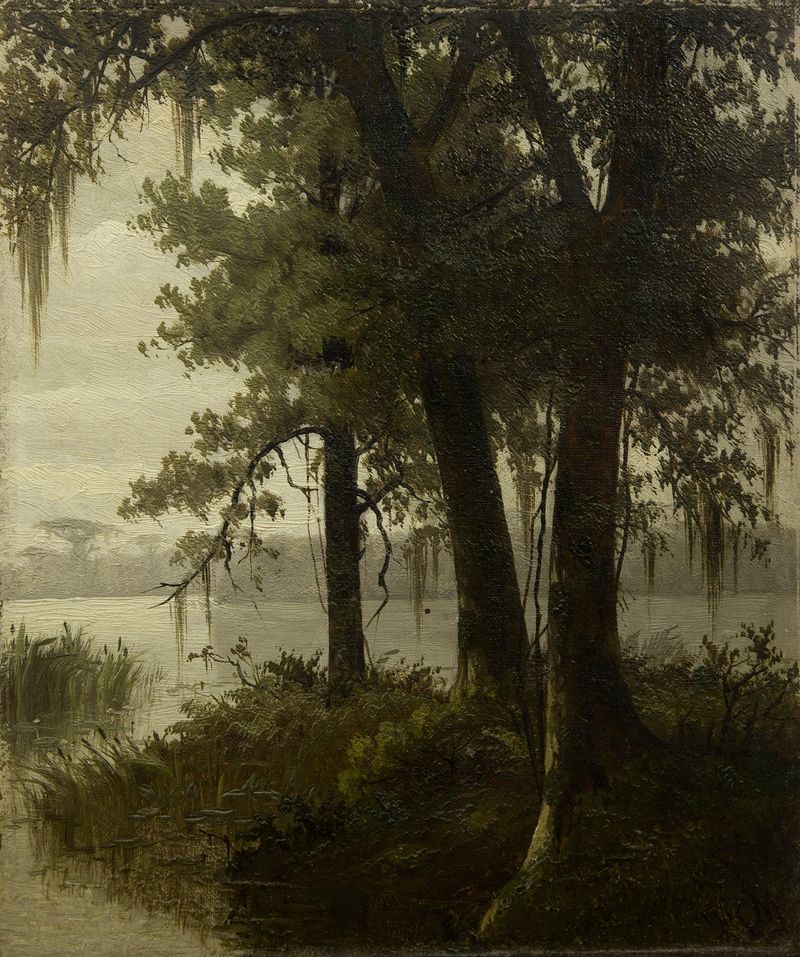
Swamp Scene
Joseph Rusling Meeker

Bayou
Joseph Rusling Meeker
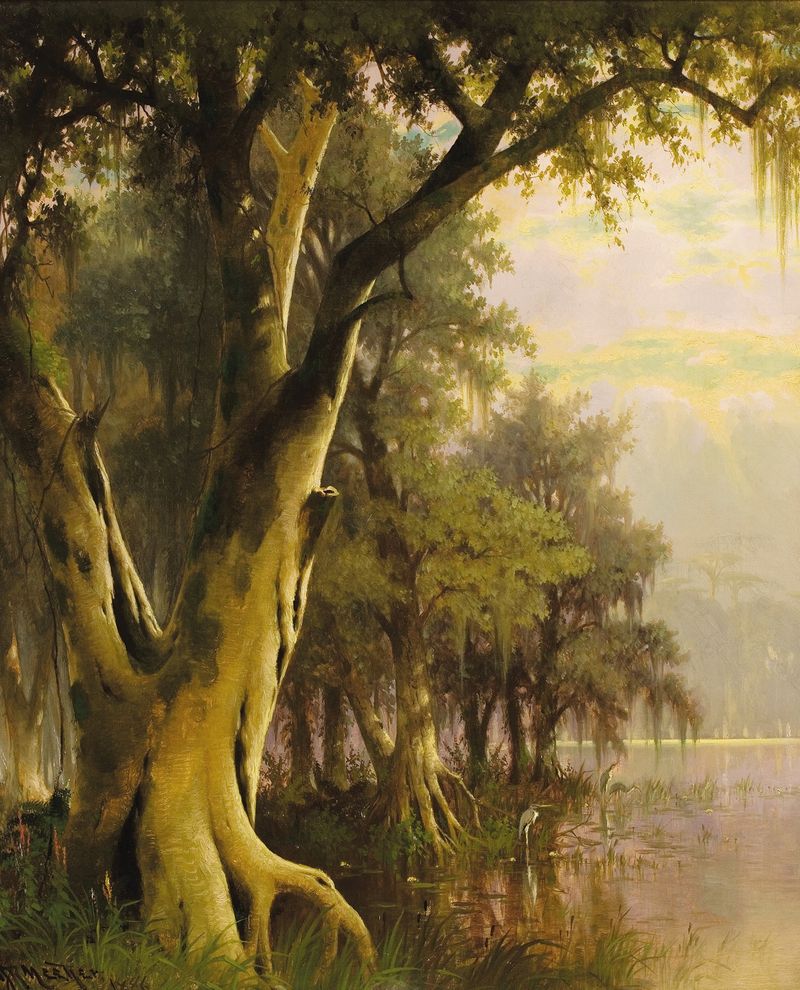
Florida Lowlands
Joseph Rusling Meeker

Swamp Scene
Joseph Rusling Meeker





