
Bayou — History & Facts
Could a single brushstroke hold eternity? In the tranquil embrace of Bayou, serenity flows like the gentle waters of the landscape, inviting a moment of reflection and peace. Focus first on the luminous greens and rich browns that dominate the canvas, where the foliage and water weave together in harmony. Notice how the sunlight dances across the surface of the bayou, creating a shimmering effect that beckons the viewer deeper into the scene. The careful layering of paint reveals both the depth of the water and the soft textures of the surrounding vegetation, offering a sense of life that seems to pulse from the canvas itself. As you gaze longer, subtle contrasts emerge—between the calmness of the water and the vibrant life surrounding it, between the stillness of nature and the silence that echoes in the space.
The interplay of light and shadow hints at the passage of time, whispering secrets of the bayou that lie just beneath the surface. There is a quiet introspection in the way the elements coexist, inviting contemplation on the delicate balance of life and tranquility. In 1883, Joseph Rusling Meeker painted Bayou during a period marked by his deepening fascination with American landscapes. Living and working in the United States, he sought to capture the essence of the natural world in a time when artistic movements were embracing realism and impressionism.
This work reflects not only his personal journey as an artist but also the broader transition in American art towards celebrating the beauty and serenity found in everyday scenes.
More Artworks by Joseph Rusling Meeker
Browse all →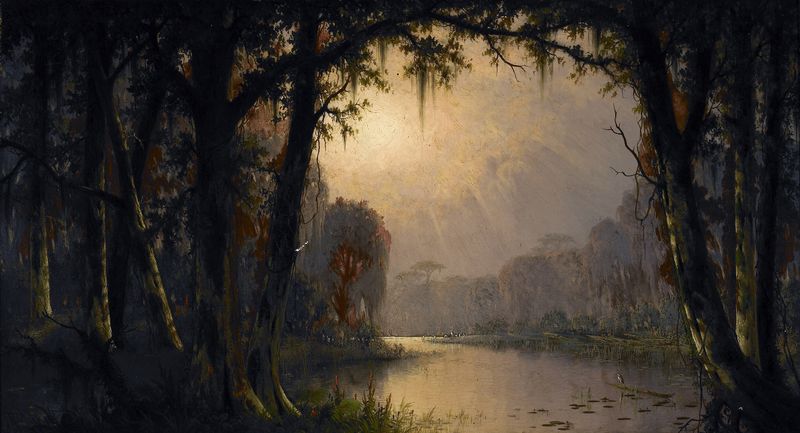
Bayou Teche, Louisiana
Joseph Rusling Meeker
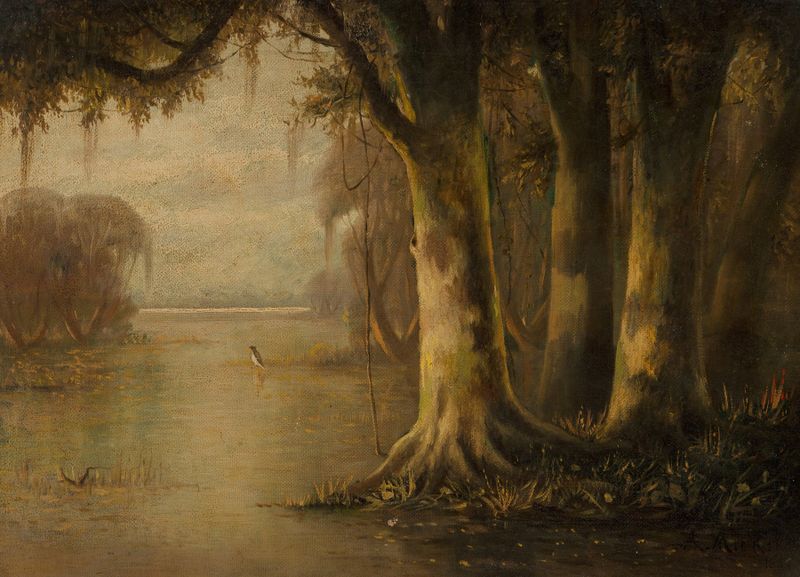
Near the Tombigbee River
Joseph Rusling Meeker

Bayou Scene
Joseph Rusling Meeker
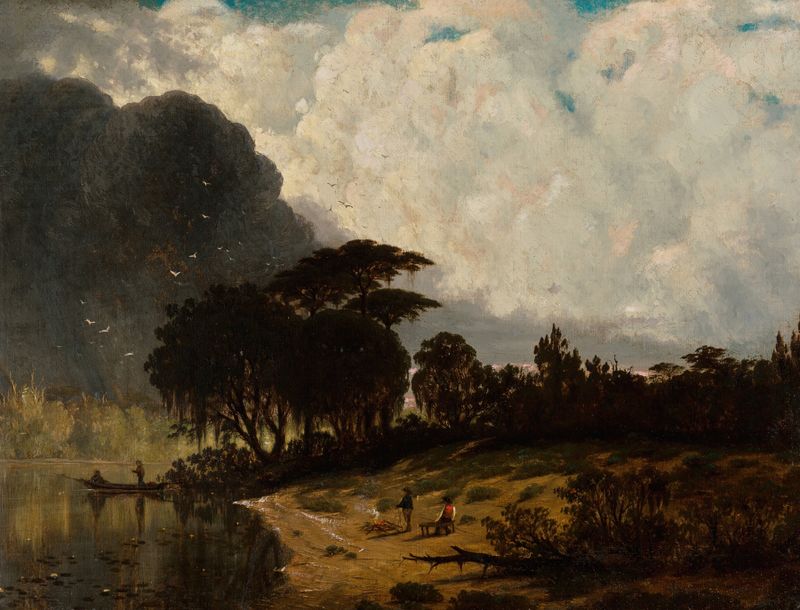
Lake Pontchartrain, Louisiana
Joseph Rusling Meeker
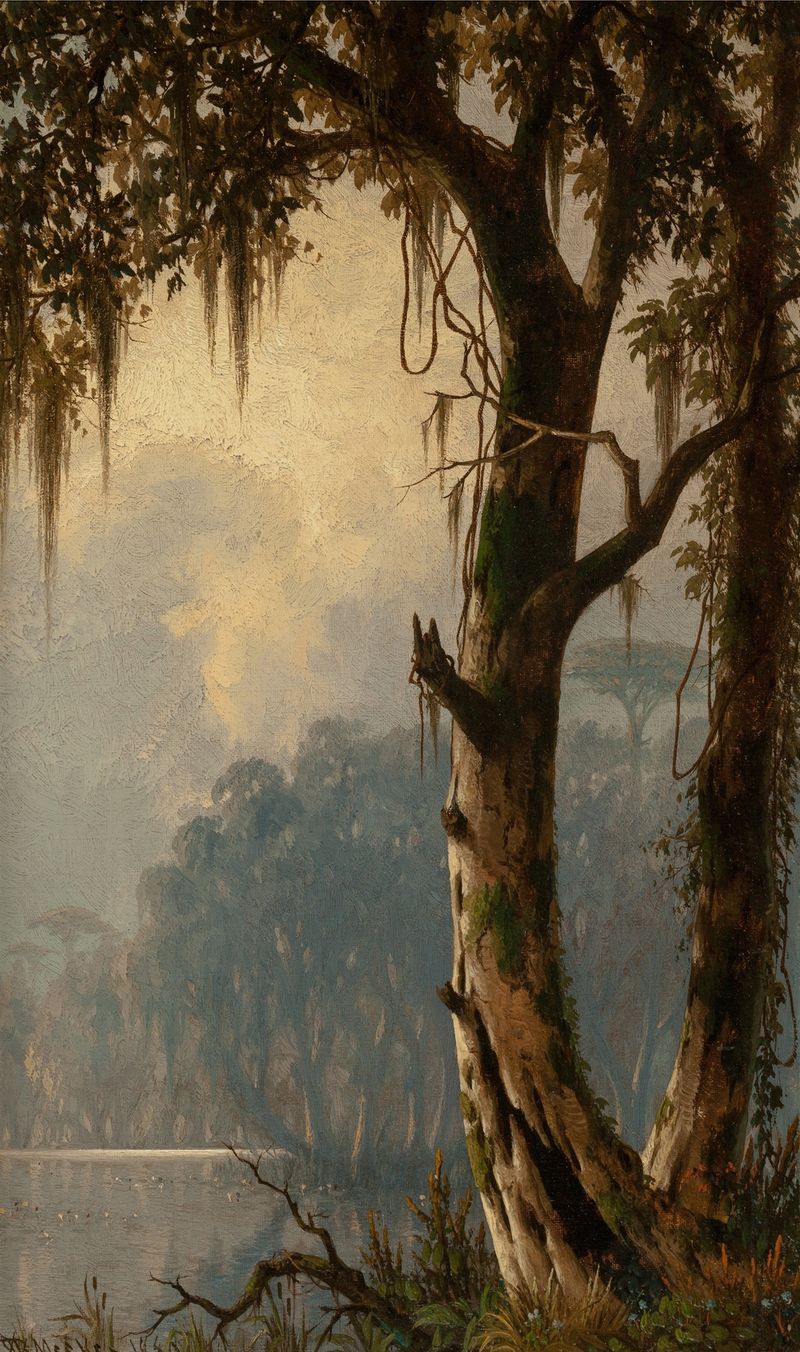
Louisiana Landscape
Joseph Rusling Meeker
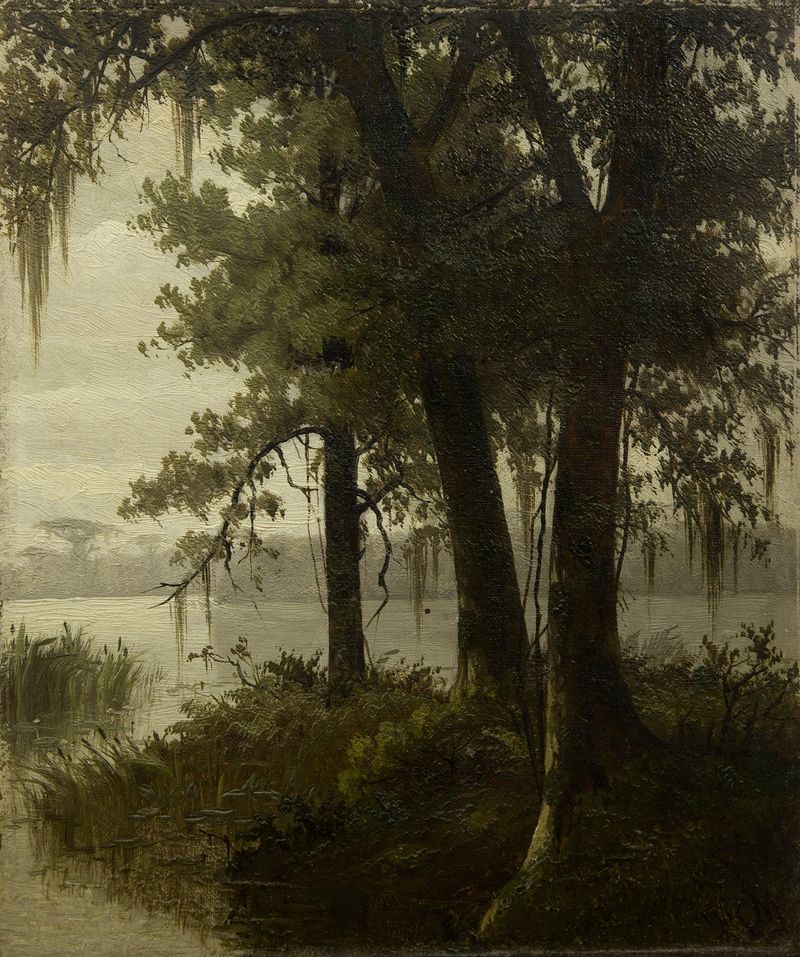
Swamp Scene
Joseph Rusling Meeker
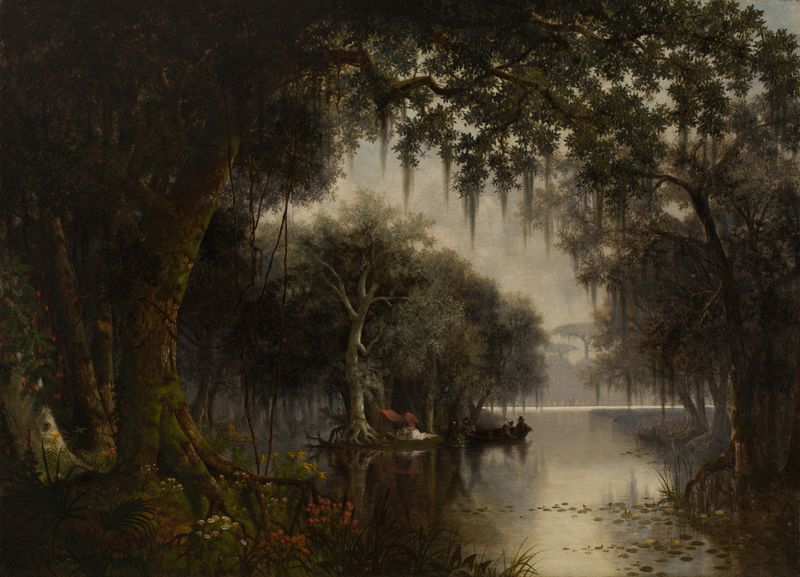
The Land of Evangeline
Joseph Rusling Meeker
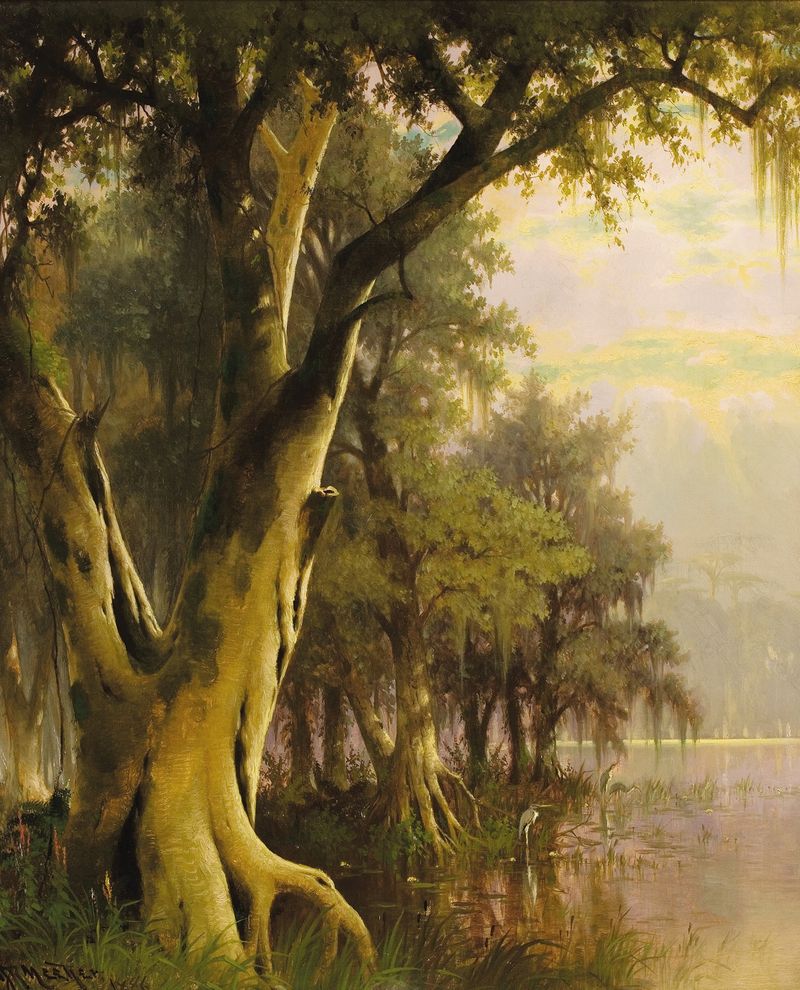
Florida Lowlands
Joseph Rusling Meeker

Swamp Scene
Joseph Rusling Meeker





