
Swamp Scene — History & Facts
Stepping into the world of Swamp Scene invites a revelation of the hidden truths that lie beneath the surface. The landscape whispers secrets, and the stillness of the environment speaks volumes about existence, isolation, and the nature of life itself. Look to the center of the painting, where a dark, reflective pool mirrors the muted greens and browns of the surrounding foliage. The composition draws you in with a delicate balance of light and shadow, as the sun filters through the trees, illuminating patches of water and creating a sense of depth.
The brushwork reveals a meticulous attention to detail, capturing the textures of the moss and the ripples in the water, inviting contemplation and introspection. As you explore further, the contrast between the vibrant, lively flora and the still water hints at the duality of life and death. The subtle play of light symbolizes hope amid decay, while the looming shadows evoke a sense of unease. There’s a tension present, a reminder of the fragile coexistence of beauty and darkness, suggesting that within this tranquil swamp, there lie untold histories and unspoken struggles. In 1885, while creating this piece, Meeker was living in the United States, where the Hudson River School's influence was still palpable.
During this period, artists were increasingly exploring themes of nature, capturing its beauty and complexity. Meeker, drawing inspiration from the American landscape, sought to depict the swamp not merely as a setting but as a rich tapestry of life and emotion, reflective of both personal introspection and broader artistic movements.
More Artworks by Joseph Rusling Meeker
Browse all →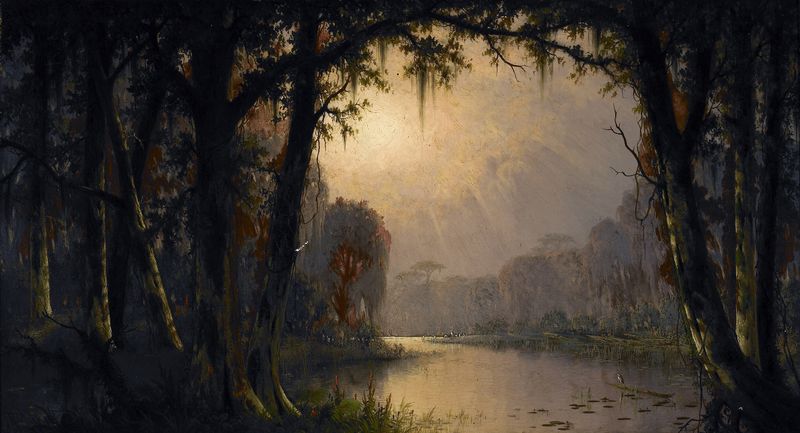
Bayou Teche, Louisiana
Joseph Rusling Meeker
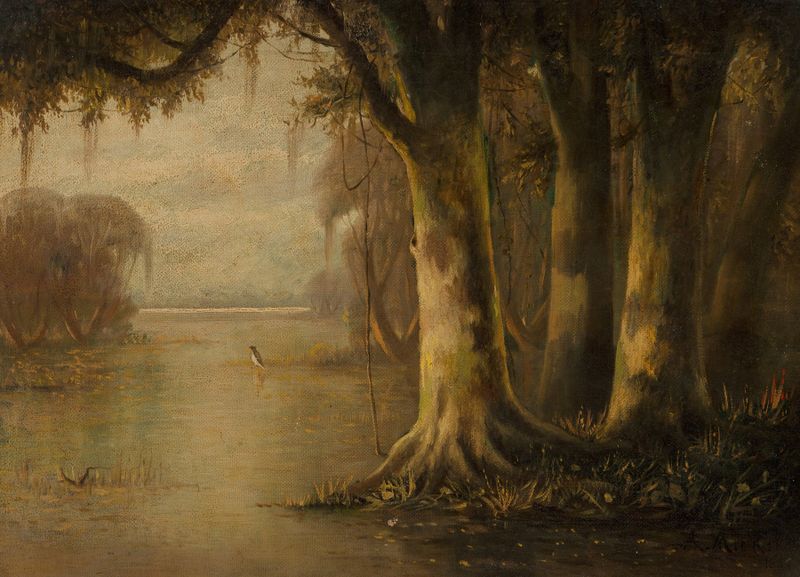
Near the Tombigbee River
Joseph Rusling Meeker

Bayou Scene
Joseph Rusling Meeker
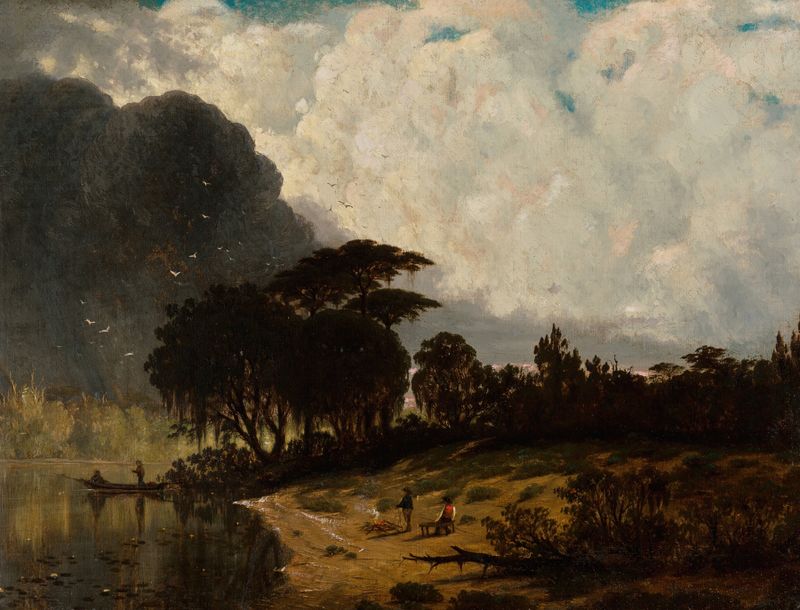
Lake Pontchartrain, Louisiana
Joseph Rusling Meeker
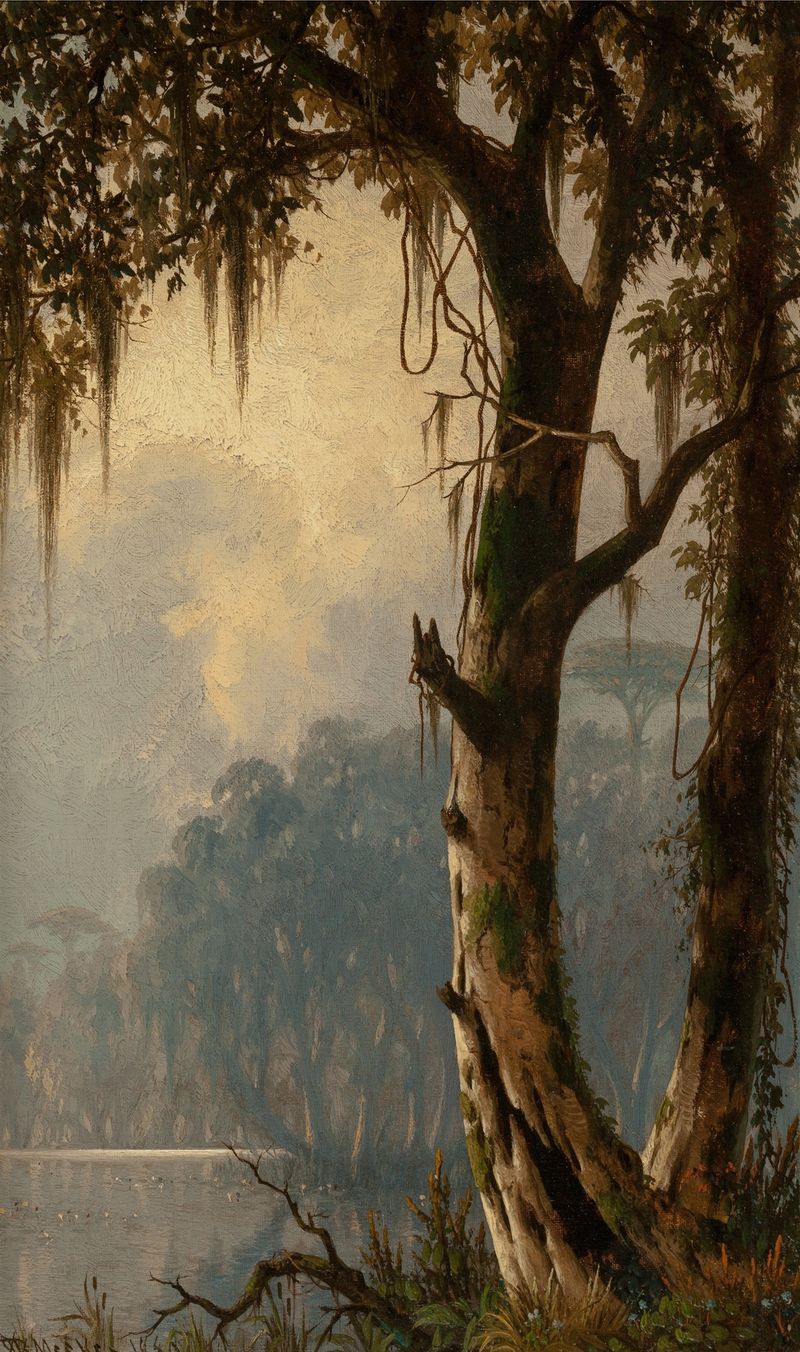
Louisiana Landscape
Joseph Rusling Meeker
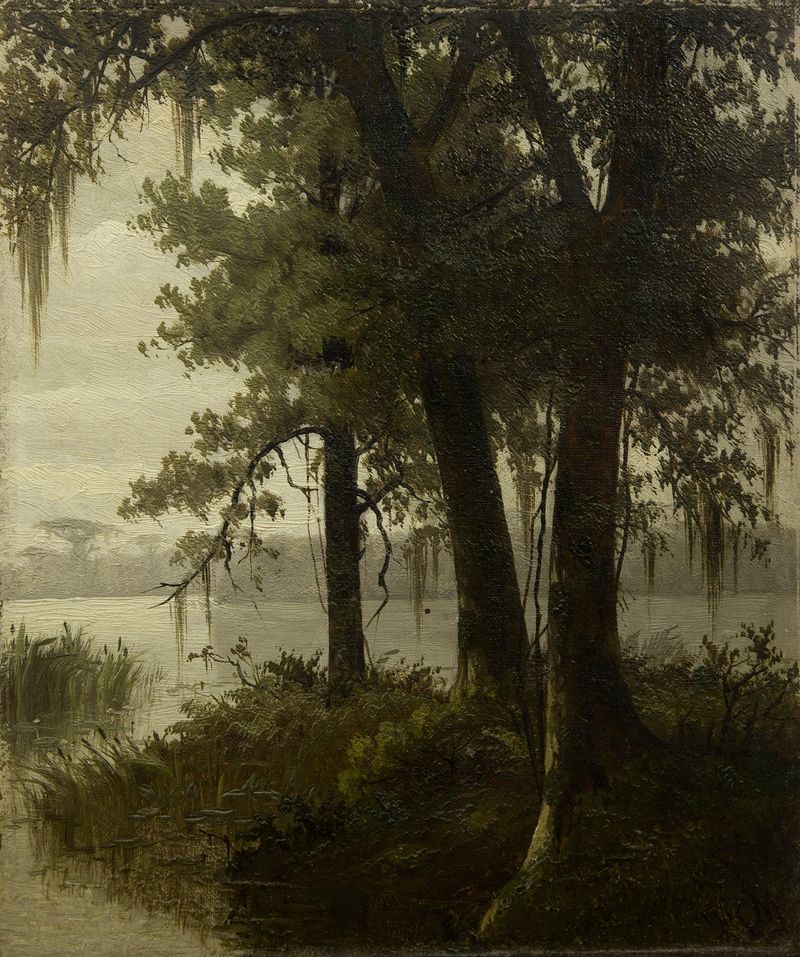
Swamp Scene
Joseph Rusling Meeker
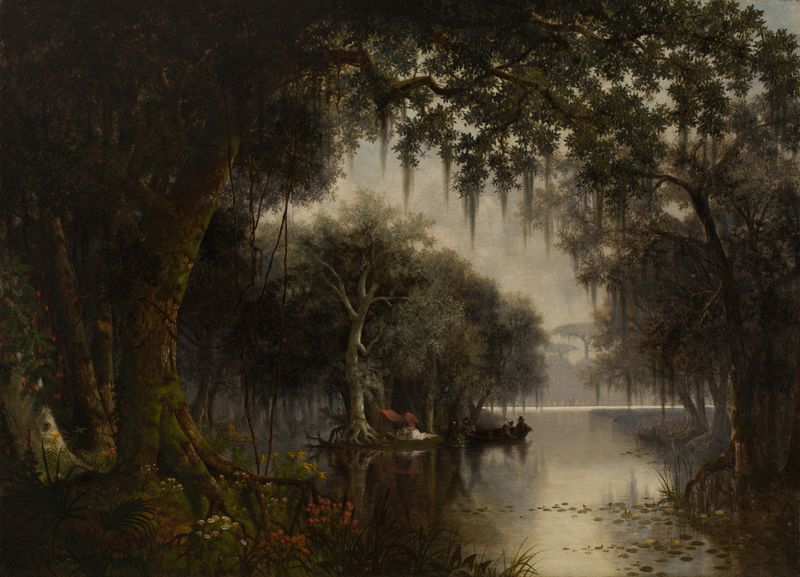
The Land of Evangeline
Joseph Rusling Meeker

Bayou
Joseph Rusling Meeker
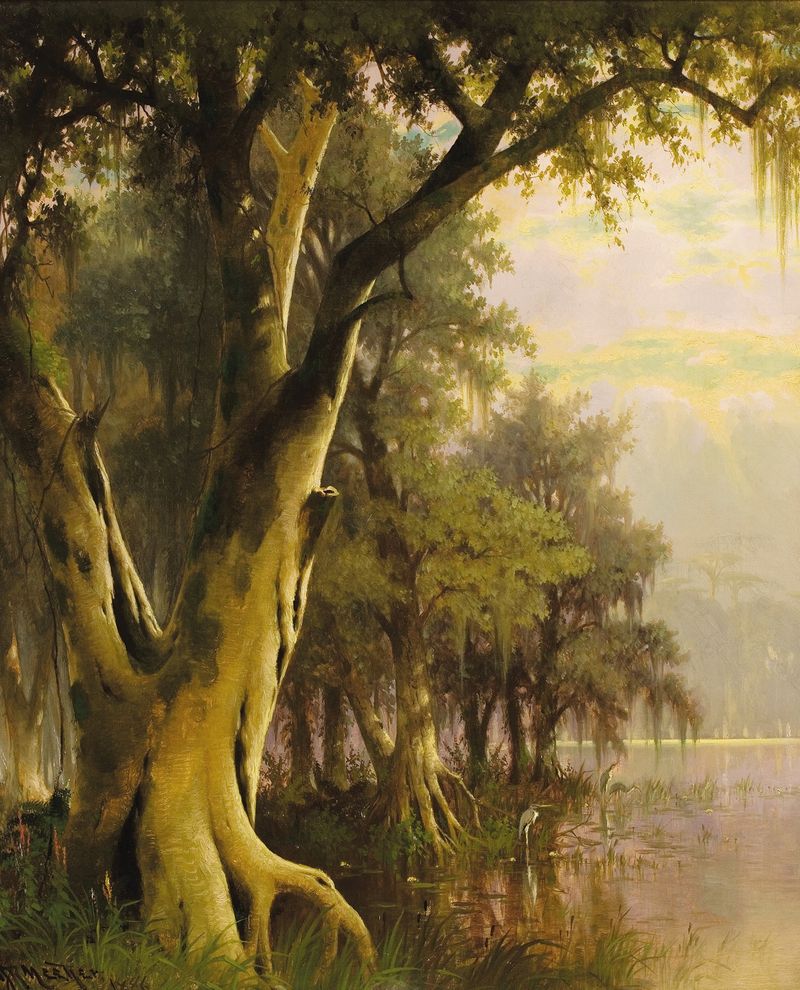
Florida Lowlands
Joseph Rusling Meeker





