
Near the Tombigbee River — History & Facts
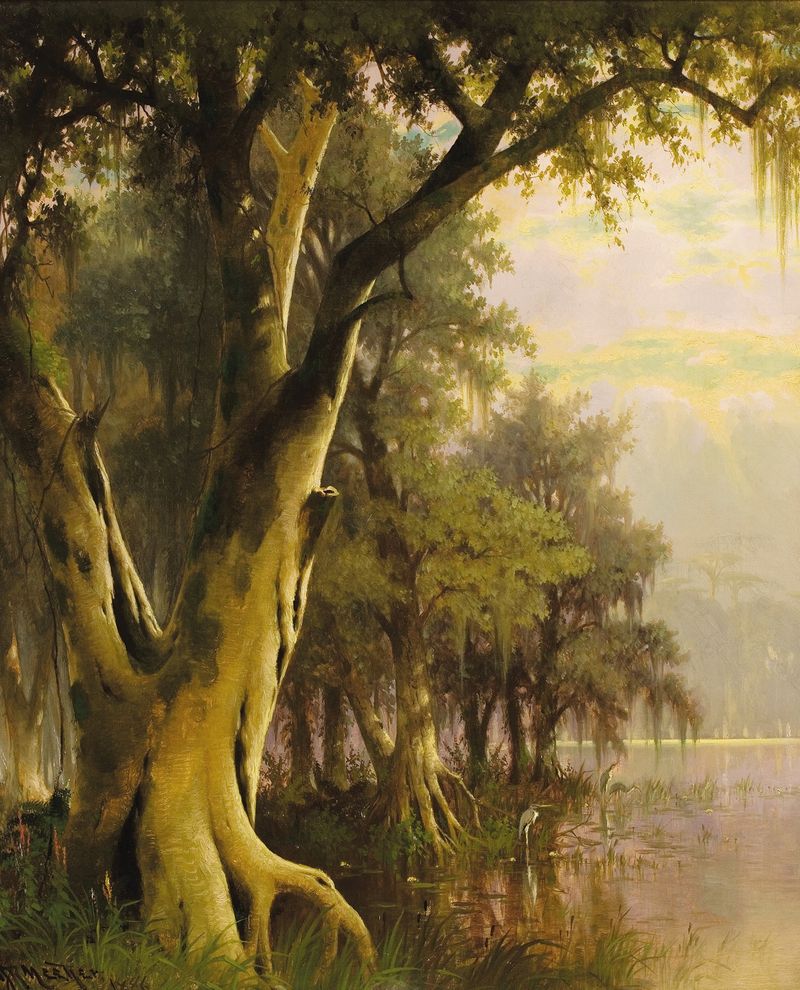
What if silence could speak through light? In Near the Tombigbee River, the interplay of soft hues and gentle shadows invites the viewer into a moment suspended in time, where the whispers of nature come alive in muted elegance. Look to the left at the serene water’s edge, where a delicate reflection of the towering trees dances on the surface. Notice how the golden light bathes the scene, revealing rich greens and earthy browns that blend seamlessly, illustrating the artist's mastery of color harmony. Each brushstroke speaks to the tranquility of the landscape, drawing your eye toward the horizon where the sky melts into shades of pink and lavender, hinting at the approaching twilight. The painting captures not just a moment, but a rich tapestry of memory and introspection.
The stillness of the riverbed symbolizes both peace and solitude, contrasting the vibrancy of the trees that seem to remember the stories of those who wandered these woods. The soft light emanates a sense of longing, evoking the nostalgia often tied to the passage of time and the natural world’s quiet resilience. Created in 1886, this piece reflects Meeker's deep connection to the American landscape during a transformative era in art. Working in Alabama, he embraced the burgeoning Impressionist movement, focusing on the beauty of his surroundings as industrialization began to reshape the country.
His heartfelt depiction of nature captured a fleeting moment of serenity, setting a contemplative tone amidst the rapidly changing world.
More Artworks by Joseph Rusling Meeker
Browse all →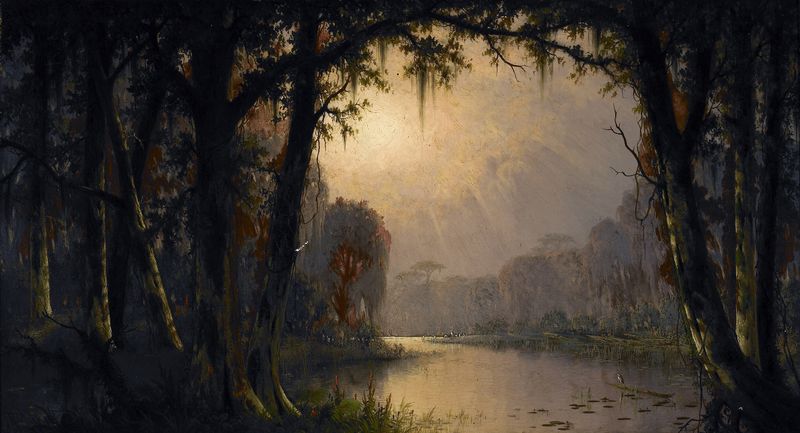
Bayou Teche, Louisiana
Joseph Rusling Meeker

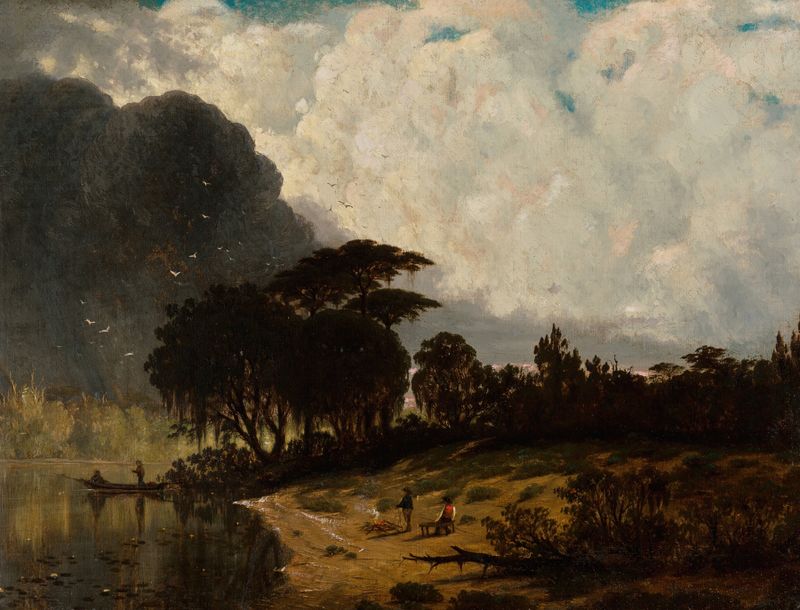
Bayou Scene
Joseph Rusling Meeker
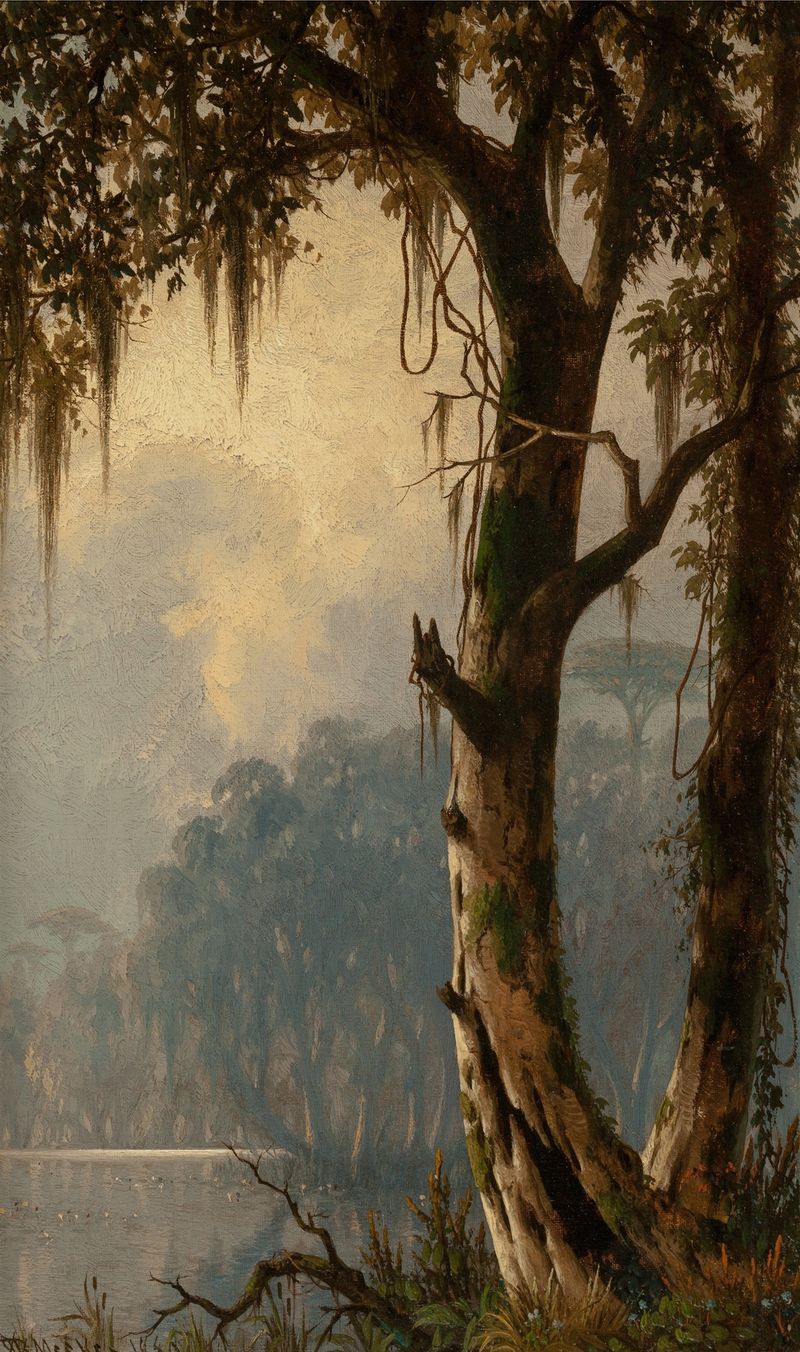
Lake Pontchartrain, Louisiana
Joseph Rusling Meeker
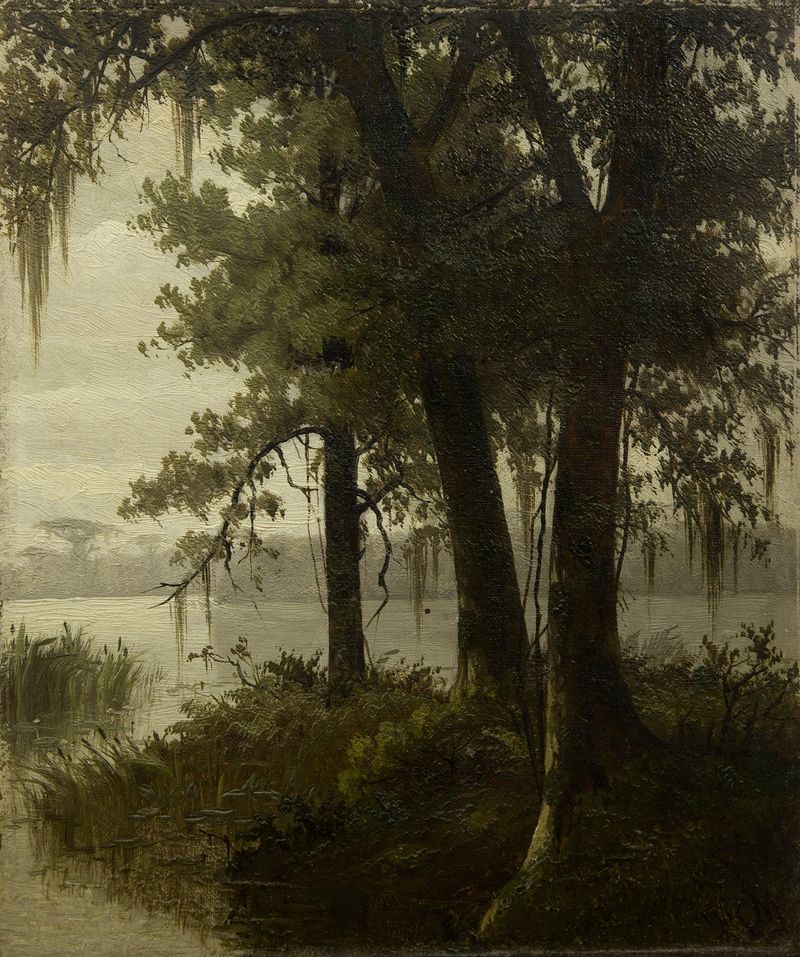
Louisiana Landscape
Joseph Rusling Meeker
Swamp Scene
Joseph Rusling Meeker
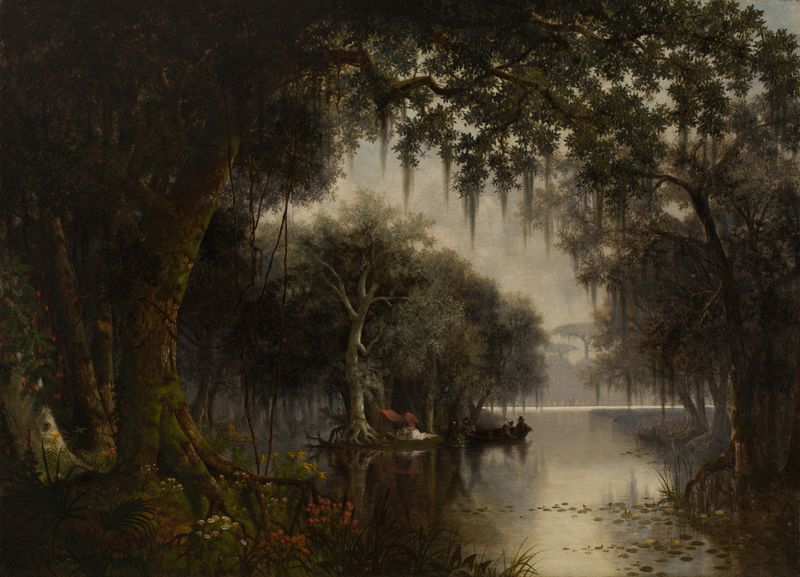
The Land of Evangeline
Joseph Rusling Meeker

Bayou
Joseph Rusling Meeker
Florida Lowlands
Joseph Rusling Meeker

Swamp Scene
Joseph Rusling Meeker





