Bedroom with Saskia in a Canopy Bed — History & Facts
The first thing that catches the eye in Bedroom with Saskia in a Canopy Bed is the intimacy of the moment, as if the viewer has quietly drawn aside a curtain to glimpse a private world. The heavy drapery, rendered with swift, confident lines, encloses a space that feels both grand and deeply personal. At the center, a woman—presumed to be Saskia, Rembrandt’s wife—sits up in bed, her figure emerging from a soft tangle of blankets and pillows.
The light falls gently across her, picking out the folds of fabric and the turn of her head, suggesting she has just awoken or is lost in quiet thought. The number “5” stenciled on the wall hints at a real, lived space, not a stage set, grounding the scene in the everyday. Drawings like this, from the Dutch Golden Age, were often made as studies or for private enjoyment rather than public display. In the 1630s, artists such as Rembrandt van Rijn were exploring the possibilities of light, shadow, and human presence in domestic interiors.
These works were collected by connoisseurs who prized the immediacy and freshness of the artist’s hand, and they offer a window into the rhythms of seventeenth-century life. History has kept few traces of the daily routines of women like Saskia, but in this quick, searching sketch, the ordinary becomes quietly monumental. The longer you look, the more the silence of the room seems to deepen.
More Artworks by Rembrandt van Rijn

Bathsheba at Her Bath
Rembrandt van Rijn

Aristotle with a Bust of Homer
Rembrandt van Rijn

The Mill
Rembrandt van Rijn
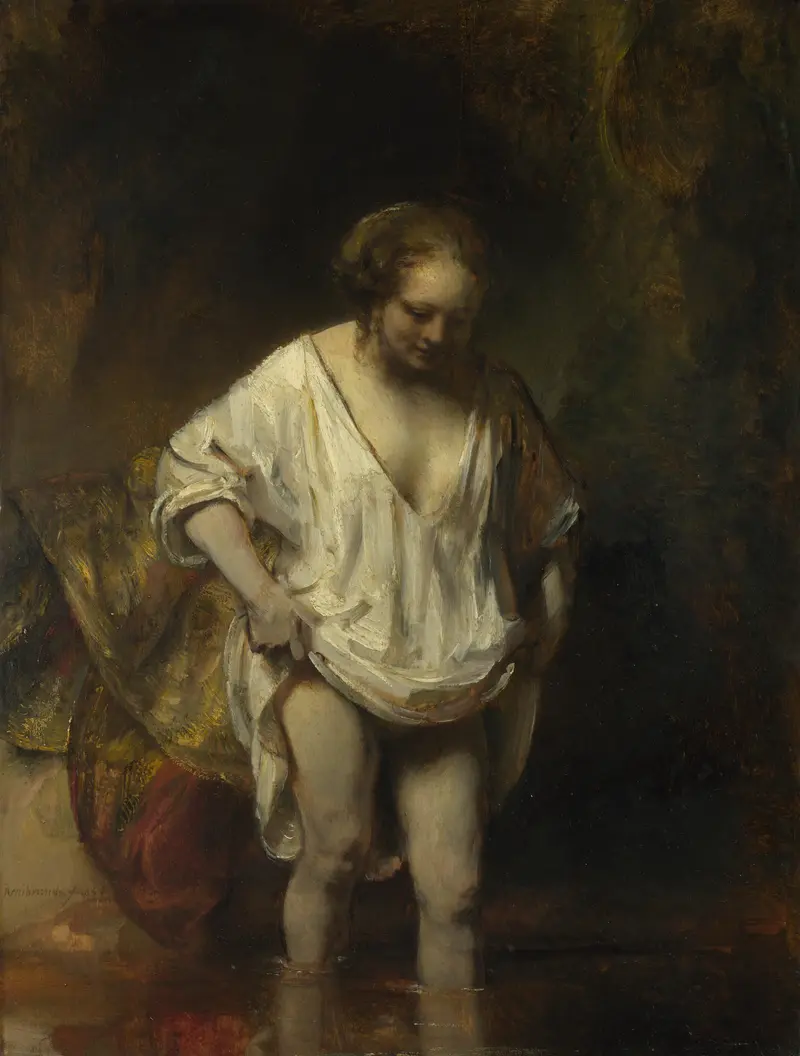
A Woman Bathing in a Stream
Rembrandt van Rijn

Belshazzar’s Feast
Rembrandt van Rijn

Portrait of Marten Soolmans
Rembrandt van Rijn
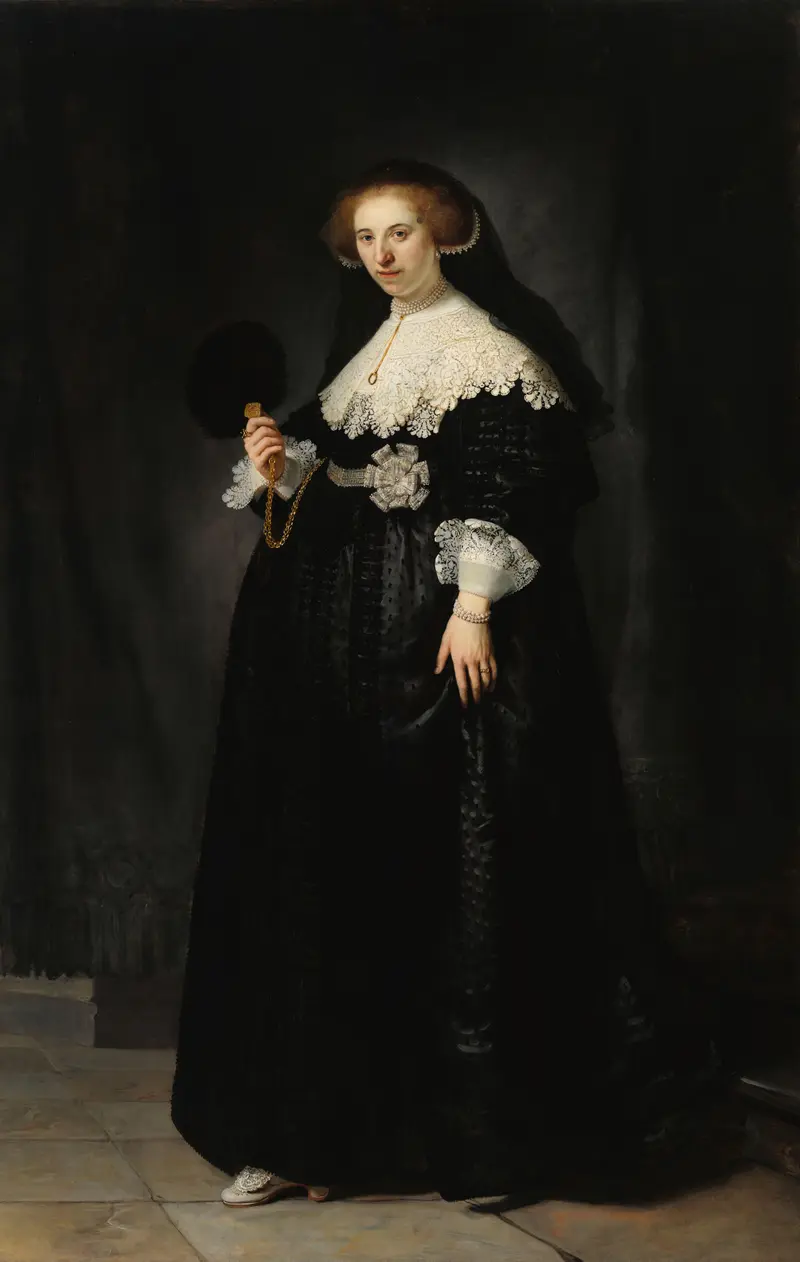
Portrait of Oopjen Coppit
Rembrandt van Rijn

The Prodigal Son in the Tavern
Rembrandt van Rijn

The Return of the Prodigal Son
Rembrandt van Rijn
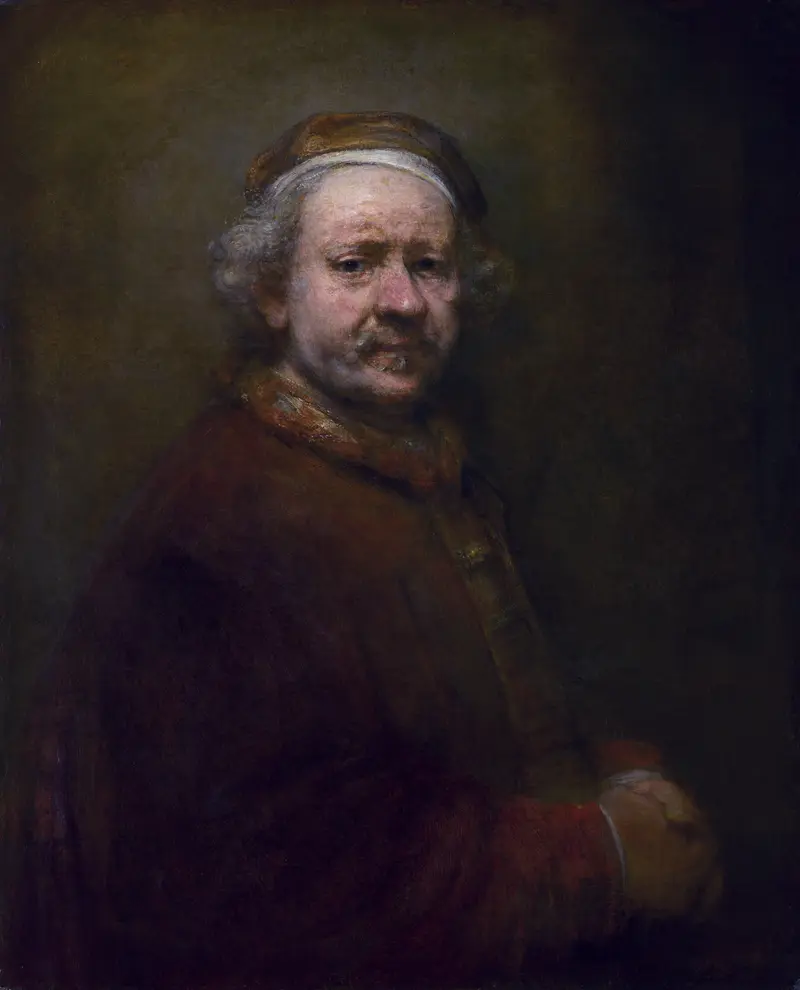
Self-Portrait at the Age of 63
Rembrandt van Rijn