
Beehives — History & Facts
Who listens when art speaks of silence? In Beehives, Jan Stanisławski captures the quietude of rural life, inviting the viewer to reflect on the nostalgia of simpler times. Look to the soft, muted palette that envelops the scene, where gentle greens and warm earth tones blend seamlessly to create a harmonious landscape. The beehives, nestled among blossoming trees, draw the eye with their rounded forms amid the lush foliage. Notice how the dappled sunlight filters through the leaves, casting a delicate glow that illuminates the textures of bark and blossom, inviting you to step closer and feel the tranquil atmosphere. The painting evokes a sense of serenity, yet it also holds a whisper of longing.
The empty space around the beehives symbolizes absence—a quiet hint at the toil of life now past. The bees, while unseen, hint at the bustling activity of a world that thrives just beyond the frame, capturing the tension between stillness and life. This juxtaposition of presence and absence resonates deeply, stirring memories of a time when nature and labor intertwined seamlessly. In 1884, Stanisławski painted this piece while living in Poland, a period marked by a burgeoning national consciousness and a return to folk themes in art.
Embracing realism, he sought to capture the essence of rural life, influenced by the broader movement towards depicting nature and everyday scenes. As his contemporaries explored urban settings, this focus on pastoral serenity helped establish a unique voice within the art community.
More Artworks by Jan Stanisławski
Browse all →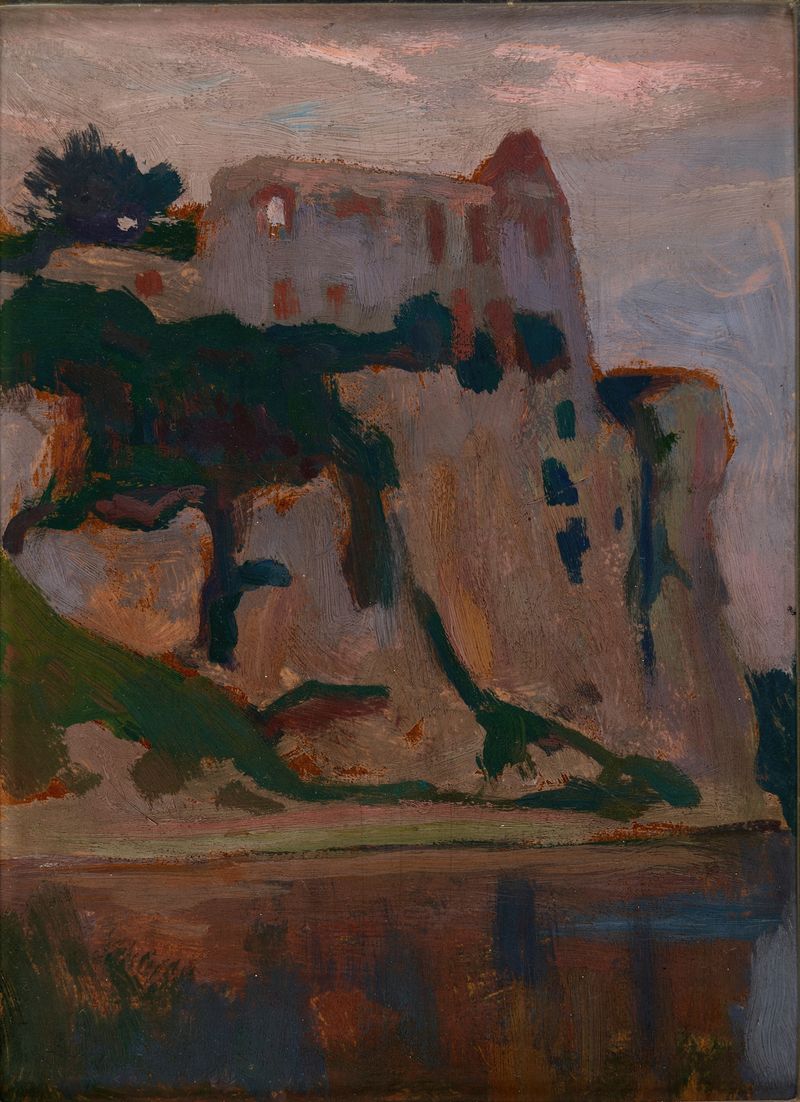
Tyniec at Dawn
Jan Stanisławski
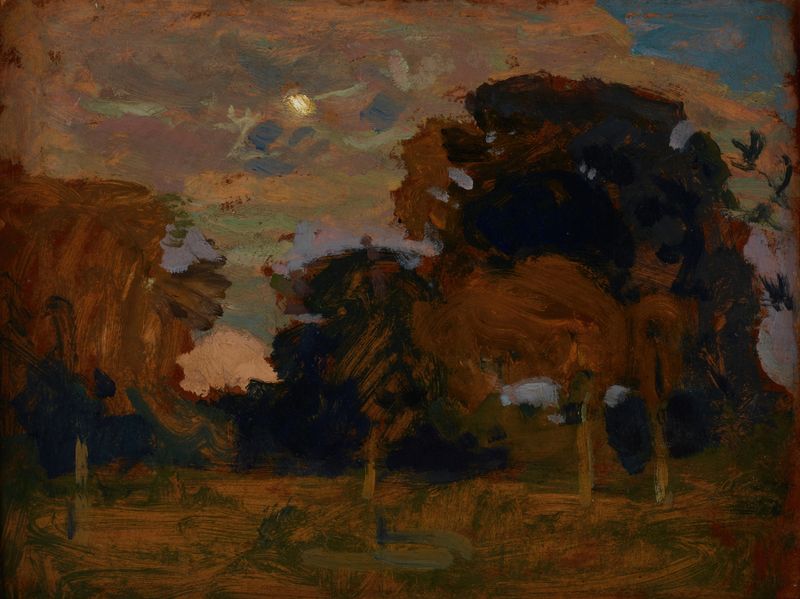
Moon in the Clouds
Jan Stanisławski
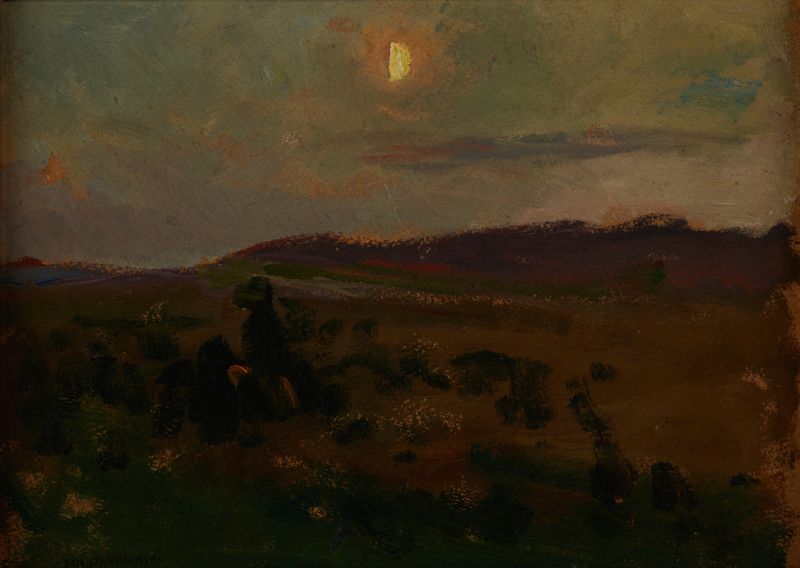
Moonrise
Jan Stanisławski
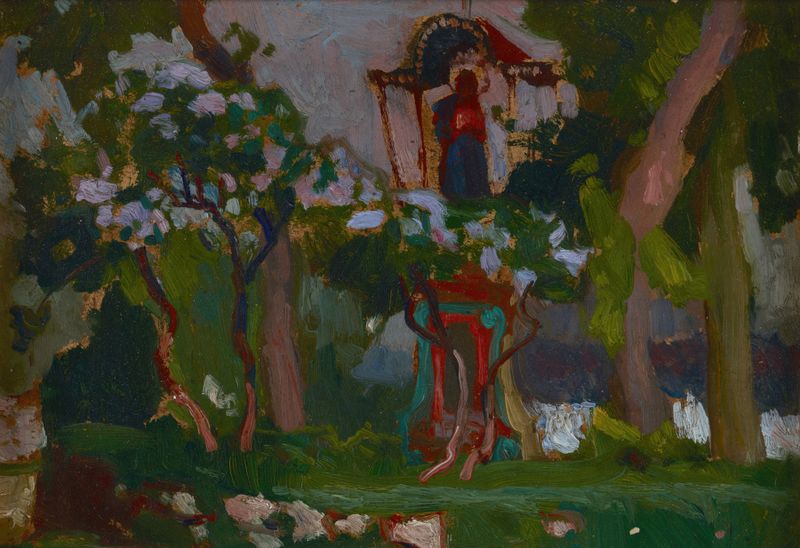
May
Jan Stanisławski
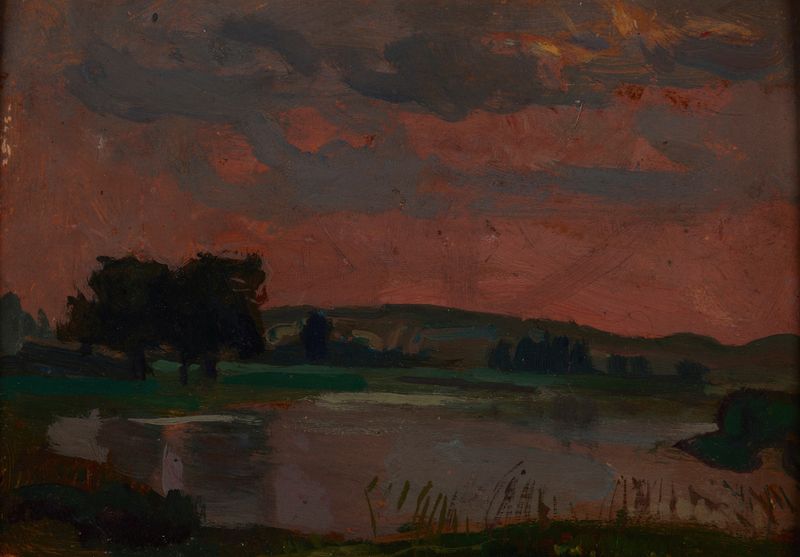
The Vistula in the Twilight
Jan Stanisławski
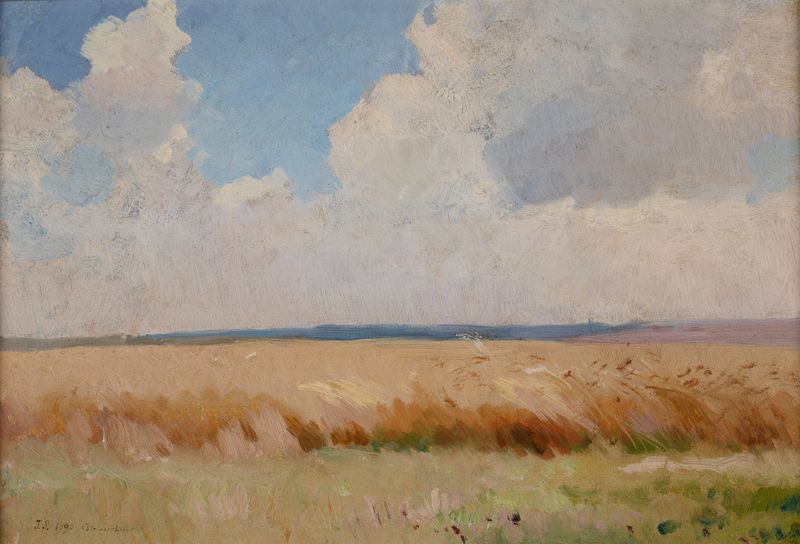
Field at Białocerkiew (Bila Tserkva)
Jan Stanisławski
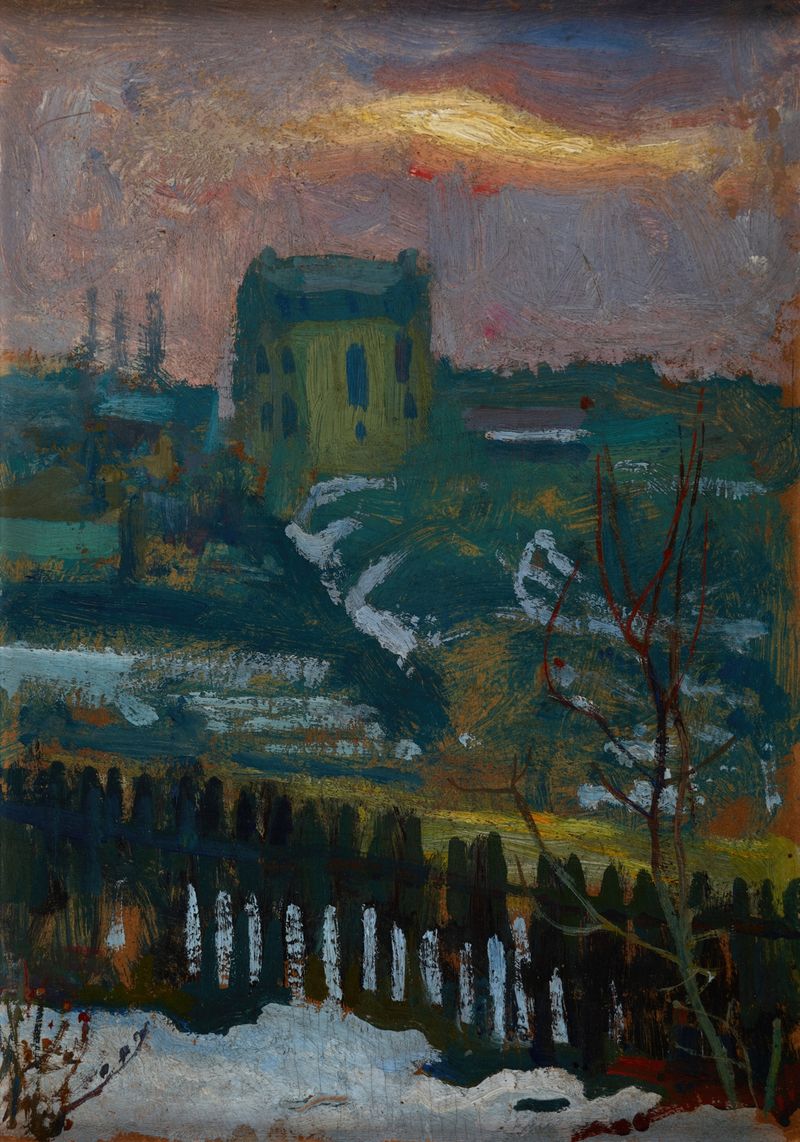
House in Winter
Jan Stanisławski
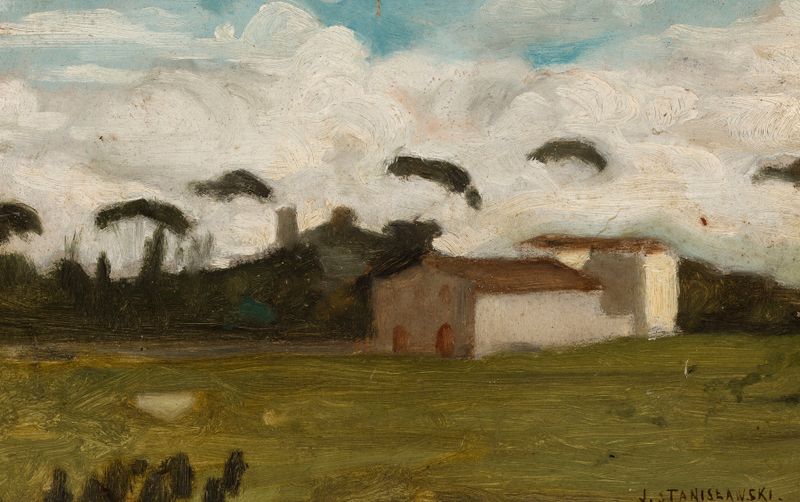
Landscape
Jan Stanisławski
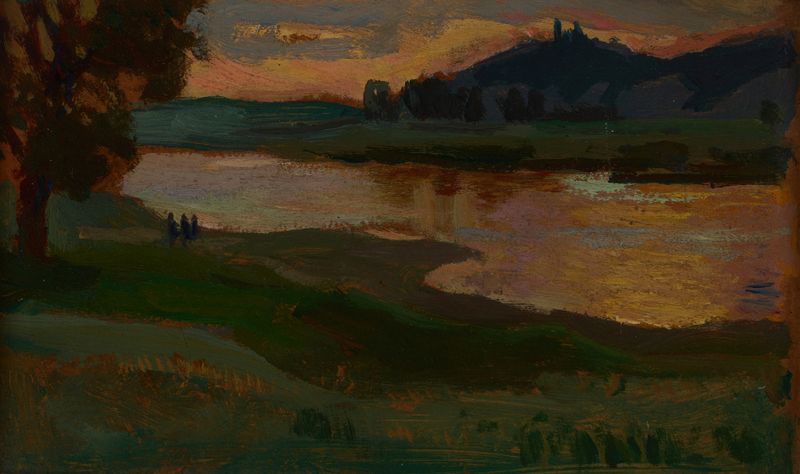
Bielany at Dusk
Jan Stanisławski
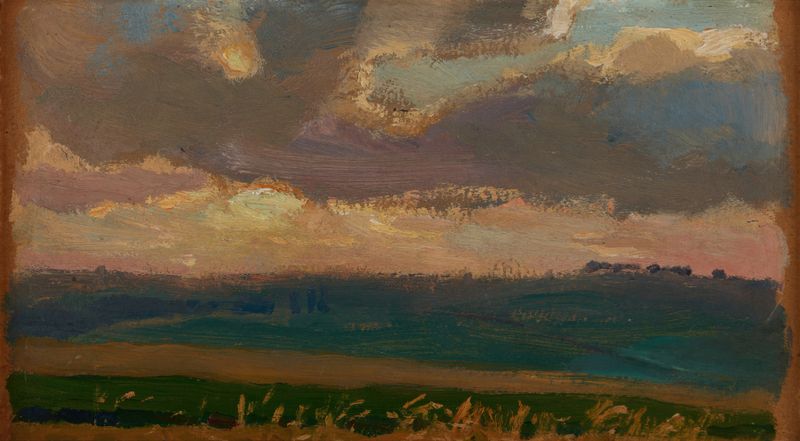
Fields at Proszowice
Jan Stanisławski





