Beeld van leeuw als symbool van evangelist Marcus — History & Facts
In a realm where silence often reigns, the true nature of existence unfurls through the artist's brush, whispering secrets of humanity and divinity alike. Begin your exploration by focusing on the lion depicted at the center of the canvas, its majestic form exuding both strength and grace. The rich browns and golden hues of its fur seem to shimmer in the light, each stroke of paint adding texture and depth, inviting you to reach out and touch it. Notice how the artist has framed the lion within a harmonious composition, surrounded by delicate vegetation that contrasts the raw power of the creature, heightening its significance as a symbol of the evangelist Marcus. Delve deeper into the painting's layers, and you’ll discover the interplay of light and shadow that evokes a sense of contemplation.
The lion’s fierce gaze not only commands attention but also symbolizes courage and truth, reflecting the spiritual journey of those who seek enlightenment. In its poised stance lies a tension between earthly might and heavenly purpose, serving as a reminder of faith’s strength amidst chaos. Lucas Cranach the Elder created this work between 1509 and 1549, during a time of significant upheaval in Europe marked by the Reformation. Based in Wittenberg, he was engaged with the shifting tides of religious thought, intertwining his artistry with the burgeoning Protestant movement.
This painting, imbued with both political and spiritual resonance, encapsulates the era's quest for identity and meaning.
More Artworks by Lucas Cranach (I)
Browse all →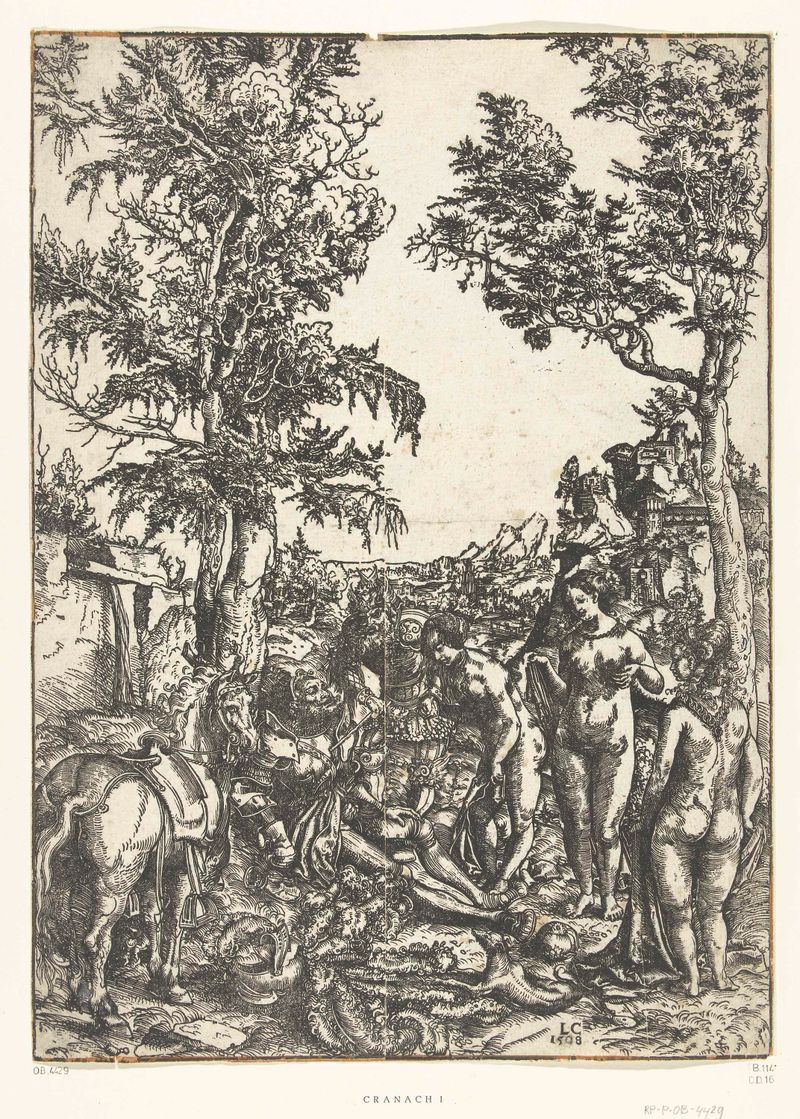
Oordeel van Paris
Lucas Cranach (I)
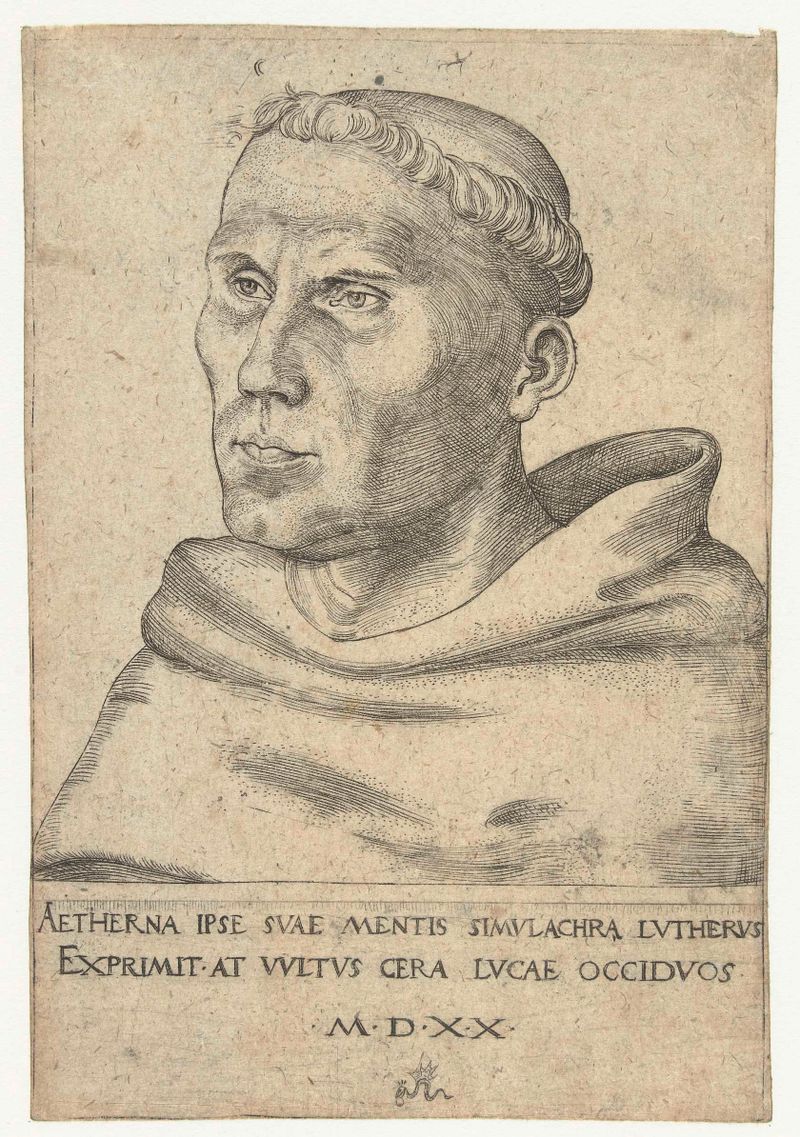
Portret van Martin Luther als Augustijner monnik
Lucas Cranach (I)
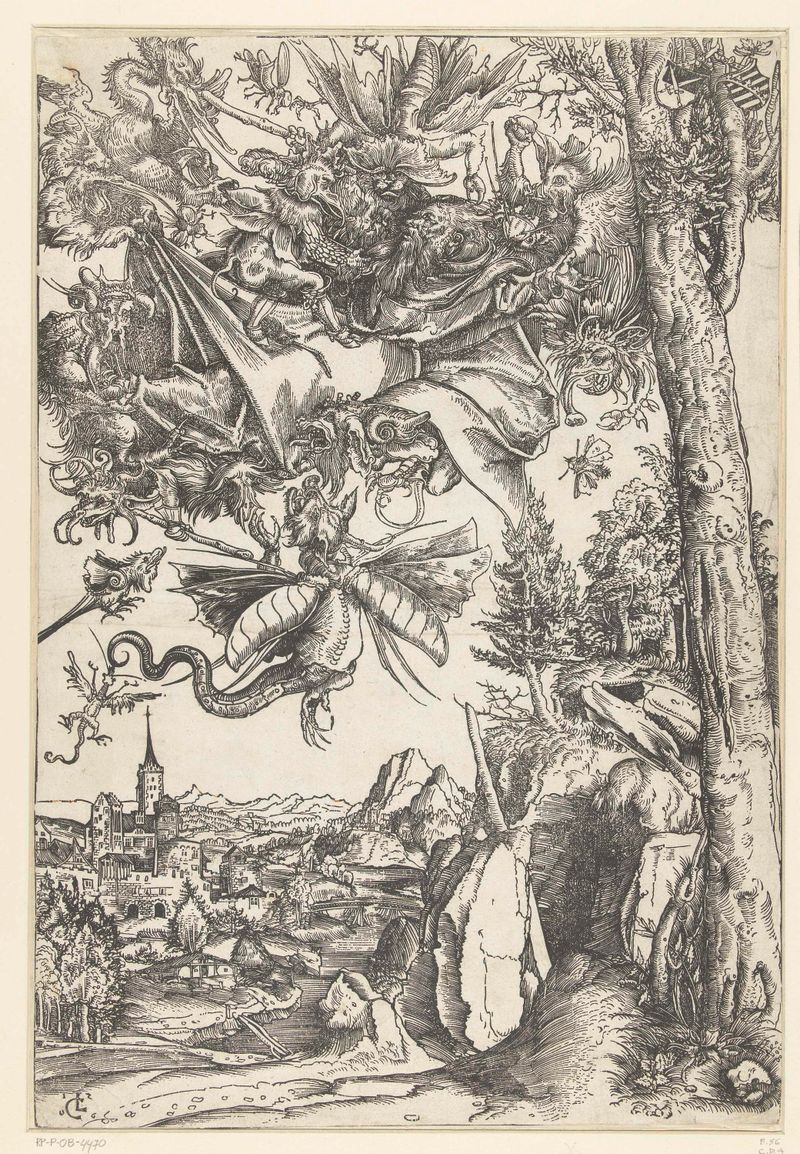
Verzoeking van Antonius met aanval door demonen
Lucas Cranach (I)

Christus en de Samaritaanse vrouw
Lucas Cranach (I)

Duits toernooi met twee edelmannen als ridders te paard
Lucas Cranach (I)
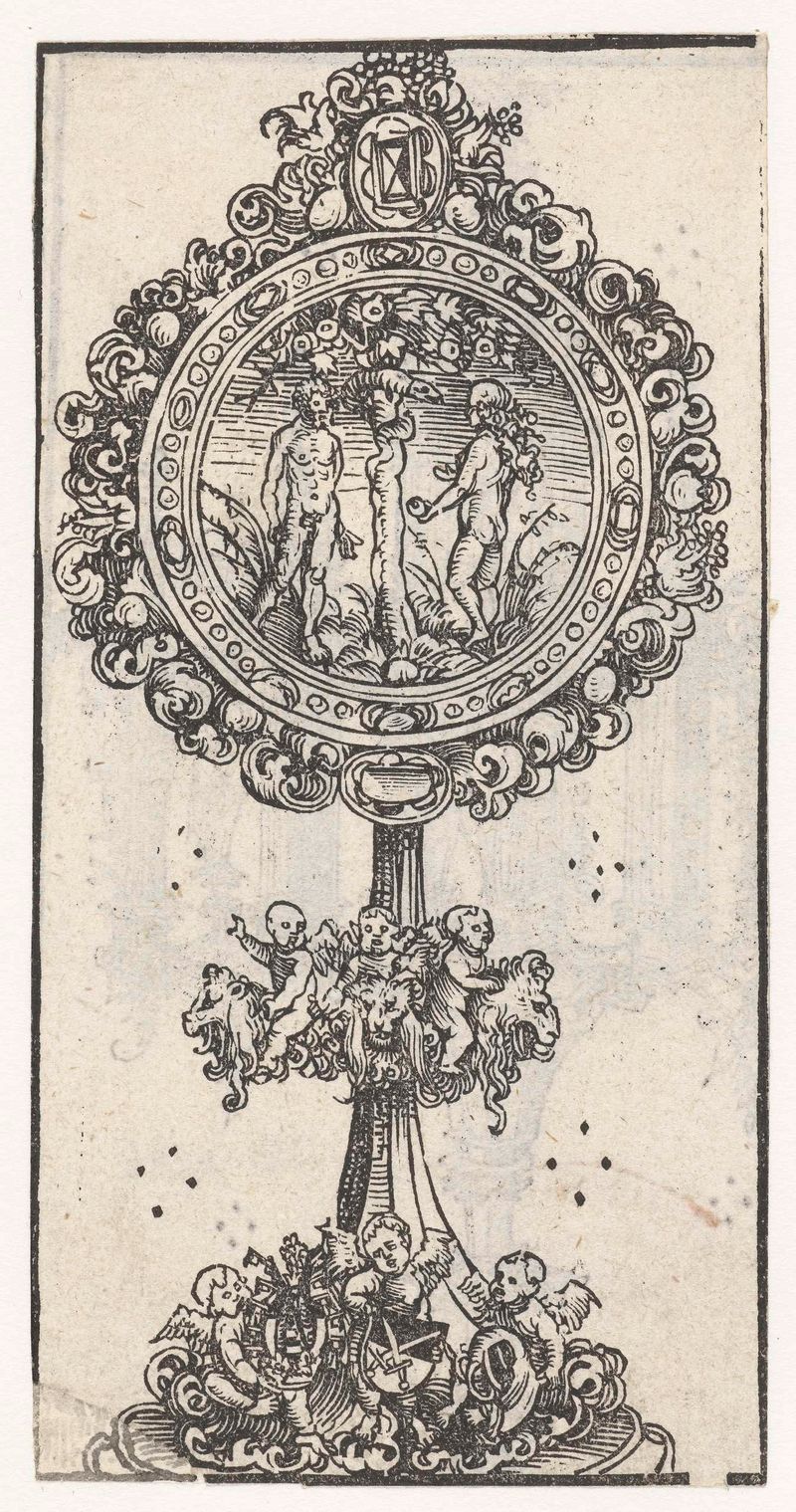
Reliekhouder met de verzoeking van Adam en Eva
Lucas Cranach (I)

Intocht van Christus in Jerusalem
Lucas Cranach (I)
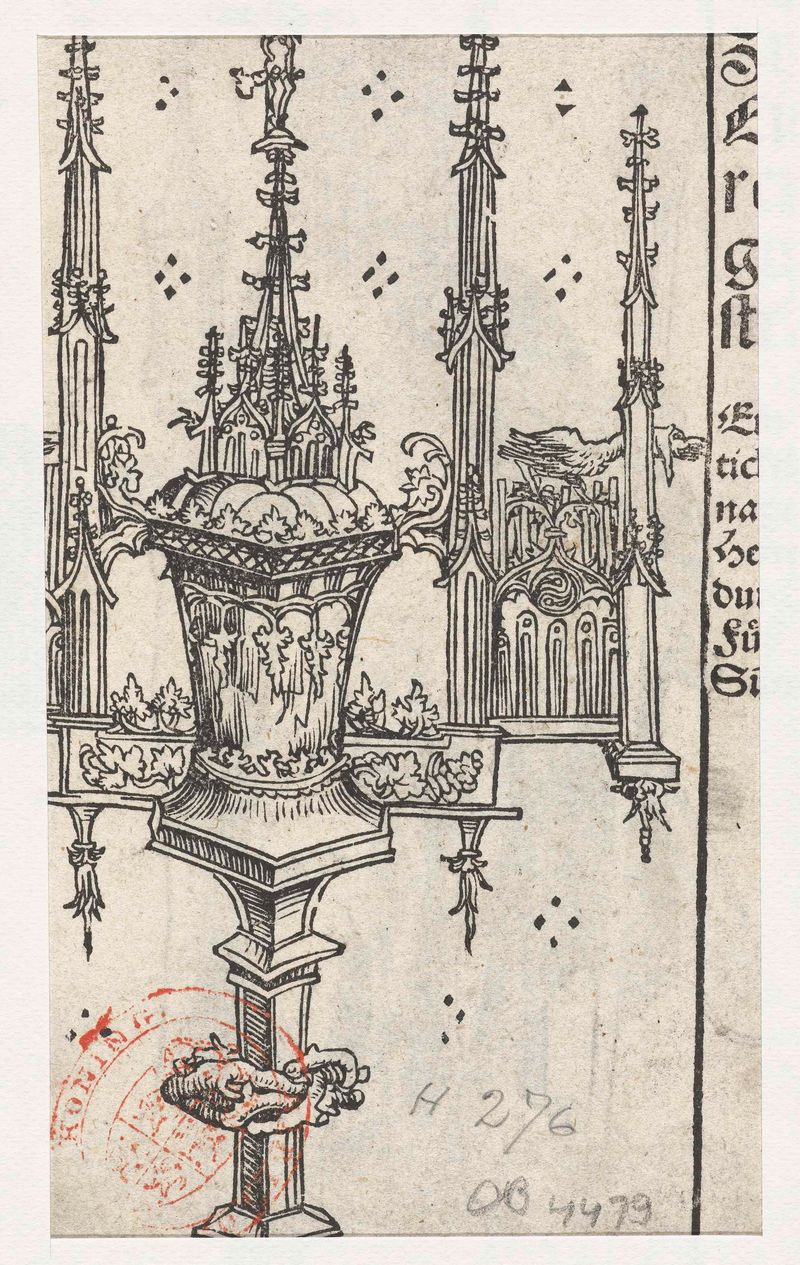
Monstrans met vogel (pelikaan)
Lucas Cranach (I)
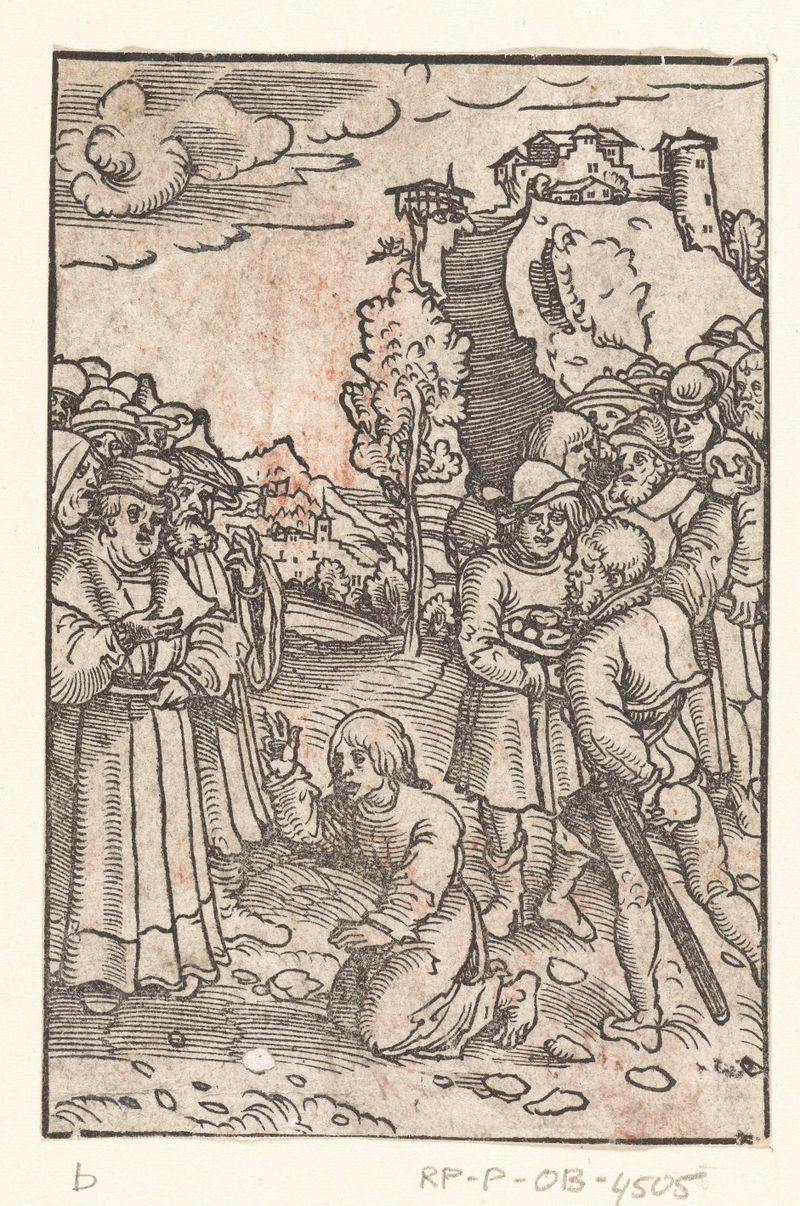
Steniging van Stefanus
Lucas Cranach (I)
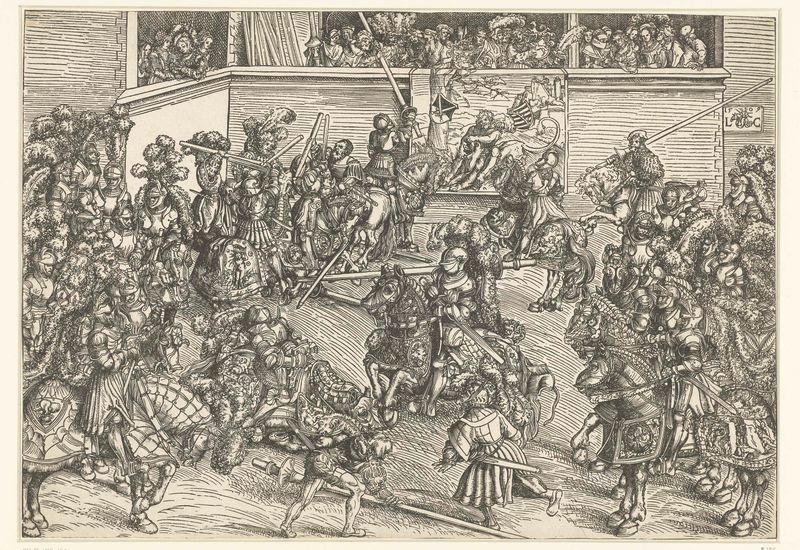
Toernooi van het keurvorstelijk hof van Saksen met wandtapijt Simson doodt de leeuw
Lucas Cranach (I)