
Begrafenis van Jozef — History & Facts
When did color learn to lie? In a world where truth and deception dance hand in hand, every brushstroke carries a weight all its own. Look to the left at the somber figures gathered in mourning, their faces painted with palpable grief. The muted palette of browns and grays envelops the scene, grounding the viewer in its somber reality. Notice how the light filters through the window, illuminating the stark white of the shroud covering the body in the center—an anchor in a sea of despair.
Each detail—the intricate folds of the fabric, the subtle expressions of the attendees—invites a deeper examination of their shared sorrow. The painting captures an emotional tension between life and death, revealing not only the mourning for the deceased but also the societal connections that tether the figures together. The juxtaposition of the vibrant, almost lifelike textures of the mourners against the stillness of the deceased elicits a contemplation of mortality and legacy. In this moment, truth emerges from the contrasts of human emotion and the inevitable passage of time. In 1538, the artist was immersed in the tensions of the Reformation, navigating the complexities of faith and representation.
Begrafenis van Jozef was painted during a period when Holbein was working in England, having already established himself as a master of portraiture and narrative scene. This piece reflects not only his unparalleled skill in capturing the human condition but also the cultural dialogues surrounding death and remembrance in a reformed Europe.
More Artworks by Hans Holbein (II)
Browse all →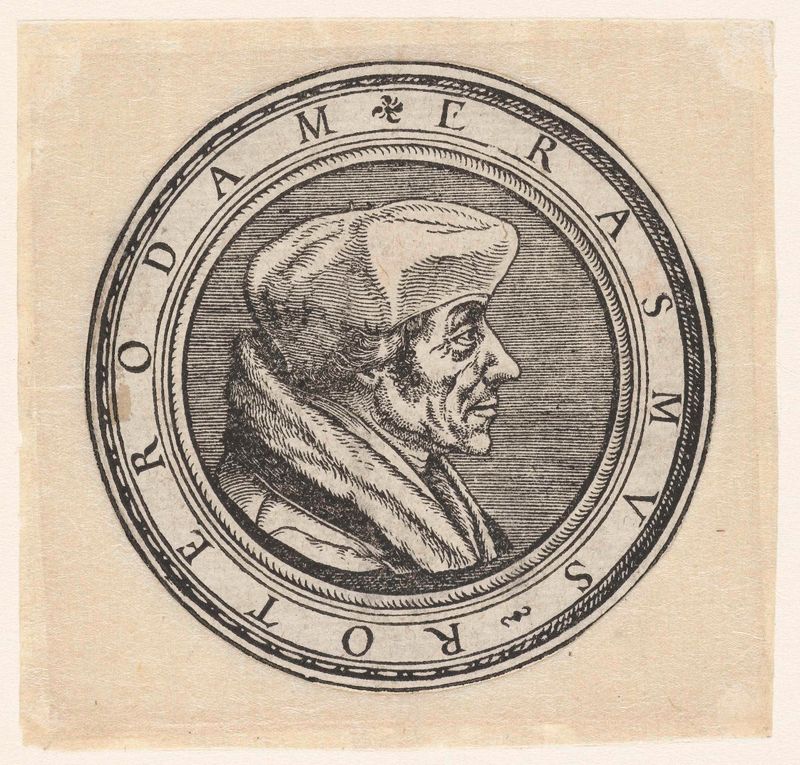
Portret van Erasmus
Hans Holbein (II)
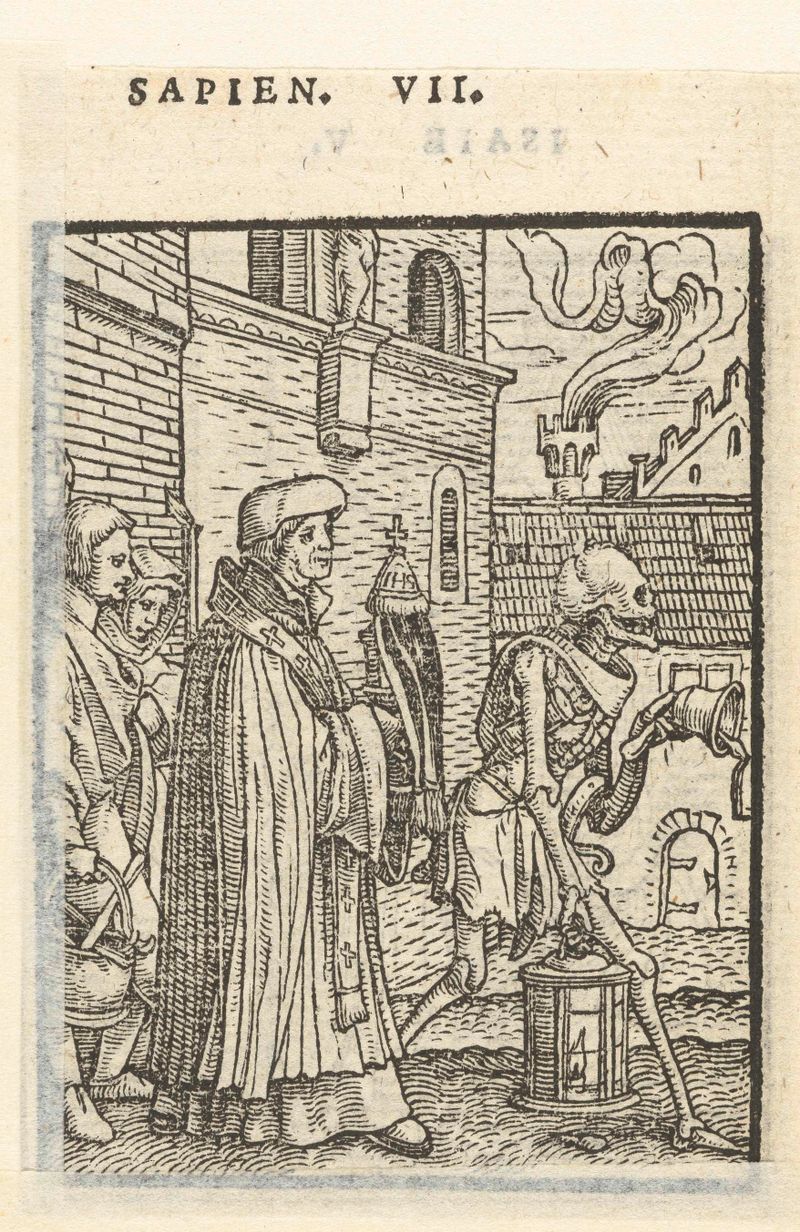
Priester en de Dood
Hans Holbein (II)
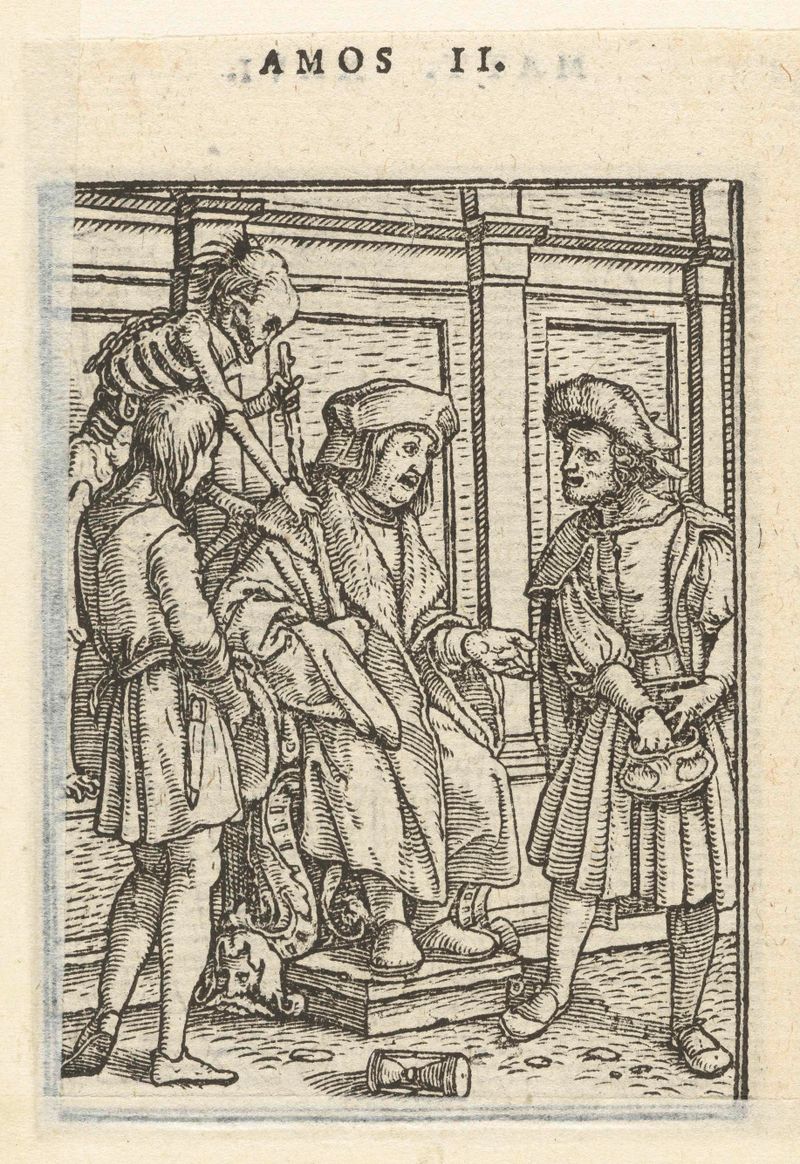
Rechter en de Dood
Hans Holbein (II)
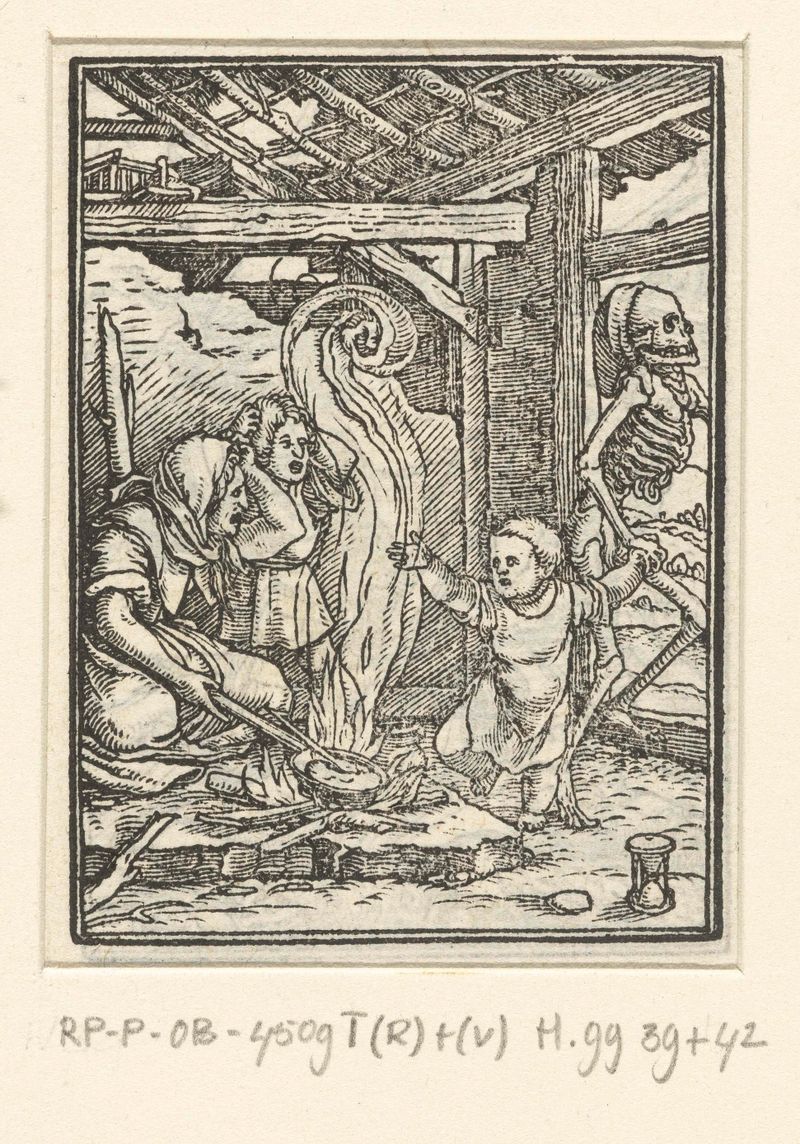
Kind en de Dood
Hans Holbein (II)
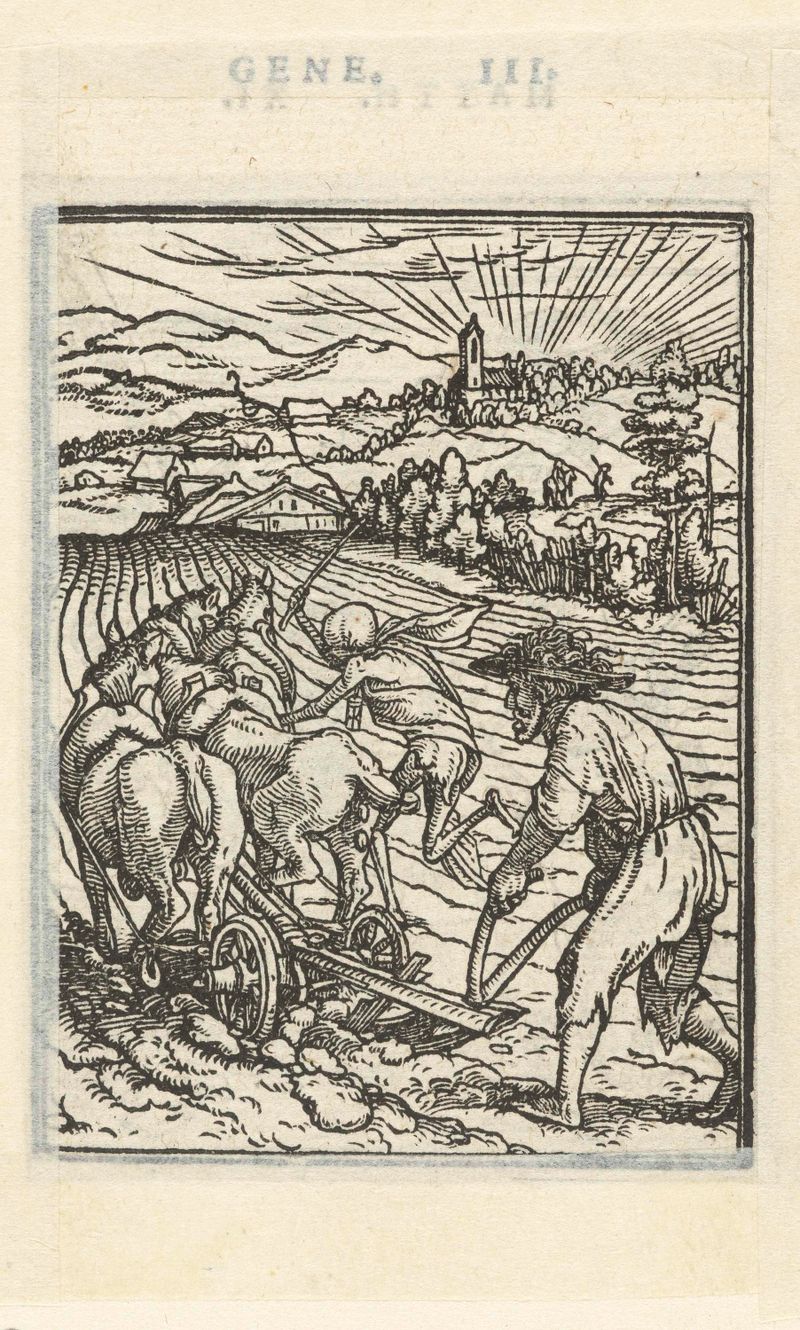
Boer en de Dood
Hans Holbein (II)
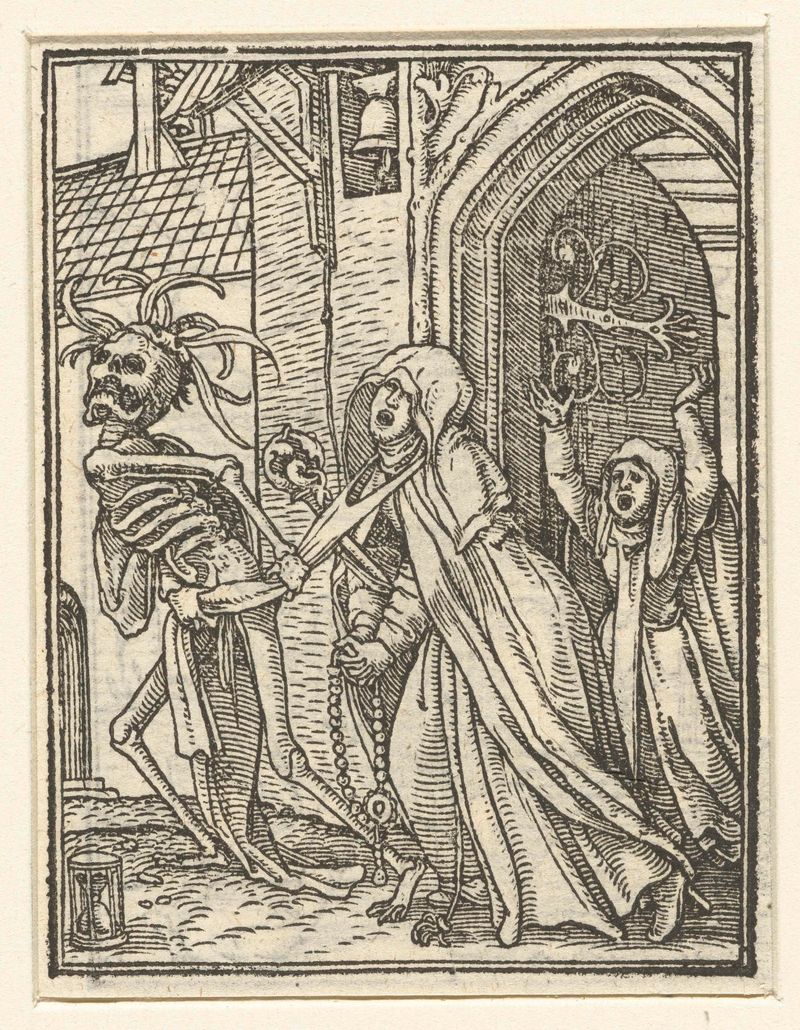
Abdis en de Dood
Hans Holbein (II)
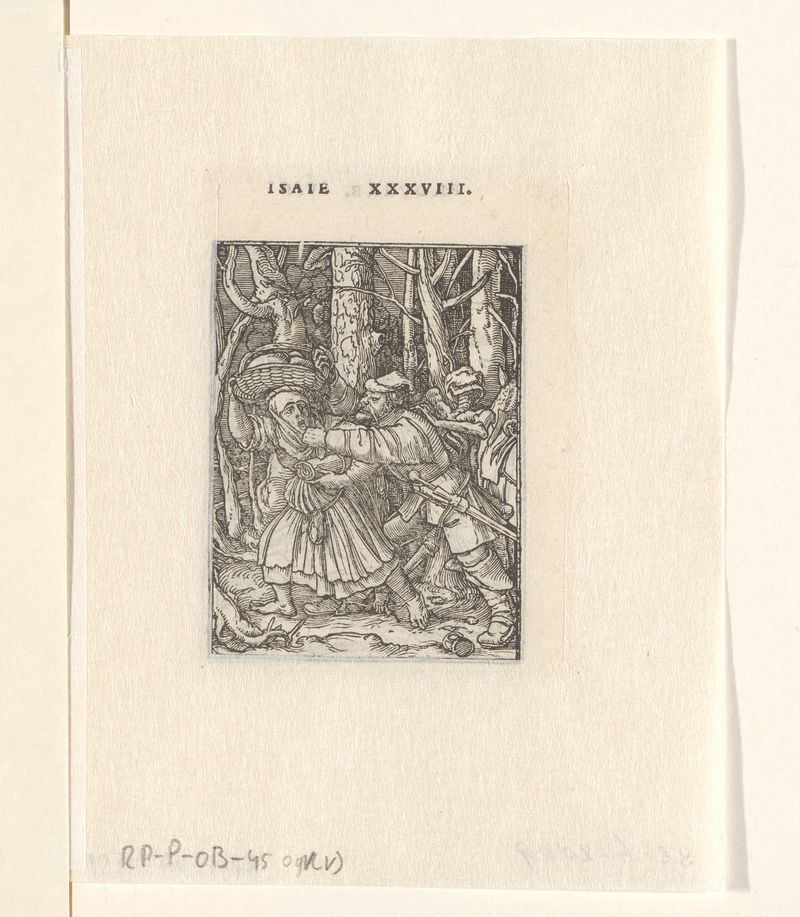
Dief en de Dood
Hans Holbein (II)
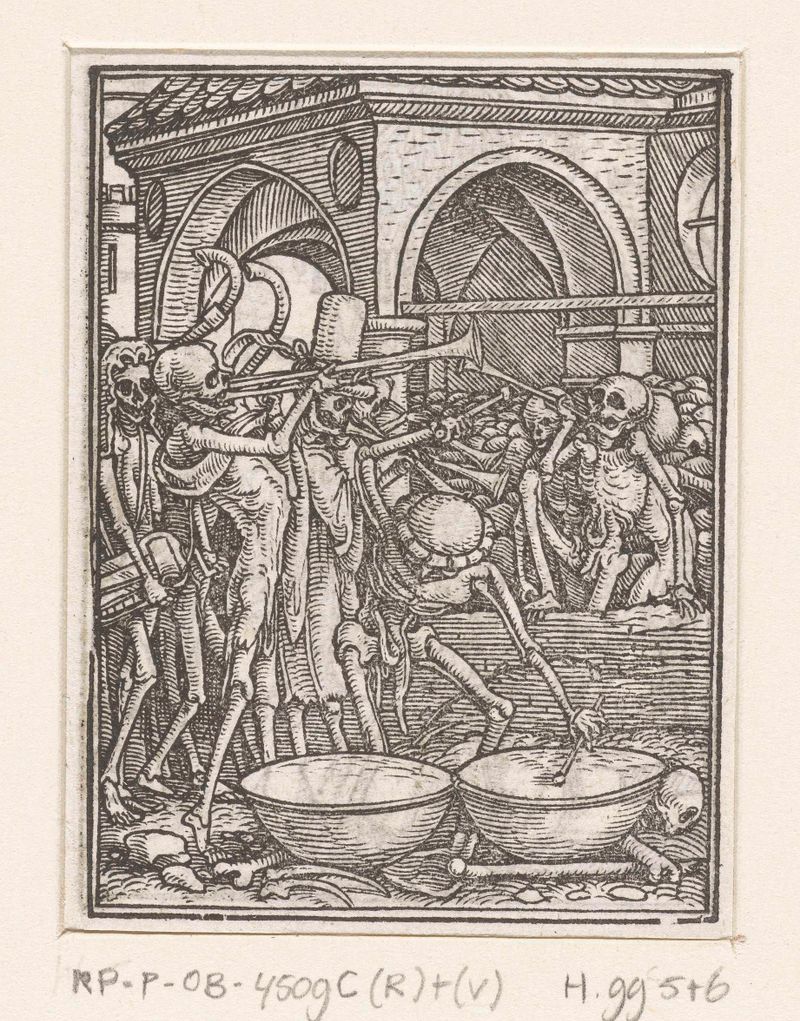
Skeletons Making Music from Dance of the Dead
Hans Holbein (II)
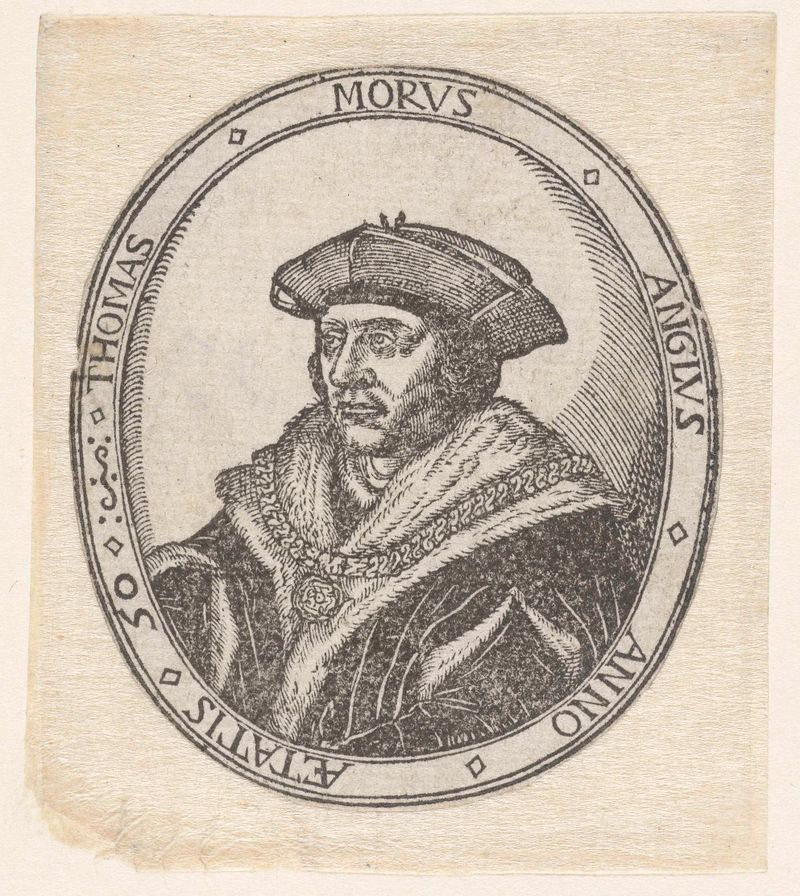
Portret van Thomas More
Hans Holbein (II)
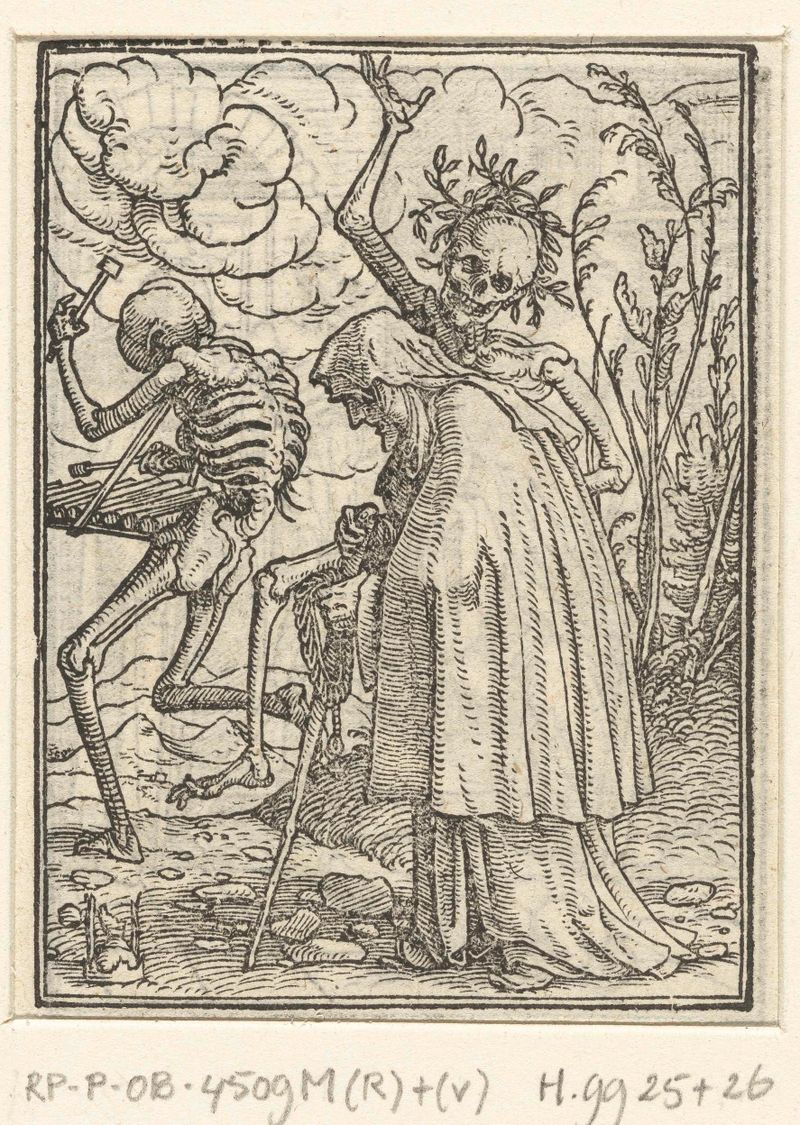
Oude vrouw en de Dood
Hans Holbein (II)
More Religious Art
Browse all →
The Return of the Prodigal Son
Rembrandt van Rijn

The Garden of Earthly Delights
El Bosco

Count Orgaz’ funeral
El Greco

The Hundred Guilder Print: the central piece with Christ preaching, the plate arched
Rembrandt van Rijn

The Descent from the Cross
Rogier van der Weyden

The return of the prodigal son
Rembrandt van Rijn