
Begrafenis van Maria — History & Facts
In the silence of a final farewell, the weight of the moment hangs in the air, thick and palpable. A gathering of mourners, cloaked in grief, bear witness to the passing of a figure shrouded in reverence. Each gesture, every downcast eye, echoes the stillness that envelops them, as if time itself holds its breath in sorrow. First, direct your gaze toward the center of the composition, where the lifeless body rests.
Notice how Callot meticulously captures the delicate folds of the drapery, each brushstroke evoking a texture that seems almost tangible. The interplay of light and shadow defines the contours of the figures around her, illuminating their faces while casting deep shadows that convey a profound sense of loss. The muted palette of grays and earthy tones enhances the somber mood, inviting the viewer to linger in this moment of reflection. As you explore further, observe the contrasts within the scene: the stark stillness of Maria’s form against the turbulent emotions of those gathered.
The anxious hands of the mourners grip each other tightly, a subtle tension revealing their inner turmoil. The contrasting expressions between despair and acceptance speak to the complexity of grief, suggesting that within this sorrow lies an unspoken bond of shared loss. Painted during 1633-1634, this work emerged from Callot's time in Nancy, a period marked by personal tragedy and political unrest in Europe. His deep engagement with the Baroque style and preoccupation with human emotion reflect a broader artistic movement that sought to capture the nuances of existence.
In this work, the artist not only memorializes a moment of loss but also engages in a dialogue about the strength and frailty of the human spirit.
More Artworks by Jacques Callot
Browse all →
Titelprent voor de prentreeks 'De kleine apostelen' (Het martelaarschap van de apostelen)
Jacques Callot
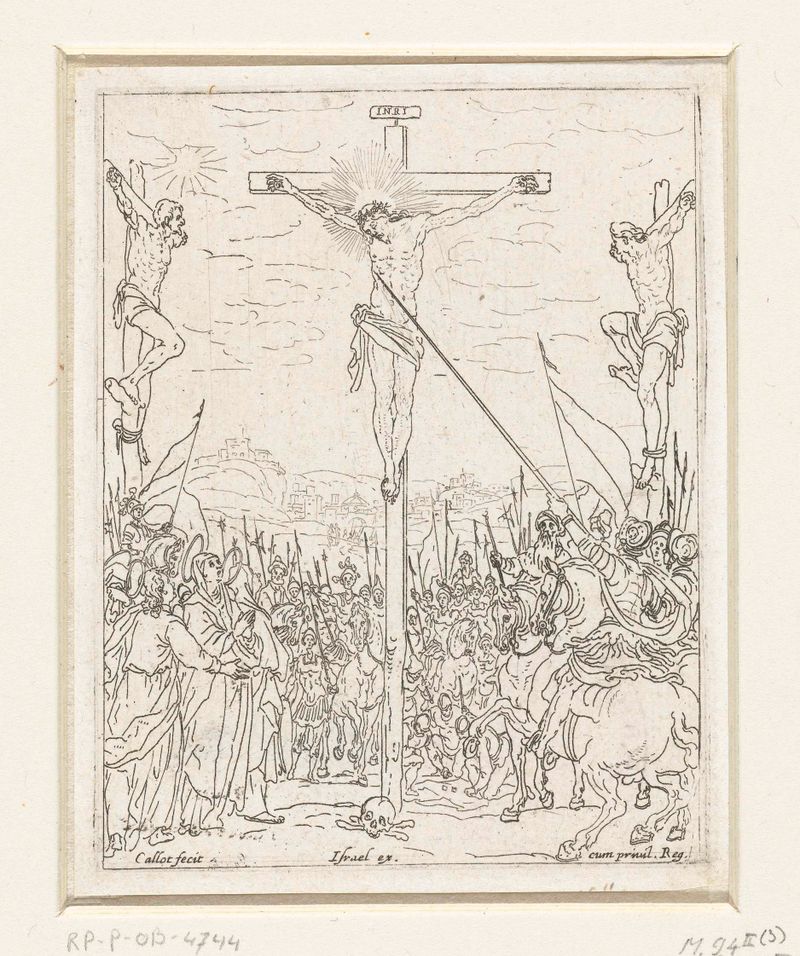
Kruisiging
Jacques Callot

De doortocht door de Rode Zee
Jacques Callot

De verloren zoon als zwijnenhoeder
Jacques Callot

Annunciatie
Jacques Callot
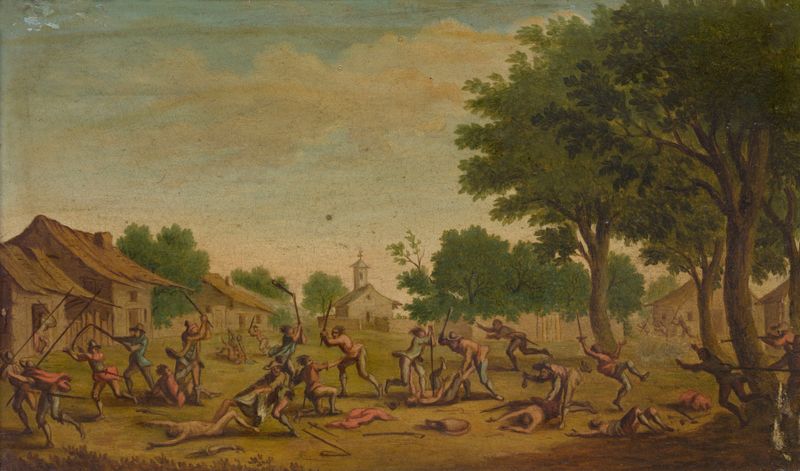
Village Fight
Jacques Callot

Titelprent voor prentreeks 'Het leven van Maria'
Jacques Callot
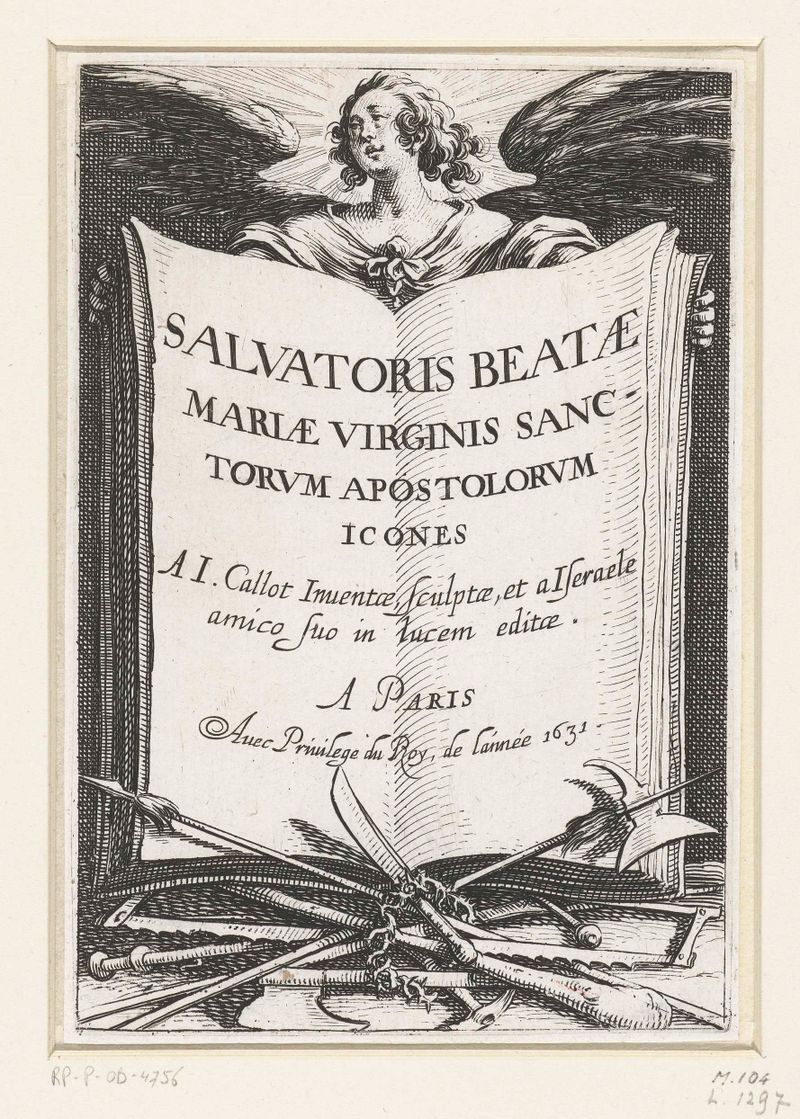
Titelprent voor de prentreeks 'De grote apostelen' (Christus, Maria en de apostelen)
Jacques Callot

Christus aan het volk getoond (Ecce homo)
Jacques Callot
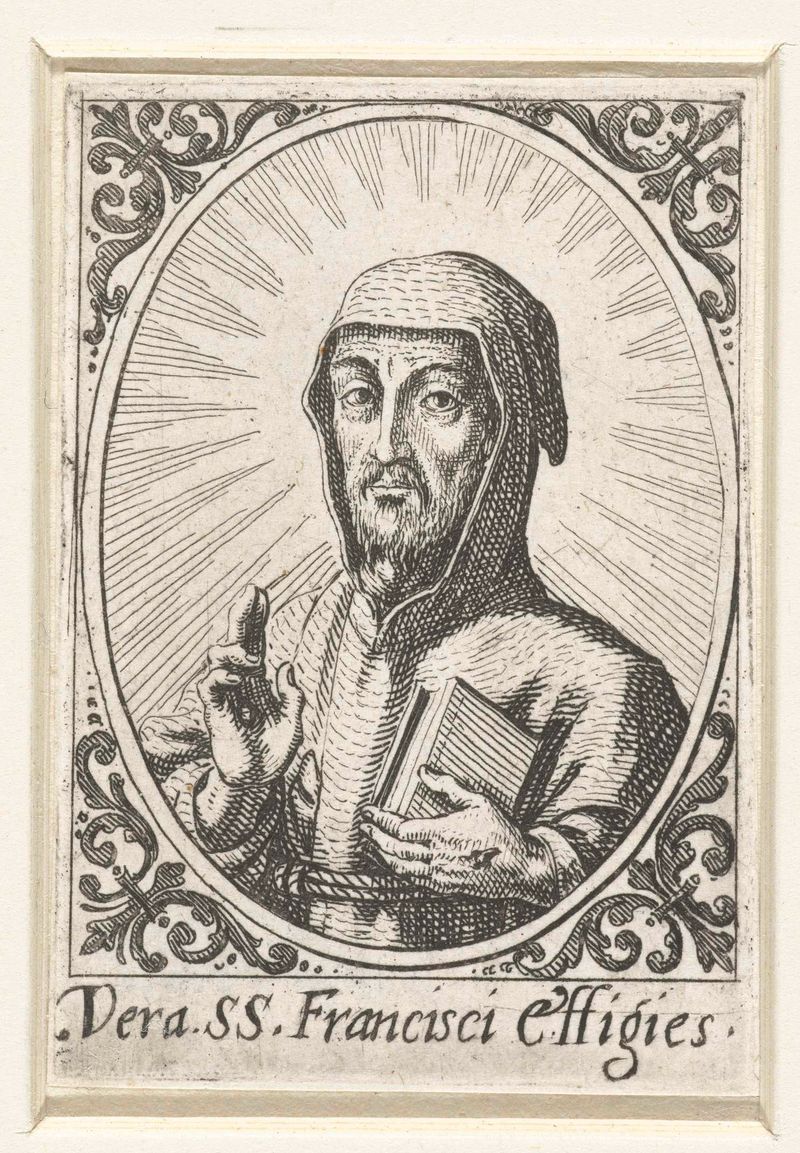
Portret van de Heilige Franciscus
Jacques Callot
More Religious Art
Browse all →
The Return of the Prodigal Son
Rembrandt van Rijn

The Garden of Earthly Delights
El Bosco

Count Orgaz’ funeral
El Greco

The Hundred Guilder Print: the central piece with Christ preaching, the plate arched
Rembrandt van Rijn

The Descent from the Cross
Rogier van der Weyden

The return of the prodigal son
Rembrandt van Rijn