
Beheading of St. John the Baptist and Herod's Banquet — History & Facts
When the painter-monk Fra Angelico set his hand to Beheading of St. John the Baptist and Herod's Banquet around 1430, he was working at a moment when Florence’s religious art was transforming. This panel is remarkable for uniting two dramatic episodes—John’s martyrdom and Herod’s feast—within a single frame, a narrative device rare for its time.
The painting belongs to a group of works created for the convent of San Domenico in Fiesole, where Fra Angelico lived and worked, and where his art was intended as a tool for meditation and teaching. It stands as one of the earliest known depictions to juxtapose the violence of John’s execution with the cold revelry of the court, inviting viewers to contemplate both the cost of prophecy and the allure of power. The scene unfolds at the precise instant after the executioner has struck: John’s body slumps, his severed head presented on a platter, while Salome, Herod’s daughter, receives it with a composed gesture. In the background, the banquet table glitters with gold and fine vessels, Herod and his guests caught mid-feast, their faces turned in curiosity or horror.
The architecture divides sacred from profane, with arches separating the prison from the palace. Light falls gently on John’s pale form, drawing the eye to his sacrifice, while the rich colors of the court emphasize earthly pleasure. Unlike Caravaggio’s later, more visceral Beheading of Saint John the Baptist, Fra Angelico’s version is meditative, focusing on the spiritual gravity of the moment rather than its physical brutality. As with many works from the early Renaissance, the precise journey of this panel is not fully documented.
It was likely part of a predella—a series of narrative scenes beneath a larger altarpiece—crafted for the Dominican friars of Fiesole, whose patronage supported Fra Angelico’s early career. Over centuries, panels like this were dispersed, sometimes cut from their original settings and sold or traded as tastes and collections changed. Today, Beheading of St.
John the Baptist and Herod's Banquet is recognized as a key example of the artist’s narrative clarity and delicate palette, reflecting the devotional aims of the convent and the emerging ideals of the Early Renaissance. Its survival allows us to glimpse both the spiritual life of a 15th-century Florentine monastery and the innovations of one of its most gifted painters.
More Artworks by Fra Angelico

Condemnation of St Lawrence by the Emperor Valerian
Fra Angelico
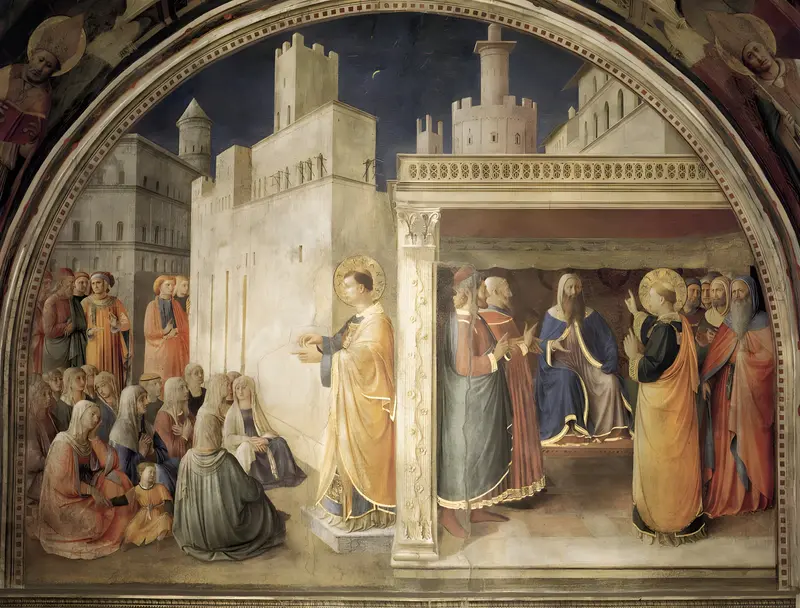
Lunette of the north wall
Fra Angelico
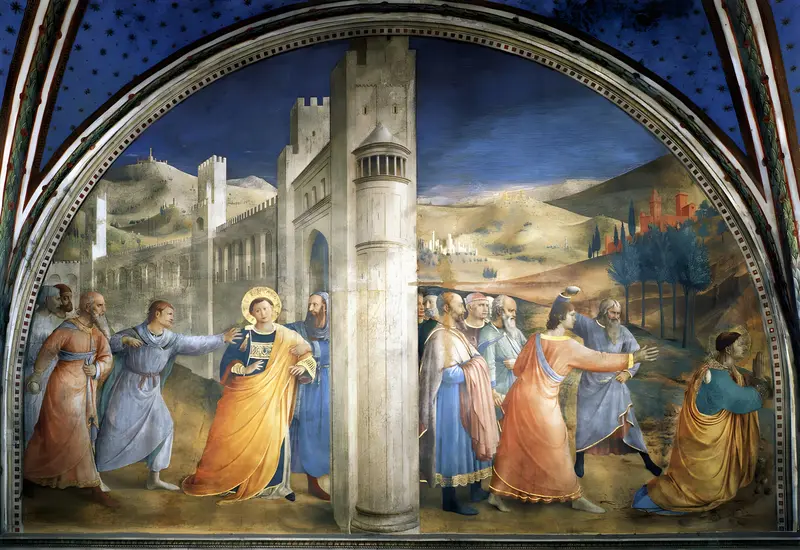
Lunette of the east wall in Niccoline Chapel
Fra Angelico
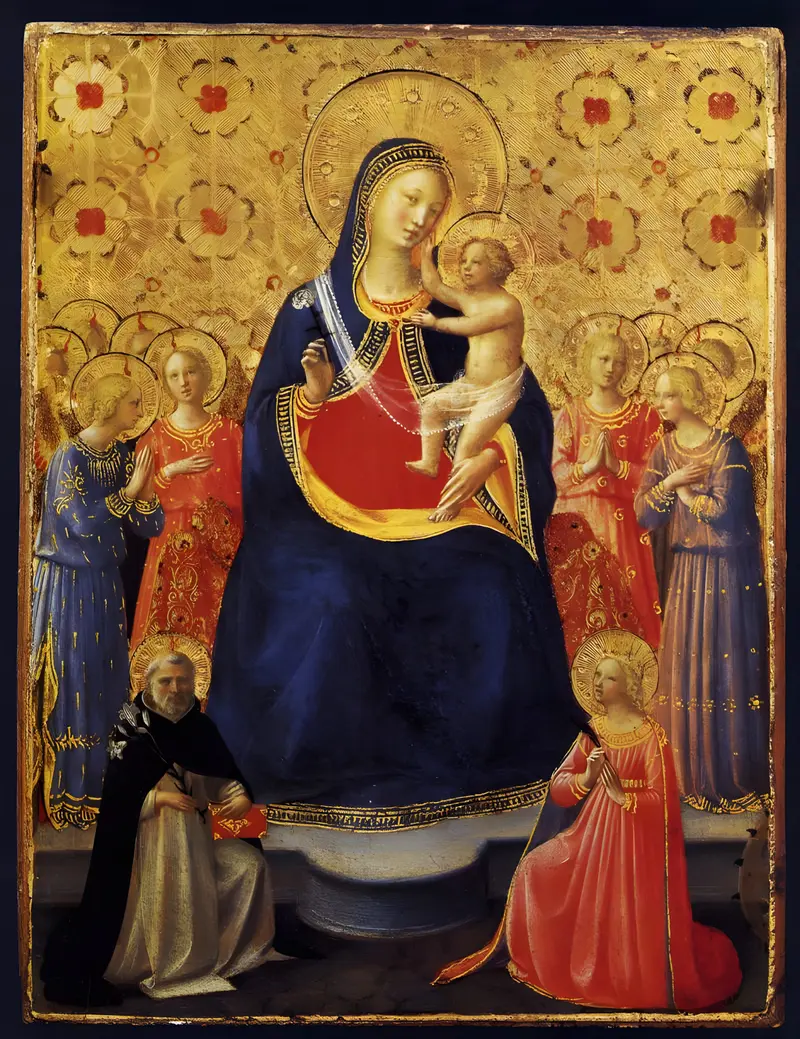
Madonna and Child Enthroned with Nine Angels and Saints Dominic and Catherine of Alexandria
Fra Angelico
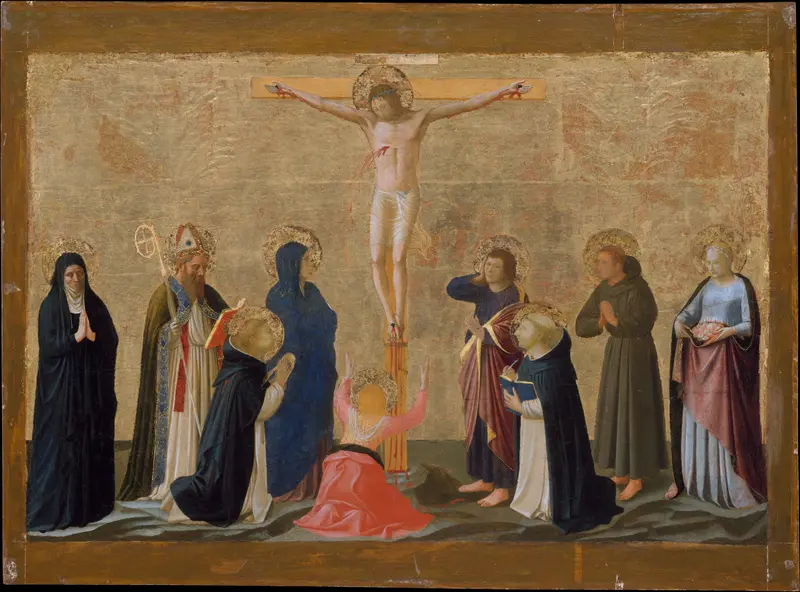
The Crucifixion
Fra Angelico
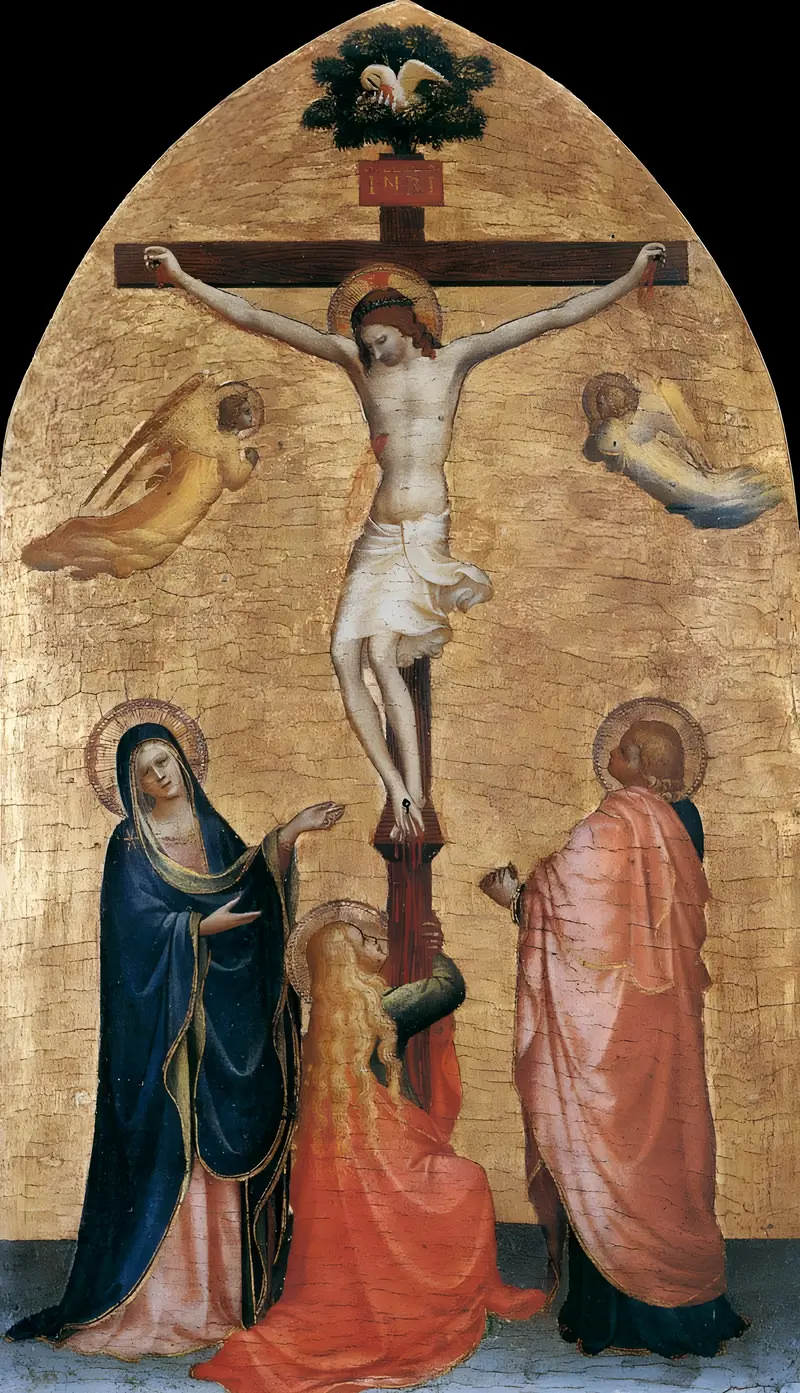
Crucifixion with the Virgin, John the Evangelist, and Mary Magdelene
Fra Angelico
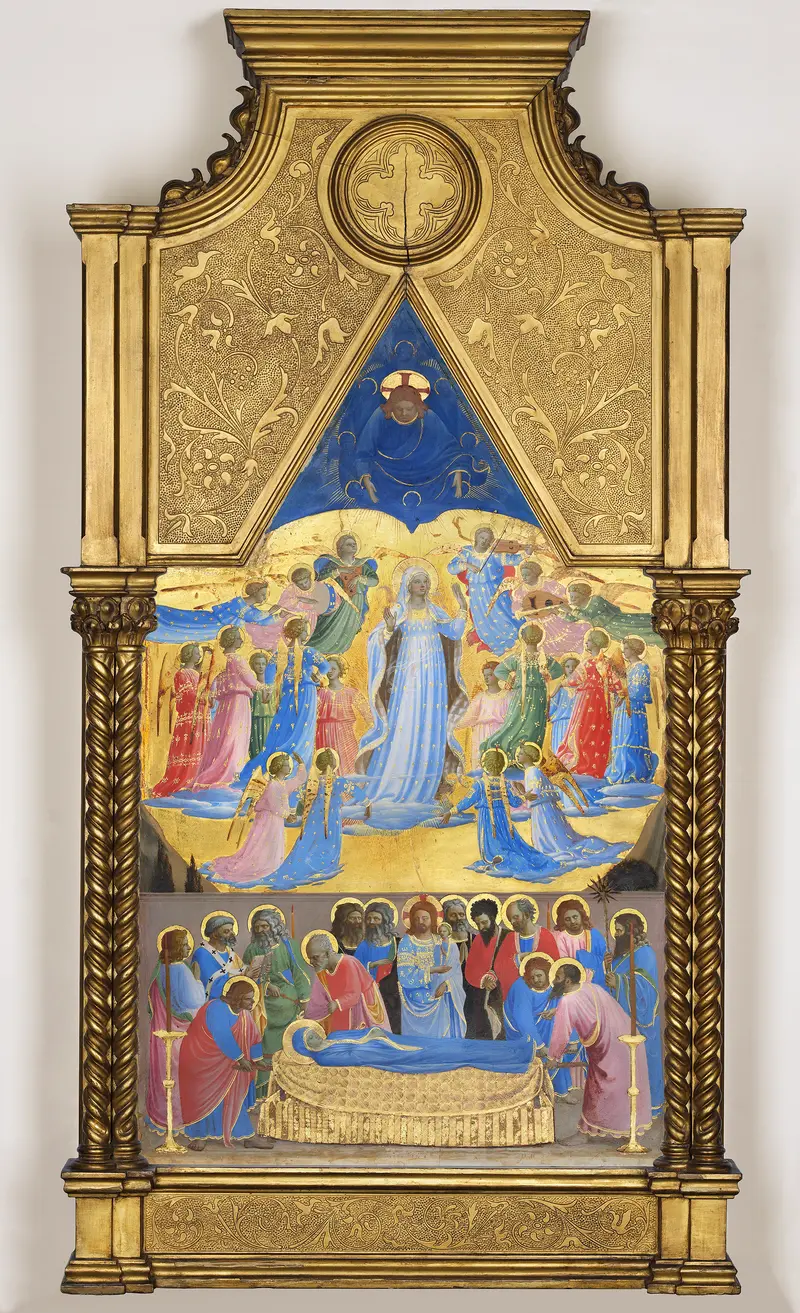
Dormition and Assumption of the Virgin
Fra Angelico
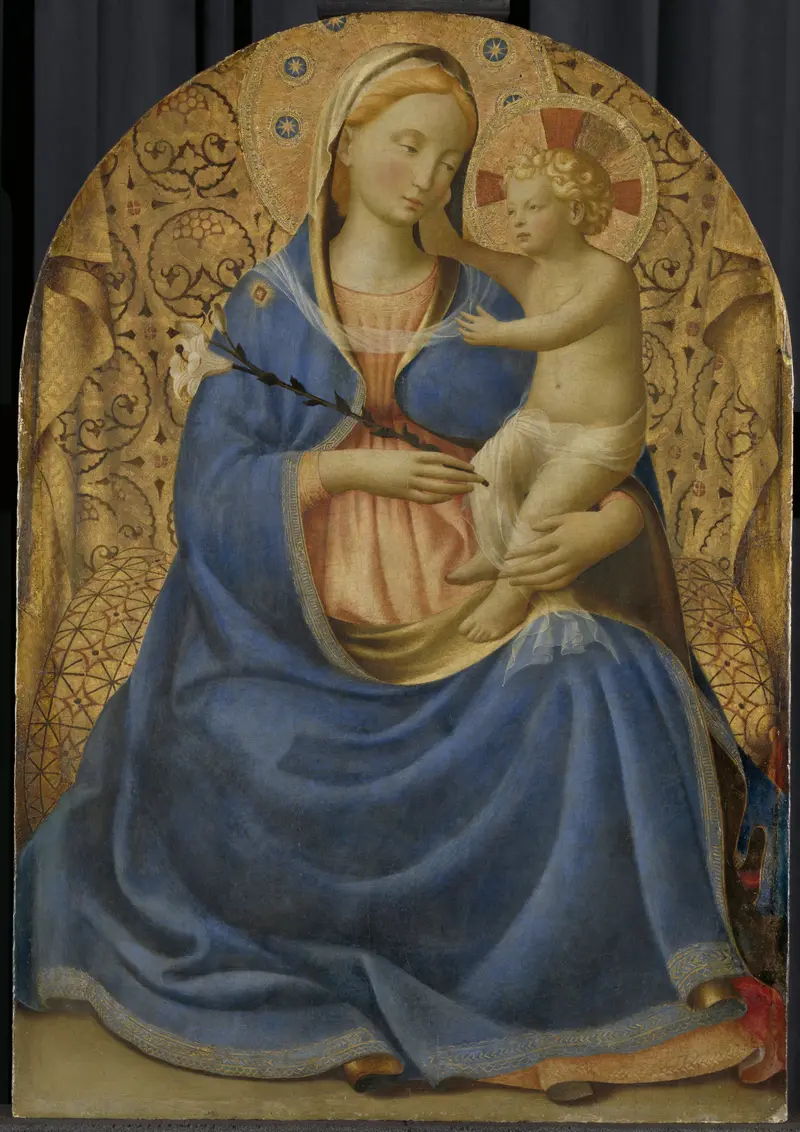
Madonna of Humility
Fra Angelico
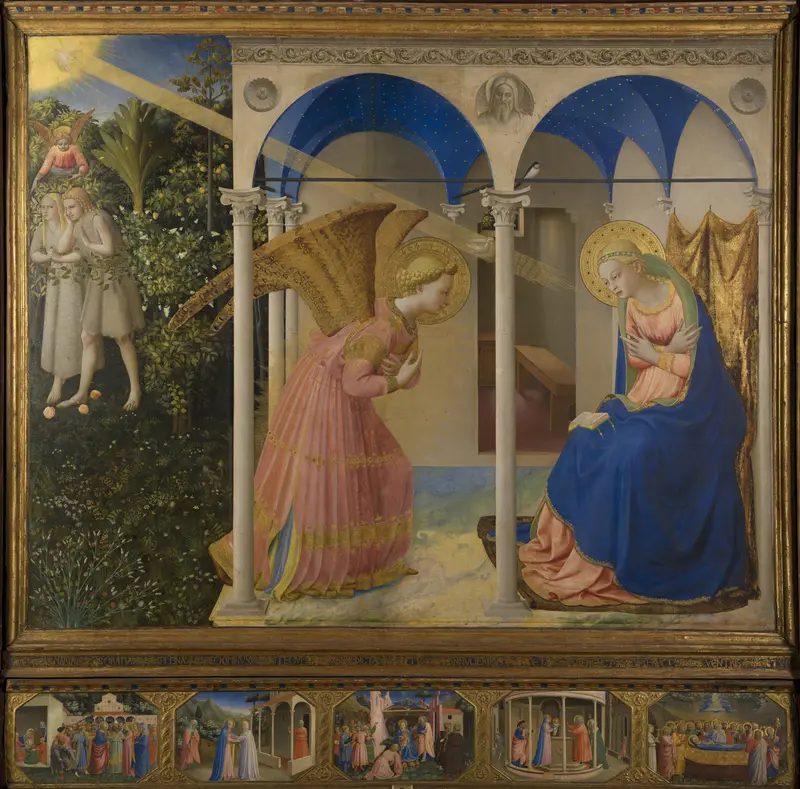
The Annunciation
Fra Angelico

Saint Anthony Abbot
Fra Angelico





