
Bekering van Paulus — History & Facts
In the interplay of light and shadow, truth lingers, inviting the observer to peel back layers of meaning. Look to the foreground, where a radiant light breaks through the darkness, illuminating the central figure. The conversion of Saul, depicted in the moment of divine revelation, commands immediate attention. To the left, the stark contrast of shadow envelops the onlookers, framing their expressions of awe and confusion.
Notice how the muted tones of the surrounding environment serve as a backdrop, allowing the vibrant hues of the divine light to pulsate with energy, creating a captivating focal point. This painting captures not just a moment of transformation, but the struggles within those shadows. The onlookers, caught between fear and curiosity, embody the human response to profound change. The dynamic tension between light and dark suggests an internal battle — belief versus disbelief, clarity versus confusion.
Each figure’s stance and gesture reveals their individual reactions, amplifying the emotional landscape of the narrative and inviting viewers to reflect on their own experiences of faith and revelation. Jacques Callot created Bekering van Paulus in 1635 while residing in Lorraine, a region engulfed in political turmoil and conflict. This period marked a significant evolution in the world of art, as Baroque artists began to explore deeper emotional connections and dramatic contrasts in their work. Callot’s focus on the intimate and the profound in such turbulent times illustrates not only his personal artistic journey but also the wider shifts happening across Europe in response to both spiritual and societal upheaval.
More Artworks by Jacques Callot
Browse all →
Titelprent voor de prentreeks 'De kleine apostelen' (Het martelaarschap van de apostelen)
Jacques Callot
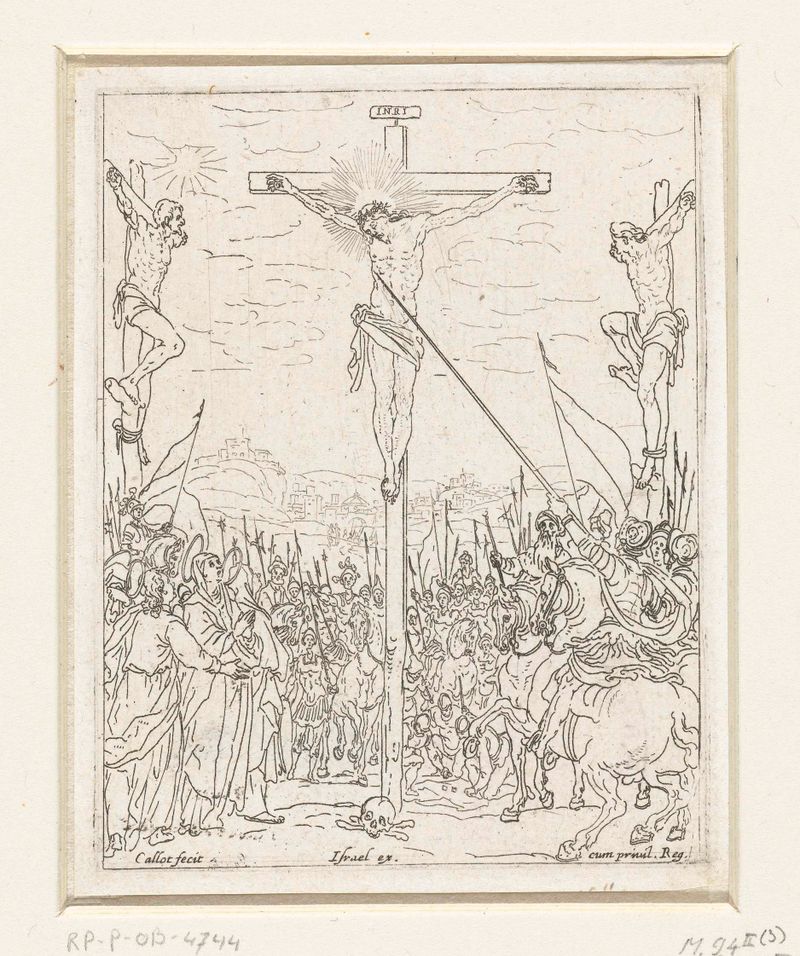
Kruisiging
Jacques Callot

De doortocht door de Rode Zee
Jacques Callot

De verloren zoon als zwijnenhoeder
Jacques Callot

Annunciatie
Jacques Callot
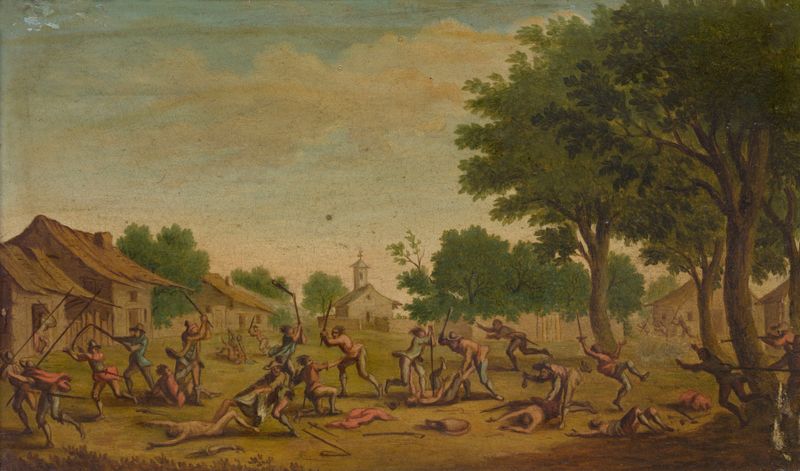
Village Fight
Jacques Callot

Titelprent voor prentreeks 'Het leven van Maria'
Jacques Callot
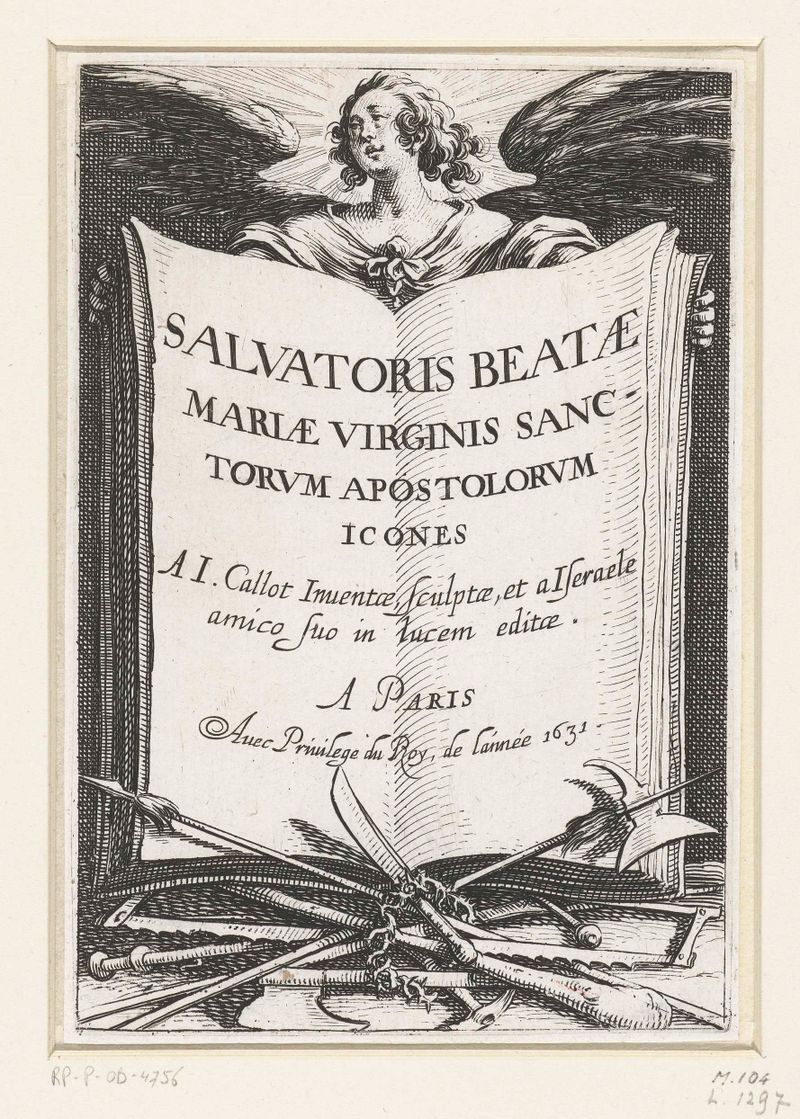
Titelprent voor de prentreeks 'De grote apostelen' (Christus, Maria en de apostelen)
Jacques Callot

Christus aan het volk getoond (Ecce homo)
Jacques Callot
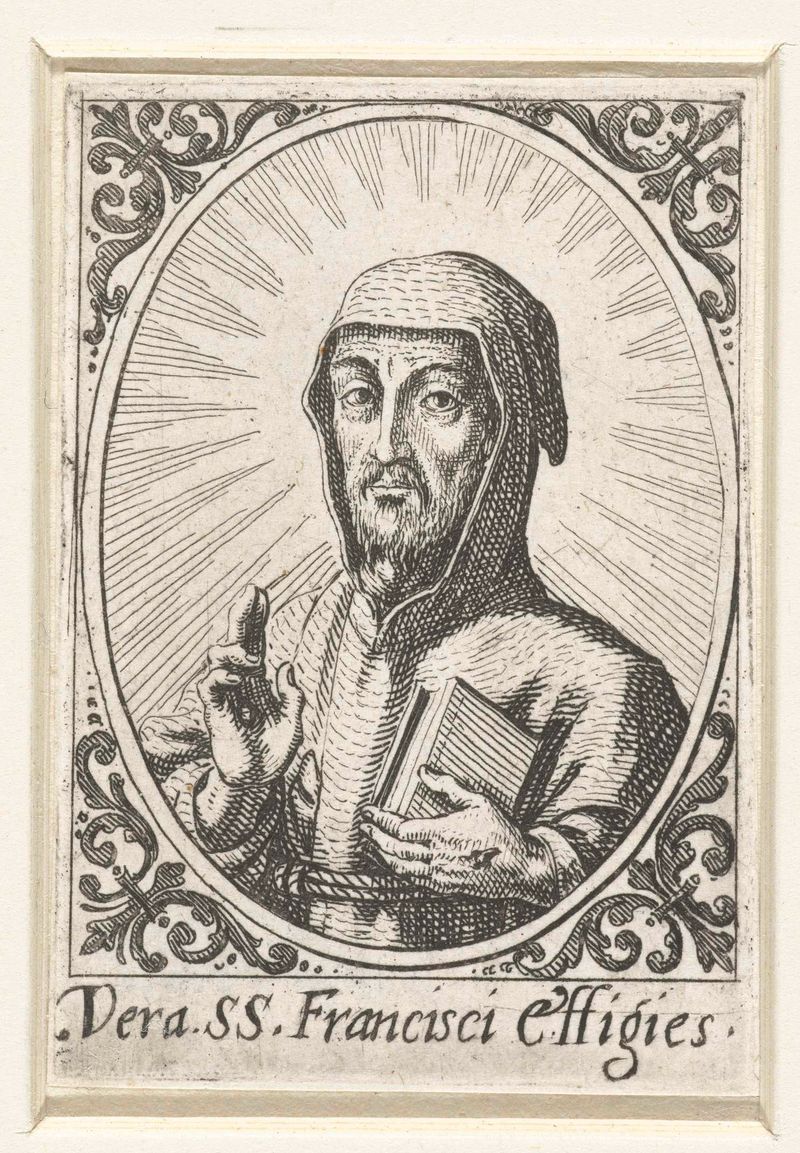
Portret van de Heilige Franciscus
Jacques Callot
More Religious Art
Browse all →
The Return of the Prodigal Son
Rembrandt van Rijn

The Garden of Earthly Delights
El Bosco

Count Orgaz’ funeral
El Greco

The Hundred Guilder Print: the central piece with Christ preaching, the plate arched
Rembrandt van Rijn

The Descent from the Cross
Rogier van der Weyden

The return of the prodigal son
Rembrandt van Rijn