
Bekering van Paulus — History & Facts
In the midst of chaos, a fleeting moment crystallizes into an arresting image, revealing the profound beauty of disruption. Focus on the swirling figures at the center, where the pivotal moment of transformation unfolds. Light dances across the scene, illuminating the intense expressions of both the devout and the skeptical. The sharp contrast between dark, muted tones and bright highlights captures the tension inherent in the conversion, as if the air is thick with anticipation.
Notice how the lines converge, drawing your gaze toward the religious figure, whose presence commands the viewer's attention. Within this tumultuous gathering lies a story of conflict and acceptance. The juxtaposition of the assertive gestures of the saint against the hesitant stances of the surrounding crowd speaks to the duality of belief and doubt. The chaotic arrangement of bodies and limbs hints at the struggle between divine intervention and earthly skepticism, while shadows loom like the doubts that plague faith.
Each figure, caught in an emotional whirlwind, contributes to a narrative that transcends the immediate scene. Created between 1621 and 1635, this work emerged during a transformative period for Jacques Callot, a time when religious tensions were palpable across Europe. Living in Nancy, he was influenced by the Counter-Reformation, which sought to bolster faith through fervent imagery. As Callot embraced the complexities of human emotion in his art, he was simultaneously navigating a world marked by upheaval, making his depictions of chaos not only relevant but profoundly resonant.
More Artworks by Jacques Callot
Browse all →
Titelprent voor de prentreeks 'De kleine apostelen' (Het martelaarschap van de apostelen)
Jacques Callot
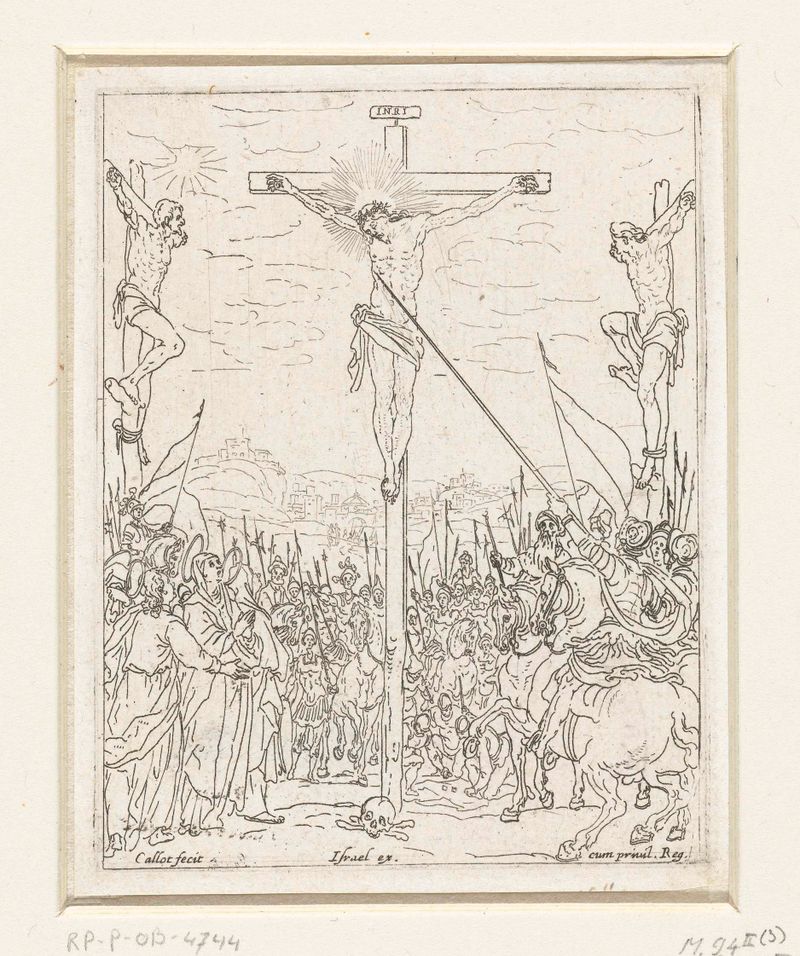
Kruisiging
Jacques Callot

De doortocht door de Rode Zee
Jacques Callot

De verloren zoon als zwijnenhoeder
Jacques Callot

Annunciatie
Jacques Callot
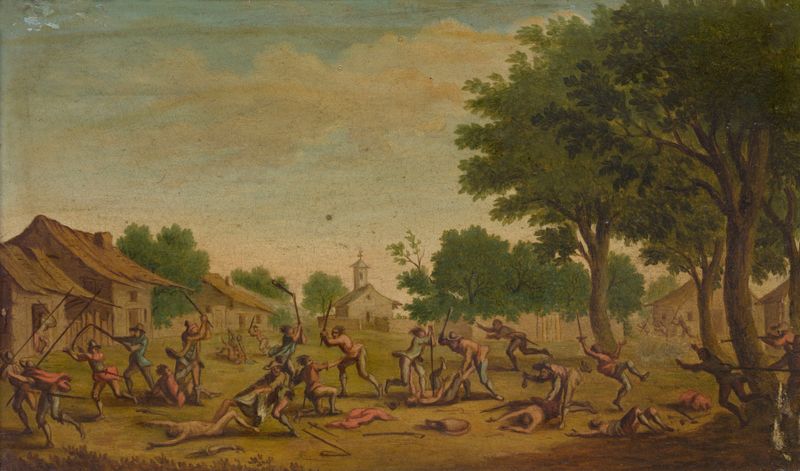
Village Fight
Jacques Callot

Titelprent voor prentreeks 'Het leven van Maria'
Jacques Callot
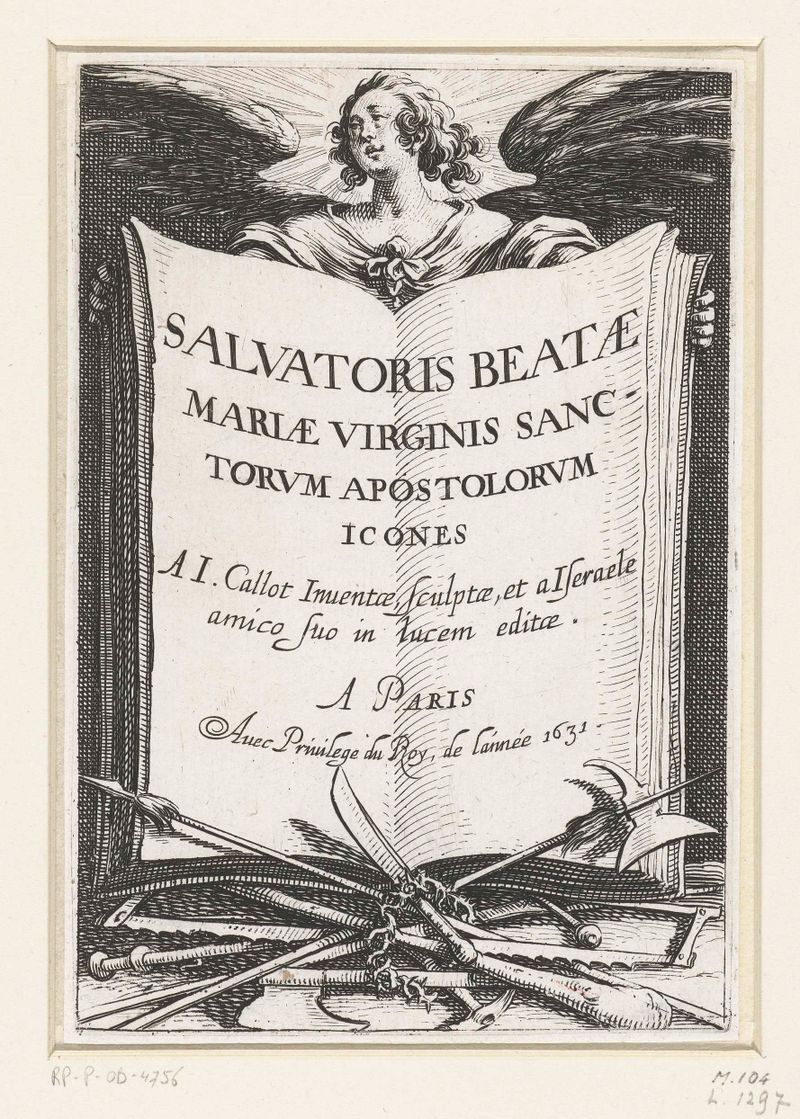
Titelprent voor de prentreeks 'De grote apostelen' (Christus, Maria en de apostelen)
Jacques Callot

Christus aan het volk getoond (Ecce homo)
Jacques Callot
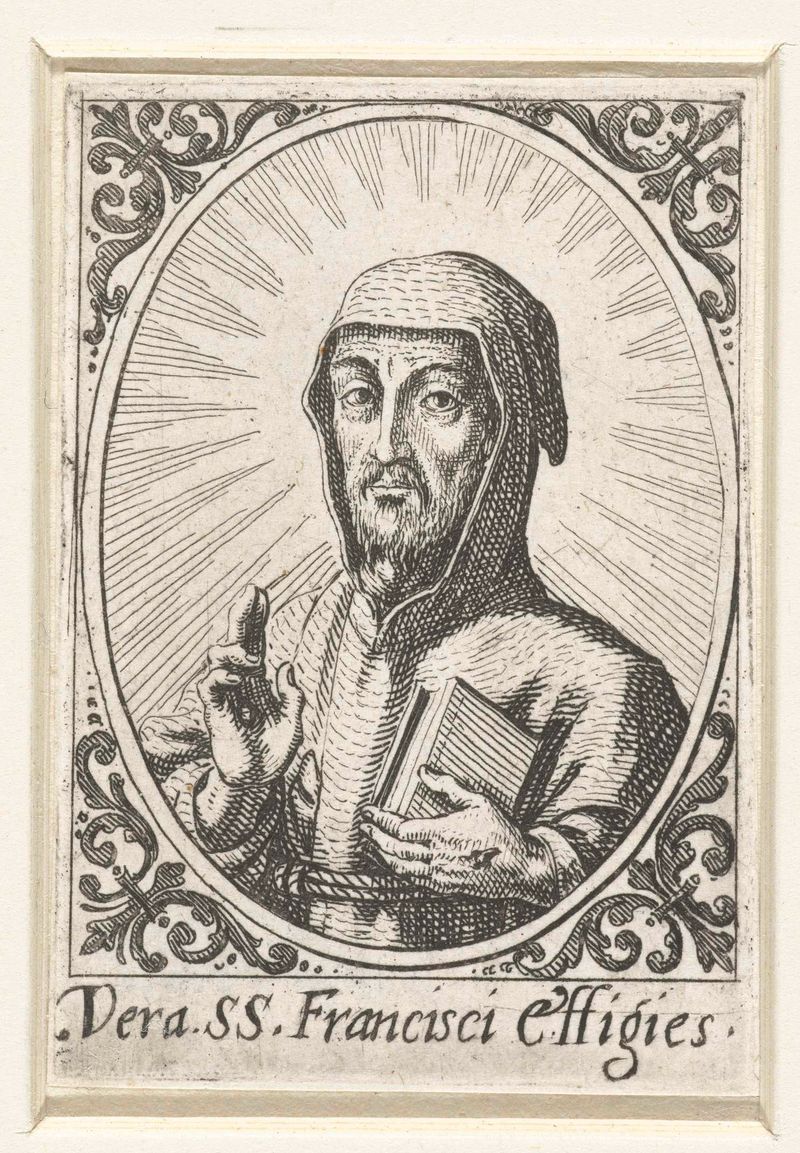
Portret van de Heilige Franciscus
Jacques Callot
More Religious Art
Browse all →
The Return of the Prodigal Son
Rembrandt van Rijn

The Garden of Earthly Delights
El Bosco

Count Orgaz’ funeral
El Greco

The Hundred Guilder Print: the central piece with Christ preaching, the plate arched
Rembrandt van Rijn

The Descent from the Cross
Rogier van der Weyden

The return of the prodigal son
Rembrandt van Rijn