
Bekering van Paulus — History & Facts
In its quiet anticipation, a world of transformation and revelation unfolds. Every brushstroke, every hue breathes life into a moment that is both historic and deeply personal, encapsulating the essence of creation itself. Look closely at the swirling figures at the center, where the dramatic encounter of Saul and the divine light unfolds. The use of chiaroscuro draws your eye to the illuminating brightness that bathes Saul, contrasting sharply with the surrounding darkness.
Forceful gestures and dynamic poses convey the intensity of the moment, while the intricate details in the expressions of both the divine and the earthly evoke a profound sense of urgency and change. Beyond the initial spectacle lies a deeper commentary on faith and redemption. Saul's bewilderment against the blinding light symbolizes the struggle between belief and doubt, while the figures surrounding him hint at a community caught in the balance of faith. The layers of shadow suggest not just the physical darkness but the spiritual turmoil that precedes transformation — an invitation to explore the inner battles that accompany any significant change. During the years 1621 to 1635, Callot painted this piece amid a shifting artistic landscape that witnessed the rise of Baroque drama.
Living in Lorraine, he engaged with themes of morality and identity as Europe grappled with religious upheaval. This era, marked by both conflict and fervent belief, informed the artist's vision, allowing him to delve into the complexities of the human spirit and the transformative power of creation.
More Artworks by Jacques Callot
Browse all →
Titelprent voor de prentreeks 'De kleine apostelen' (Het martelaarschap van de apostelen)
Jacques Callot
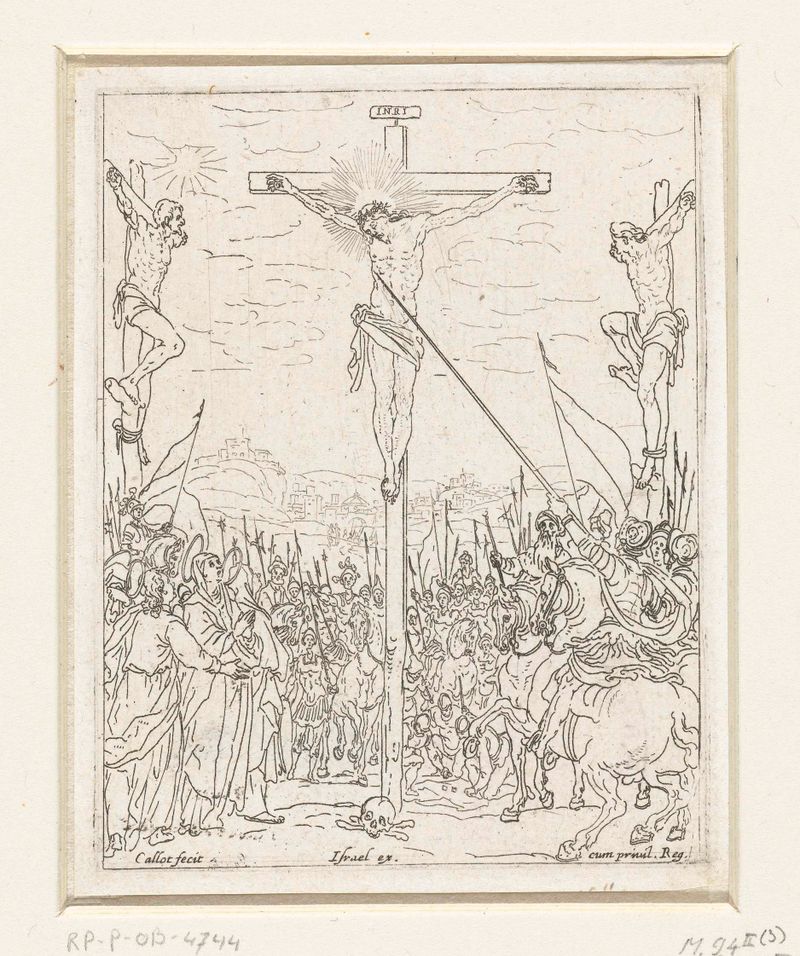
Kruisiging
Jacques Callot

De doortocht door de Rode Zee
Jacques Callot

De verloren zoon als zwijnenhoeder
Jacques Callot

Annunciatie
Jacques Callot
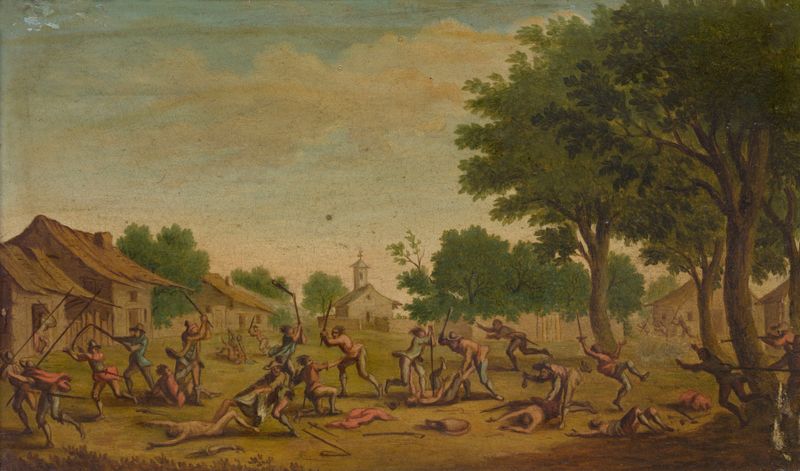
Village Fight
Jacques Callot

Titelprent voor prentreeks 'Het leven van Maria'
Jacques Callot
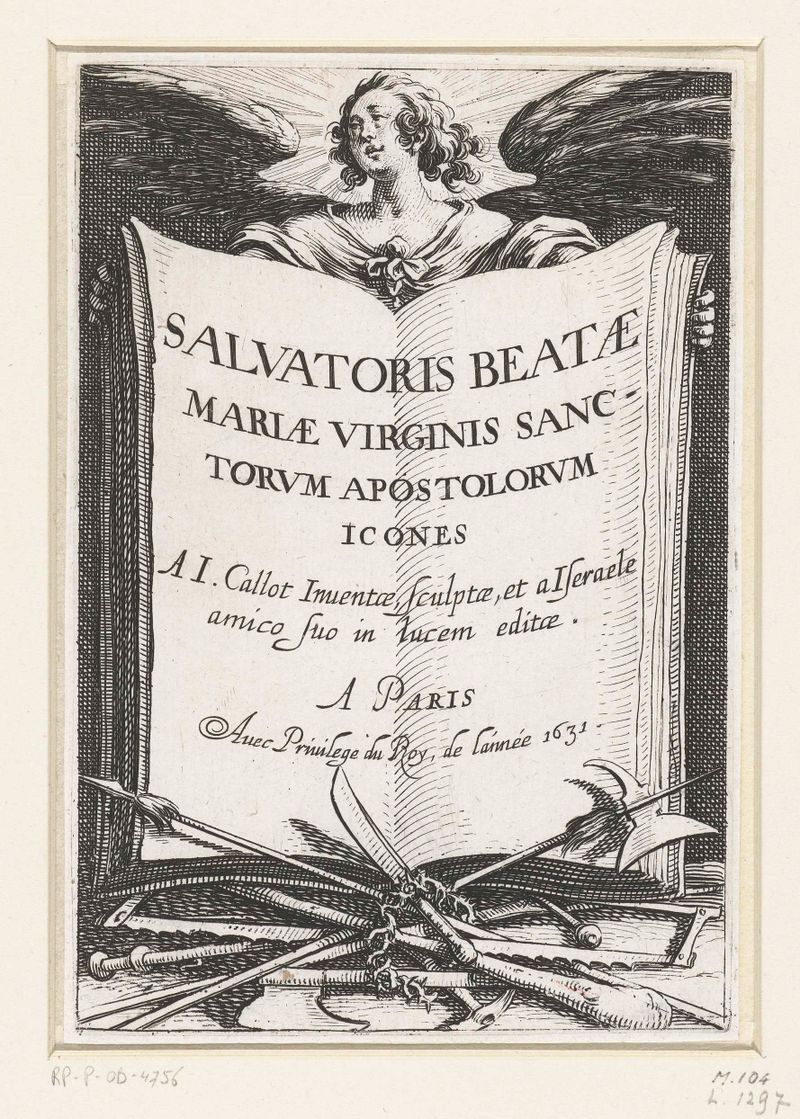
Titelprent voor de prentreeks 'De grote apostelen' (Christus, Maria en de apostelen)
Jacques Callot

Christus aan het volk getoond (Ecce homo)
Jacques Callot
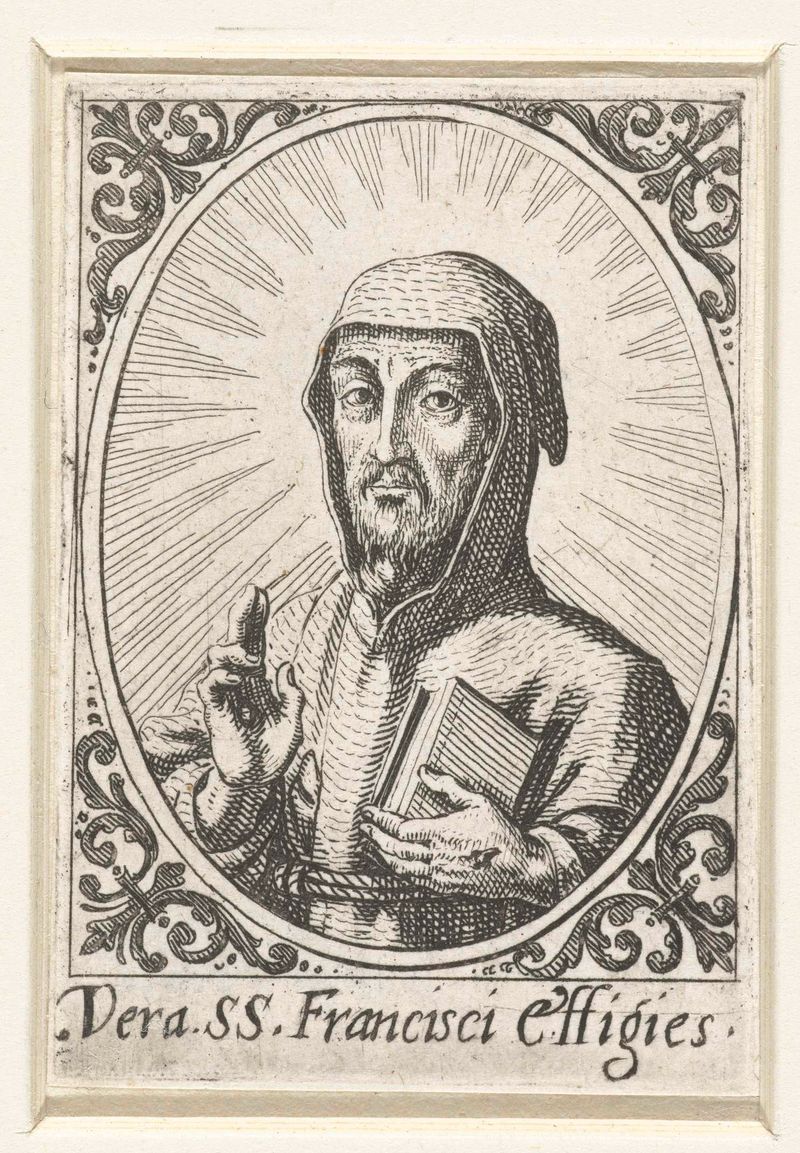
Portret van de Heilige Franciscus
Jacques Callot
More Religious Art
Browse all →
The Return of the Prodigal Son
Rembrandt van Rijn

The Garden of Earthly Delights
El Bosco

Count Orgaz’ funeral
El Greco

The Hundred Guilder Print: the central piece with Christ preaching, the plate arched
Rembrandt van Rijn

The Descent from the Cross
Rogier van der Weyden

The return of the prodigal son
Rembrandt van Rijn