Belle-Isle. Goulphar — History & Facts
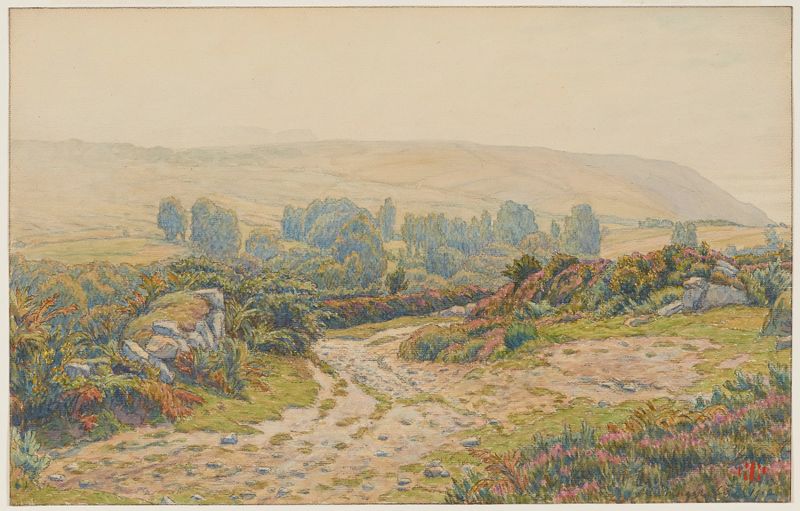
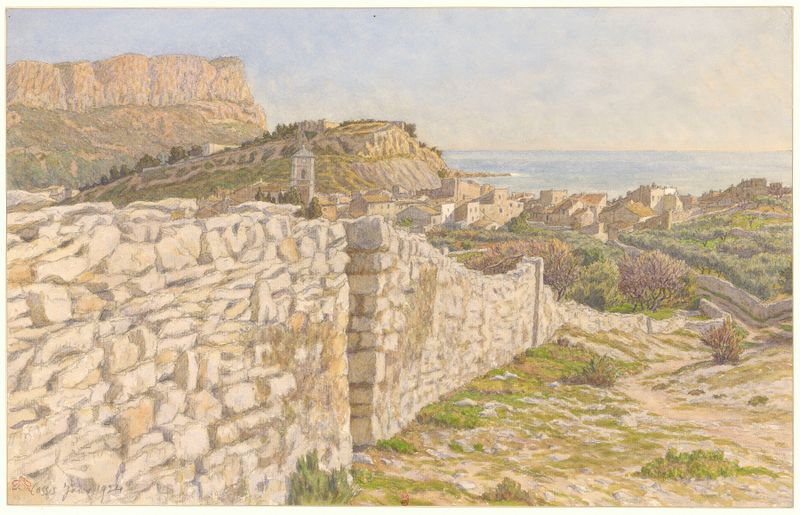
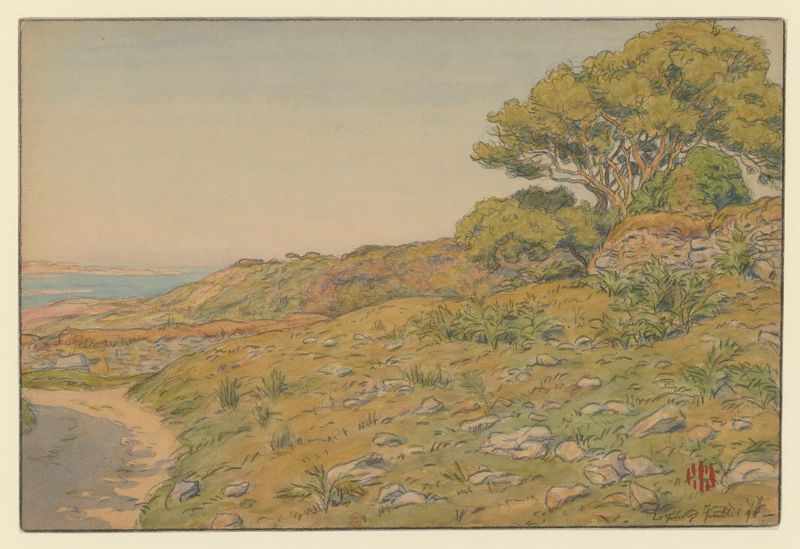
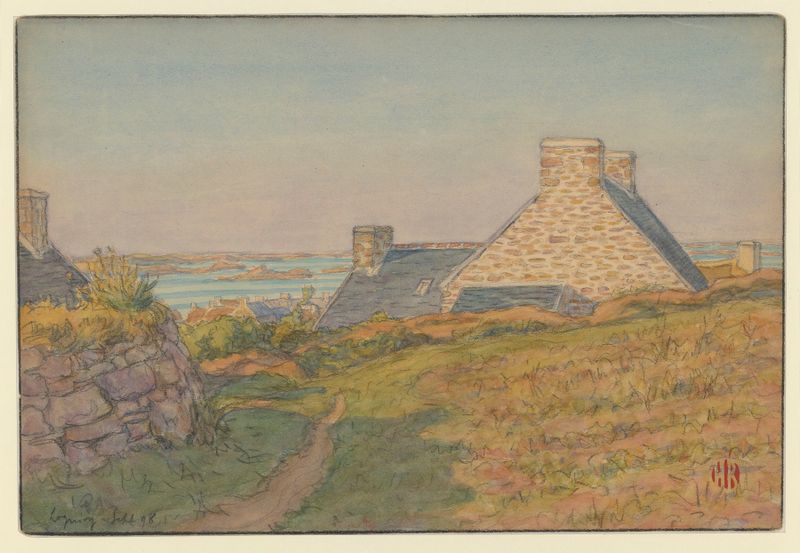
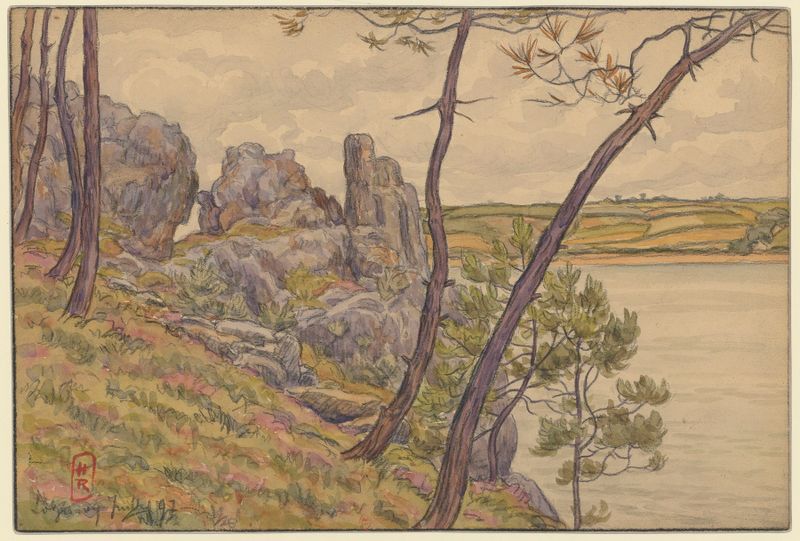
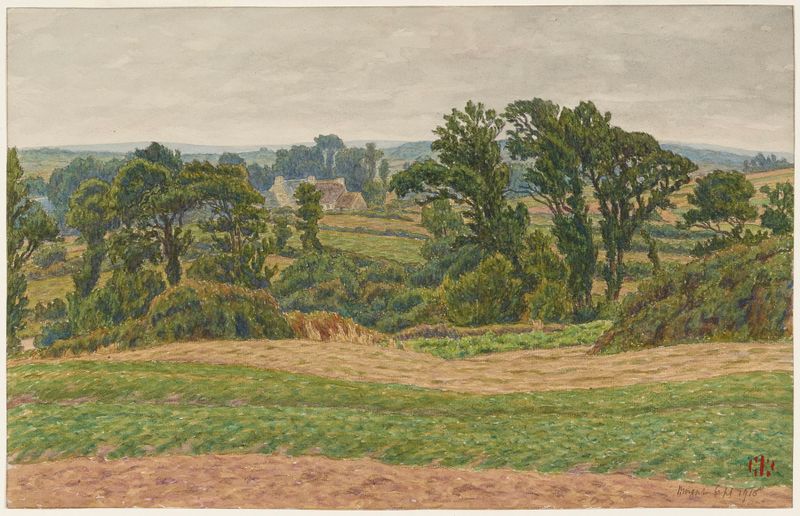
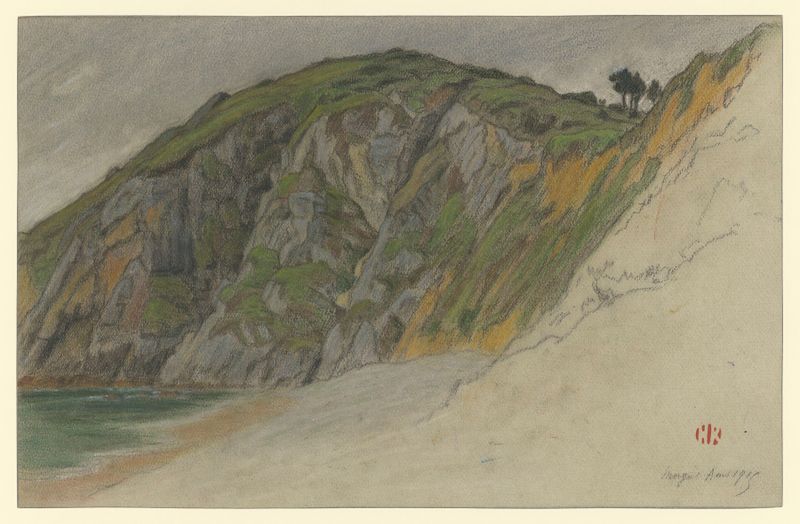
In the delicate balance of hues and textures, a fragile beauty emerges, inviting contemplation and quiet reflection. Look to the foreground where soft waves lap gently against the rocky shore. The artist’s brushstrokes create a mesmerizing interplay of pale blues and muted greens, enveloping the canvas in a tranquil serenity. Notice how the light catches the edges of each wave, almost as if whispering secrets of the sea.
The composition directs your gaze inward, where the distant horizon blurs, suggesting an ethereal connection between land and sky. Within this peaceful scene, contrasts arise beneath the surface. The jagged rocks, depicted in darker tones, evoke a sense of permanence against the ephemeral quality of the water. This tension between stability and transience speaks to the fragility of nature and existence itself.
Each brushstroke reveals the artist’s understanding of impermanence, reminding viewers that beauty is often fleeting and requires a gentle awareness. In 1910, the artist was immersed in the art scene of France, where movements like Impressionism inspired his exploration of light and color. Working from his studio in Paris, he sought to capture the essence of Belle-Isle, a site of personal and artistic significance. It was a time when artists were beginning to embrace abstraction, yet Rivière maintained a connection to realism, finding inspiration in the natural world while navigating the changing tides of modern art.