
Bellman Playing Lute for Gustaf III of Sweden and Gustaf Mauritz Armfelt at Haga — History & Facts
The first thing that catches the eye in Bellman Playing Lute for Gustaf III of Sweden and Gustaf Mauritz Armfelt at Haga is the way sunlight pours through the leaves, scattering patches of gold across the lawn and drawing the viewer into a secluded moment of leisure and music. The figures—one lounging in pale finery, another standing in dark dress, and a third, half-turned and absorbed in his lute—are arranged under the generous shade of trees, the table between them set with delicate glasses and a punch bowl. The painter’s loose, sketch-like brushwork leaves the scene shimmering and unfinished, as if the memory itself might dissolve in the next breeze.
The composition guides the gaze from the relaxed pose of the listener, across the white cloth, to the musician, whose absorbed posture and soft focus suggest the spell of song in the open air. Created in 1884, this work belongs to a period when artists like Albert Edelfelt were drawn to themes of national history and the pleasures of the past, often painting scenes that celebrated cultural figures and royal patronage. In late nineteenth-century Scandinavia, such images were not just nostalgic but also part of a broader movement to define national identity through art. This particular sketch, now in the collection of the Signe and Ane Gyllenberg Foundation, was once the seed of a collector’s passion, purchased in 1919 by Ane Gyllenberg and forming the cornerstone of his holdings.
While history has kept few traces of the painting’s early journey, its unfinished quality and luminous palette still invite viewers to linger in the imagined company of poets and kings, under the dappled shade of a Swedish summer.
More Artworks by Albert Edelfelt

The Day of Rest
Albert Edelfelt
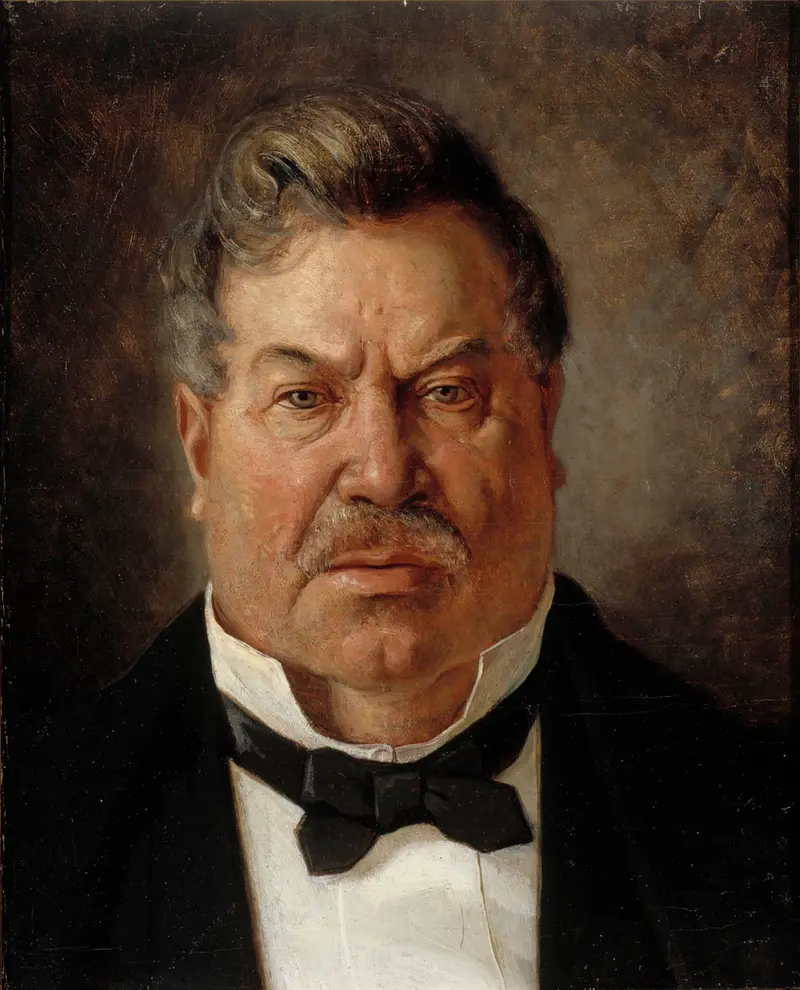
Portrait of August Streng
Albert Edelfelt
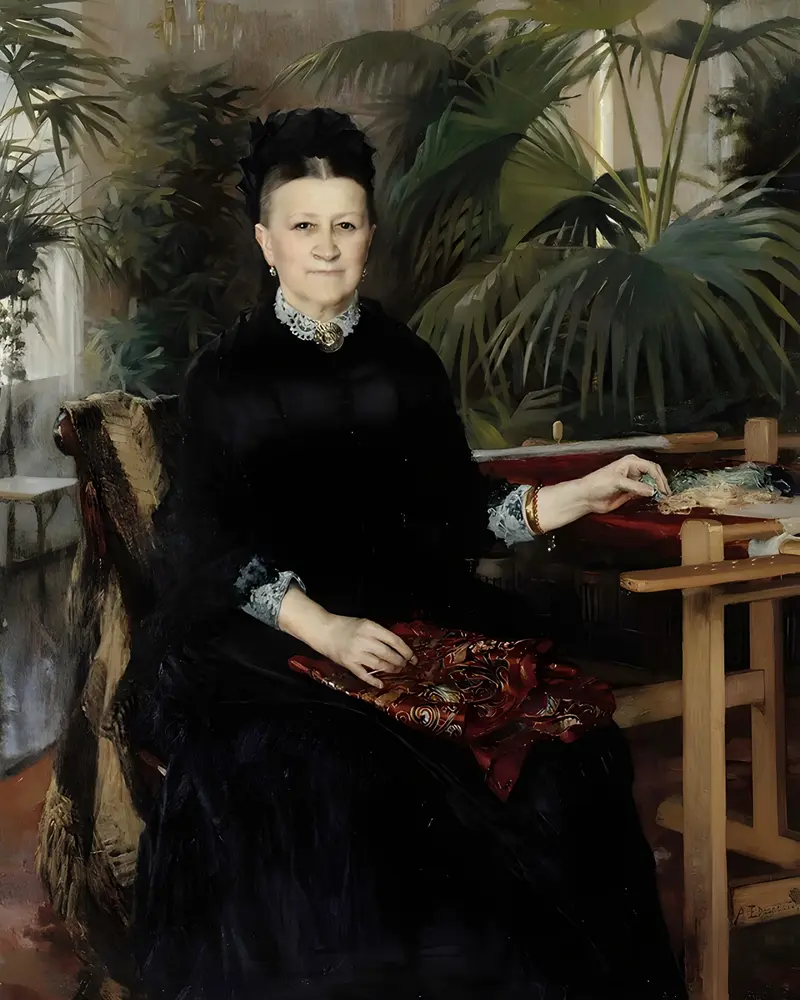
Portrait Of Mrs. Anna Sinebrychoff
Albert Edelfelt

The Poet, Larin Paraske
Albert Edelfelt

Parisian lady in a Peignoir
Albert Edelfelt
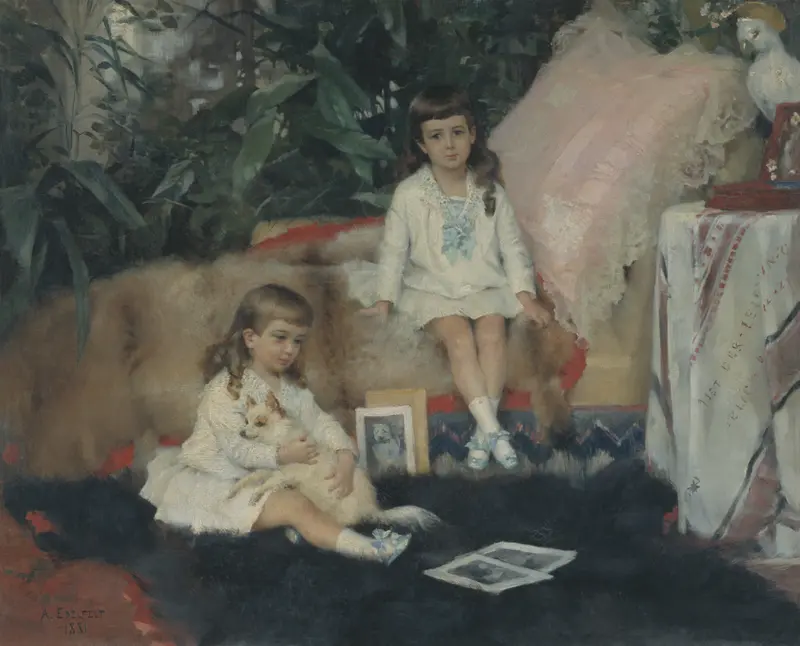
The Grand Dukes Boris and Kirill Vladimirovich as Children
Albert Edelfelt
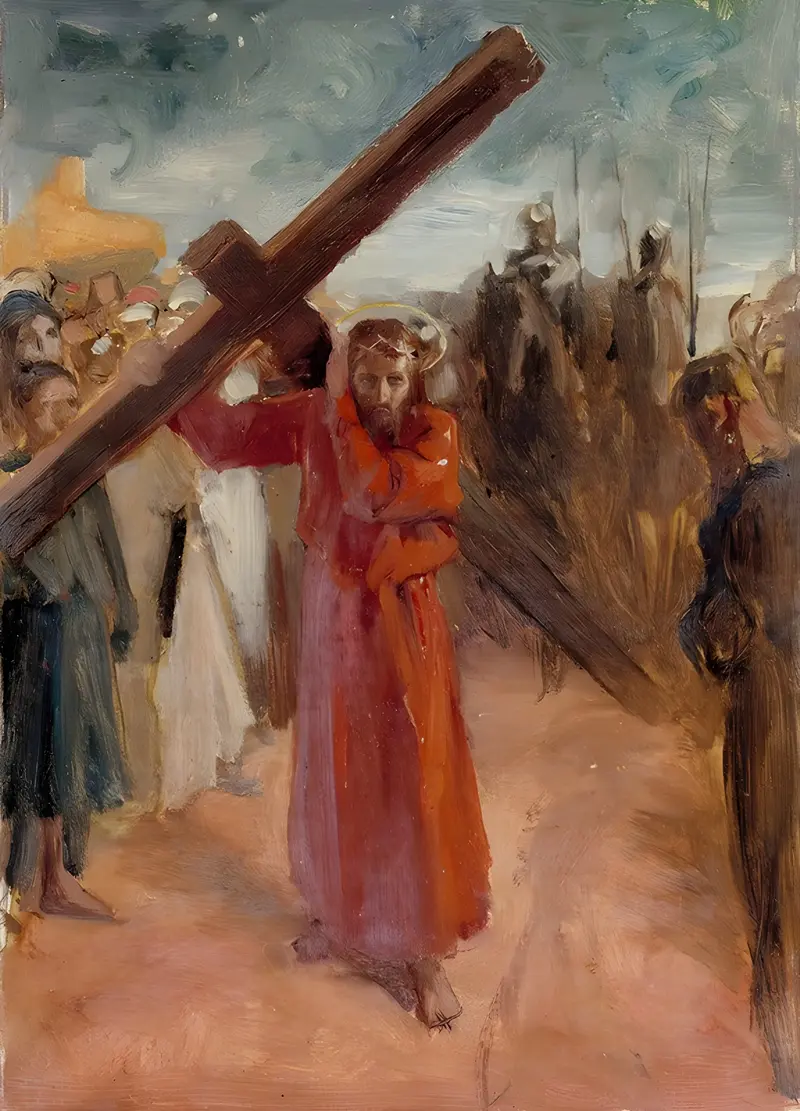
Christ Bears The Cross
Albert Edelfelt
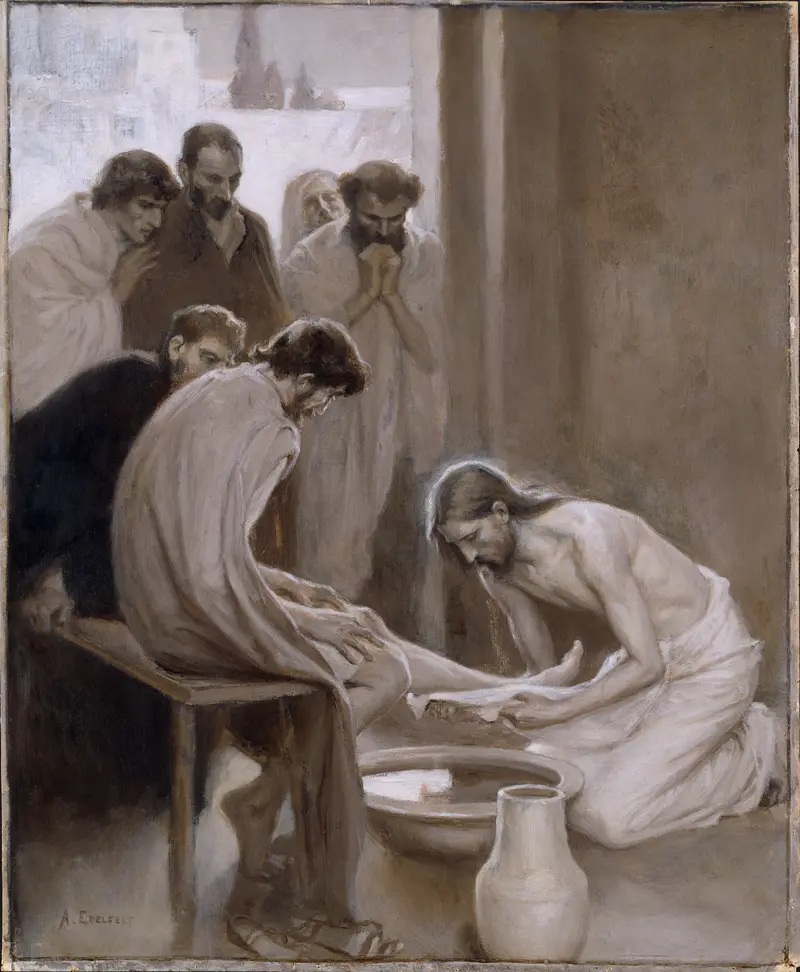
Jesus Washing the Feet of his Disciples
Albert Edelfelt

Larin Paraske with Kantele
Albert Edelfelt
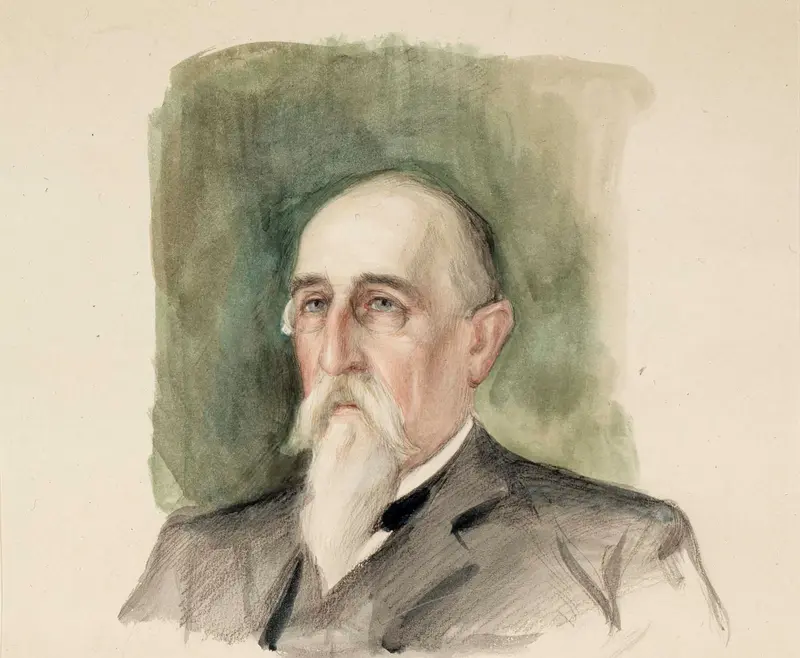
Leo Mechelin, Portrait Study
Albert Edelfelt
More Genre Scene Art

Banquet of the Officers of the St George Civic Guard
Frans Hals

Rembrandt and Saskia in the Scene of the Prodigal Son
Rembrandt van Rijn

Bal du moulin de la Galette
Pierre-Auguste Renoir

Quadrille at the Moulin Rouge
Henri de Toulouse-Lautrec

A Burial at Ornans
Gustave Courbet

When Will You Marry?
Paul Gauguin