
Bernat de Quintaval Distributes his Riches to the Poor — History & Facts
A hush of anticipation seems to hang over the crowd as the central figure, barefoot and haloed, extends his hands in a gesture both open and resigned. The eye is drawn first to this figure’s calm, almost otherworldly composure, before it is swept outward to the eager hands of the poor, reaching for coins and goods dispensed by a richly dressed man. The painting’s light falls gently across the scene, illuminating the faces and outstretched arms of the needy, while the treasures at their feet—jewels, vessels, and ornaments—glint in the shadow, underscoring the gravity of what is being given up.
The composition orchestrates a movement from plenty to poverty, from worldly wealth to spiritual resolve, inviting the viewer to witness not just charity, but transformation. Painted by Antoni Viladomat between 1724 and 1733, this work belongs to the world of early eighteenth-century Spain, where religious narratives were a vital force in both public and private life. Such paintings, often commissioned for churches or religious institutions, were intended to instruct and inspire, presenting the lives of saints and their followers as models of virtue and sacrifice. In this era, artists like Viladomat were celebrated for their ability to animate these sacred stories with a sense of immediacy and psychological depth.
Though little is recorded about the specific journey of this canvas, its presence in a modern collection allows us to see how the ideals of charity and humility were made vivid for generations past. Look closely, and the painting still asks: what, in the end, is truly worth giving away?
More Artworks by Antoni Viladomat

Autumn
Antoni Viladomat
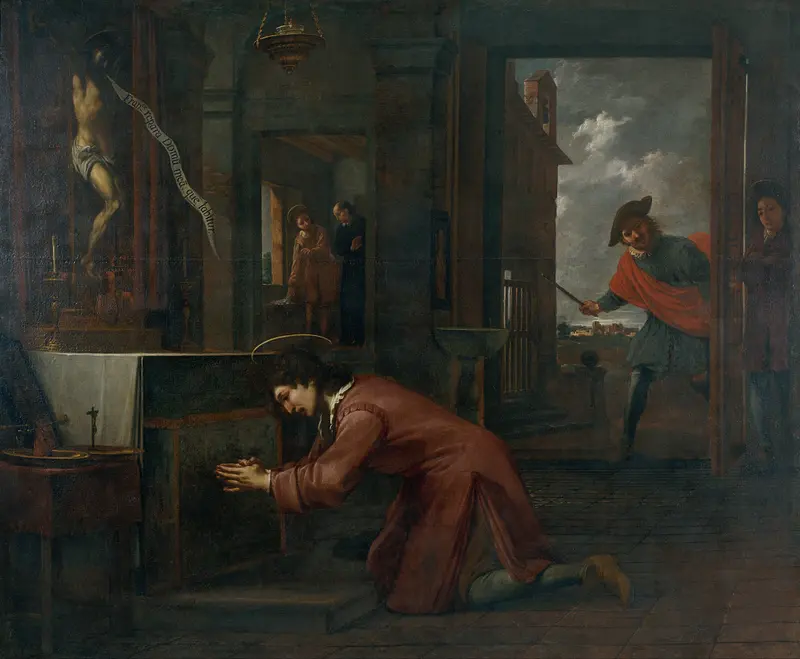
Saint Francis Receives the Order from the Crucifix at Saint Damian to Repair the House of God
Antoni Viladomat
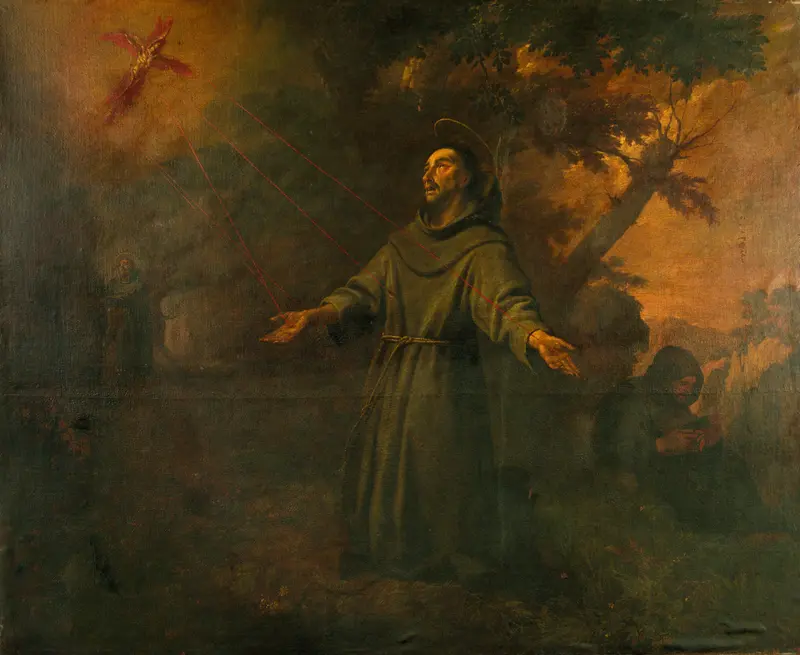
Saint Francis Receives the Stigmata
Antoni Viladomat
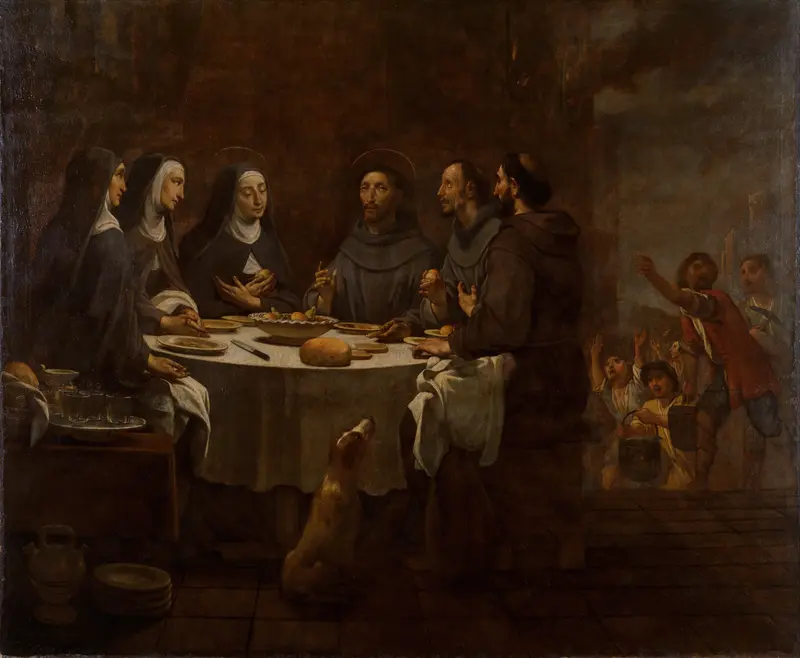
Saint Francis and Saint Clare at Supper in the Convent of Saint Damian
Antoni Viladomat
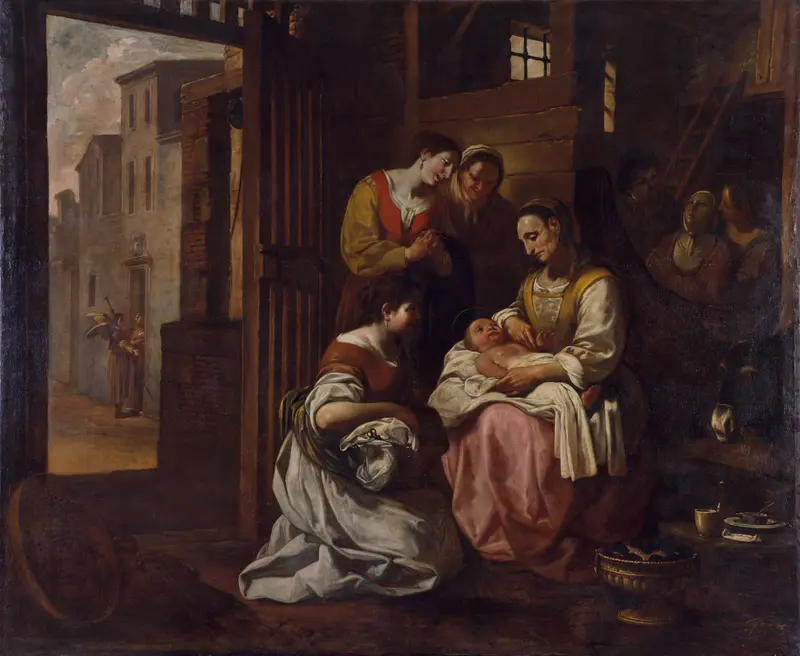
Birth of Saint Francis
Antoni Viladomat
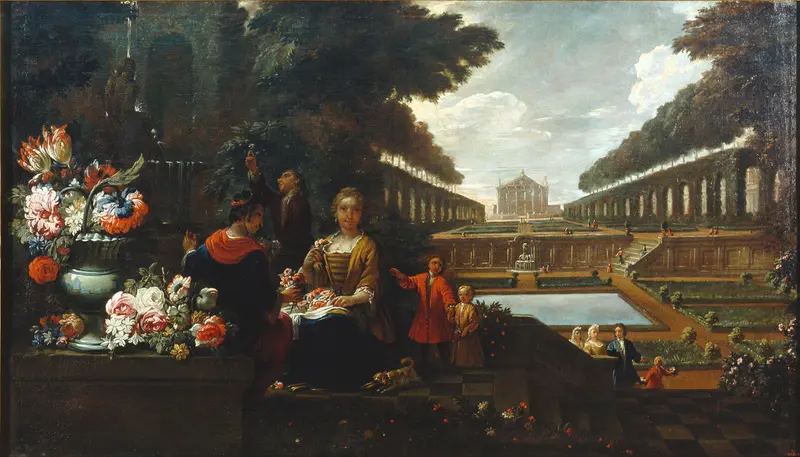
Spring
Antoni Viladomat
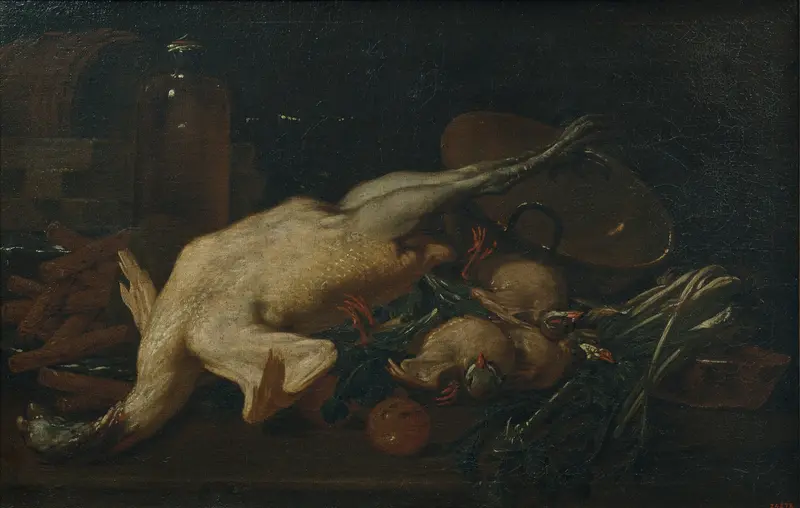
Still Life with Vegetables, Turkey, other Fowl and Wafers
Antoni Viladomat
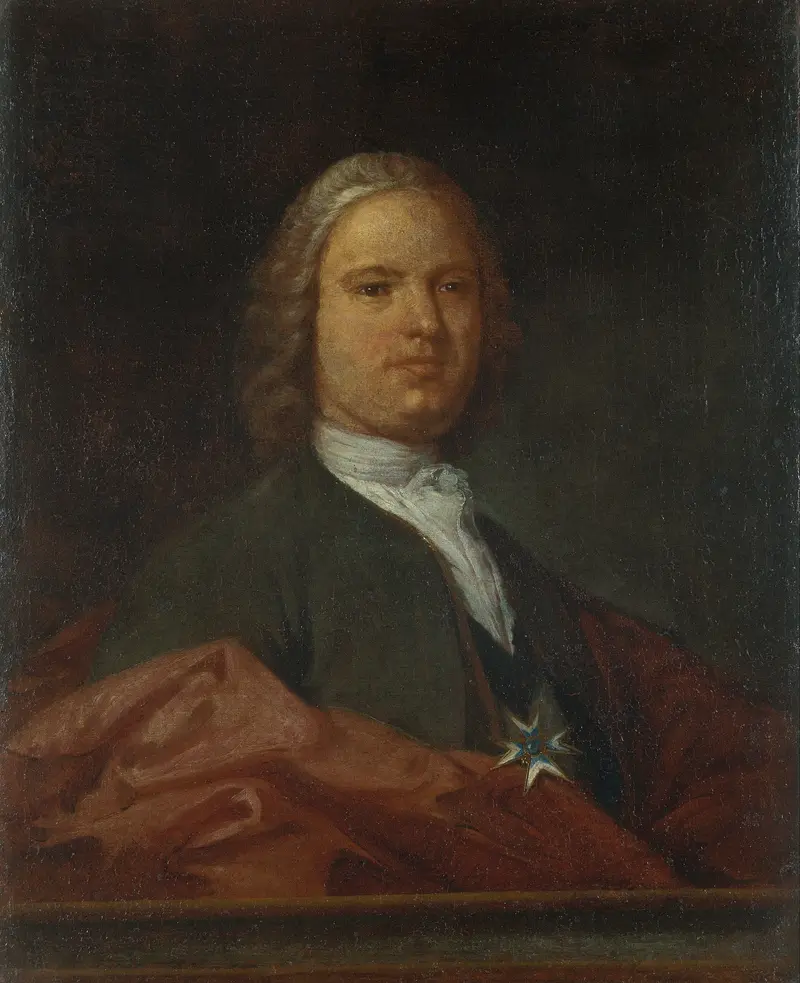
Portrait of a Knight of the Order of Saint John
Antoni Viladomat
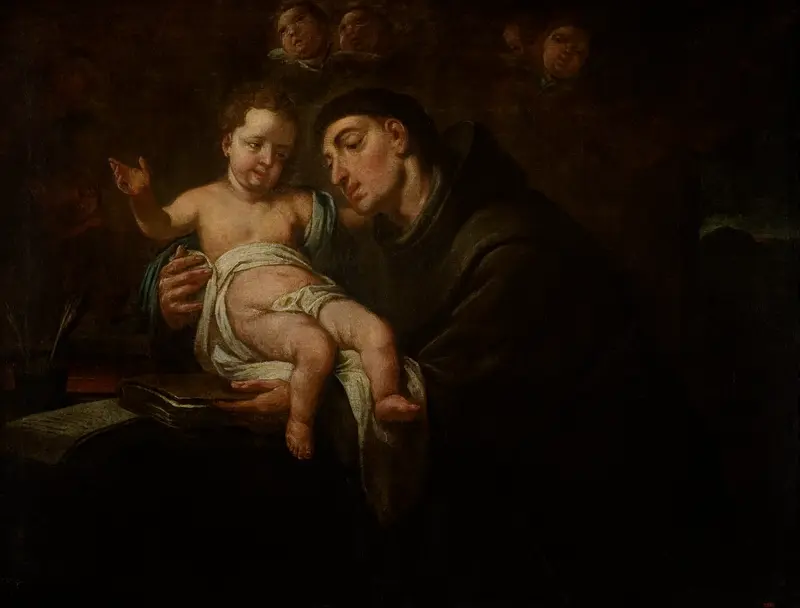
BMVB Visió de Sant Antoni de Pàdua
Antoni Viladomat
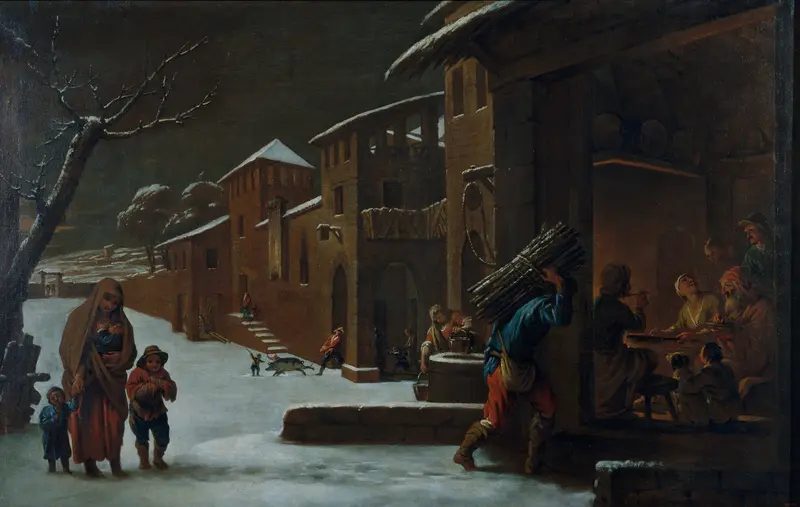
Winter
Antoni Viladomat





