
Birth of Saint Francis — History & Facts
What first draws the eye in Birth of Saint Francis is the quiet intimacy of the scene, set in a humble interior where a newborn is cradled by a woman, surrounded by attentive figures whose gestures speak of reverence and care. The light falls softly on the central group, picking out the folds of garments and the gentle curve of the infant’s body, while the rest of the room recedes into shadow. A kneeling woman presents linens, her posture deferential, while two others lean in, their faces animated by curiosity or devotion.
Through the open doorway, a city street is visible, and just outside, a figure with angelic wings hints at the miraculous, bridging the everyday and the divine. Even the donkey’s quiet presence in the background roots the moment in the world of the ordinary, making the extraordinary birth feel close and real. Painted by Antoni Viladomat between 1724 and 1733, this work belongs to a period when religious narratives were commissioned for churches and monastic spaces, intended to instruct and move the faithful. In eighteenth-century Spain, such paintings were part of a broader visual culture that used familiar domestic settings and naturalistic detail to bring sacred stories to life.
The artist’s choice to place the holy event in a recognizably local environment, with contemporary dress and architecture, reflects the era’s desire to make spiritual history immediate and accessible. While the specific journey of this painting is little documented, its presence today in the Google Cultural Institute collection invites us to look closely at how faith, daily life, and art once intertwined—and to notice how the smallest gestures in paint can still speak across centuries.
More Artworks by Antoni Viladomat

Autumn
Antoni Viladomat
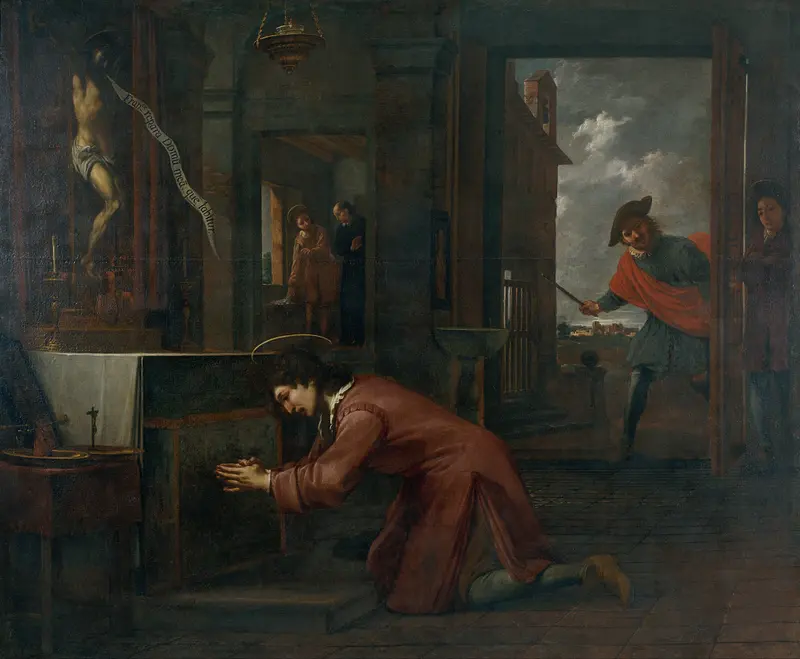
Saint Francis Receives the Order from the Crucifix at Saint Damian to Repair the House of God
Antoni Viladomat
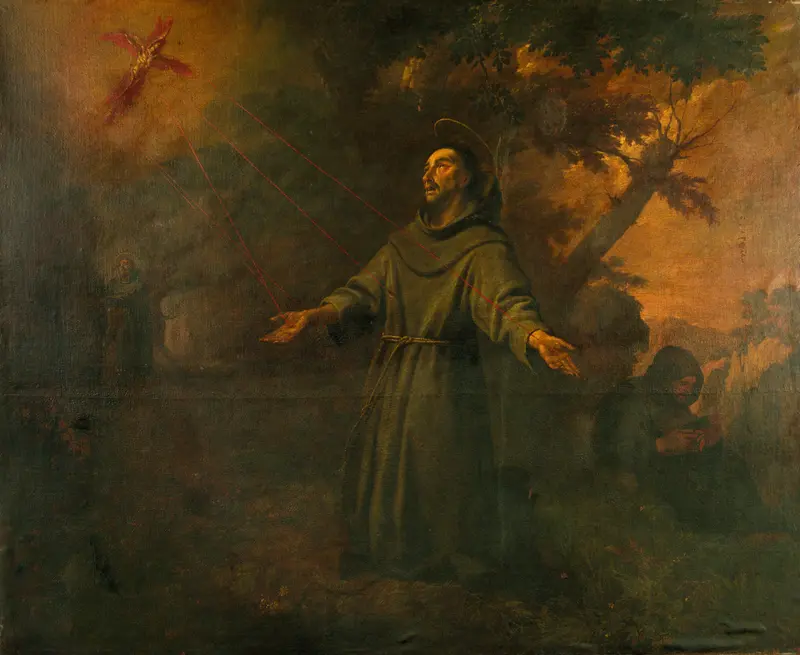
Saint Francis Receives the Stigmata
Antoni Viladomat
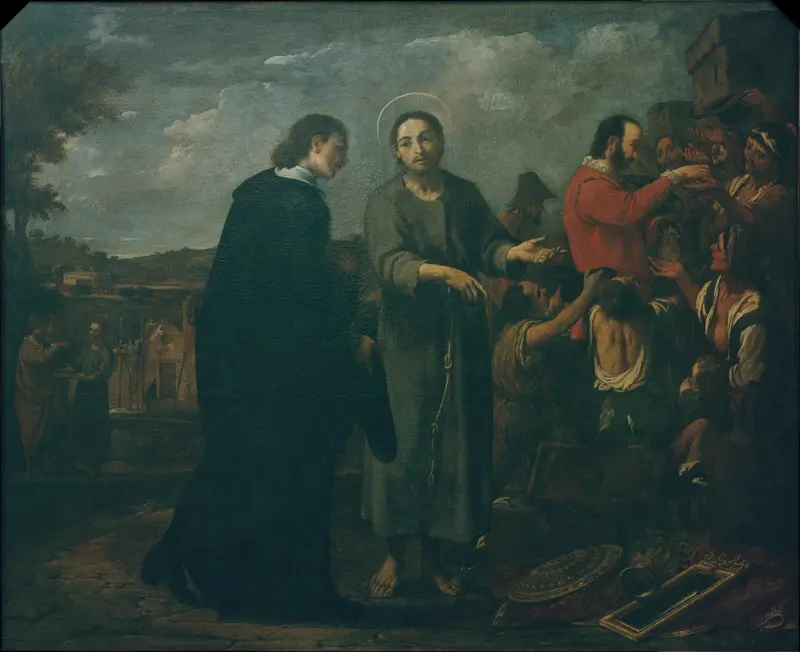
Bernat de Quintaval Distributes his Riches to the Poor
Antoni Viladomat
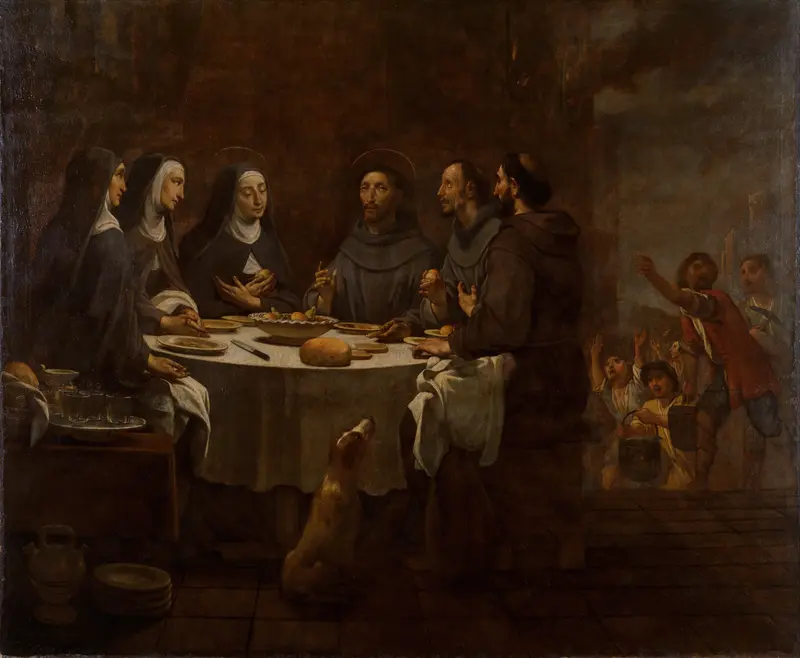
Saint Francis and Saint Clare at Supper in the Convent of Saint Damian
Antoni Viladomat
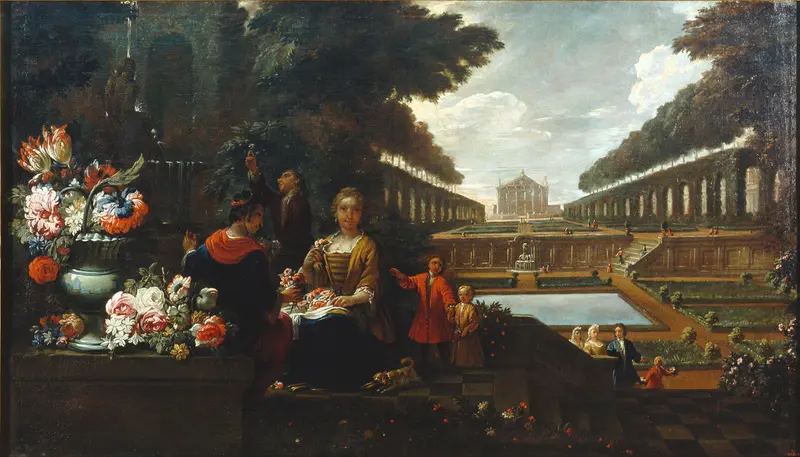
Spring
Antoni Viladomat
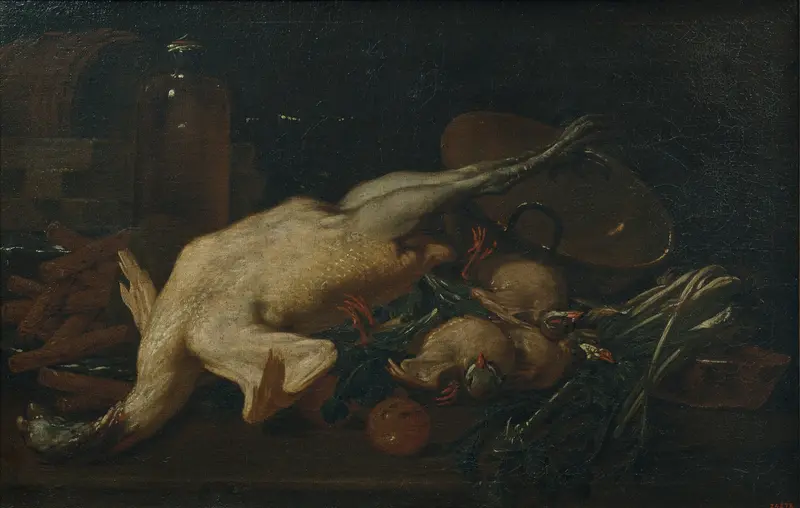
Still Life with Vegetables, Turkey, other Fowl and Wafers
Antoni Viladomat
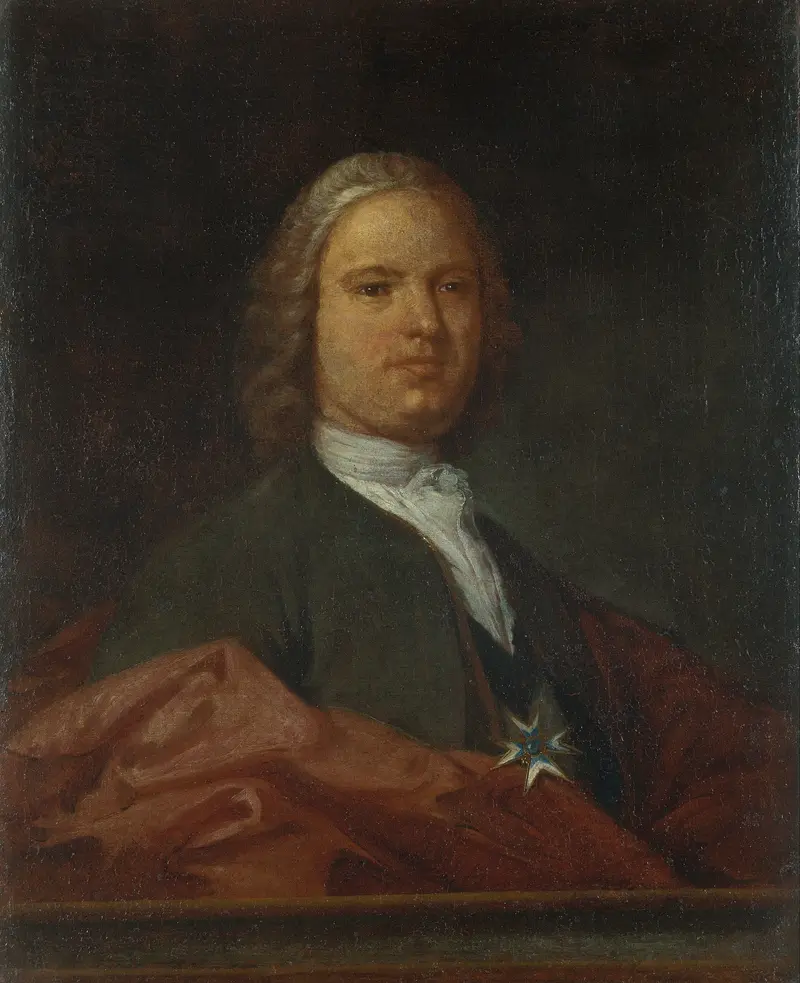
Portrait of a Knight of the Order of Saint John
Antoni Viladomat
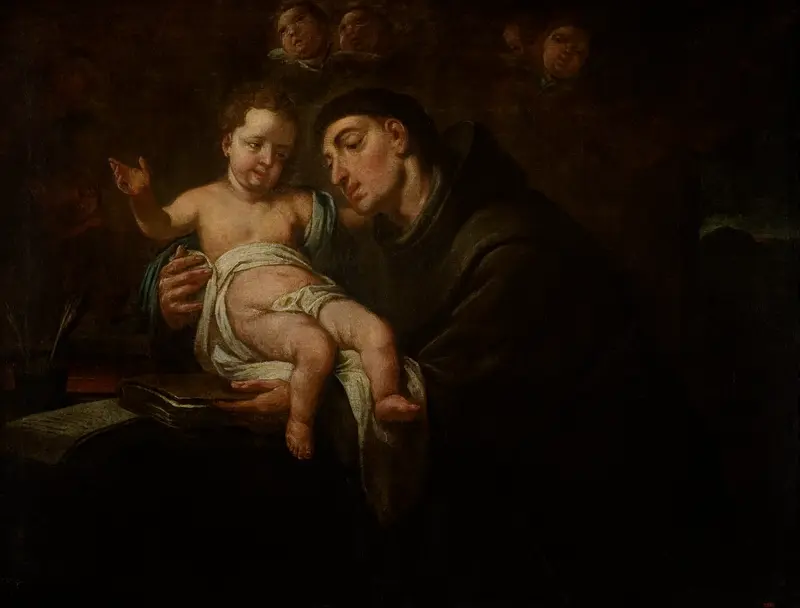
BMVB Visió de Sant Antoni de Pàdua
Antoni Viladomat
Winter
Antoni Viladomat





