
Saint Francis Receives the Stigmata — History & Facts
What first arrests the eye in Saint Francis Receives the Stigmata is the moment of rapture, caught mid-breath, as the saint’s upturned face and open arms receive rays of red light from a seraphic vision overhead. The composition draws you into the drama: Francis stands alone at the center, his brown habit rendered in deep, earthy tones that anchor him to the shadowed ground, while his gaze and the miraculous beams pull your attention upward. The lines of light, almost threadlike, connect the wounds of the crucified figure in the sky to Francis’s own hands, feet, and side—making visible the invisible, the moment of mystical transformation.
Around him, the world recedes into dusk and silence; a companion monk kneels in the shadows, head bowed, as if unable to witness the intensity of what unfolds. Painted between 1724 and 1733 by Antoni Viladomat, this work belongs to a tradition that flourished in Catholic Europe, where scenes from the life of Saint Francis of Assisi were favored by religious patrons eager to inspire devotion. Such paintings were often destined for chapels or monastic settings, designed to make the miraculous tangible for viewers who might never experience such ecstasy themselves. The warm, golden light filtering through the foliage and the careful modeling of Francis’s features reflect the late Baroque sensibility, where emotion and theatricality were prized.
History has kept few traces of this particular canvas’s journey, but its presence in the Google Cultural Institute collection today invites us to stand before it as pilgrims, following the red lines back to their source.
More Artworks by Antoni Viladomat

Autumn
Antoni Viladomat
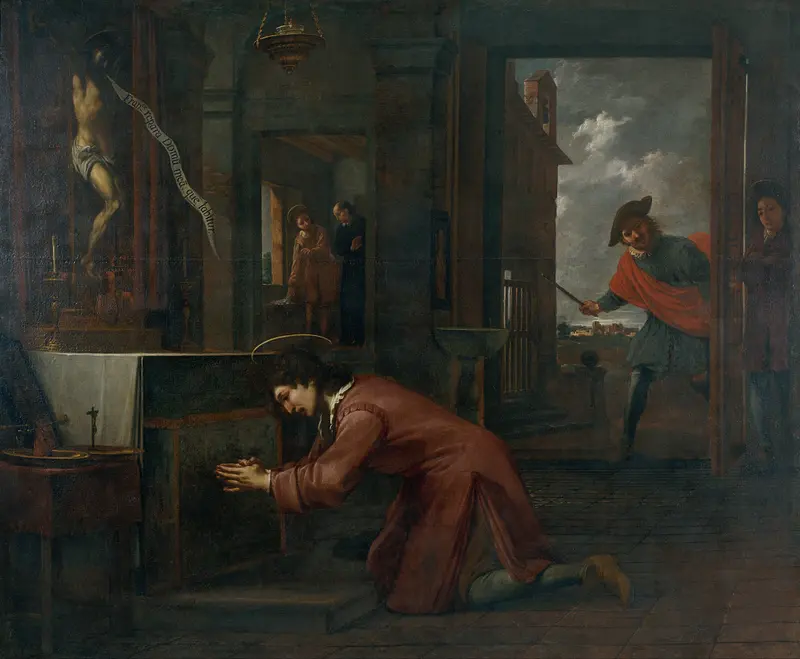
Saint Francis Receives the Order from the Crucifix at Saint Damian to Repair the House of God
Antoni Viladomat
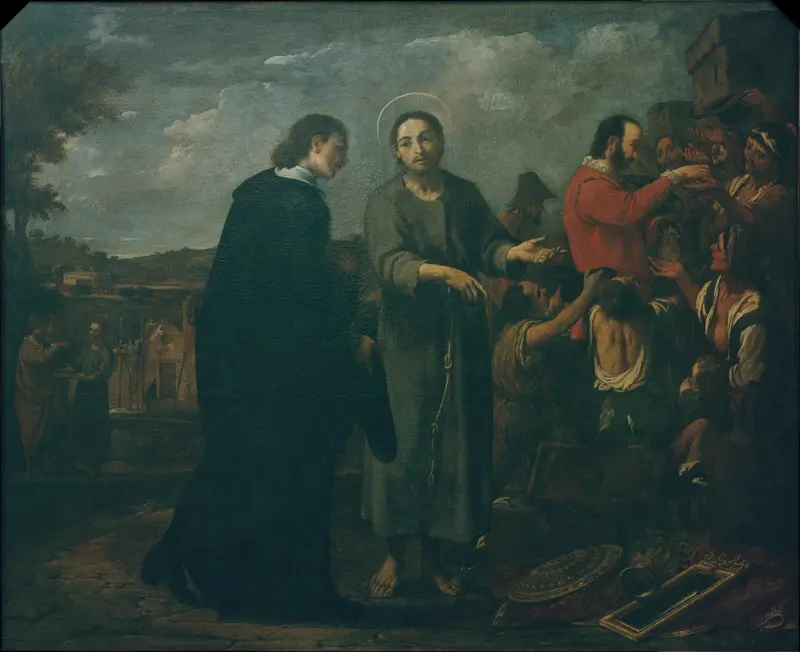
Bernat de Quintaval Distributes his Riches to the Poor
Antoni Viladomat
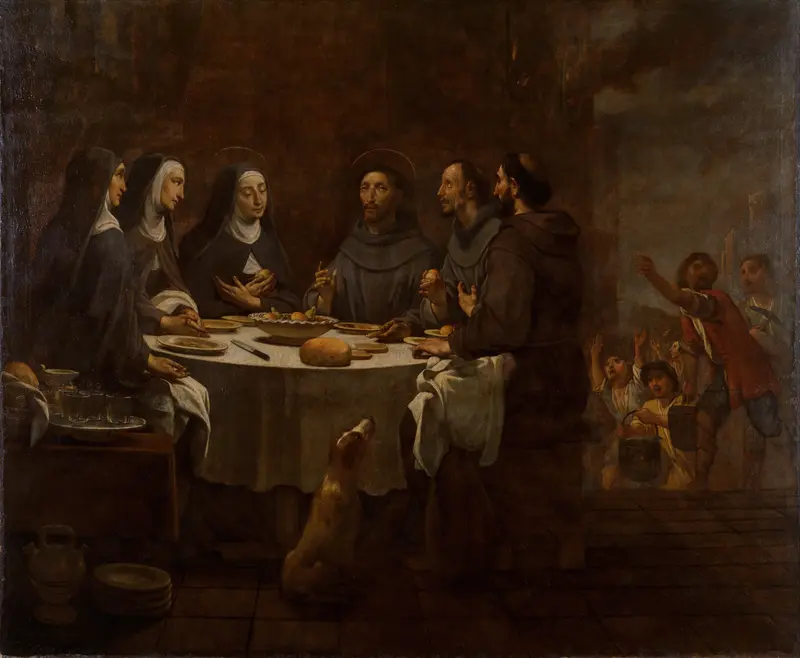
Saint Francis and Saint Clare at Supper in the Convent of Saint Damian
Antoni Viladomat
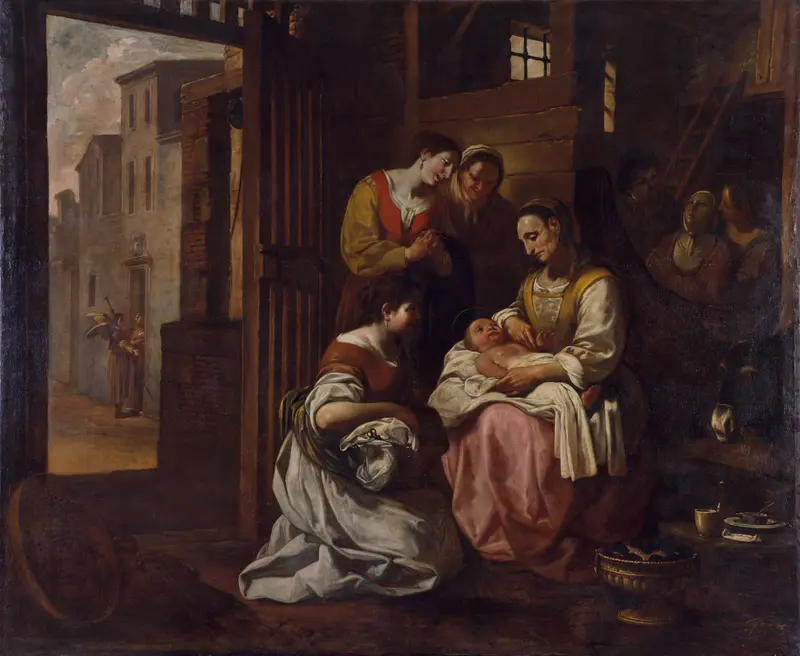
Birth of Saint Francis
Antoni Viladomat
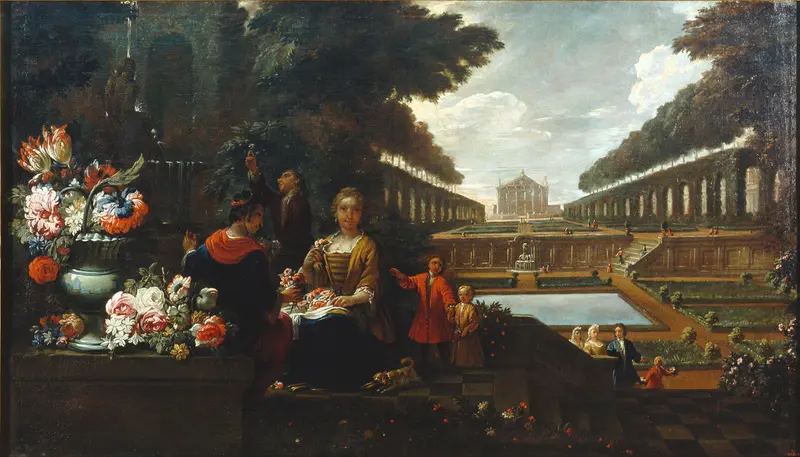
Spring
Antoni Viladomat
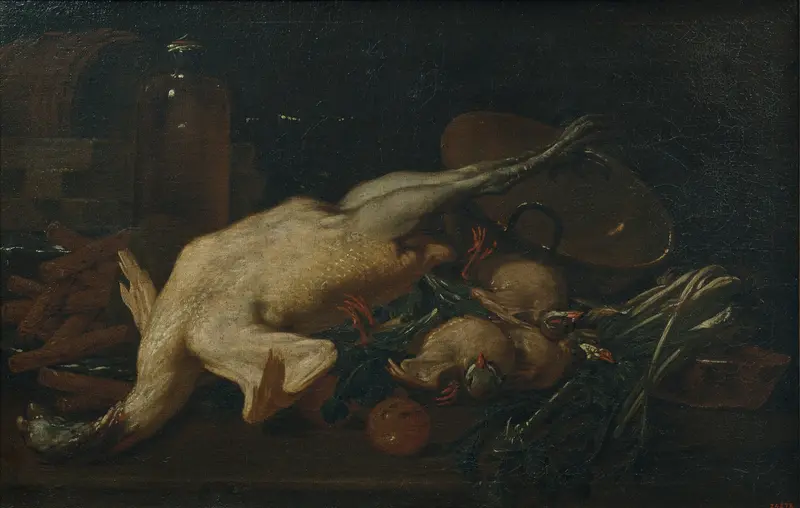
Still Life with Vegetables, Turkey, other Fowl and Wafers
Antoni Viladomat
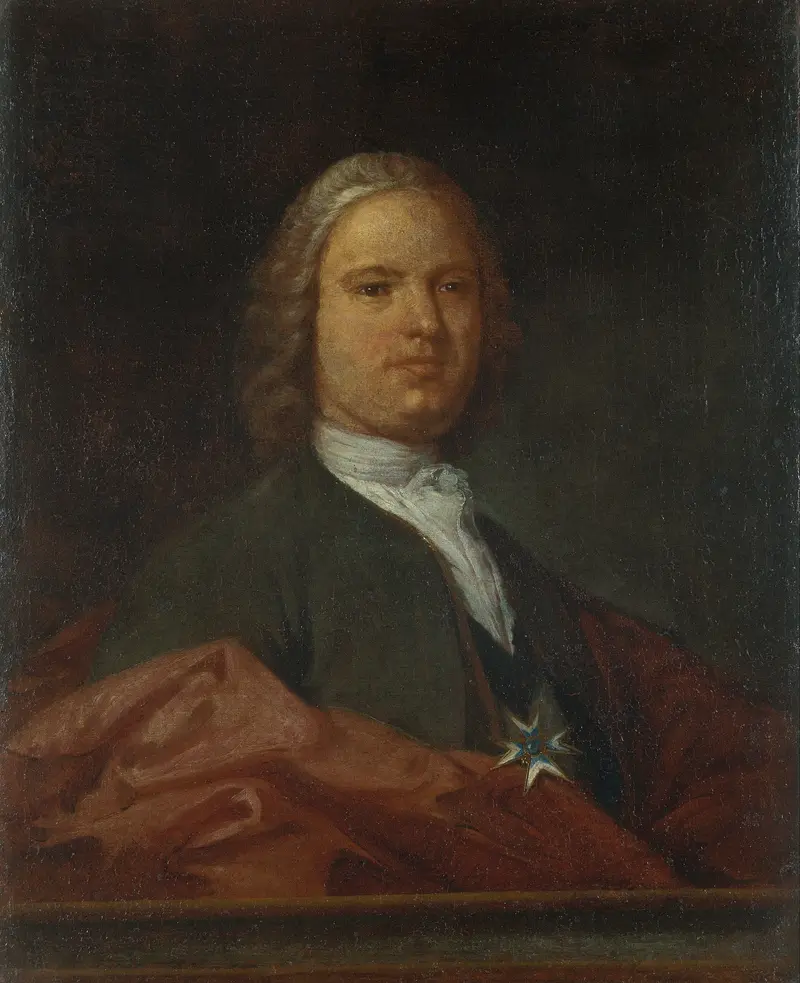
Portrait of a Knight of the Order of Saint John
Antoni Viladomat
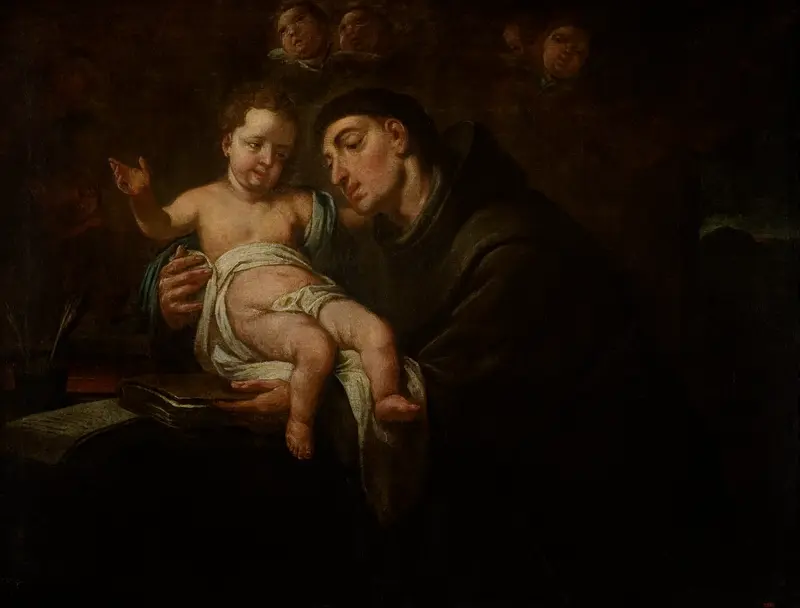
BMVB Visió de Sant Antoni de Pàdua
Antoni Viladomat
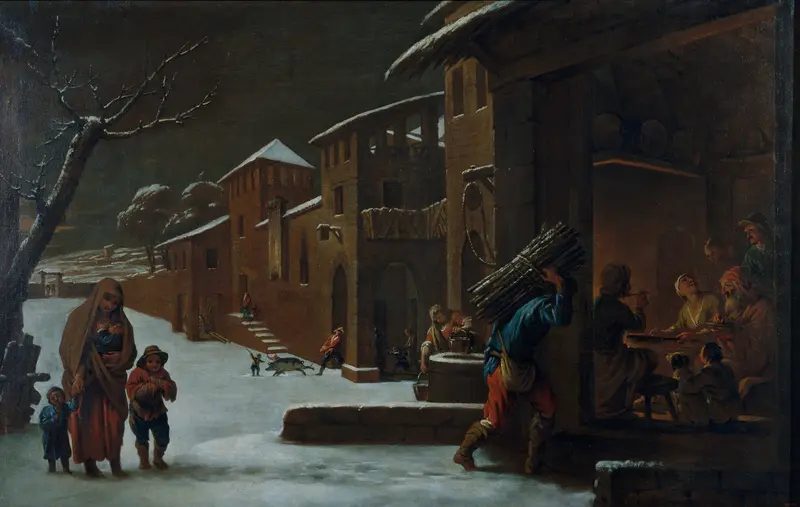
Winter
Antoni Viladomat





