
BMVB Visió de Sant Antoni de Pàdua — History & Facts
A shaft of golden light slices through the darkness, illuminating a tender encounter at the heart of the painting. At once intimate and miraculous, the scene draws the viewer into a moment of quiet revelation: a friar, his face alight with awe, gazes upon the Christ Child who appears before him, suspended in a luminous cloud. The gentle gesture of the friar’s hands—one pressed to his chest, the other extended in wonder—invites us to share in his astonishment.
Every detail, from the soft folds of the habit to the delicate play of light across the figures, works to heighten the sense of spiritual visitation. The muted palette and dramatic contrasts guide the eye, focusing attention on the sacred vision at the painting’s center. Created in 1720 by Antoni Viladomat, this work belongs to a world where religious art was both a tool of devotion and a display of artistic skill. In early eighteenth-century Spain, scenes of saints’ visions were favored by churches and religious institutions eager to inspire faith and awe.
Painters like Viladomat, working within the late Baroque tradition, specialized in capturing the drama and intimacy of such moments, often for altarpieces or private chapels. Today, this painting forms part of the permanent collection at the Biblioteca Museu Víctor Balaguer, a reminder of how art once shaped the spiritual imagination of its time. Look again at the friar’s face: centuries later, his wonder still feels fresh.
More Artworks by Antoni Viladomat

Autumn
Antoni Viladomat
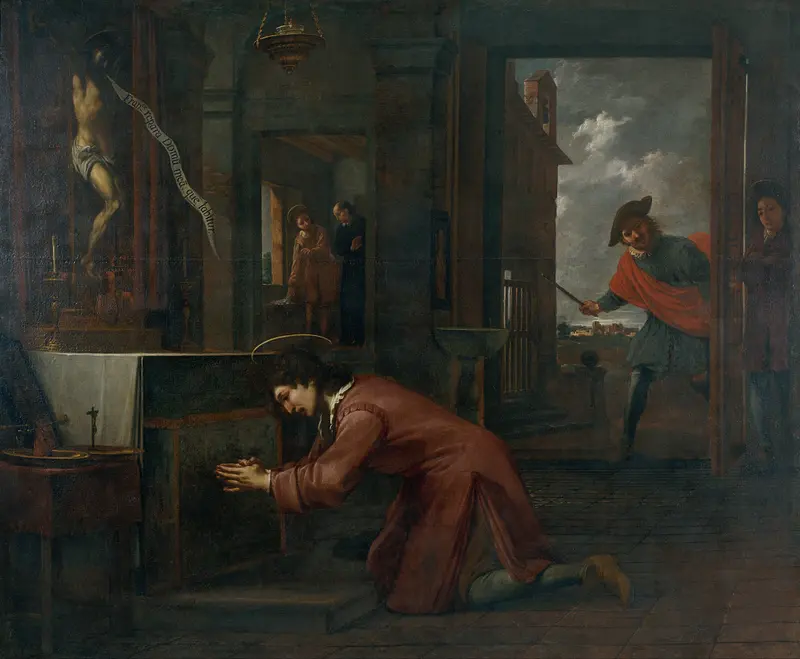
Saint Francis Receives the Order from the Crucifix at Saint Damian to Repair the House of God
Antoni Viladomat
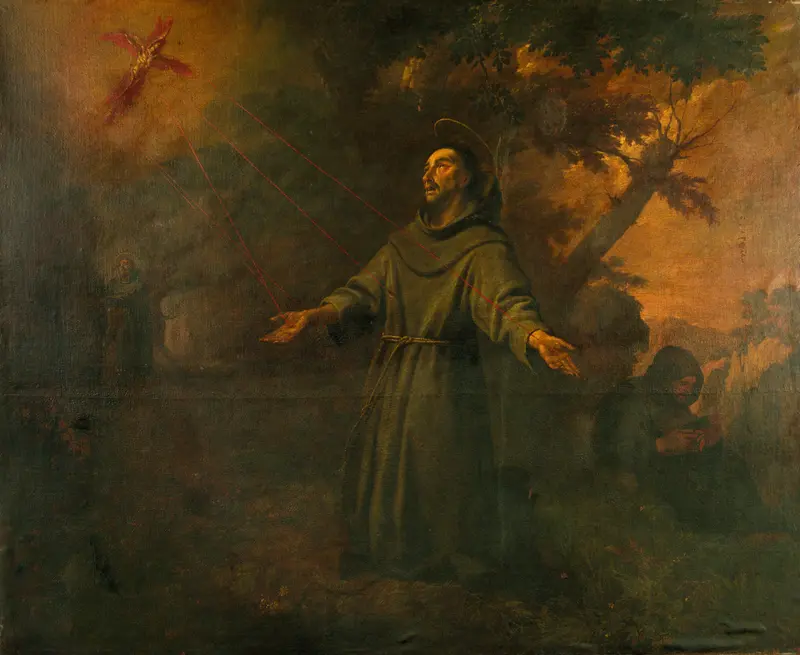
Saint Francis Receives the Stigmata
Antoni Viladomat
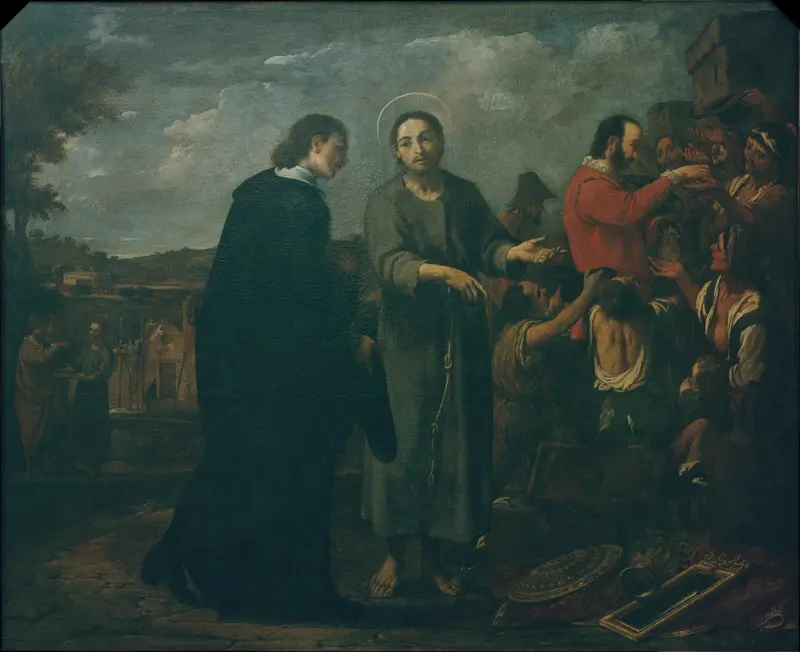
Bernat de Quintaval Distributes his Riches to the Poor
Antoni Viladomat
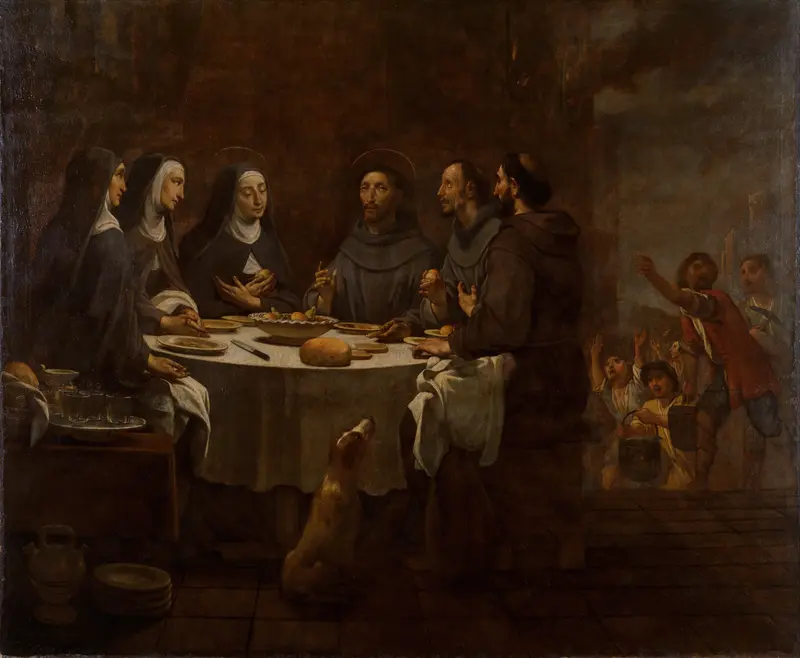
Saint Francis and Saint Clare at Supper in the Convent of Saint Damian
Antoni Viladomat
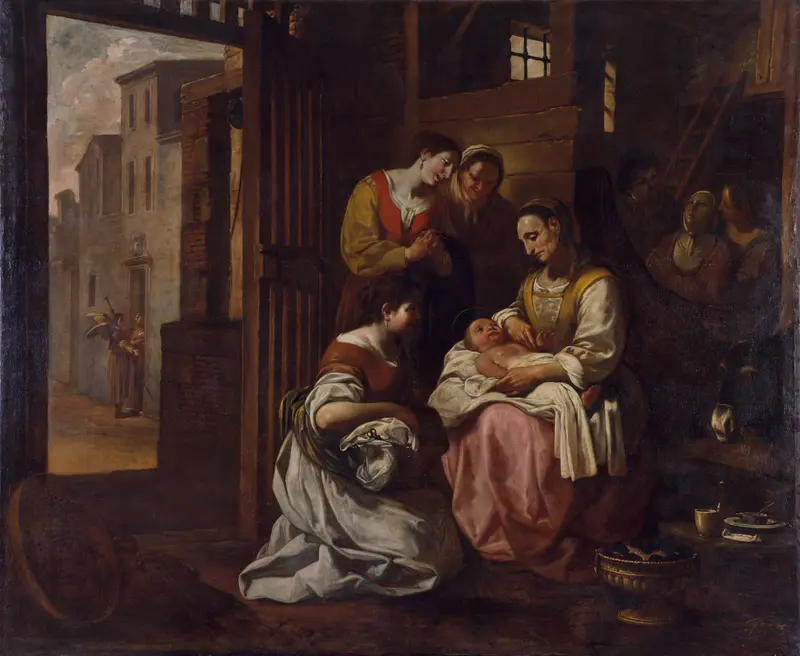
Birth of Saint Francis
Antoni Viladomat
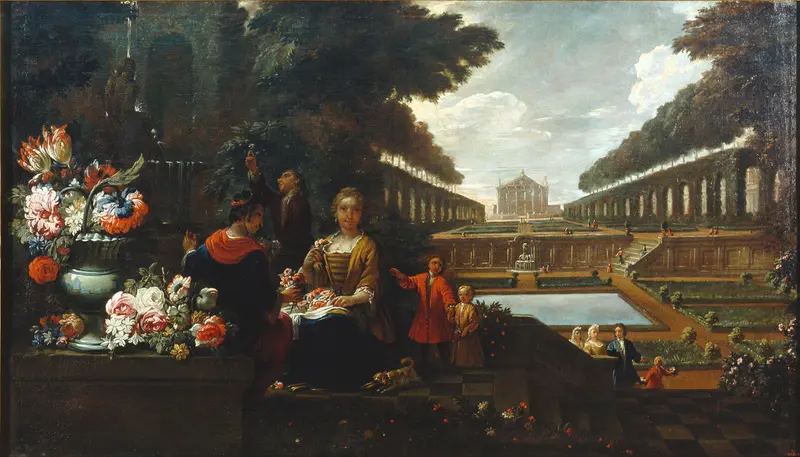
Spring
Antoni Viladomat
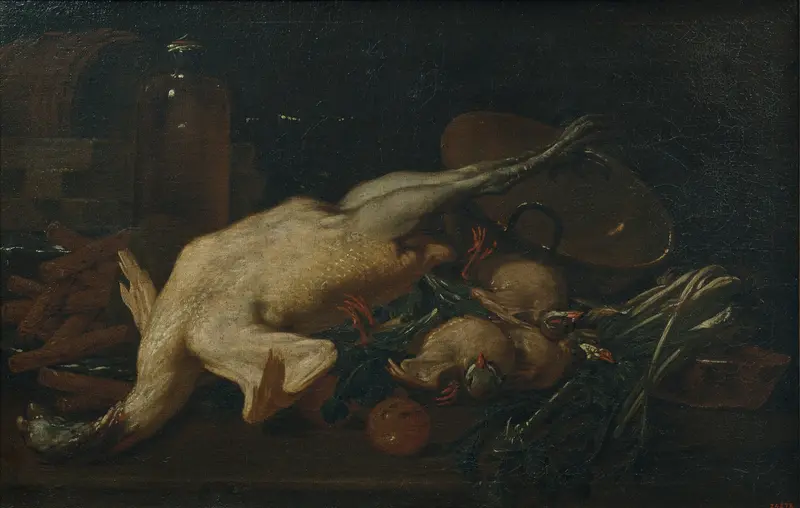
Still Life with Vegetables, Turkey, other Fowl and Wafers
Antoni Viladomat
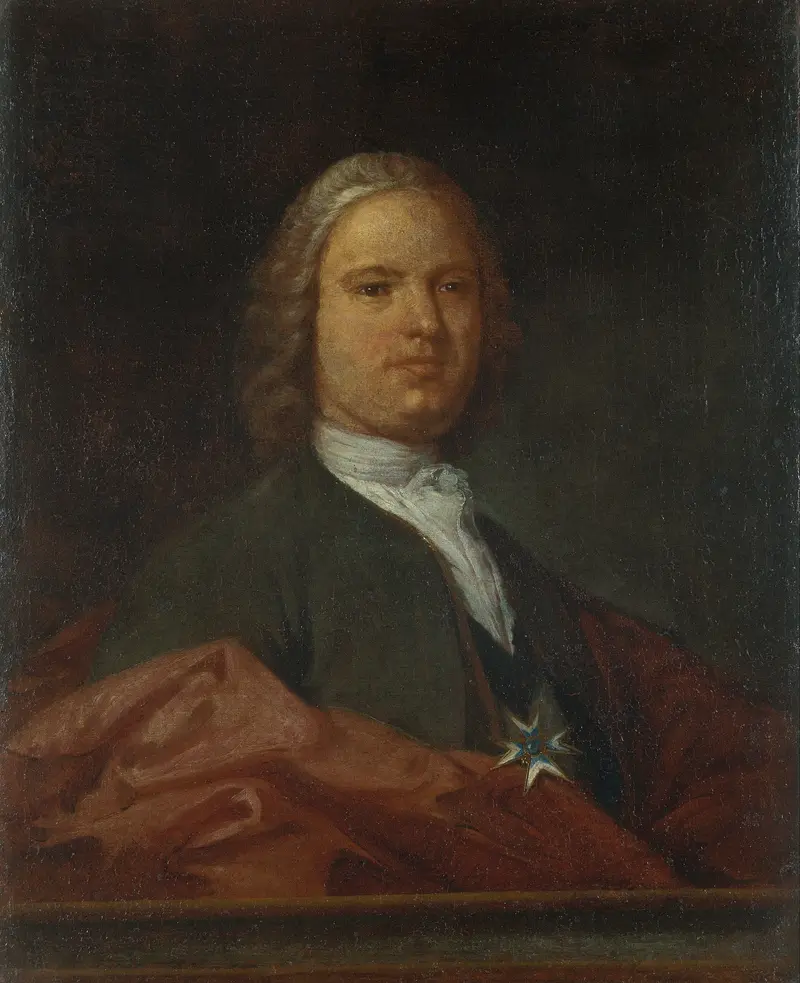
Portrait of a Knight of the Order of Saint John
Antoni Viladomat
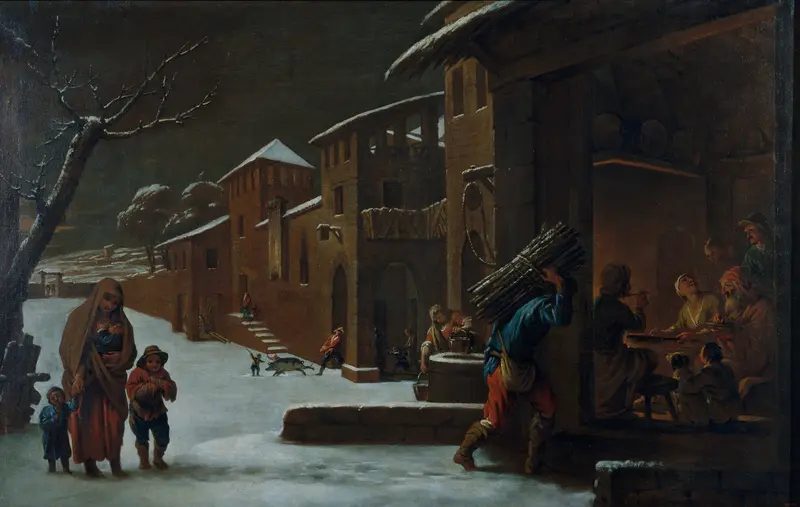
Winter
Antoni Viladomat





