
Spring — History & Facts
A cascade of flowers, a gathering of figures, and the sweep of an impossibly ordered garden: what first arrests the eye in Spring is the sensation of abundance, both cultivated and spontaneous. The painting draws you in with its lush foreground—a silver urn overflowing with peonies, tulips, and roses—while a group of elegantly dressed women and children gather in a shaded nook, their hands busy with blossoms. The light, falling from the right, animates the faces and fabrics, while the garden’s strict geometry recedes toward a distant palace, inviting the viewer to wander deeper into the scene.
Every detail, from the tiny dog at the woman’s feet to the careful placement of fountains and hedges, signals a world where nature and artifice meet in celebration. Painted between 1730 and 1735, this work by Antoni Viladomat belongs to a tradition that flourished in the courts and villas of eighteenth-century Europe. Such paintings were often commissioned to mark the turning of the seasons or to adorn the walls of grand homes, their purpose as much decorative as allegorical. The world that produced Spring was one of spectacle and display, where gardens were theatres of power and taste, and artists like Viladomat responded with compositions that balanced lively human presence with the disciplined lines of Baroque landscaping.
Though history has kept few traces of the painting’s journey, its presence today in the digital collection XgE4ZcTFh-ZAFA reminds us that spring, in art as in life, is always a promise renewed—look again, and the story begins anew.
More Artworks by Antoni Viladomat

Autumn
Antoni Viladomat
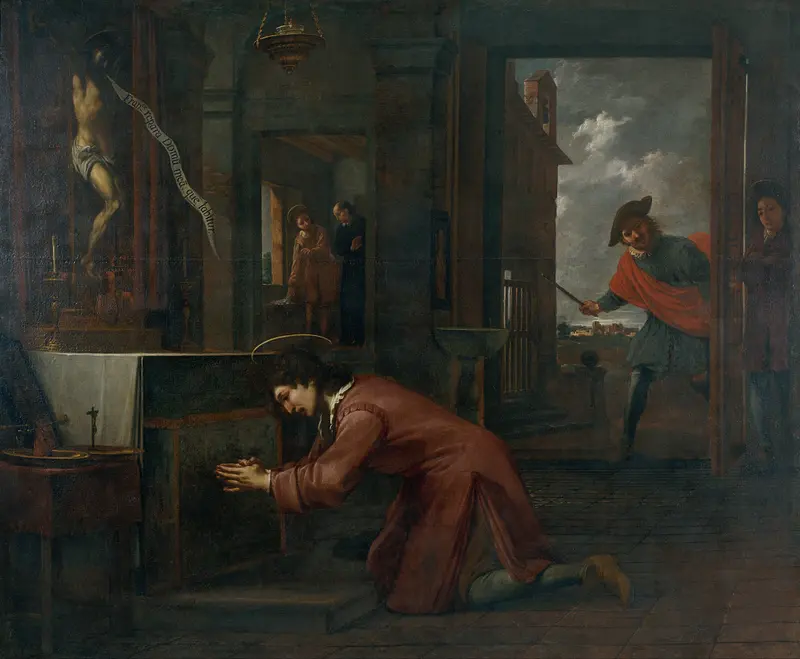
Saint Francis Receives the Order from the Crucifix at Saint Damian to Repair the House of God
Antoni Viladomat
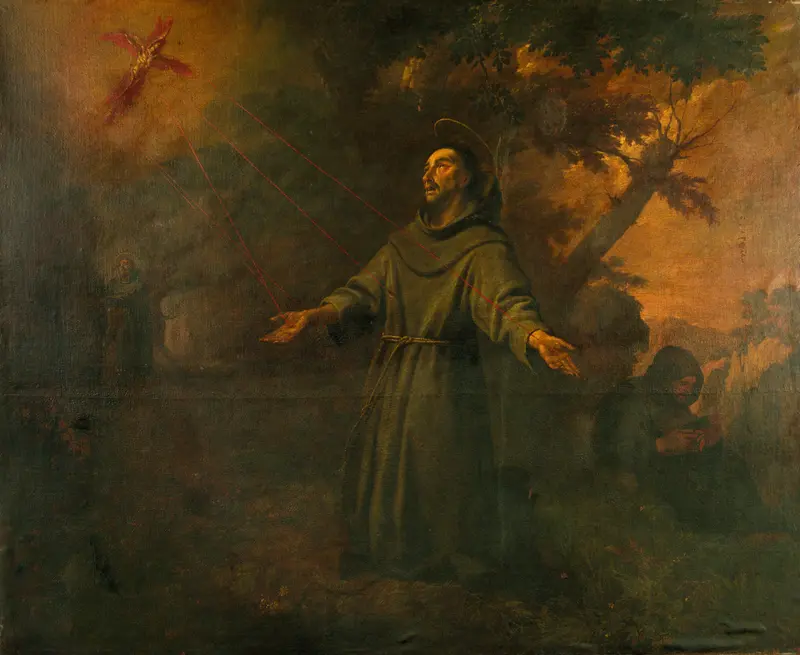
Saint Francis Receives the Stigmata
Antoni Viladomat
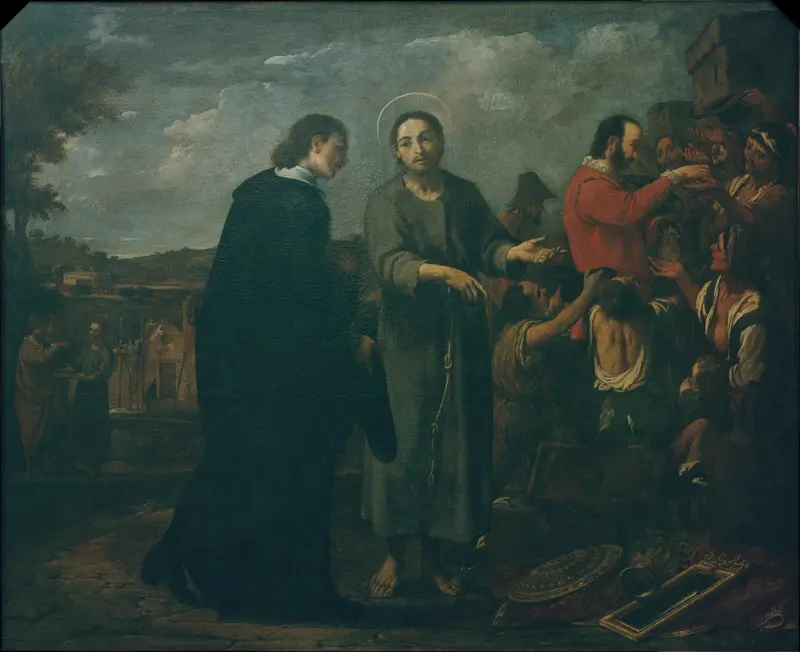
Bernat de Quintaval Distributes his Riches to the Poor
Antoni Viladomat
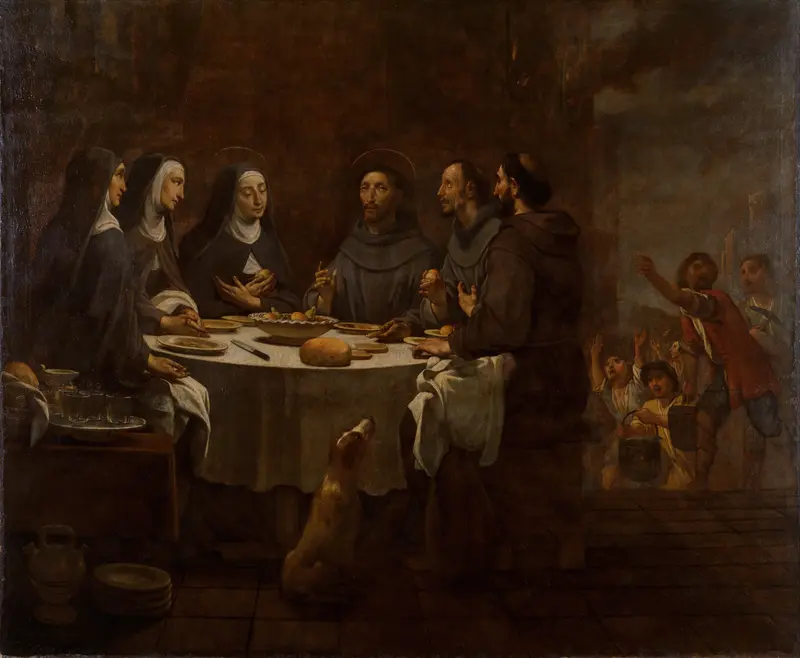
Saint Francis and Saint Clare at Supper in the Convent of Saint Damian
Antoni Viladomat
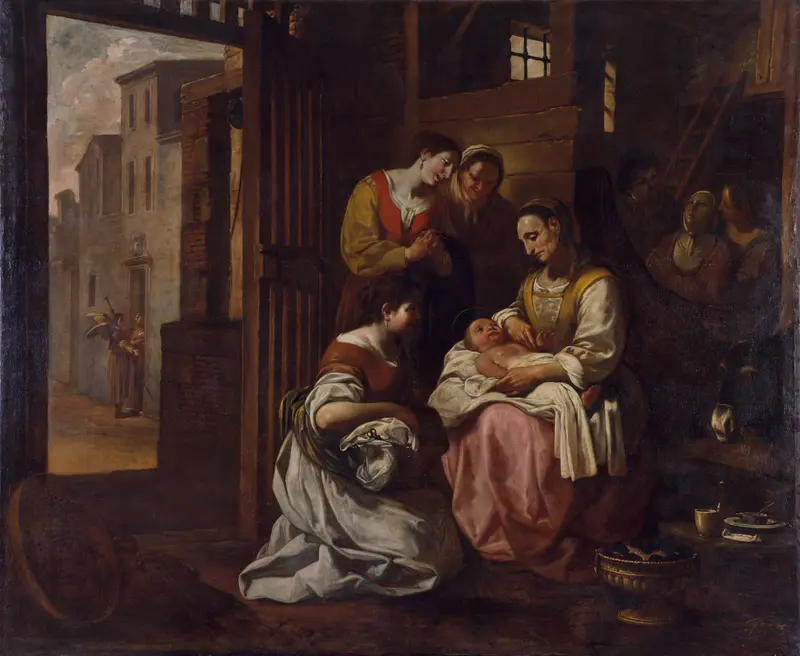
Birth of Saint Francis
Antoni Viladomat
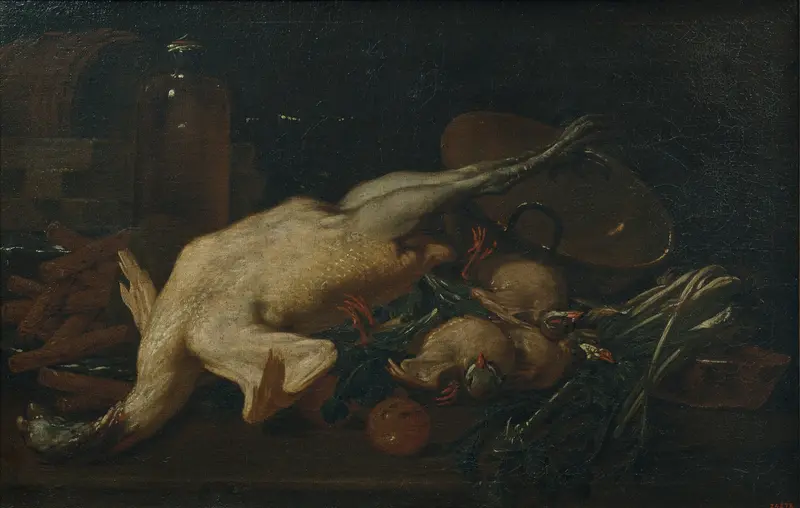
Still Life with Vegetables, Turkey, other Fowl and Wafers
Antoni Viladomat
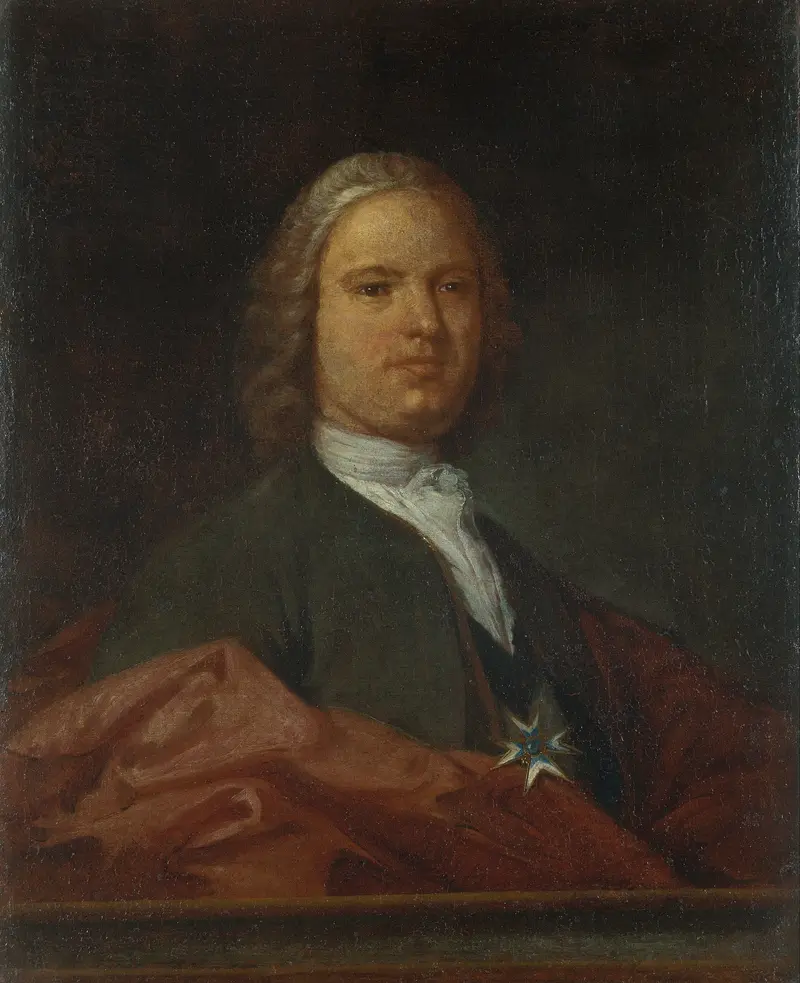
Portrait of a Knight of the Order of Saint John
Antoni Viladomat
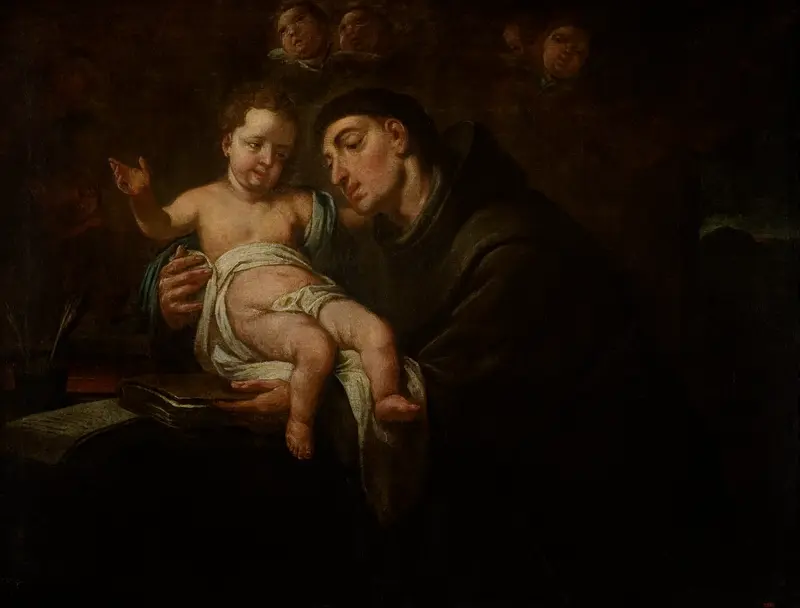
BMVB Visió de Sant Antoni de Pàdua
Antoni Viladomat
Winter
Antoni Viladomat
More Landscape Art

The Starry Night
Vincent van Gogh

View of Delft
Johannes Vermeer

Water Lilies
Claude Monet

The Grand Canal, Venice, looking north-west from the Ca' Corner to the Ca' Contarini degli Scrigni, with the campanile of Santa Maria della Carità
Canaletto

Windsor Castle
Canaletto

The Grand Canal looking North-East from the Palazzo Dolfin-Manin to the Rialto Bridge
Canaletto