
Beurs van Londen — History & Facts
Is it possible for a mere structure to evoke such longing? Wenceslaus Hollar’s Beurs van Londen captures a vibrant moment where commerce and artistry intersect, inviting the viewer to yearn for a bustling world teeming with life and opportunity. Look closely at the elaborate architectural details of the foreground; the grand façade of the London Exchange commands attention with its towering columns and intricate sculptures. Notice how the warm hues of ochre and gold bathe the scene in a gentle light, casting a serene warmth over the hurried figures below. The interplay of shadow and illumination breathes an air of dynamism and urgency into the marketplace, creating a striking contrast between the rigid architecture and the fluid movements of the people. Among the throng, there’s a palpable tension between aspiration and reality, as traders and citizens navigate both the physical space and their aspirations for prosperity.
Hollar’s meticulous lines reveal the intricate emotions of hope, ambition, and the bittersweet nature of commerce, illustrating how dreams can be both uplifting and burdensome. The gathering clouds above hint at a foreboding future, suggesting that even the most vibrant scenes of life carry an underlying complexity. In 1647, Hollar created this piece in the aftermath of political upheaval in England, amidst the civil war. Living in a city grappling with change, he sought to document not just physical structures but the very essence of human experience within the marketplace.
His work stands at the intersection of art and documentary, capturing a moment in time that resonates with layers of longing and aspiration.
More Artworks by Wenceslaus Hollar
Browse all →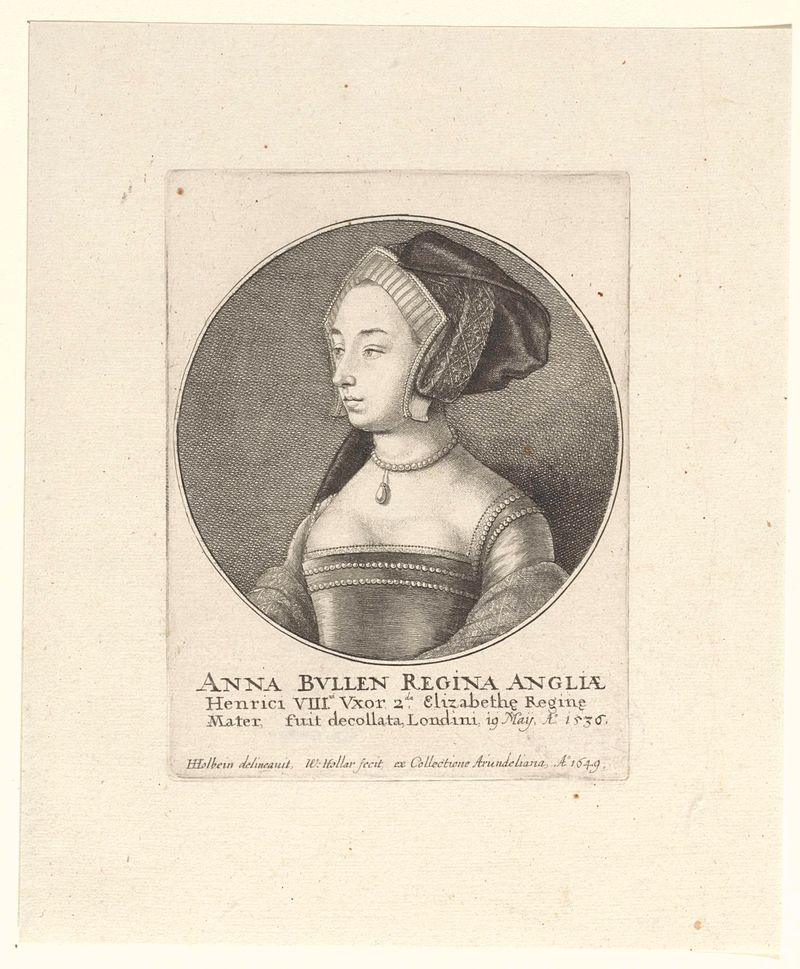
Portret van Anna Boleyn, koningin van Engeland
Wenceslaus Hollar
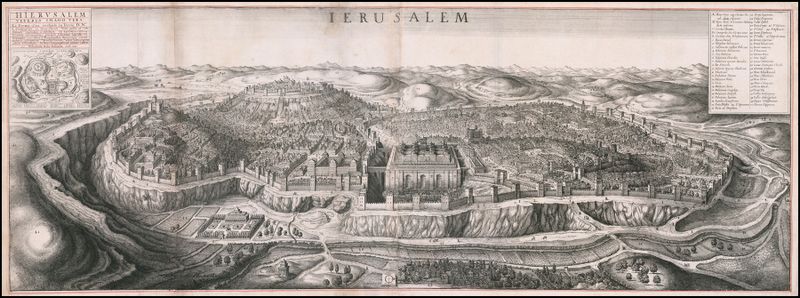
Bird’s eye view of Jerusalem
Wenceslaus Hollar
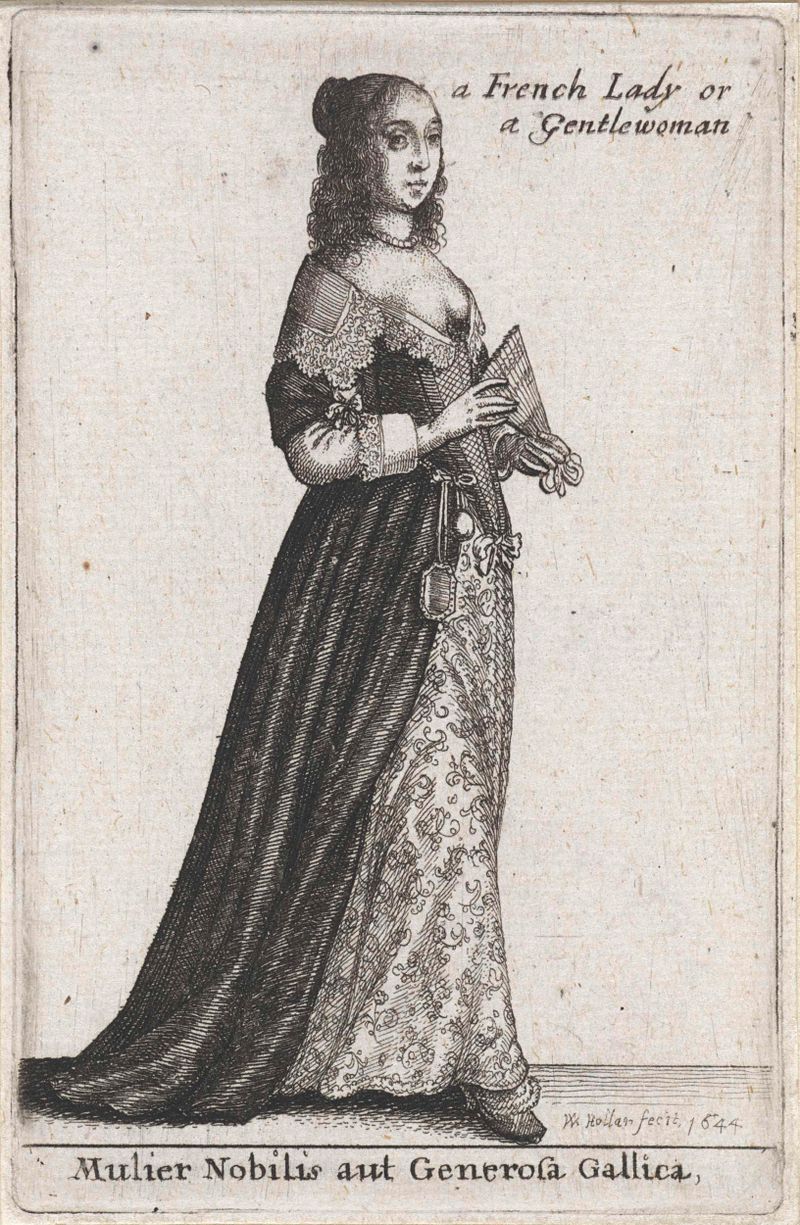
Mulier Nobilis aut Generosa Gallica / a French Lady or Gentlewoman
Wenceslaus Hollar
Titelprent voor: Ornatus Muliebris Anglicanus
Wenceslaus Hollar
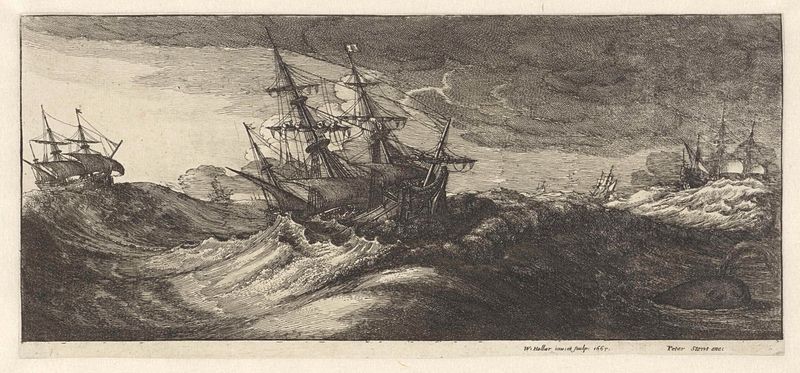
Oorlogsschepen en een walvis in een zeestorm
Wenceslaus Hollar
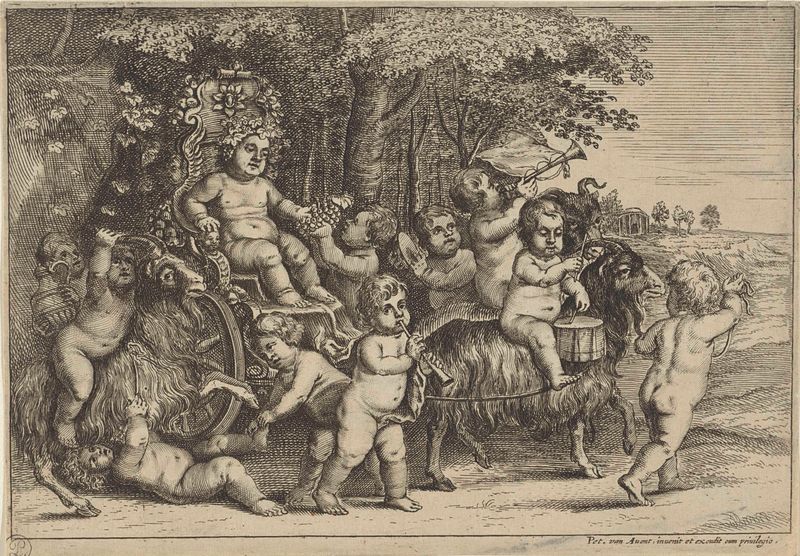
Optocht van bacchant en jongetjes op geiten
Wenceslaus Hollar
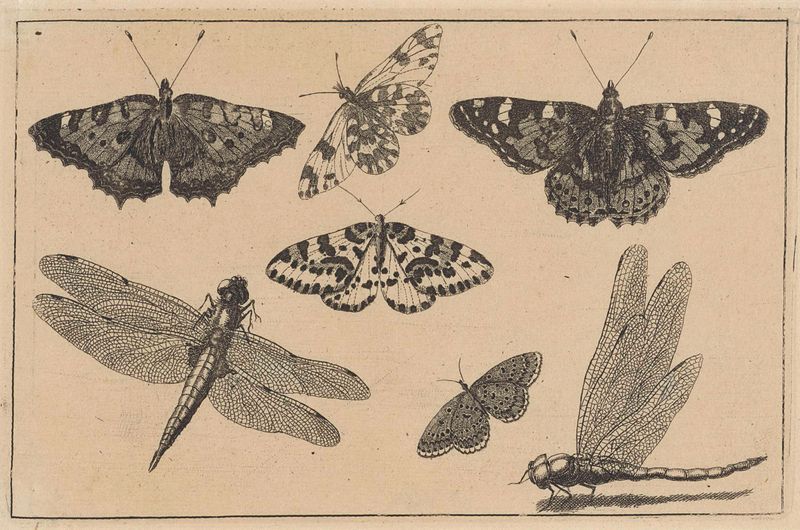
Twee libellen en vijf vlinders
Wenceslaus Hollar
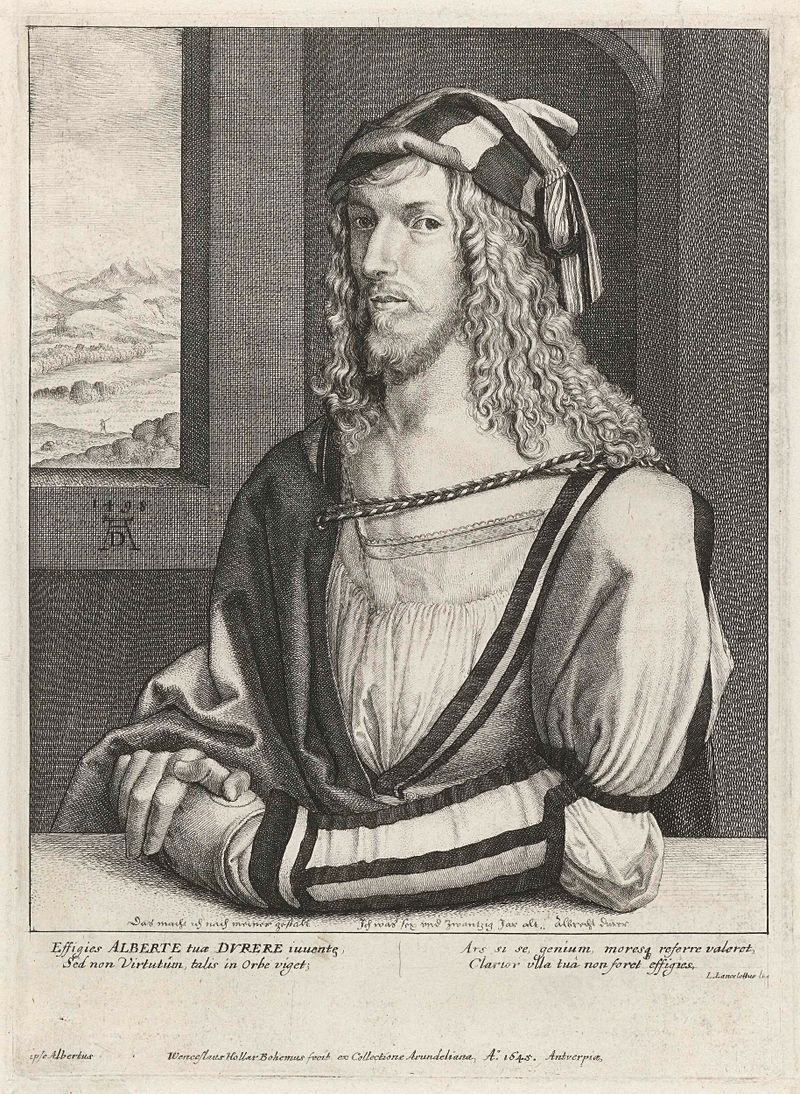
Portret van Albrecht Dürer
Wenceslaus Hollar
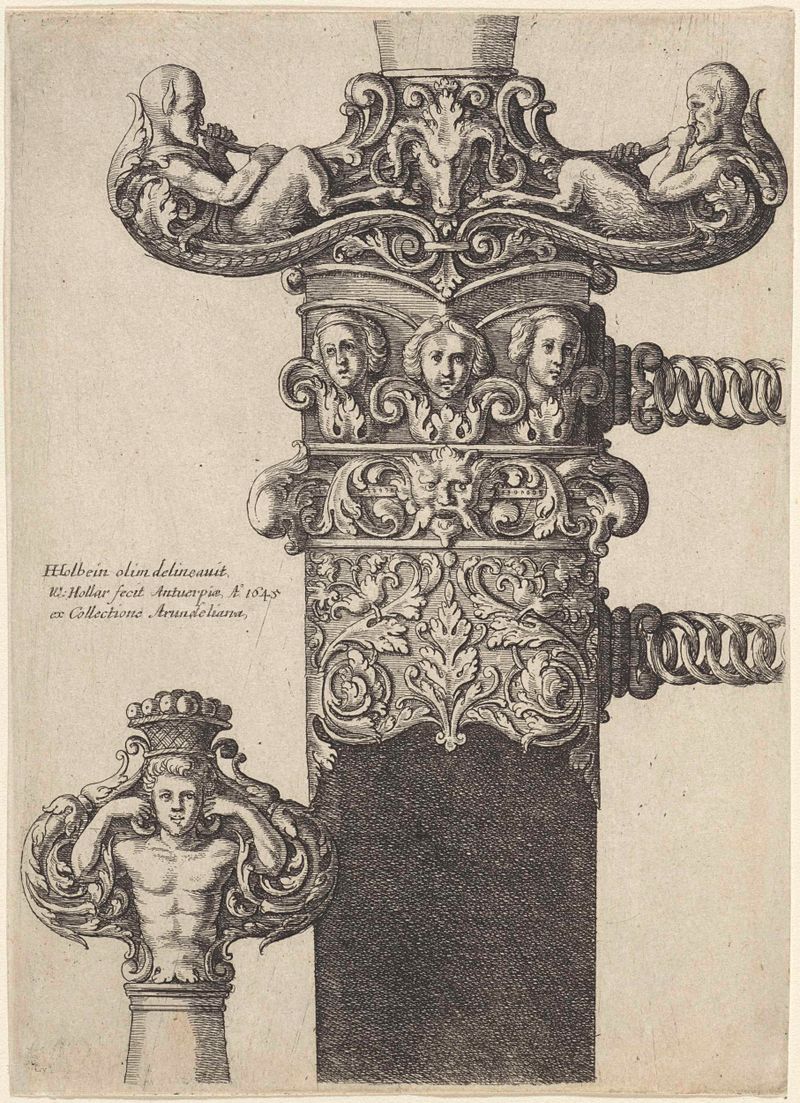
Ornamenteel ontwerp voor een dolk
Wenceslaus Hollar
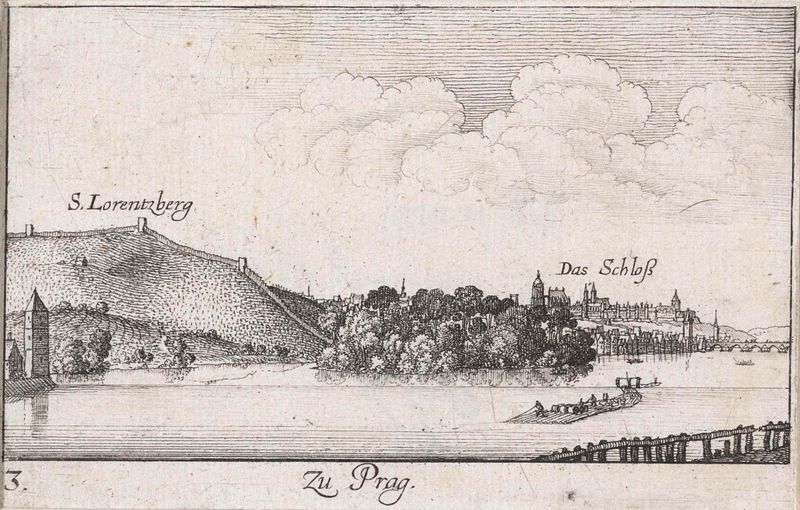
Gezicht op Praag vanaf de Moldau
Wenceslaus Hollar
More Architecture Art
Browse all →
The statue of Liberty
Frédéric Auguste Bartholdi

View of Houses in Delft, Known as ‘The Little Street’
Johannes Vermeer

View of Houses in Delft, Known as ‘The Little Street’
Johannes Vermeer

The Cathedral in Rouen. The portal, Grey Weather
Claude Monet

The yellow house
Vincent van Gogh

The Church in Auvers-sur-Oise, View from the Chevet
Vincent van Gogh