
Beurs van Londen — History & Facts
What secret hides in the quiet of the canvas? Within the stillness of Beurs van Londen, a whisper of madness lingers, inviting exploration beneath its surface. Look to the left at the intricate architecture that commands the scene, towering over the bustle below. The detailed engravings capture a world both grand and precise, while muted tones of gray and ochre provide a somber backdrop. Notice how the figures, though seemingly engaged in commerce, remain distant, each caught in their own sphere of thought, creating an unsettling contrast between the vibrancy of the market and the solitude of the individual.
Hollar's meticulous line work and subtle shading breathe life into the scene, yet the overwhelming presence of structure looms over it all, hinting at a deeper psychological tension. As the viewer delves deeper, the juxtaposition between the ordered environment and the chaotic human activity unfolds. Each figure seems a cog in a machine, their expressions vacillating between purpose and confusion, perhaps reflecting the anxieties of a time wrought with uncertainty. The silent conversation between the bustling life and the imposing architecture speaks to the madness of societal pressures—a commentary on the complexities of commerce and the human condition during a period of transformation. In 1644, Wenceslaus Hollar, a Bohemian engraver and etcher, created this work while living in London, having fled the Thirty Years' War.
The city was a hub of dynamic change, both artistically and socially, as it emerged from the turmoil of conflict. Hollar's keen observations and intricate detail were part of the burgeoning Baroque style, capturing a moment where creativity was both a refuge and a reflection of the chaos surrounding him.
More Artworks by Wenceslaus Hollar
Browse all →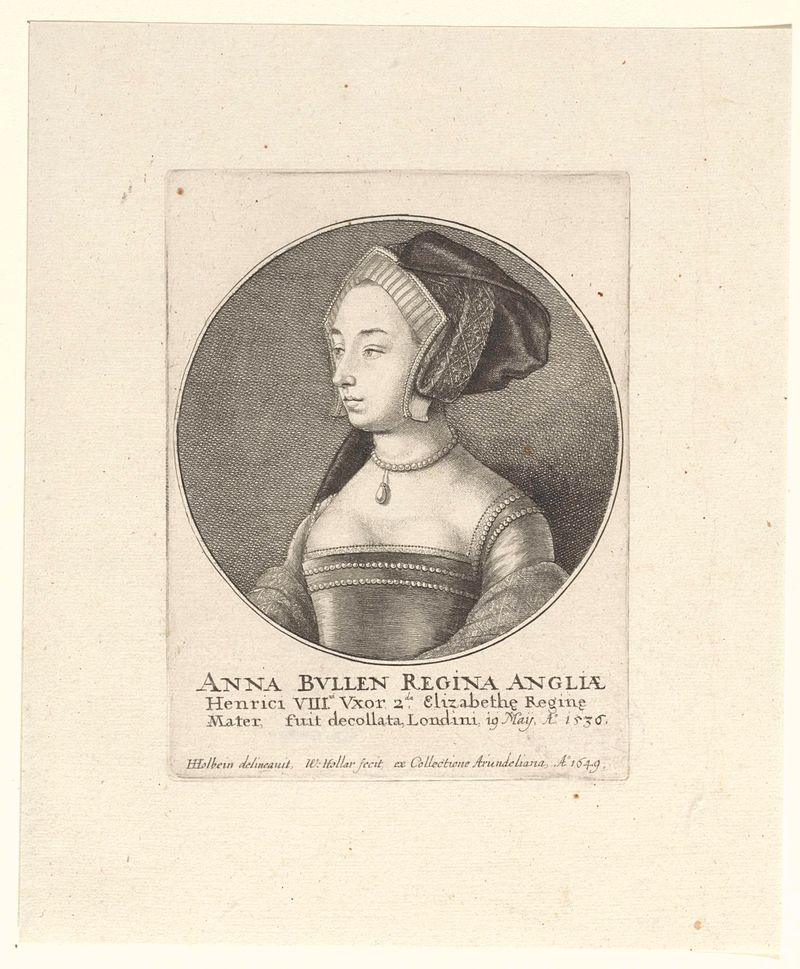
Portret van Anna Boleyn, koningin van Engeland
Wenceslaus Hollar
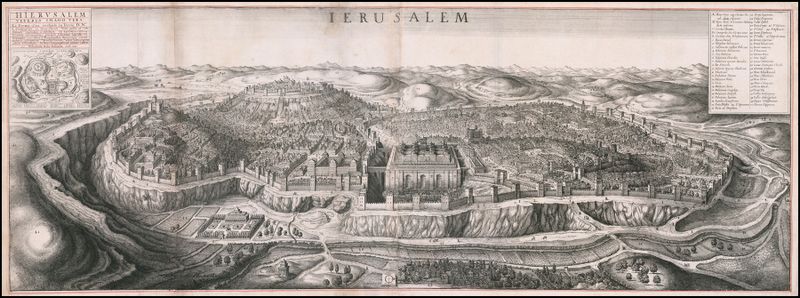
Bird’s eye view of Jerusalem
Wenceslaus Hollar
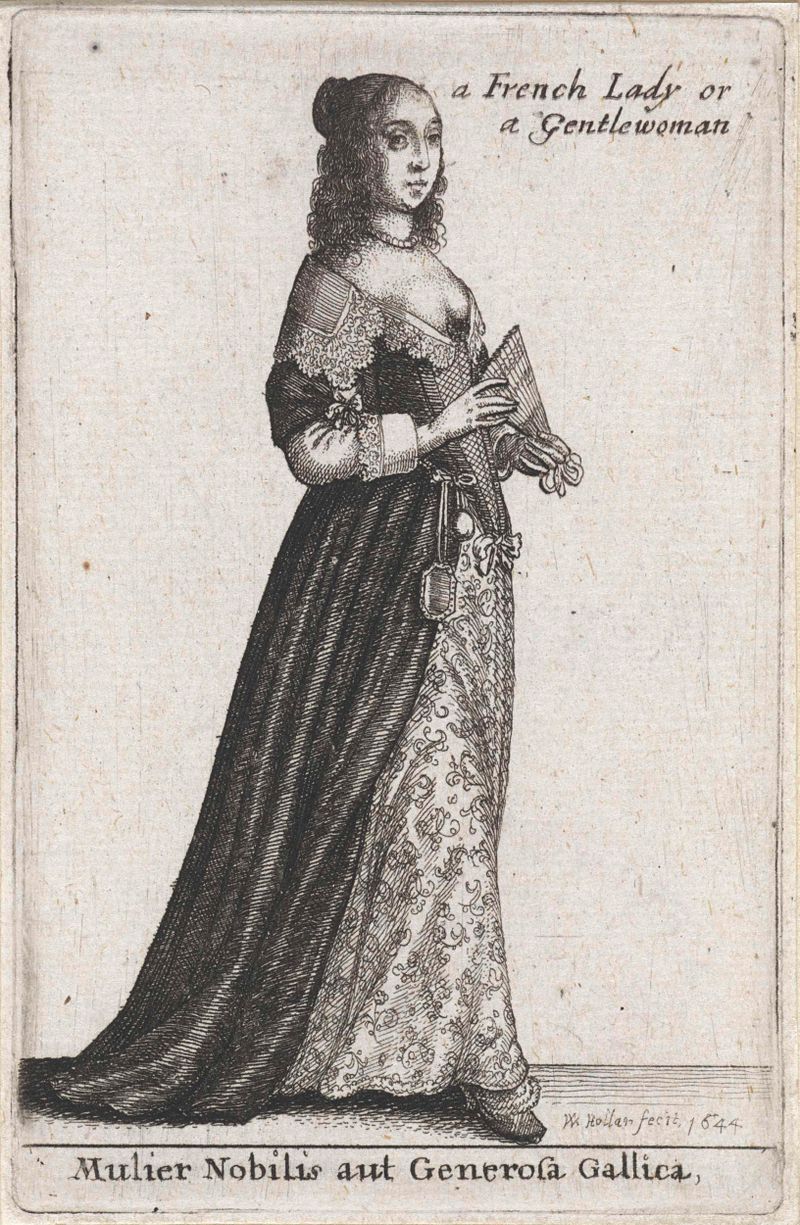
Mulier Nobilis aut Generosa Gallica / a French Lady or Gentlewoman
Wenceslaus Hollar
Titelprent voor: Ornatus Muliebris Anglicanus
Wenceslaus Hollar
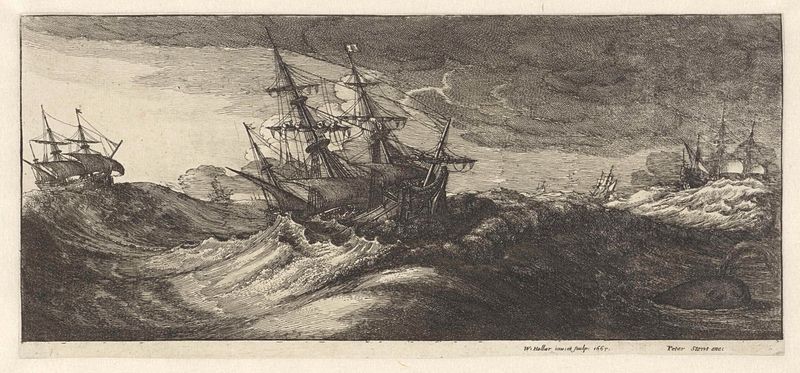
Oorlogsschepen en een walvis in een zeestorm
Wenceslaus Hollar
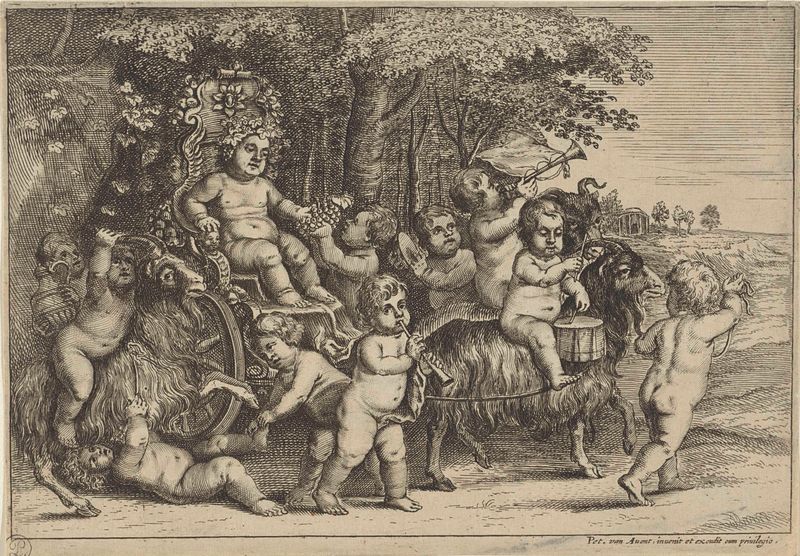
Optocht van bacchant en jongetjes op geiten
Wenceslaus Hollar
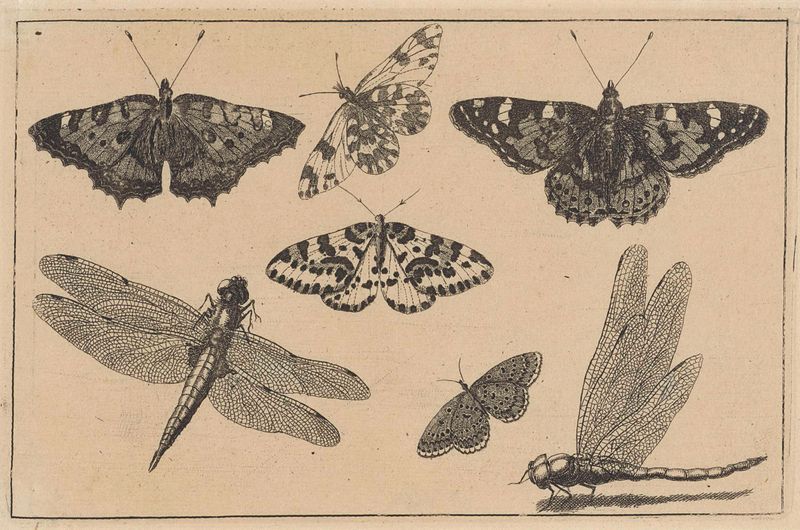
Twee libellen en vijf vlinders
Wenceslaus Hollar
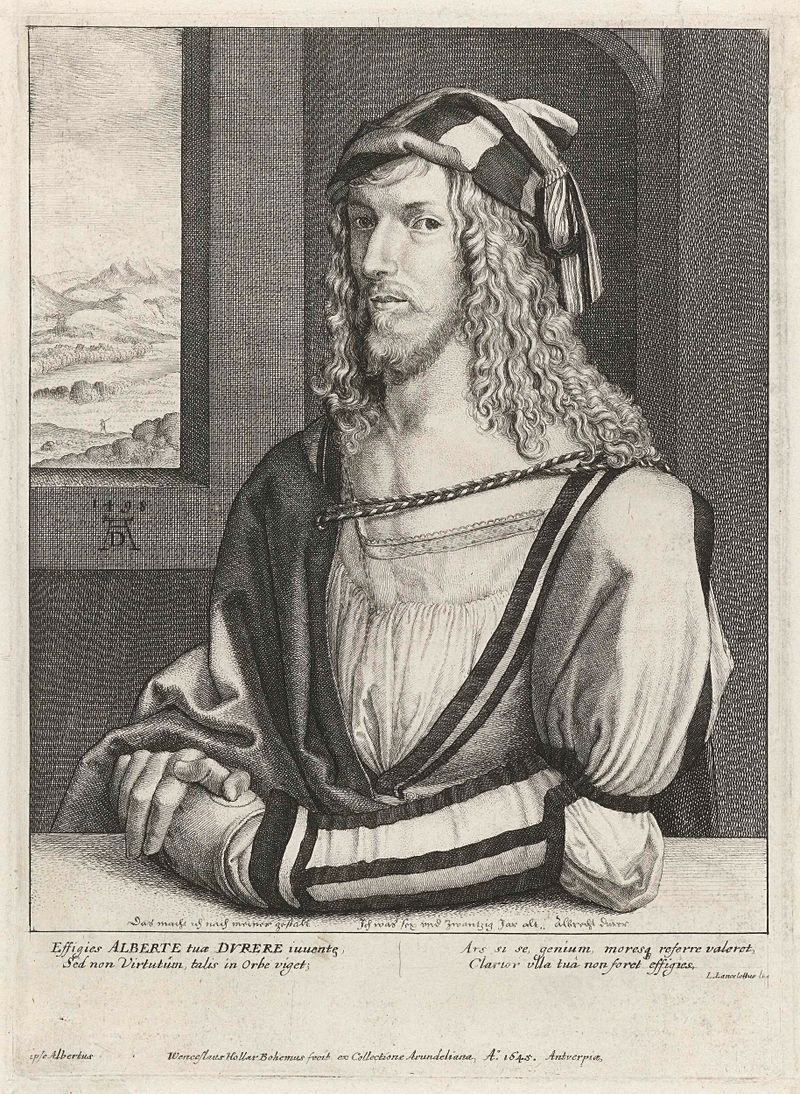
Portret van Albrecht Dürer
Wenceslaus Hollar
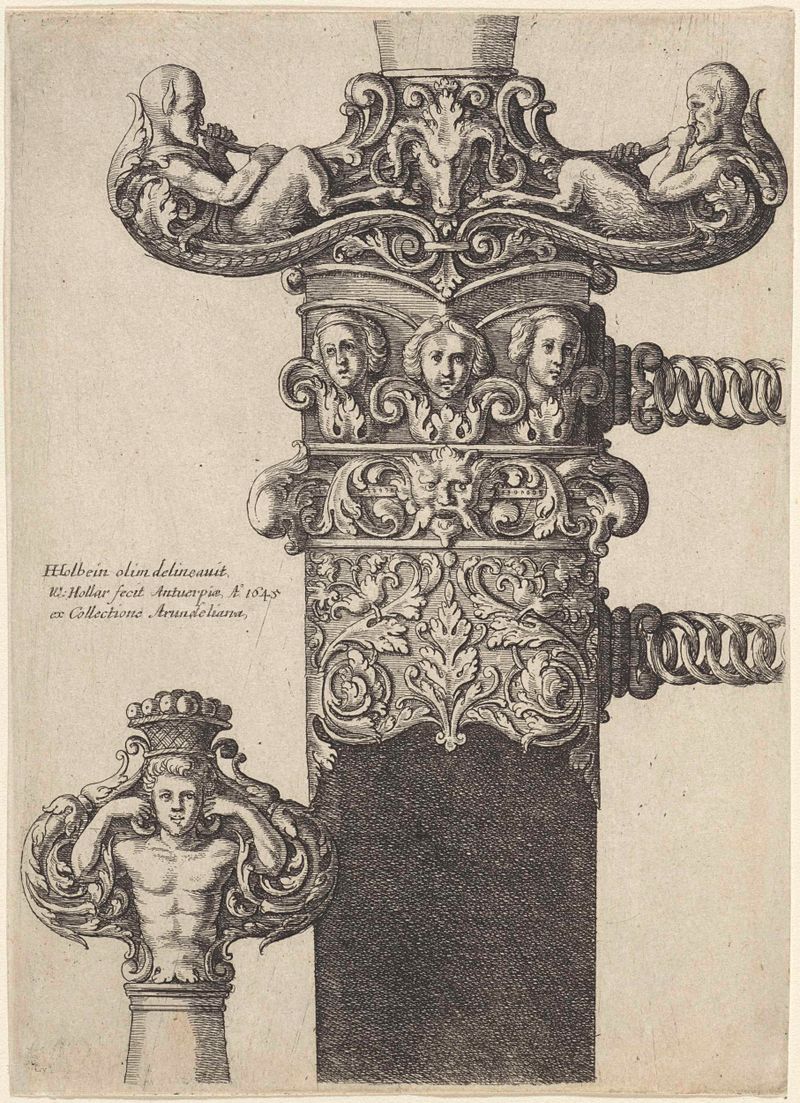
Ornamenteel ontwerp voor een dolk
Wenceslaus Hollar
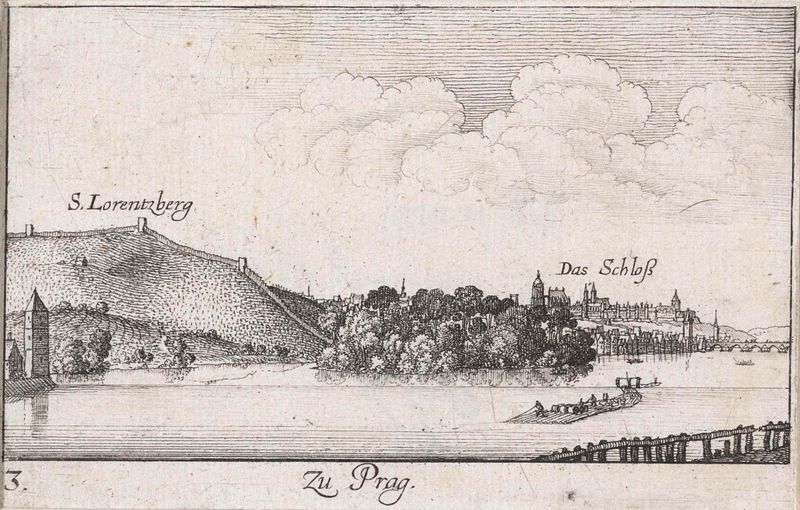
Gezicht op Praag vanaf de Moldau
Wenceslaus Hollar
More Architecture Art
Browse all →
The statue of Liberty
Frédéric Auguste Bartholdi

View of Houses in Delft, Known as ‘The Little Street’
Johannes Vermeer

View of Houses in Delft, Known as ‘The Little Street’
Johannes Vermeer

The Cathedral in Rouen. The portal, Grey Weather
Claude Monet

The yellow house
Vincent van Gogh

The Church in Auvers-sur-Oise, View from the Chevet
Vincent van Gogh