
Pond — History & Facts
Who listens when art speaks of silence? In Pond, the stillness invites viewers into a contemplation of movement, where the essence of life sways just beneath the surface. Look to the center of the canvas, where gentle ripples disturb the reflective water. The palette is a soothing blend of greens and blues, evoking tranquility while hinting at the unseen currents below. Notice how the brushstrokes vary — some are soft and fluid, while others are deliberate and sharp.
This contrast creates a sense of dynamic energy that vibrates quietly within the tranquil scene, urging the observer to linger and explore. Delve deeper into the composition, and you’ll uncover layers of meaning intertwined within. The surrounding trees, their limbs partially obscured by mist, symbolize the barriers that separate us from understanding the depths of our emotions. The pond, serene yet vibrant, serves as a mirror, reflecting not just the world above but also the hidden complexities of existence.
Here, silence holds a profound presence, whispering secrets of movement that are both rhythmic and fleeting. Jan Stanisławski painted Pond in 1903 while living in Poland, amidst a period of evolving artistic expression. Influenced by the Impressionist movement, he sought to capture the ephemeral quality of nature. During this time, he was exploring the interplay of light and color, aiming to convey the essence of his surroundings with a profound emotional sensitivity, a hallmark of his distinctive style.
More Artworks by Jan Stanisławski
Browse all →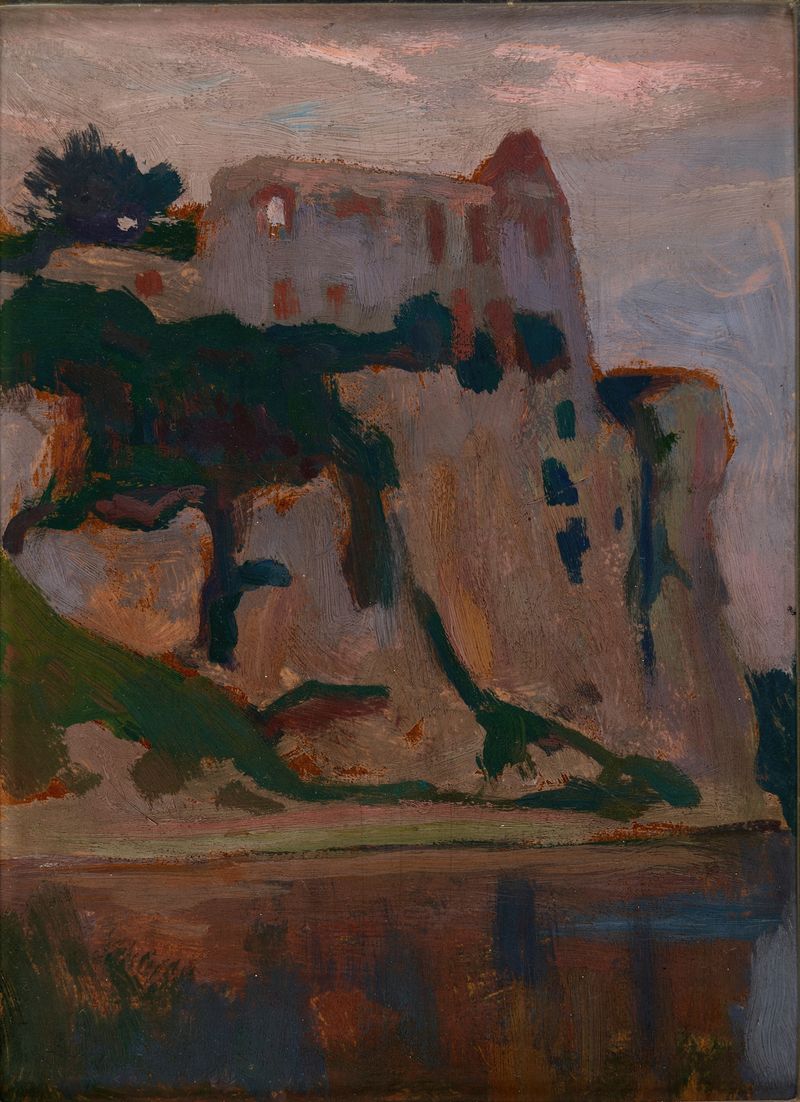
Tyniec at Dawn
Jan Stanisławski
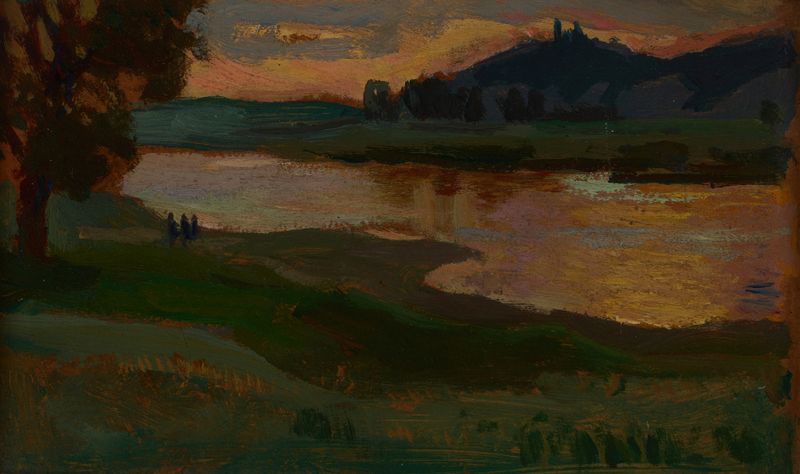
Bielany at Dusk
Jan Stanisławski
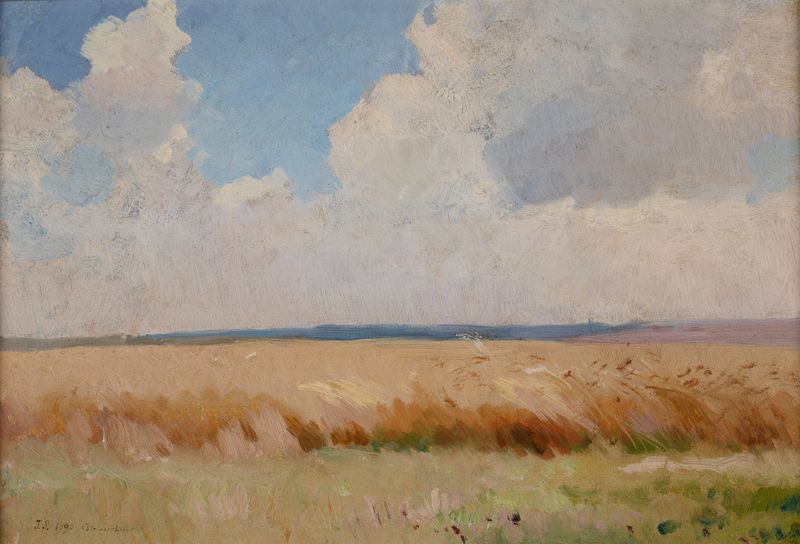
Field at Białocerkiew (Bila Tserkva)
Jan Stanisławski
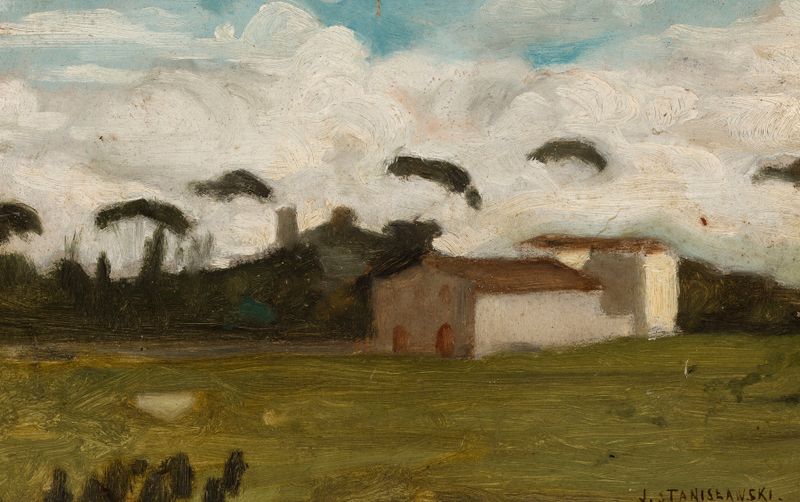
Landscape
Jan Stanisławski
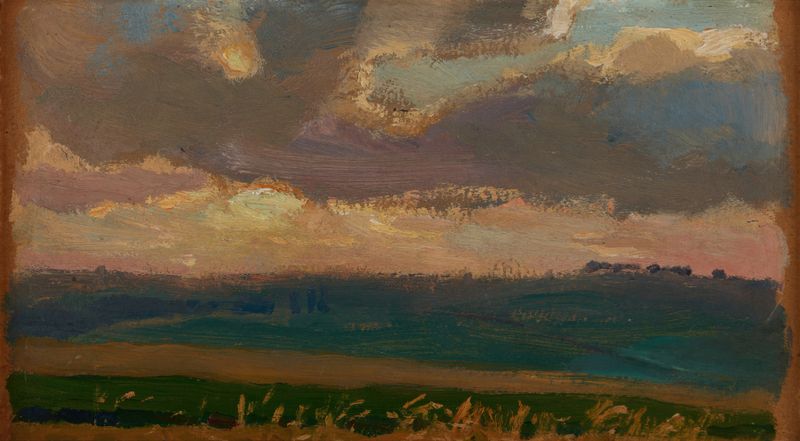
Fields at Proszowice
Jan Stanisławski
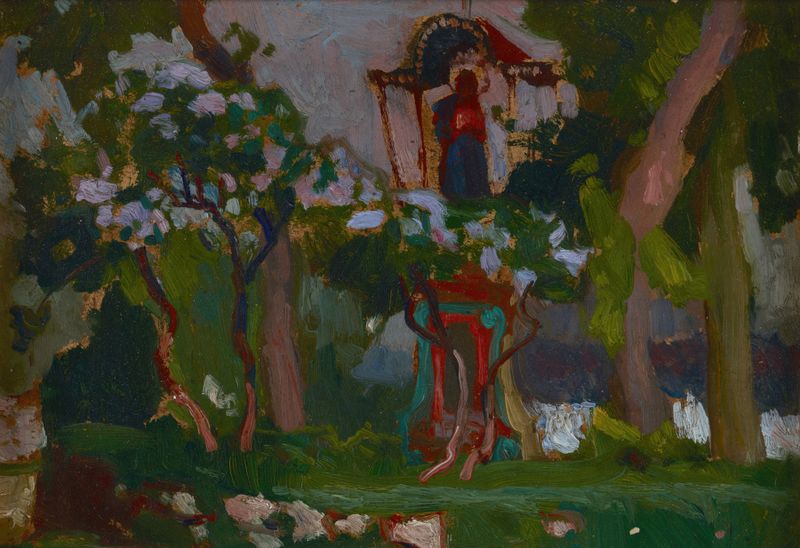
May
Jan Stanisławski
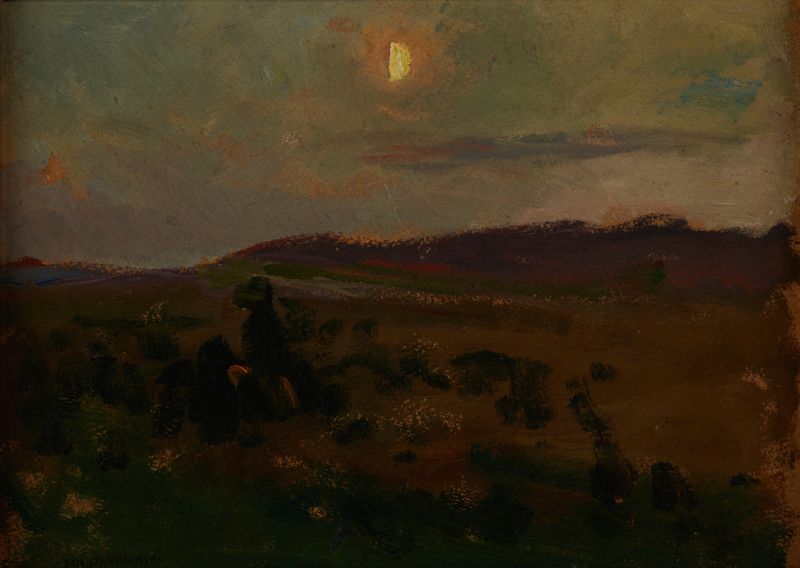
Moonrise
Jan Stanisławski
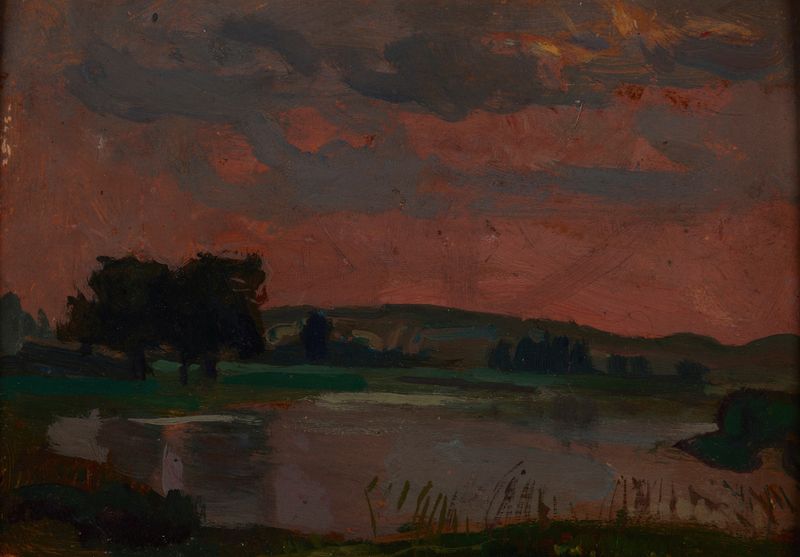
The Vistula in the Twilight
Jan Stanisławski
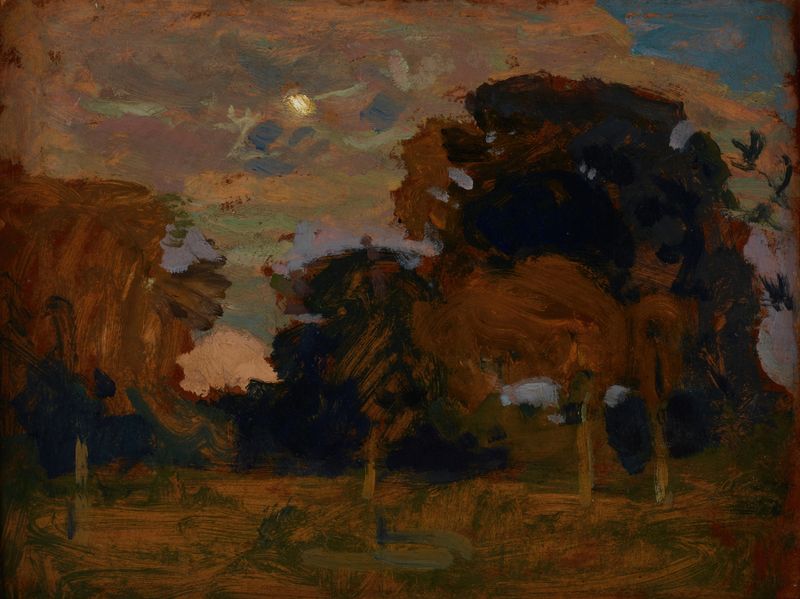
Moon in the Clouds
Jan Stanisławski
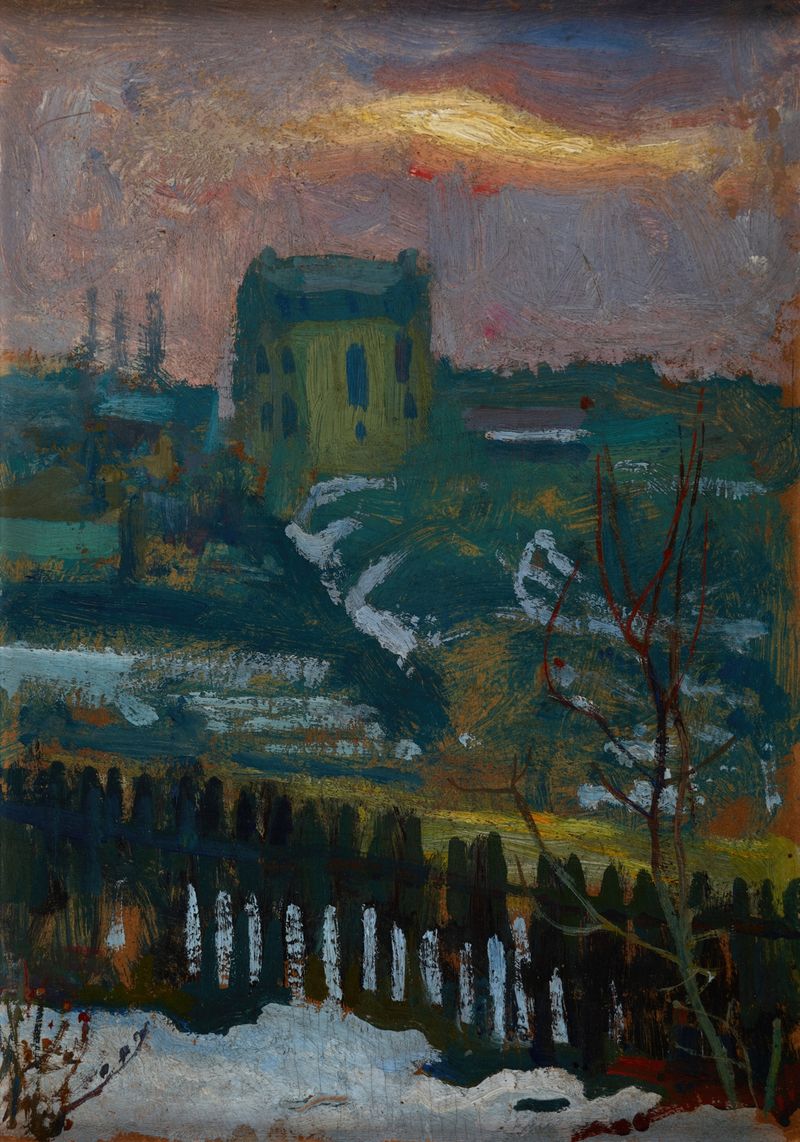
House in Winter
Jan Stanisławski





