
Billingsgate — History & Facts
Is this a mirror — or a memory? The delicate interplay between reality and recollection unfolds in a scene that invites reflection, urging us to ponder what lies beneath the surface. Look closely at the shimmering waters in the foreground, where soft blues and muted grays blend seamlessly, creating an evocative atmosphere that transports the viewer. Notice how the light dances across the rippling surface, reflecting the boats and softly illuminating the figures engaged in their daily toil. The composition is masterful; the placement of the dock and boats leads the eye into the heart of the scene, anchoring it in both time and place. Delve deeper, and you’ll find a hidden tension between the bustling activity of the market and the serene beauty of the river.
The figures, seemingly engaged, also embody a sense of detachment, almost ghostly in their presence, suggesting the transient nature of human endeavor. The juxtaposition of the vibrant colors against muted tones hints at a deeper revelation — life’s ephemeral qualities captured in a moment that feels both alive and hauntingly still. In 1859, the artist found himself deeply immersed in the creative and cultural currents of London, a city alive with industrial change. Billingsgate emerged during a period when Whistler was establishing his reputation, grappling with the demands of both personal expression and the expectations of the art community.
The painting reflects his evolving style, blending impressionistic influences with a keen eye for the modern world, embodying his desire to convey beauty amidst the chaos of everyday life.
More Artworks by James Abbott McNeill Whistler
Browse all →
Nocturne in Blue and Silver
James Abbott McNeill Whistler
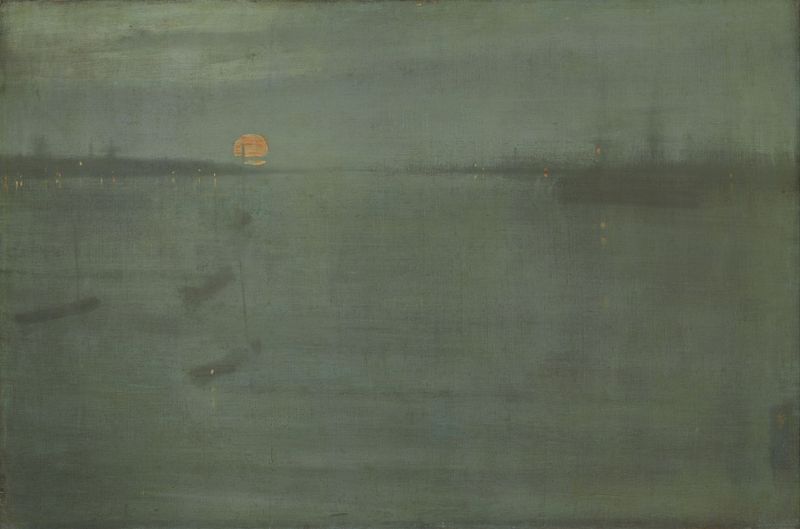
Nocturne: Blue and Gold–Southampton Water
James Abbott McNeill Whistler
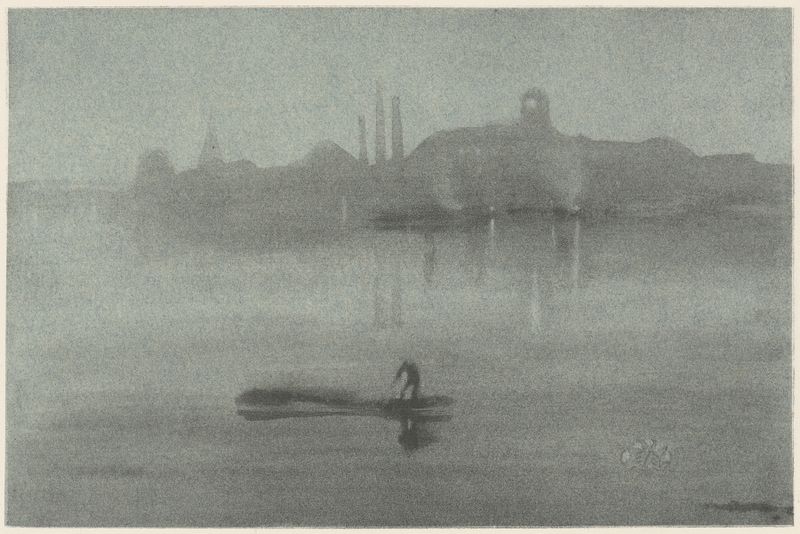
Nocturne
James Abbott McNeill Whistler
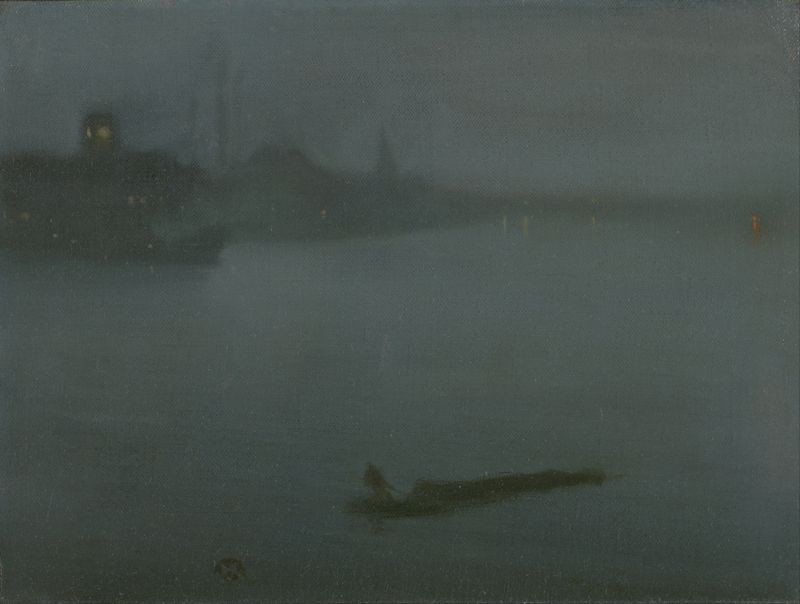
Nocturne in Blue and Silver
James Abbott McNeill Whistler
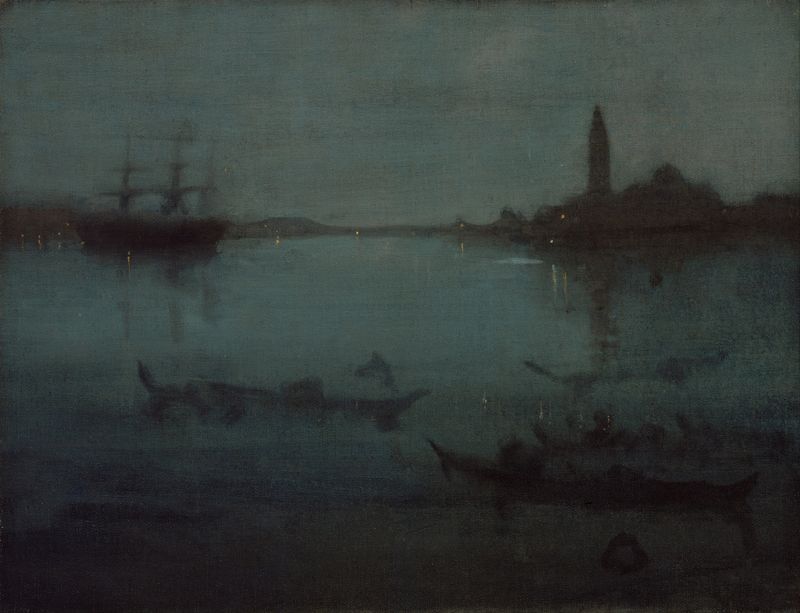
Nocturne in Blue and Silver- The Lagoon, Venice
James Abbott McNeill Whistler
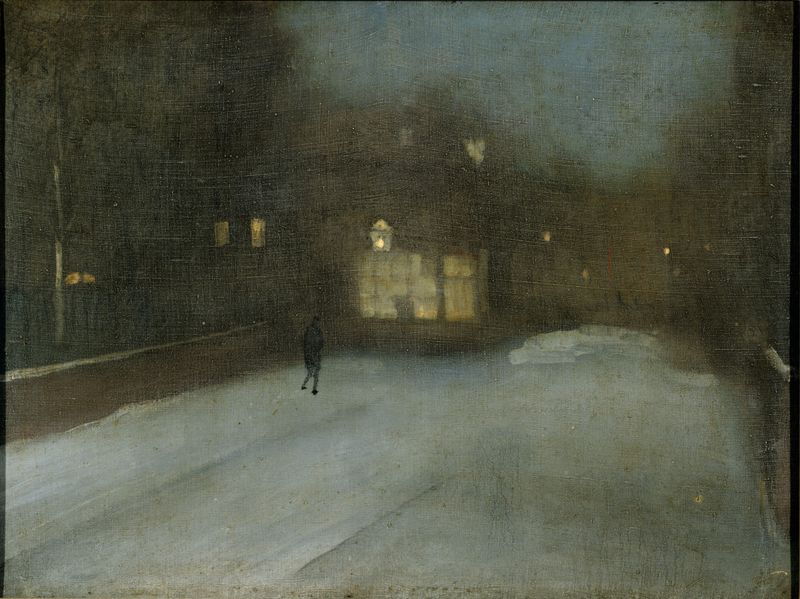
Nocturne in Grey and Gold: Chelsea Snow
James Abbott McNeill Whistler
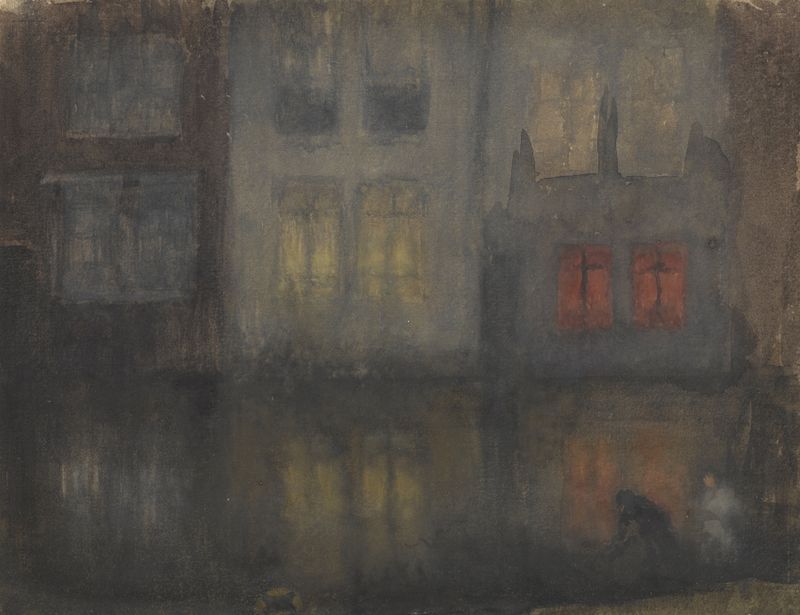
Nocturne: Black and Red—Back Canal, Holland
James Abbott McNeill Whistler
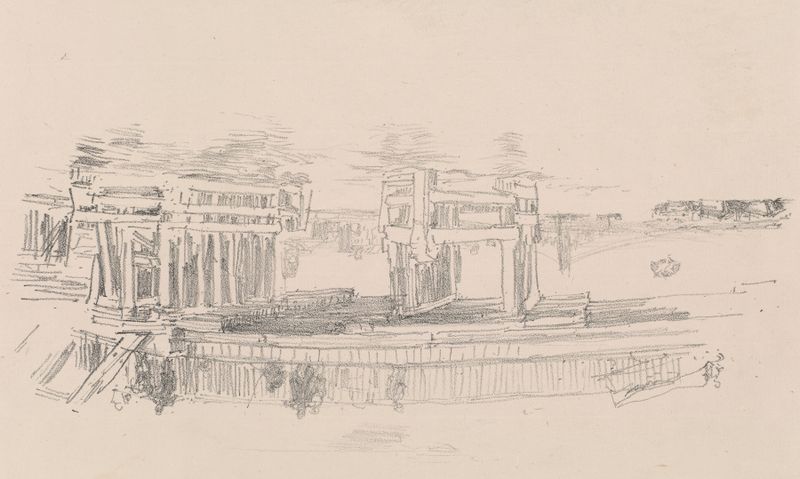
Old Battersea Bridge
James Abbott McNeill Whistler

Nocturne: Blue and Silver–Battersea Reach
James Abbott McNeill Whistler
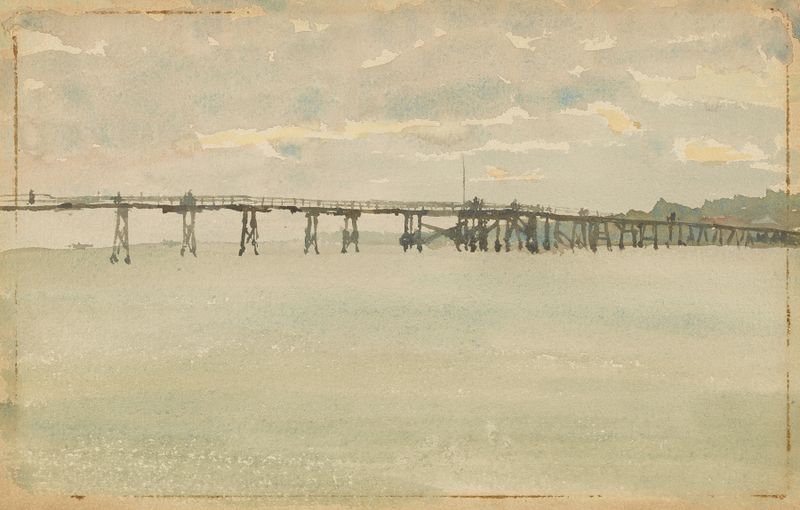
Grey and Silver–Pier, Southend
James Abbott McNeill Whistler




