
Birch-Grove — History & Facts
What secret hides in the quiet of the canvas? In Jan Stanisławski’s Birch-Grove, a serene stillness envelops the viewer, inviting contemplation and reflection on nature's transcendent beauty. Focus first on the delicate interplay of light filtering through the slender trunks of birch trees, their stark white bark contrasting with the lush greens of the foliage. Notice how the dappled sunlight dances upon the ground, creating a mosaic of shadows that adds texture to the soft earthy tones below. The artist masterfully uses a palette of soothing greens and soft whites to evoke a sense of calm, each brushstroke carefully placed to enhance the overall harmony of the scene. Beneath its tranquil surface, the work reveals emotional tensions between solitude and connection, nature and humanity.
The gentle sway of the trees suggests an unseen breeze, prompting thoughts of movement and change, while the forest’s quietude beckons the viewer into a moment of introspection. This juxtaposition of stillness and subtle dynamism reflects a deeper longing for harmony with the natural world, capturing the essence of the fleeting moments we often overlook. In 1904, Stanisławski created Birch-Grove in Poland, during a time when the country was grappling with national identity and cultural rebirth. The artist was part of a movement that sought to express the beauty of the Polish landscape amidst political turmoil.
This work stands as a testament to his belief in the transformative power of nature, revealing the profound connection between the environment and the human spirit.
More Artworks by Jan Stanisławski
Browse all →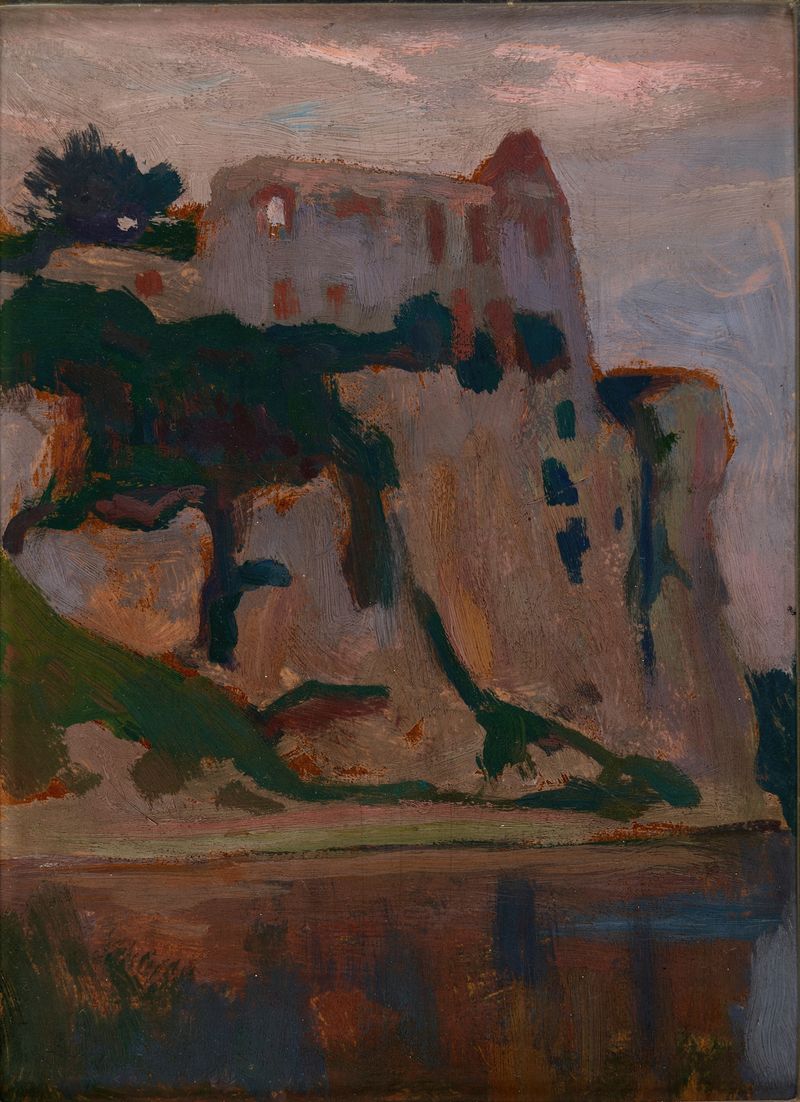
Tyniec at Dawn
Jan Stanisławski
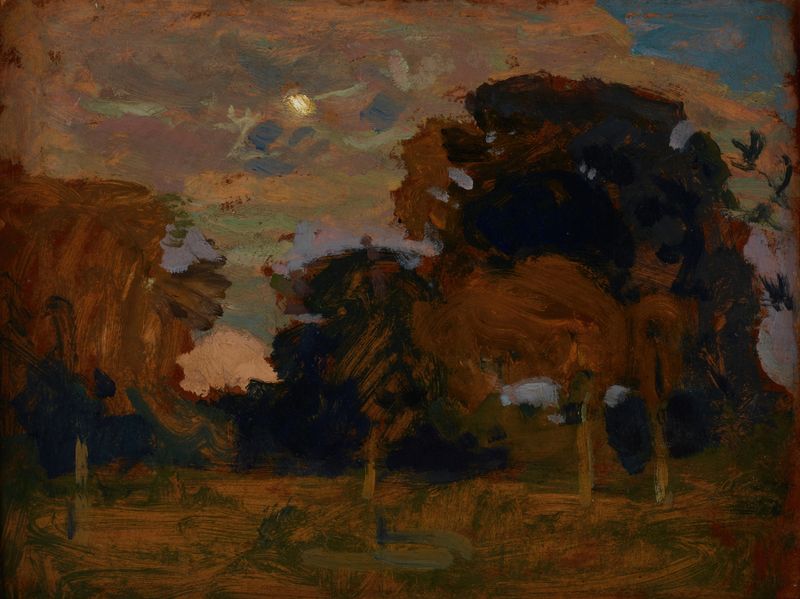
Moon in the Clouds
Jan Stanisławski
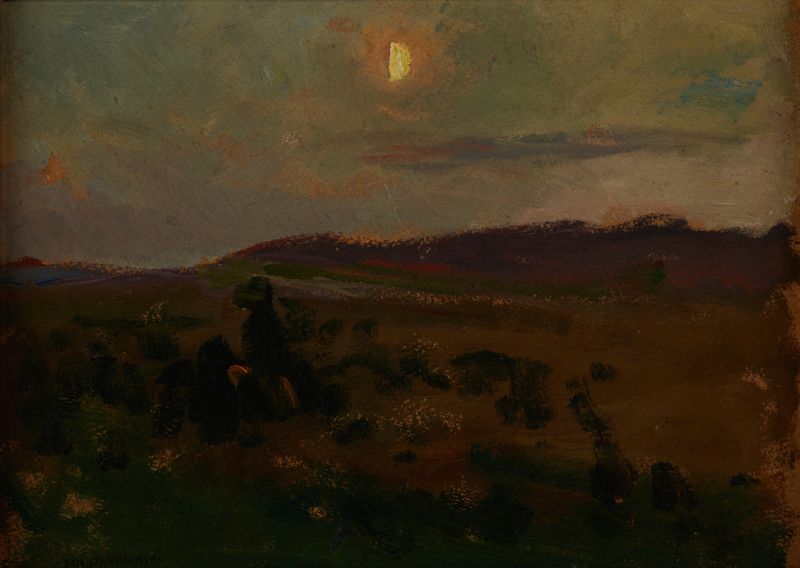
Moonrise
Jan Stanisławski
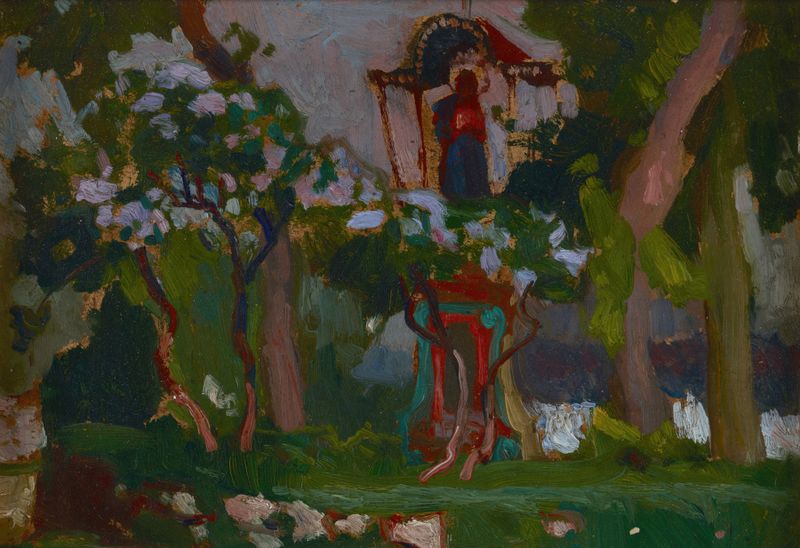
May
Jan Stanisławski
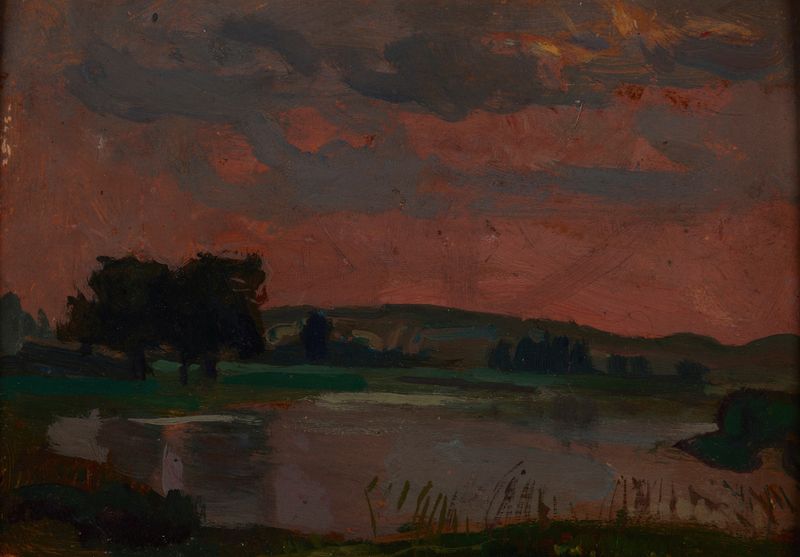
The Vistula in the Twilight
Jan Stanisławski
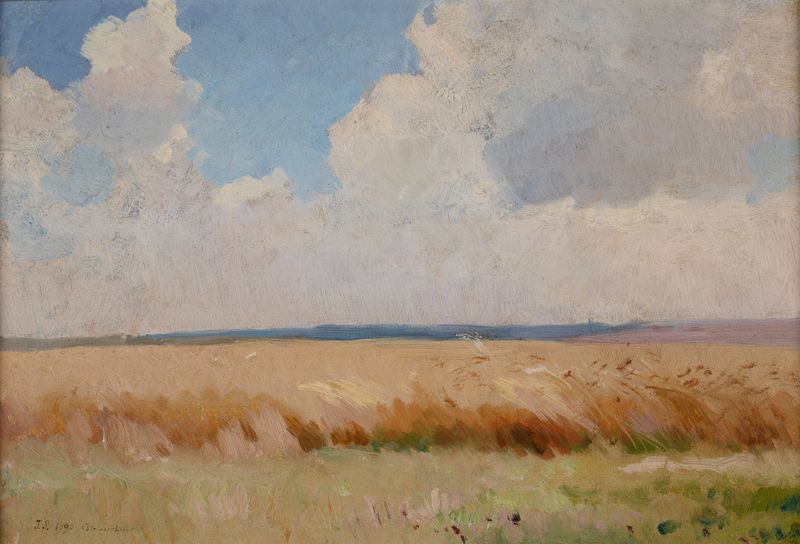
Field at Białocerkiew (Bila Tserkva)
Jan Stanisławski
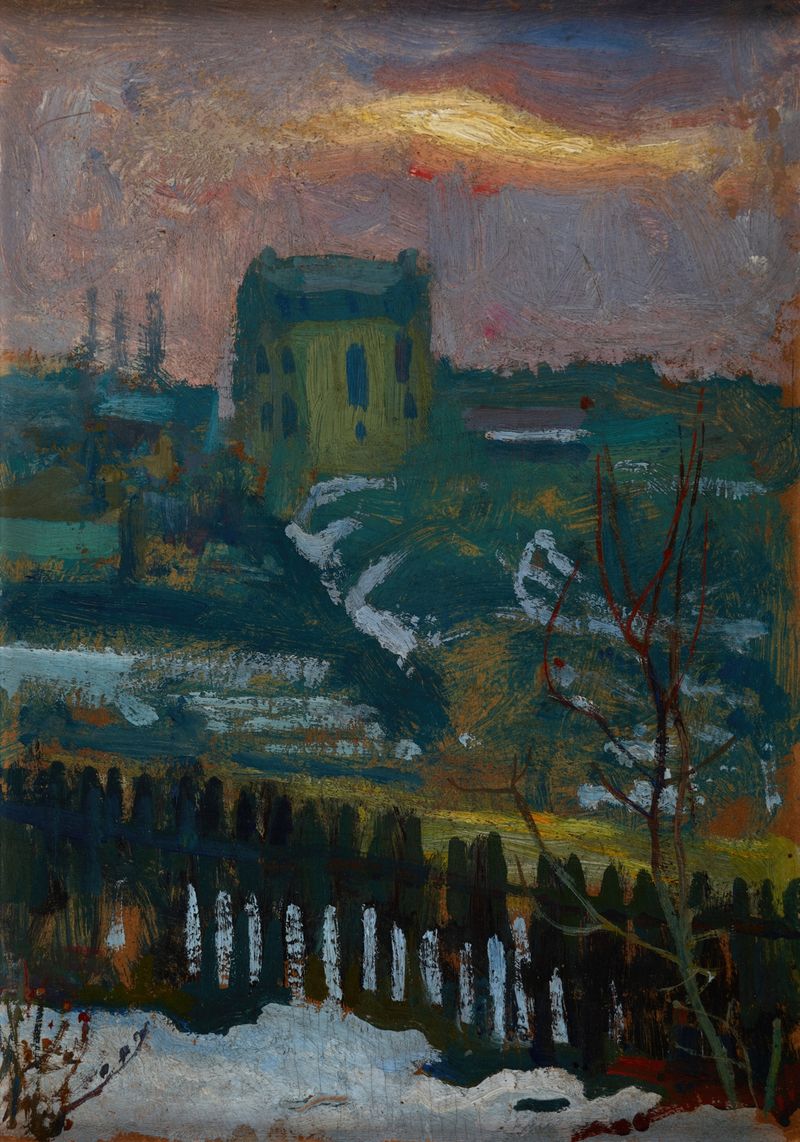
House in Winter
Jan Stanisławski
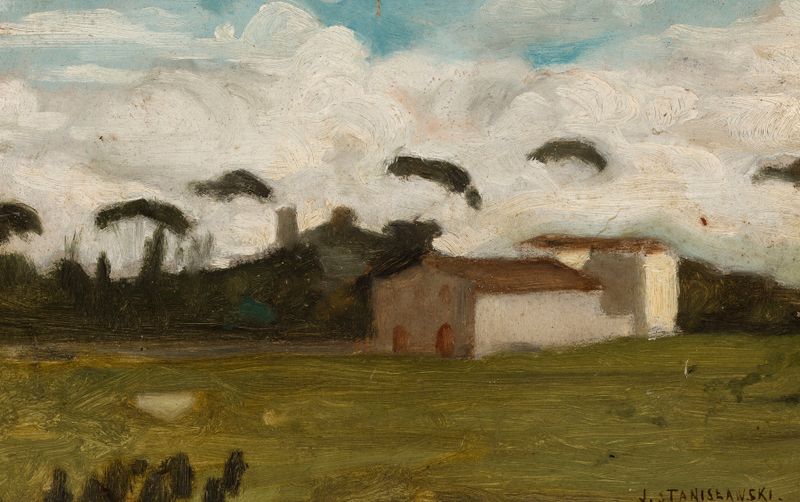
Landscape
Jan Stanisławski
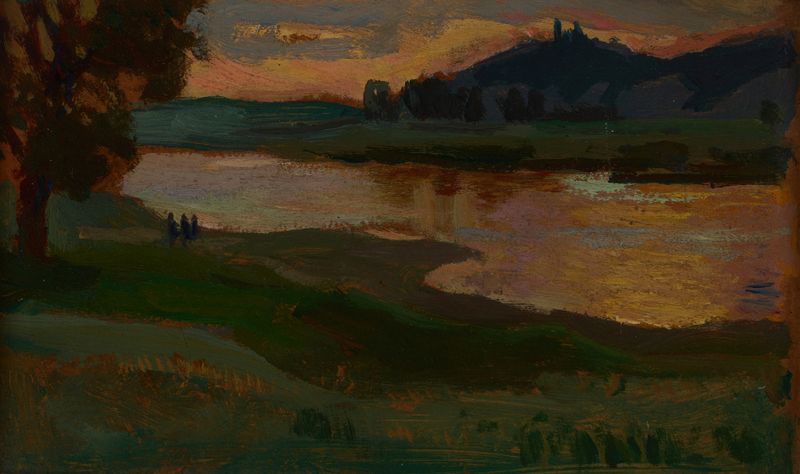
Bielany at Dusk
Jan Stanisławski
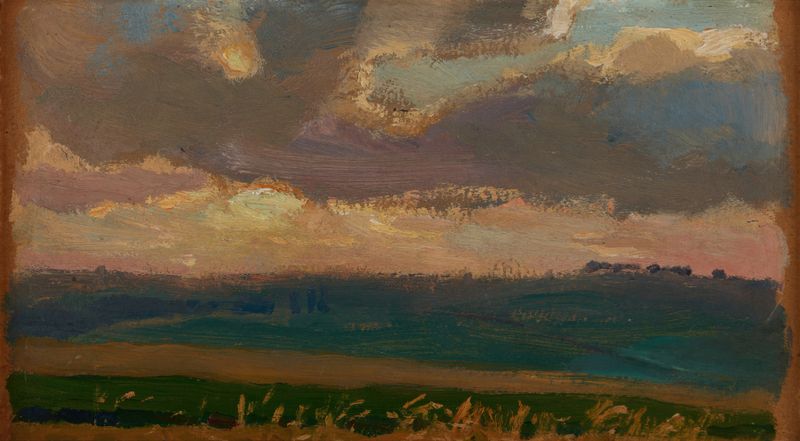
Fields at Proszowice
Jan Stanisławski





