
Birken — History & Facts
In the depths of creative madness lies urgency, an aching need to capture the fleeting essence of existence. How does one navigate the tumultuous emotions that brush against our souls? Look closely at the swirling colors that intertwine in the foreground, where vivid greens and deep blues collide in a chaotic dance. Notice how the textured strokes create a sense of movement, almost as if the landscape itself is breathing.
The blurred edges of the trees reveal a dream-like quality, drawing you into a vivid memory. The light filters through the foliage, casting playful shadows that hint at both beauty and despair. This painting encapsulates the duality of madness — the vibrant chaos clashing with moments of serene beauty. The trees, rooted yet restless, symbolize the struggle between grounding oneself and succumbing to the wildness of thought.
Hidden within the colors are layers of emotion: a celebration of life’s vibrancy next to the looming presence of chaos that threatens to overwhelm. The interplay between light and shadow evokes a feeling of longing, as if the viewer is peering into a fractured consciousness. Ferdinand Engelmüller created Birken in 1907, a period marked by his exploration of Expressionism while living in Germany. During this time, the art world was experiencing a radical shift, embracing new forms of emotional expression and breaking free from traditional constraints.
Engelmüller’s work resonates with the turbulence of this era, reflecting both personal struggles and the broader cultural upheaval, ultimately weaving madness into the very fabric of his art.
More Artworks by Ferdinand Engelmüller
Browse all →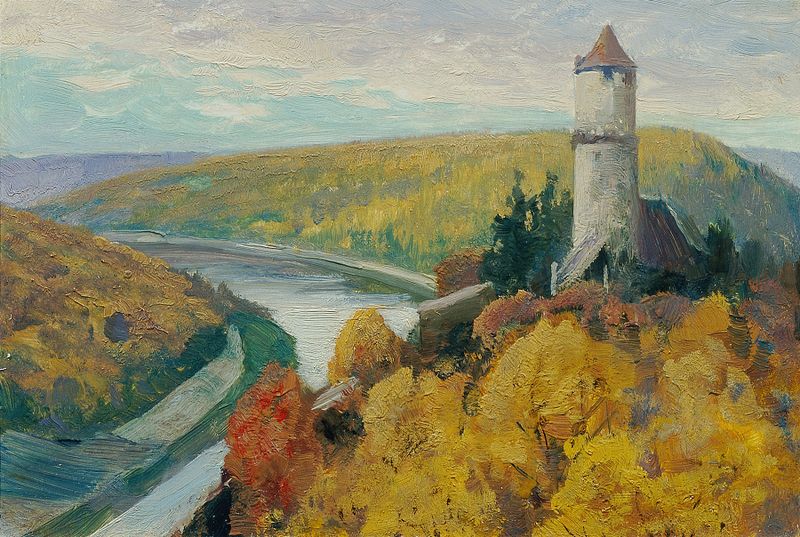
Moldau
Ferdinand Engelmüller
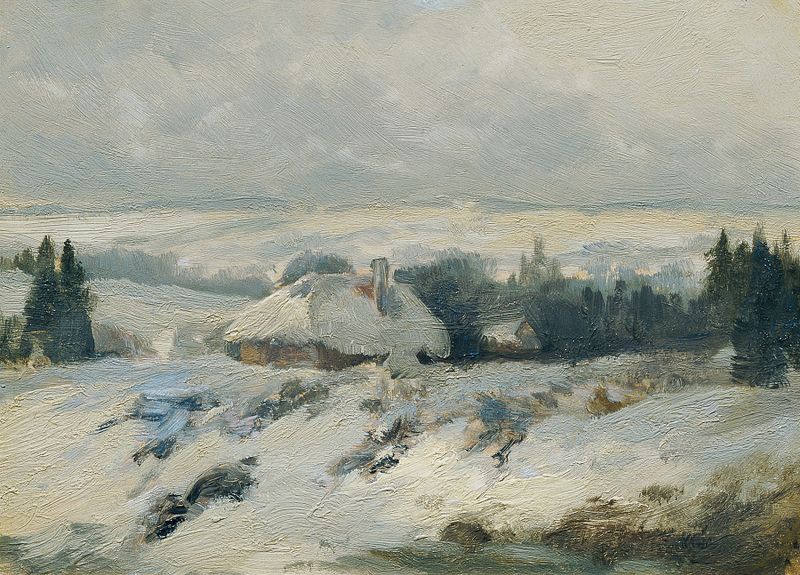
Böhmisch-Mährische Höhe
Ferdinand Engelmüller
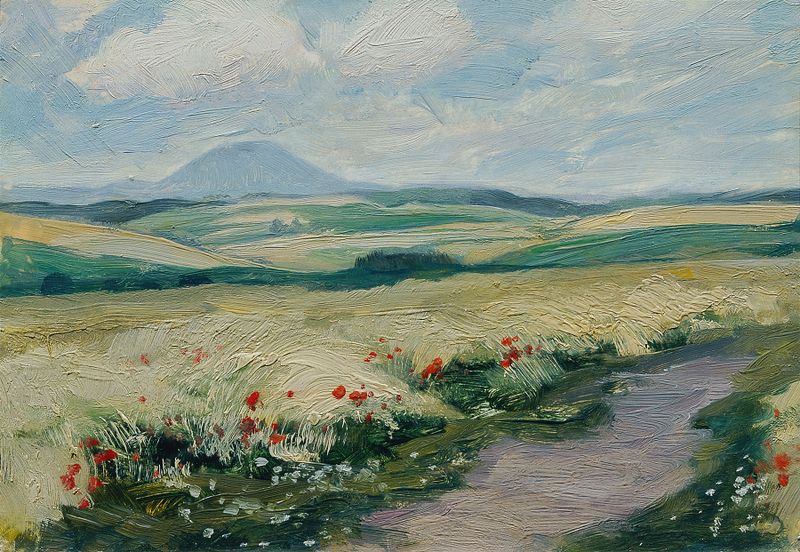
Podřipsko
Ferdinand Engelmüller

Riesengebirge
Ferdinand Engelmüller

Prachauer Felsen
Ferdinand Engelmüller

Böhmerwald
Ferdinand Engelmüller
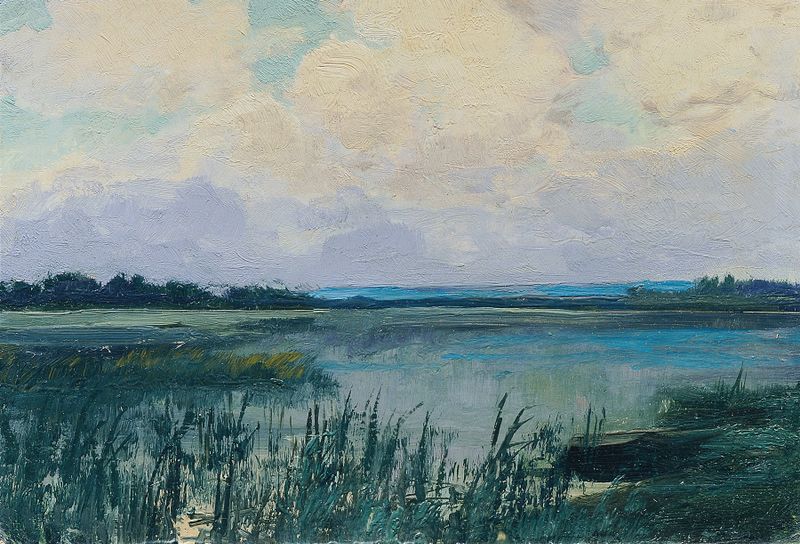
Wittingau
Ferdinand Engelmüller

Táborsko
Ferdinand Engelmüller
Böhmerwald
Ferdinand Engelmüller
Wittingau
Ferdinand Engelmüller





