
Birth of the Virgin — History & Facts
Can paint confess what words never could? This question lingers in the air as one gazes upon the intricate layers of Birth of the Virgin. Here, the hush of an intimate moment unfolds with a palpable longing, inviting the viewer to explore the depths of emotion woven into every brushstroke. Look to the center, where the newborn Mary lies cradled in her mother's arms. The gentle light bathes her in a soft, ethereal glow, contrasting starkly with the darker tones surrounding her.
Notice how the delicate drapery, rich with texture, frames the scene, guiding your eye toward the figures that envelop her in a protective embrace. The composition expertly balances the celestial and the earthly, with each figure's gesture revealing a connection filled with reverence and hope. Hidden within the folds of fabric and the expressions of the attendants lie the tensions of motherhood and divinity. The serene countenance of Anne, Mary's mother, contrasts with the fervent intentions of those around her, who embody a spectrum of awe and devotion.
Each facial expression carries a story of longing, dreams yet to be fulfilled, and the weight of destiny, while the serene background suggests a world beyond this intimate moment, hinting at the larger narrative of faith and prophecy. During the years 1633 to 1634, Jacques Callot resided in Nancy, France, capturing moments imbued with emotional resonance. The Baroque period flourished around him, characterized by dramatic intensity and richness in detail. In this context, Callot's work reflects not only personal artistry but also a broader cultural dialogue about spirituality and the human experience, marking a significant chapter in the evolution of religious art.
More Artworks by Jacques Callot
Browse all →
Titelprent voor de prentreeks 'De kleine apostelen' (Het martelaarschap van de apostelen)
Jacques Callot
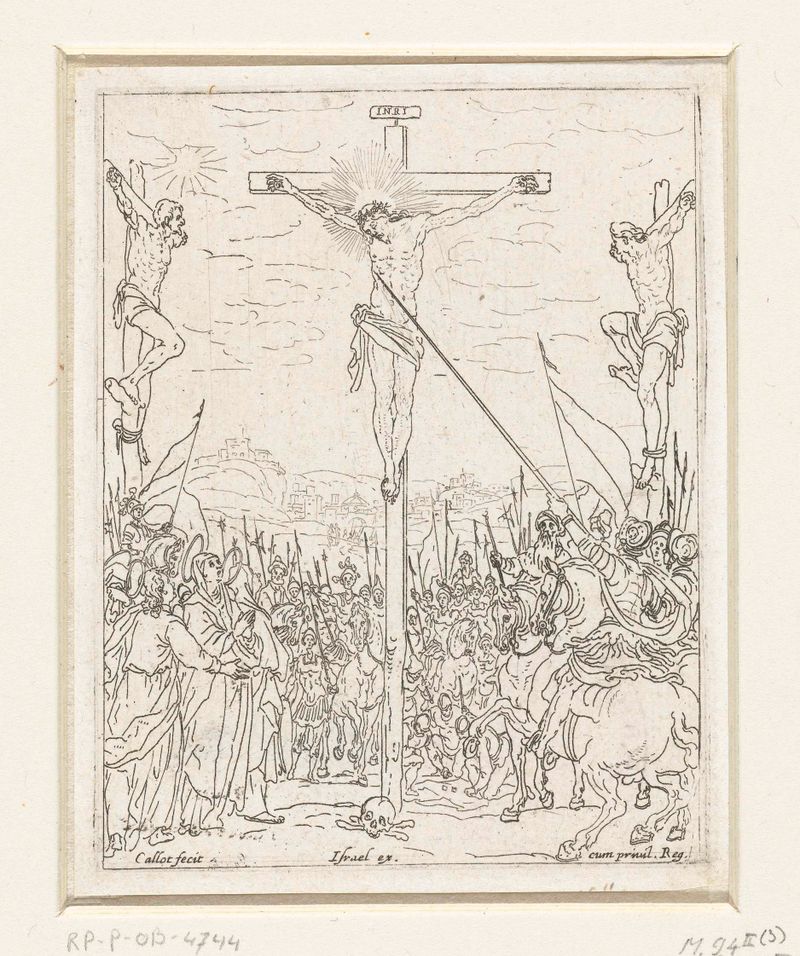
Kruisiging
Jacques Callot

De doortocht door de Rode Zee
Jacques Callot

De verloren zoon als zwijnenhoeder
Jacques Callot

Annunciatie
Jacques Callot
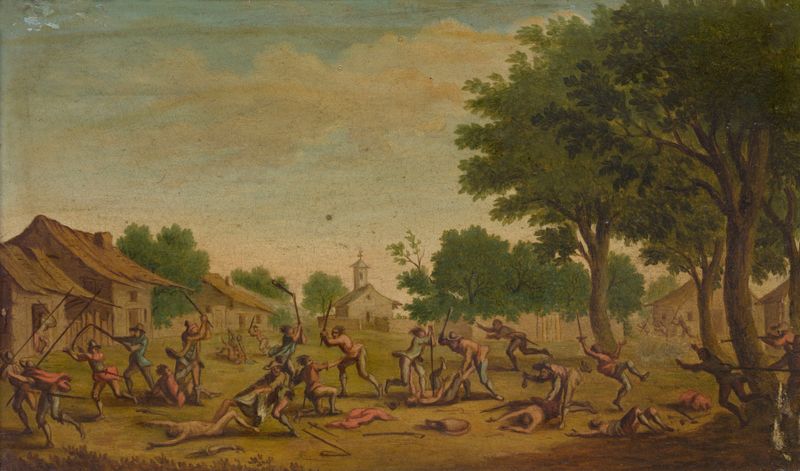
Village Fight
Jacques Callot

Titelprent voor prentreeks 'Het leven van Maria'
Jacques Callot
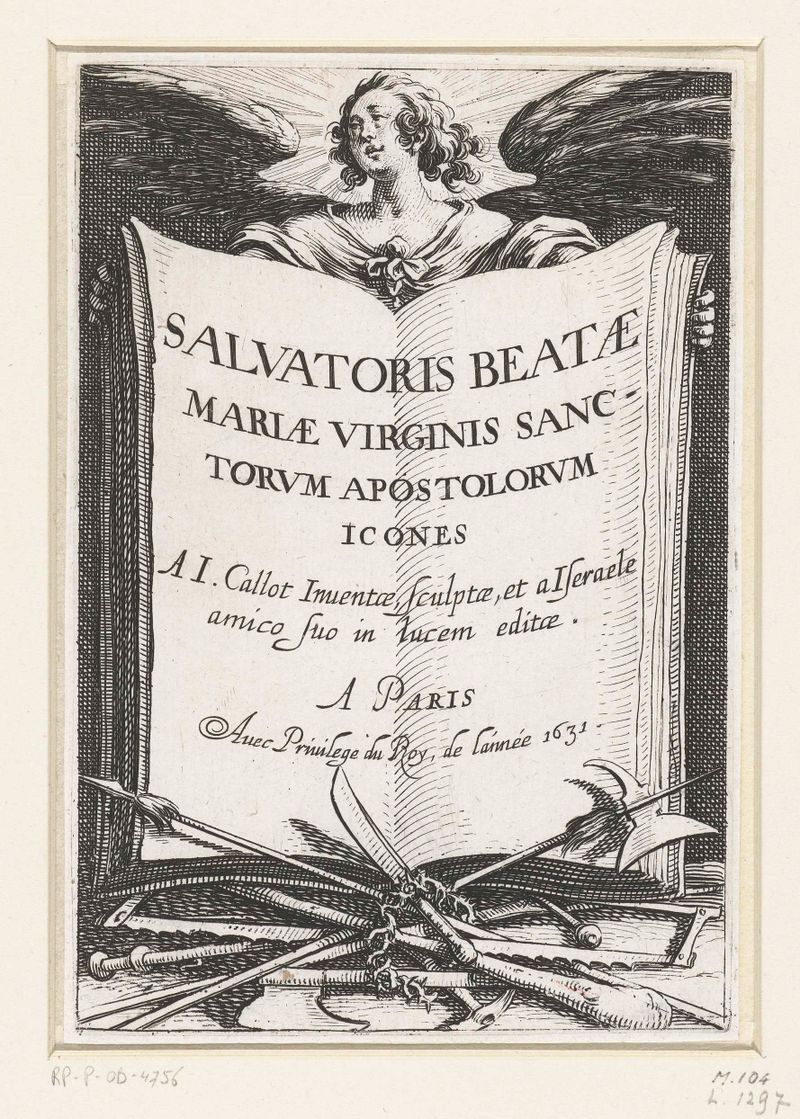
Titelprent voor de prentreeks 'De grote apostelen' (Christus, Maria en de apostelen)
Jacques Callot

Christus aan het volk getoond (Ecce homo)
Jacques Callot
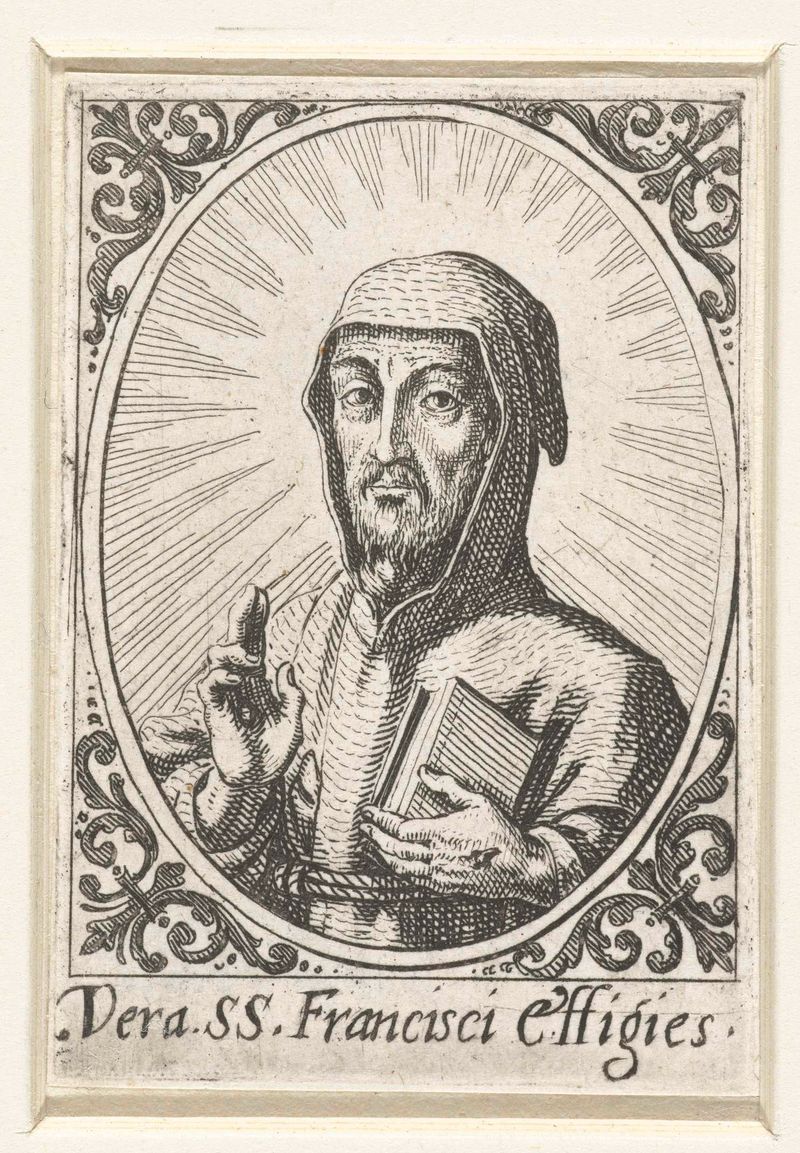
Portret van de Heilige Franciscus
Jacques Callot
More Religious Art
Browse all →
The Return of the Prodigal Son
Rembrandt van Rijn

The Garden of Earthly Delights
El Bosco

Count Orgaz’ funeral
El Greco

The Hundred Guilder Print: the central piece with Christ preaching, the plate arched
Rembrandt van Rijn

The Descent from the Cross
Rogier van der Weyden

The return of the prodigal son
Rembrandt van Rijn