
Blasted Tree — History & Facts
Could a single brushstroke hold eternity? In Blasted Tree, the weight of legacy hangs heavily, a testament to nature's resilience and fragility intertwined. Look to the left at the gnarled trunk, stark against the backdrop of an expansive sky. The tree, stripped of its foliage, stands as a solitary figure in the vastness, its bark textured with layers of earth-toned hues. Focus on the interplay of light and shadow; a soft glow bathes the upper branches, while darker tones envelop the base, evoking a haunting contrast that draws the eye inward.
The horizon's distant mountains rise majestically, their ethereal presence mirroring the tree's silent testimony to time's passage. Deeper insights emerge in the juxtaposition of life and decay encased within this canvas. The tree symbolizes endurance amid destruction, hinting at the unyielding spirit of nature despite human encroachment. Meanwhile, the luminous sky above invites reflection, suggesting hope or rebirth, as if whispering that within every ending lies the possibility of renewal.
These layers of meaning echo the broader themes of human existence and the impact of time on the world around us. In 1850, during a period of artistic exploration in America, Cropsey painted this work while establishing himself within the Hudson River School movement. As he observed the changing landscapes of his country, he sought to capture nature's beauty and the sublime. His focus on the interplay of light and color was a response to Romantic ideals, reflecting both the beauty and harsh realities of the natural world, as well as the legacy he wished to impart through his art.
More Artworks by Jasper Francis Cropsey
Browse all →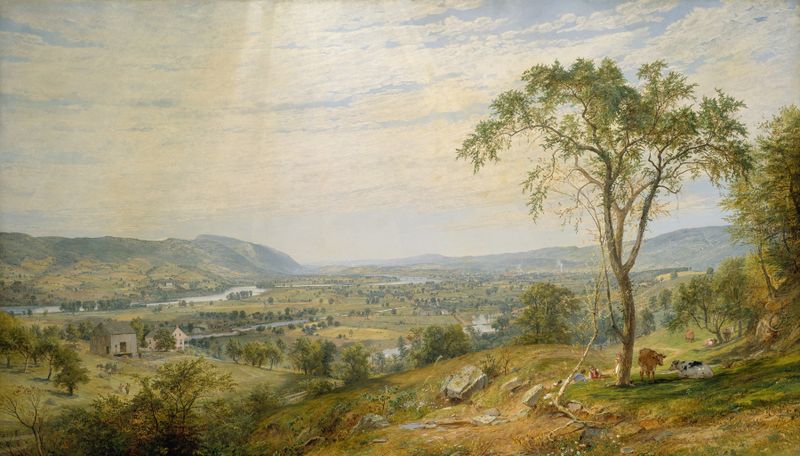
The Valley of Wyoming
Jasper Francis Cropsey
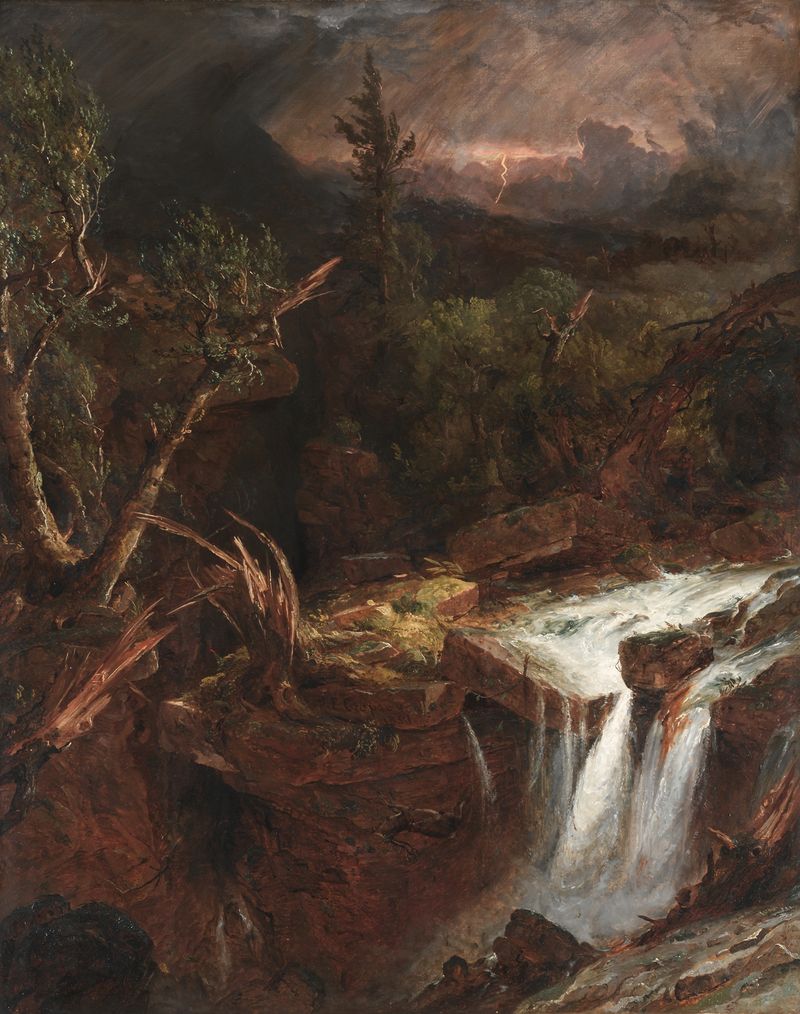
The Clove – A Storm Scene in the Catskill Mountains
Jasper Francis Cropsey
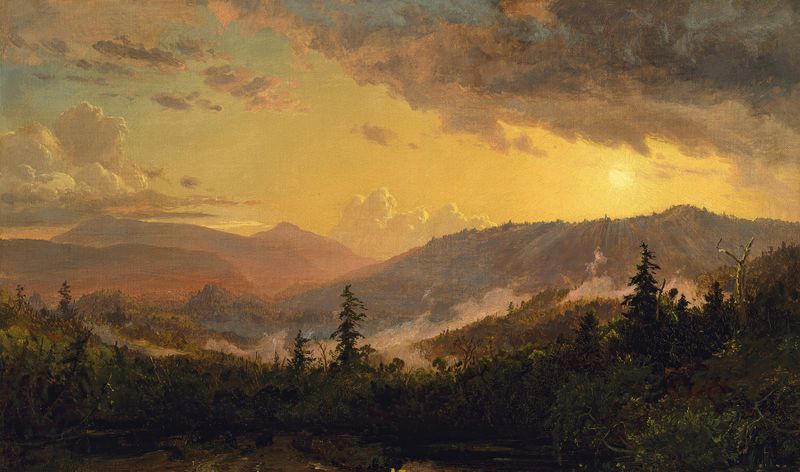
Sunset after a Storm in the Catskill Mountains
Jasper Francis Cropsey
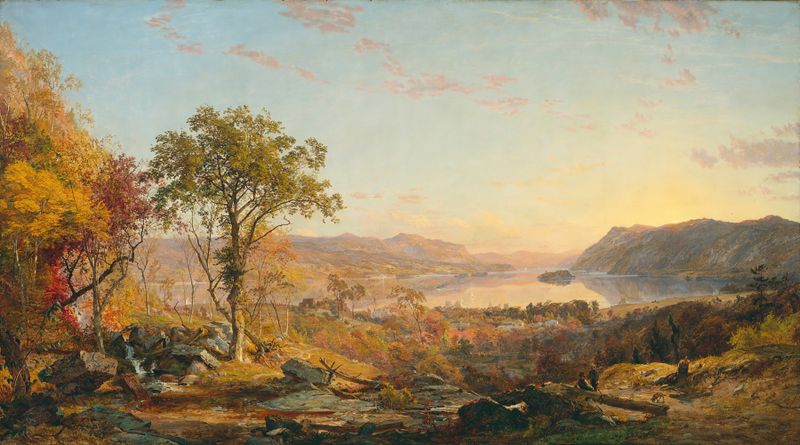
Indian Summer
Jasper Francis Cropsey

Autumn On The River
Jasper Francis Cropsey
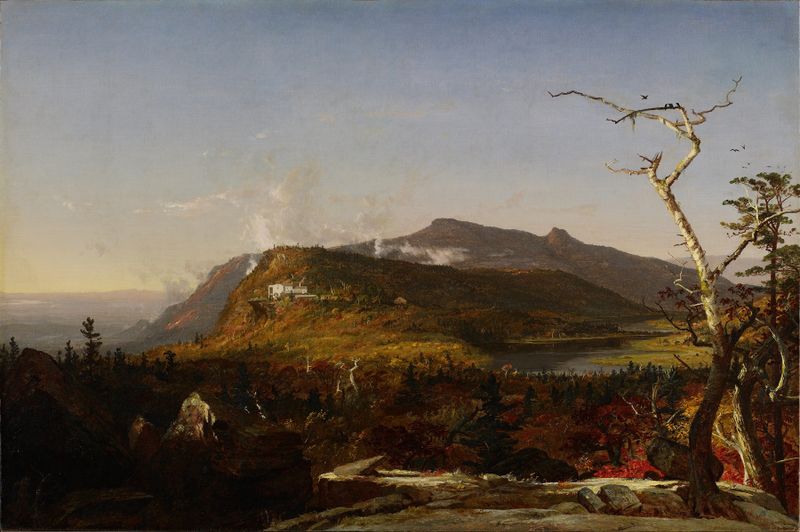
Catskill Mountain House
Jasper Francis Cropsey
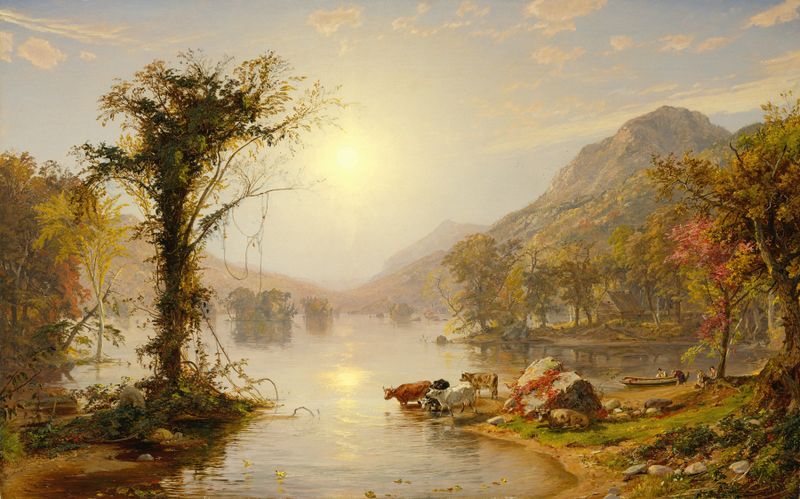
Autumn on Greenwood Lake
Jasper Francis Cropsey
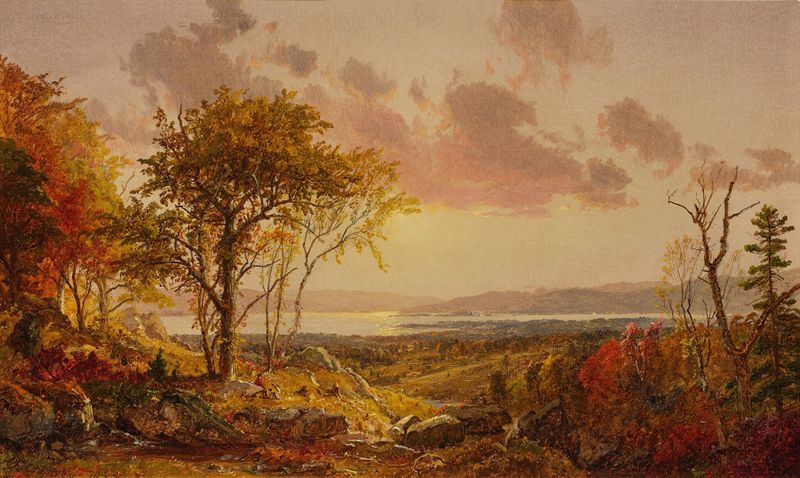
A Distant View of the Hudson River in the Fall
Jasper Francis Cropsey
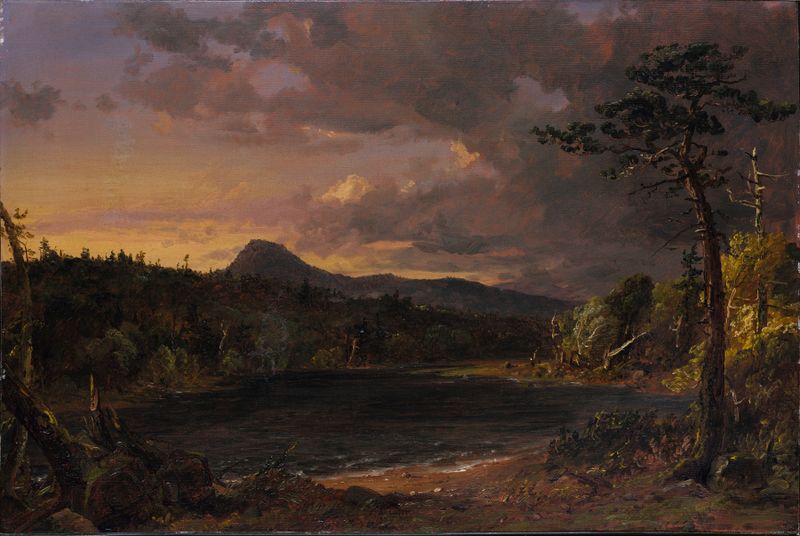
Catskill Creek
Jasper Francis Cropsey

Autumn on the Lake
Jasper Francis Cropsey





