
Blauw Burgwal te Amsterdam — History & Facts
In the delicate interplay of color and form, the essence of creation unfolds, inviting us to immerse ourselves in a moment suspended between reality and memory. Look to the vibrant blues that dominate the canvas, enveloping the viewer like the cool embrace of water. Notice how the brushstrokes flow, imparting movement to the scene — a languid canal reflecting the sky’s azure hues. The buildings stand stoic along the banks, their façades awash in soft, muted tones, subtly contrasting the energetic water.
This composition invites an exploration of architectural lines, where each structure converses with its reflection, both real and imagined. Delve deeper into the nuances of light, which dances upon the surface, hinting at the passage of time. The juxtaposition of the lush blues against the understated grays suggests an inner serenity, yet there’s an undercurrent of nostalgia woven throughout. A solitary figure, almost lost in the vibrant environment, embodies the solitude of creation — a reminder that artistry often flourishes in quiet contemplation amid the chaos of life. Wenckebach painted this evocative piece in the 20th century, during a time when the art world was embracing modernism and expressive abstraction.
Living in Amsterdam, he drew inspiration from the city's reflective waters and serene landscapes, capturing a moment that resonates with personal and collective memory. This period marked a significant evolution in his work, allowing him to explore the interplay of light and emotion in new and innovative ways.
More Artworks by Willem Wenckebach
Browse all →
Bakkersgang te Amsterdam
Willem Wenckebach

Oude huizen aan het Markenplein te Amsterdam
Willem Wenckebach

Oude huizen aan het Waterlooplein te Amsterdam
Willem Wenckebach
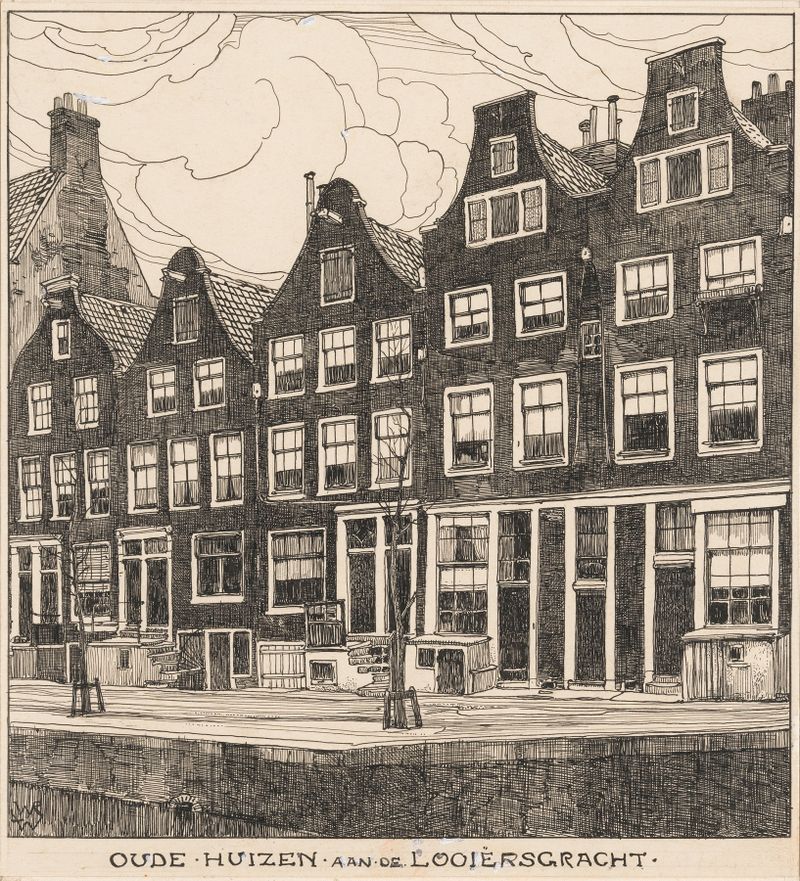
Oude huizen aan de Looiersgracht te Amsterdam
Willem Wenckebach
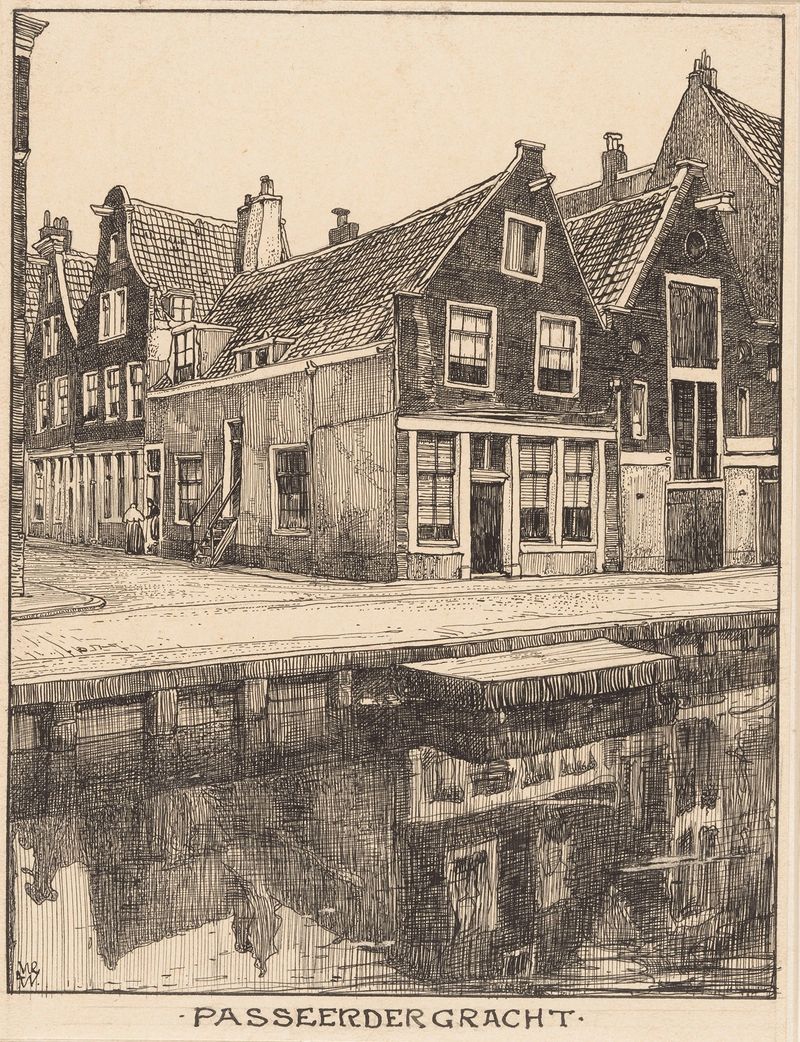
Passeerder Gracht te Amsterdam
Willem Wenckebach
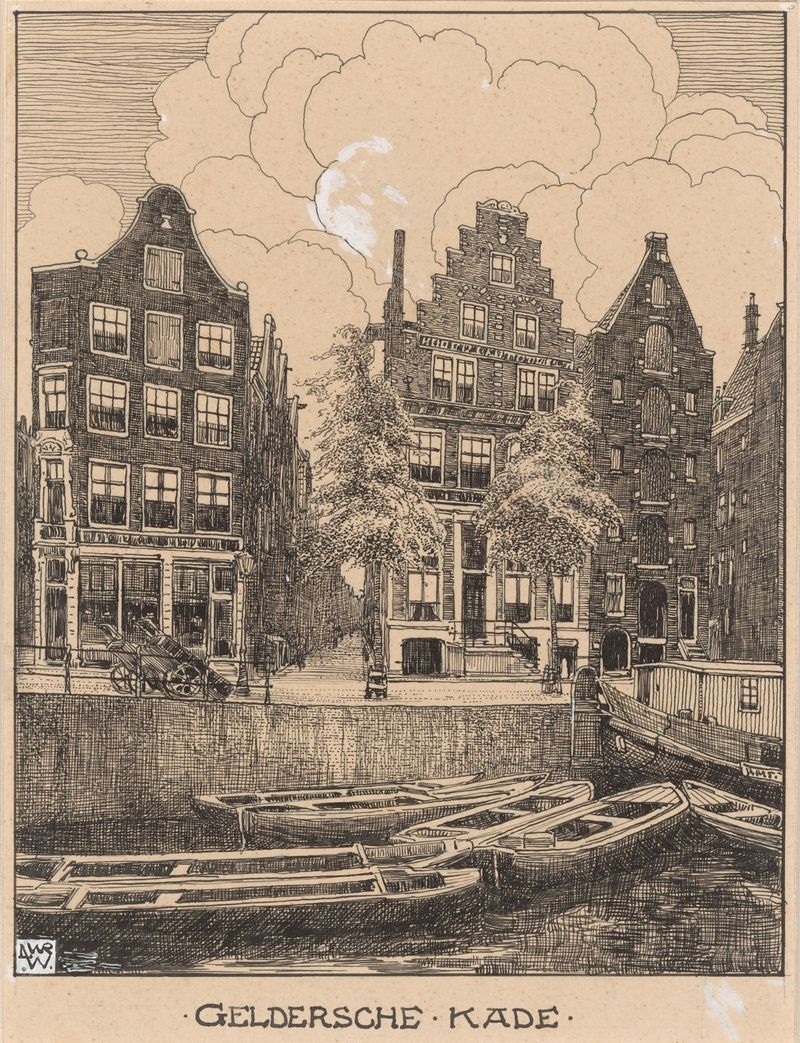
De Gelderse Kade te Amsterdam
Willem Wenckebach
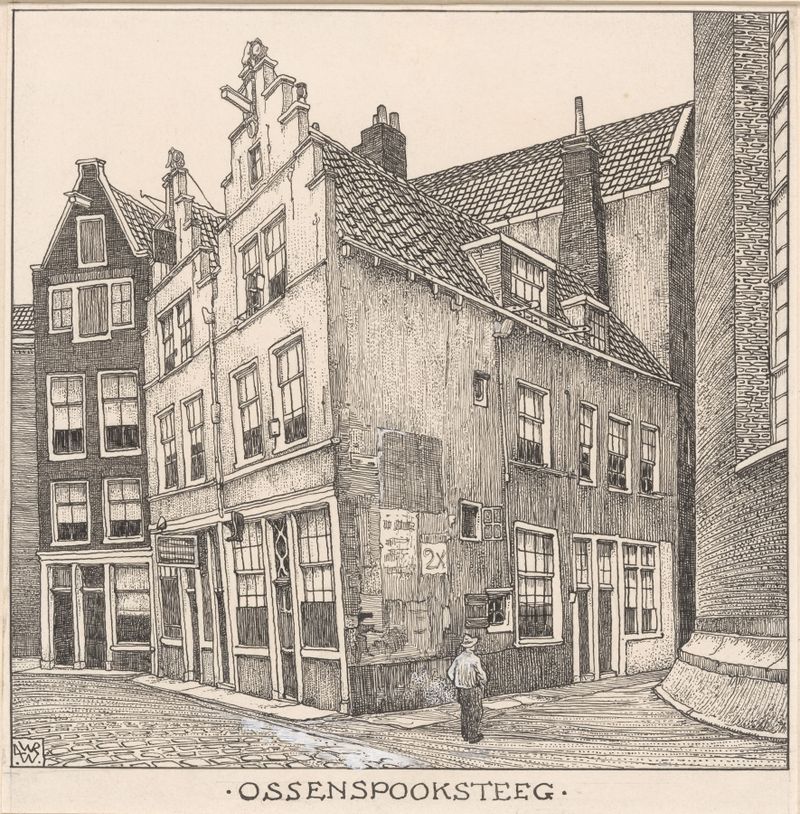
De Ossenspooksteeg te Amsterdam
Willem Wenckebach

Het Beurspleintje te Amsterdam
Willem Wenckebach
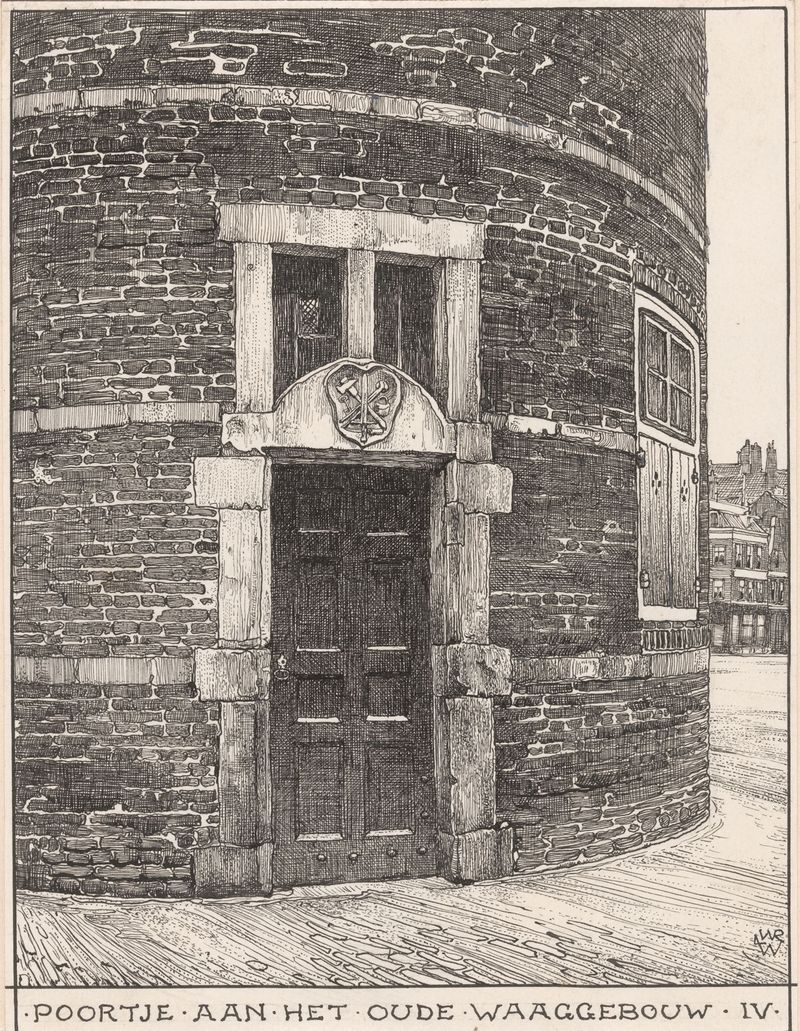
Poortje aan het oude Waaggebouw te Amsterdam
Willem Wenckebach

Torensluis te Amsterdam
Willem Wenckebach





