
Blick auf Capistrello und den ’emissario di Claudio’ — History & Facts
In the tranquil landscapes of Blick auf Capistrello und den ’emissario di Claudio, a gentle facade masks a deeper sorrow, a reminder of what has been lost amid the allure of nature. Look to the center of the composition where the river winds gracefully, its shimmering surface a reflection of light and life. The verdant hills rise majestically on either side, adorned with patches of sunlight that dance across the foliage, drawing the viewer's eye through the serene scene. Notice how Hackert employs a soft palette of greens and blues, interspersed with warm earth tones, crafting a landscape that feels both inviting and melancholic.
The meticulous brushwork evokes a sense of tranquility, yet the underlying tension hints at the fragility of this idyllic world. Hidden within the harmony of colors and forms lies a poignant narrative. The flowing river, which appears to connect the land and sky, symbolizes both a passage of time and the inevitability of change—what once was vibrant and alive may soon fade into memory. The distant mountains loom, not just as a backdrop, but as silent witnesses to the emotional turmoil that transforms beauty into a bittersweet experience.
Each element in the scene serves as a reminder of loss, inviting the viewer to ponder what it means to cherish fleeting moments. Jacob Philipp Hackert created this artwork in 1793 while residing in Italy, a period marked by his deepening connection to nature and the Romantic ideals emerging in the art world. The late 18th century was a time of great upheaval, with the French Revolution stirring sentiments of both hope and despair across Europe. Amidst this chaos, Hackert’s landscapes offered an escape into the sublime, reflecting the tension between external beauty and internal grief.
More Artworks by Jacob Philipp Hackert
Browse all →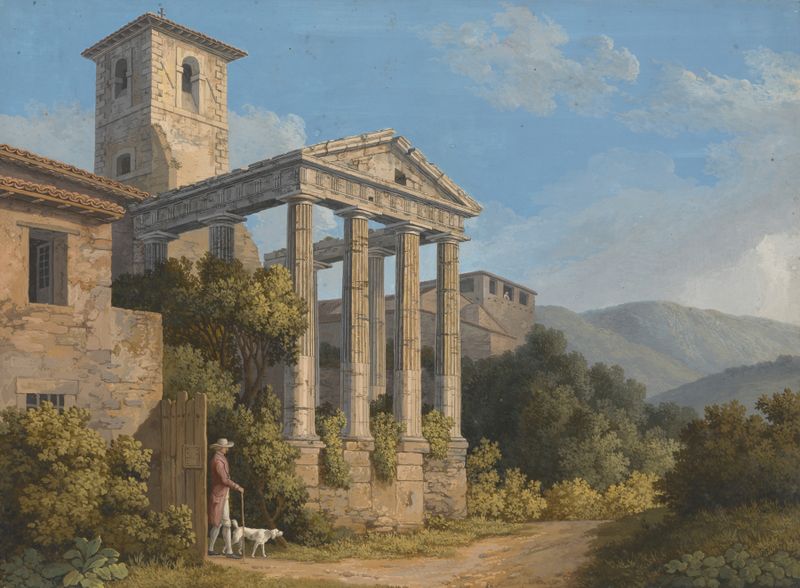
The Temple of Hercules in Cori near Velletri
Jacob Philipp Hackert
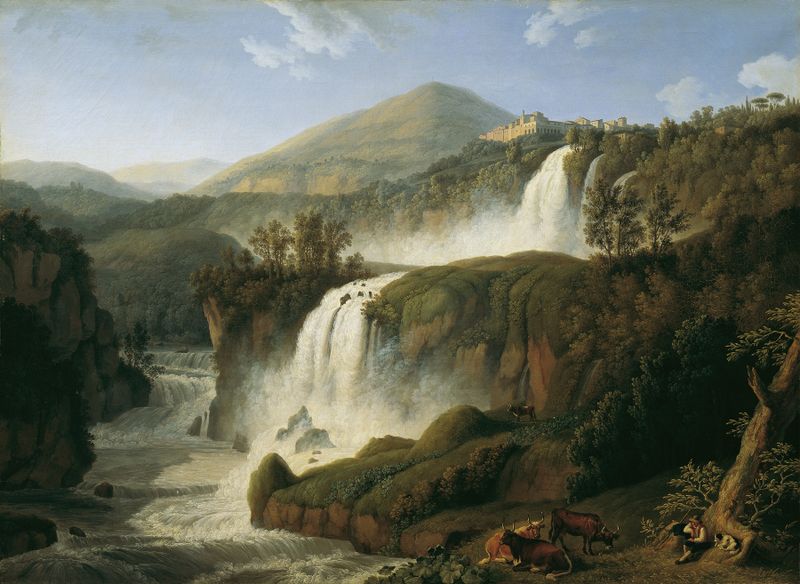
Der große Wasserfall von Tivoli bei Rom
Jacob Philipp Hackert
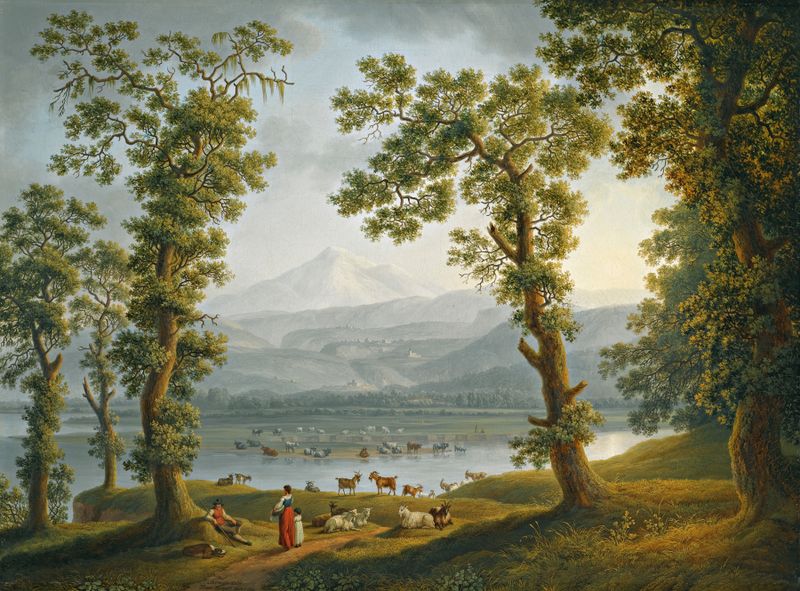
A View Across The Volturno River Towards Alife, Piedimonte Matese, And The Matese Mountains Rising Beyond
Jacob Philipp Hackert
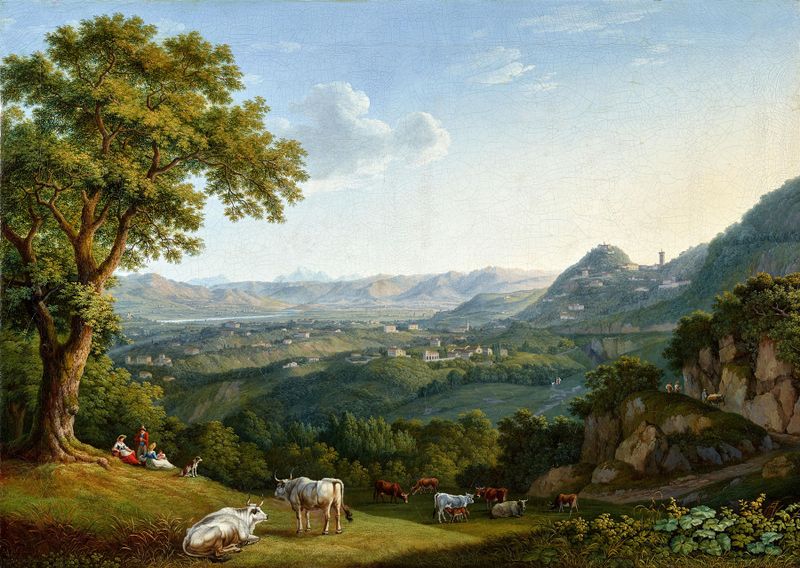
Blick auf das Arnotal und Fiesole
Jacob Philipp Hackert

A View Along The Valley Of The River Tiber Towards Poggio Mirteto, And Beyond The Sabine Mountains Lit Up By The Evening Sun
Jacob Philipp Hackert
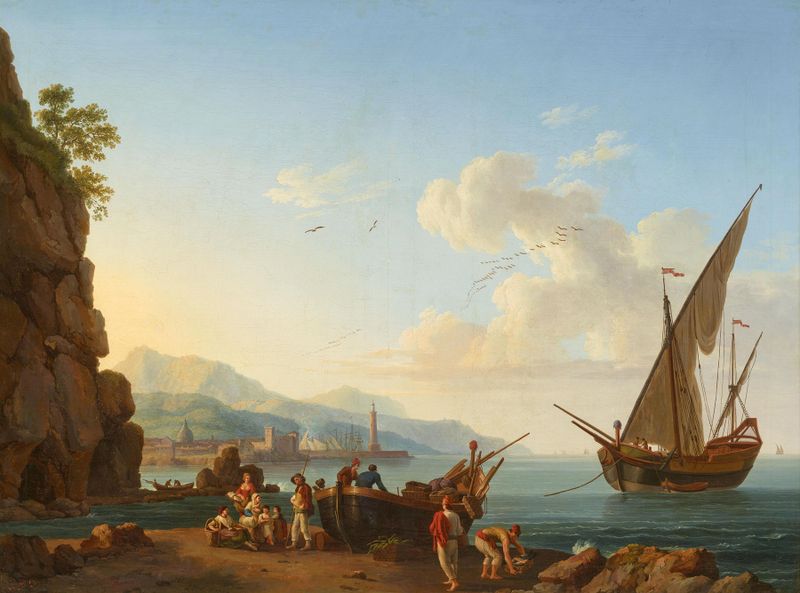
Fischer mit Boot am Strand
Jacob Philipp Hackert

Paysage
Jacob Philipp Hackert
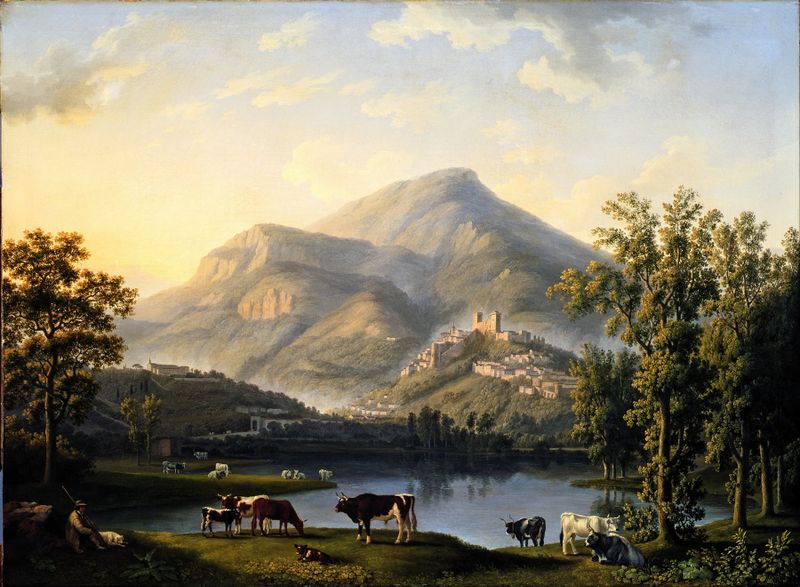
Veduta d’Itri (Landscape with a View of Itri)
Jacob Philipp Hackert
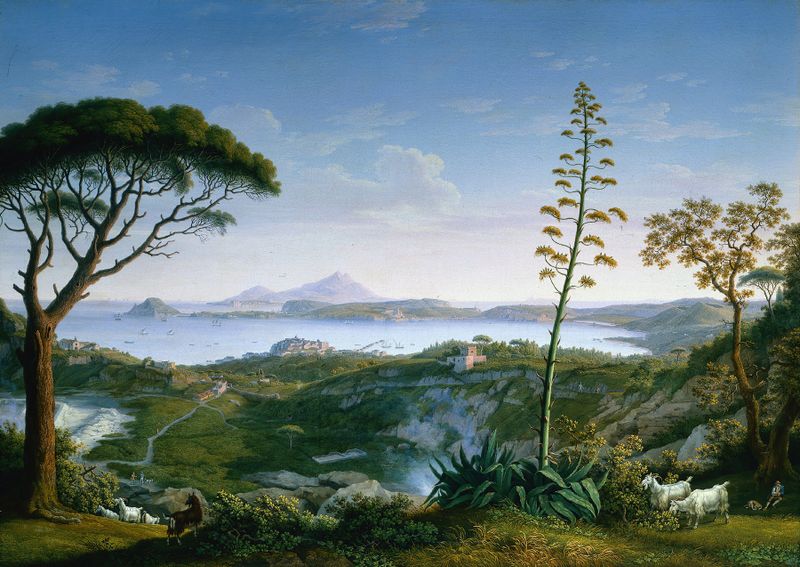
View of the Gulf of Pozzuoli from Solfatara
Jacob Philipp Hackert

View of Saint Peter’s in Rome
Jacob Philipp Hackert





