
Blue and Emerald; Coal Mine — History & Facts
Beneath the surface of the industrial, a delicate tranquility gently unfolds, whispering of hope amidst hardship. Focus first on the luminous interplay of blues and greens that saturate the canvas, drawing attention to the abstracted forms of the coal mine. The gentle strokes and soft transitions suggest the breath of life within a darkened environment, while the shimmering hues mirror the resilience of those who toil beneath the earth. Observe how the colors meld into one another, creating an ethereal quality that belies the grim reality of the mine's existence. The contrast between the vivid colors and the ominous subject evokes a profound emotional tension.
The serene palette suggests an inner world of aspiration, hinting at the beauty that might emerge from suffering. Fragments of light occasionally pierce the darkness, symbolizing hope and the possibility of redemption, even in the direst of circumstances. Each brushstroke seems to pulse with a heartbeat, reinforcing the connection between beauty and labor—an unspoken homage to the human spirit. In 1883, the artist crafted this piece during his time in the bustling industrial city of London, a period marked by both personal and artistic struggles.
Whistler was grappling with financial difficulties and navigating the complexities of the art world, striving to assert his innovative vision amidst traditional conventions. This painting, like many of his works, reflects his fascination with the interplay of light and color, capturing a moment that resonates with the unyielding hope found in the heart of industry.
More Artworks by James Abbott McNeill Whistler
Browse all →
Nocturne in Blue and Silver
James Abbott McNeill Whistler
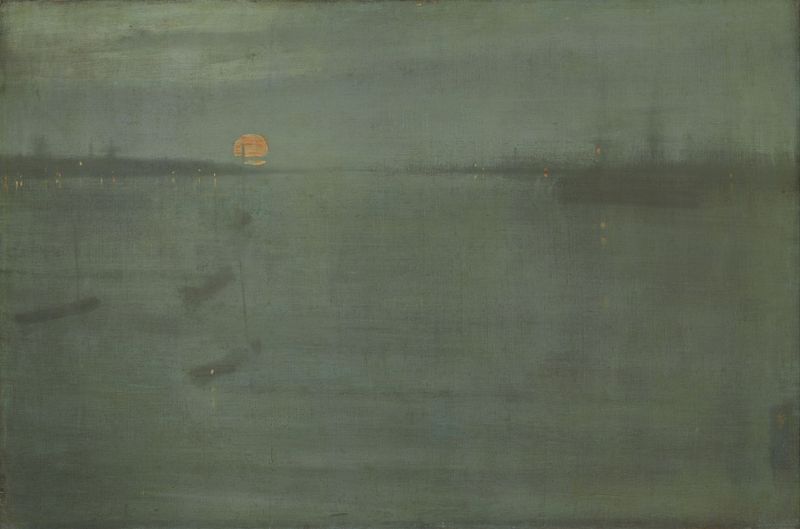
Nocturne: Blue and Gold–Southampton Water
James Abbott McNeill Whistler
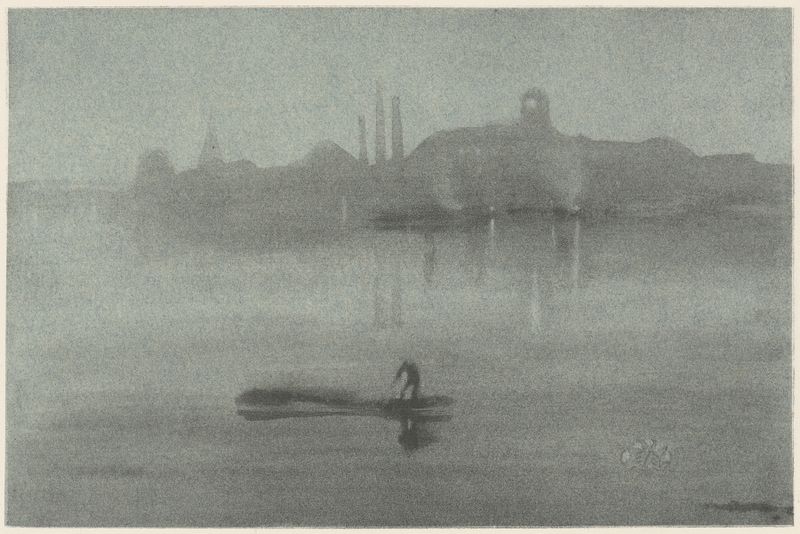
Nocturne
James Abbott McNeill Whistler
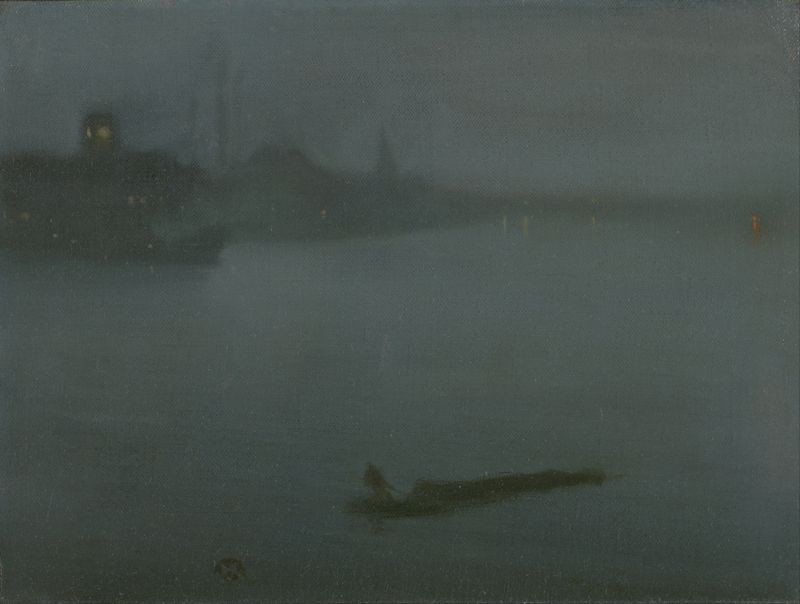
Nocturne in Blue and Silver
James Abbott McNeill Whistler
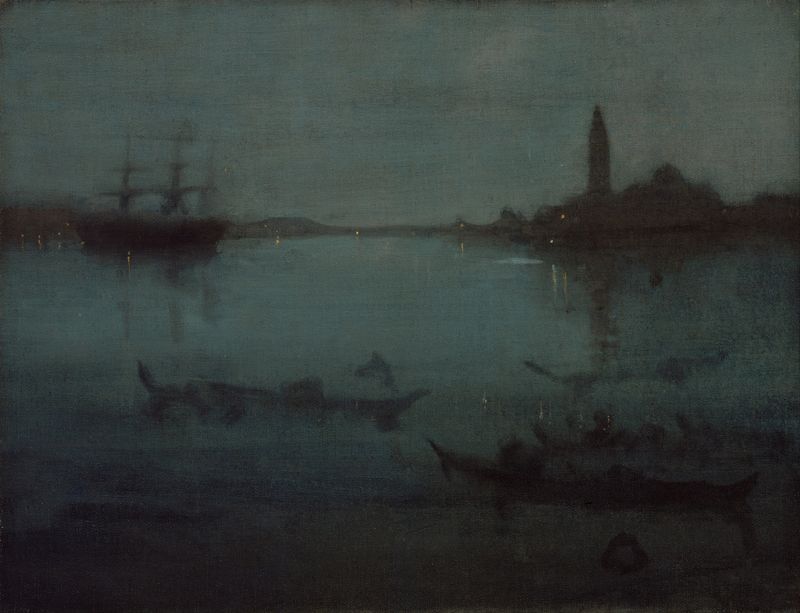
Nocturne in Blue and Silver- The Lagoon, Venice
James Abbott McNeill Whistler
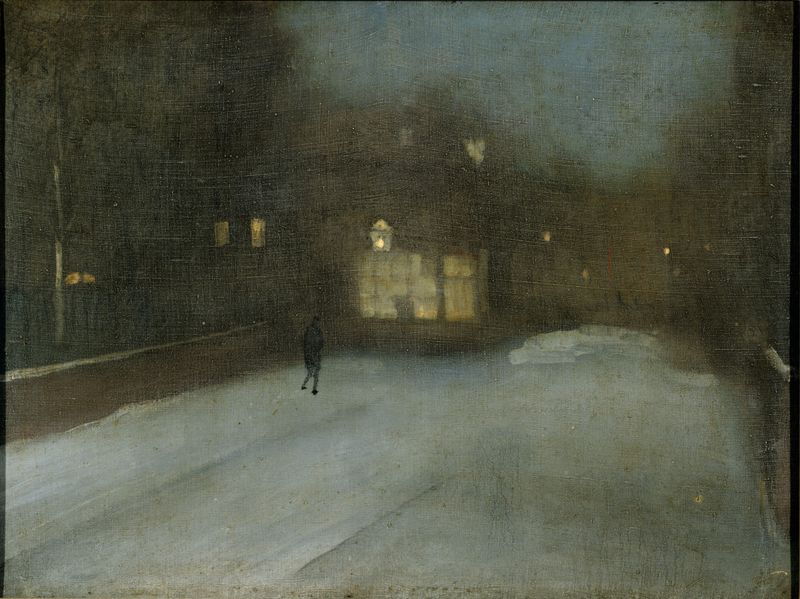
Nocturne in Grey and Gold: Chelsea Snow
James Abbott McNeill Whistler
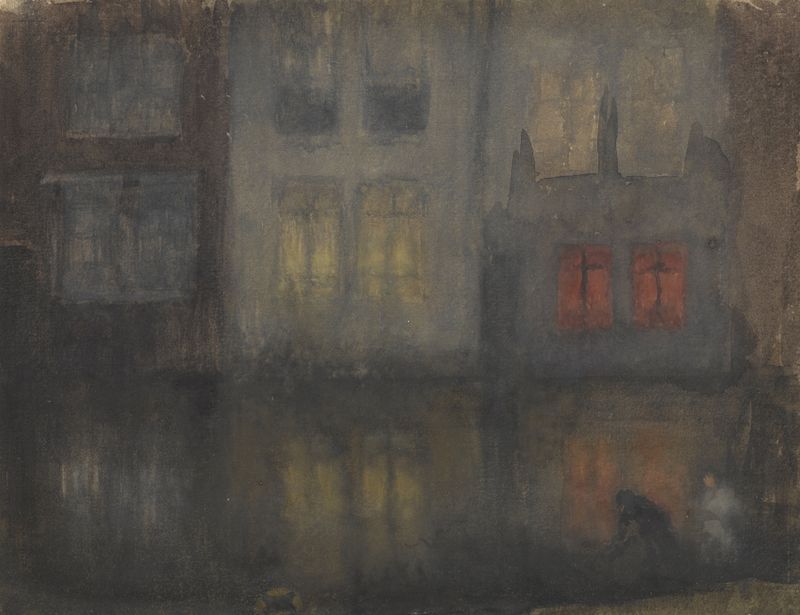
Nocturne: Black and Red—Back Canal, Holland
James Abbott McNeill Whistler
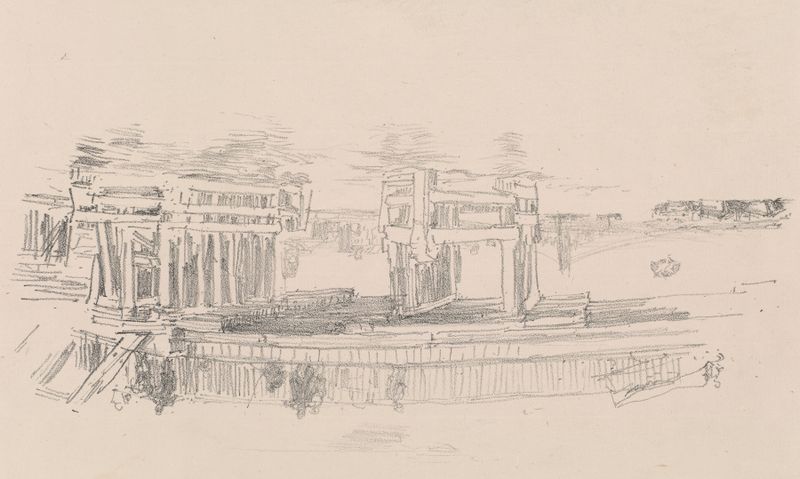
Old Battersea Bridge
James Abbott McNeill Whistler

Nocturne: Blue and Silver–Battersea Reach
James Abbott McNeill Whistler
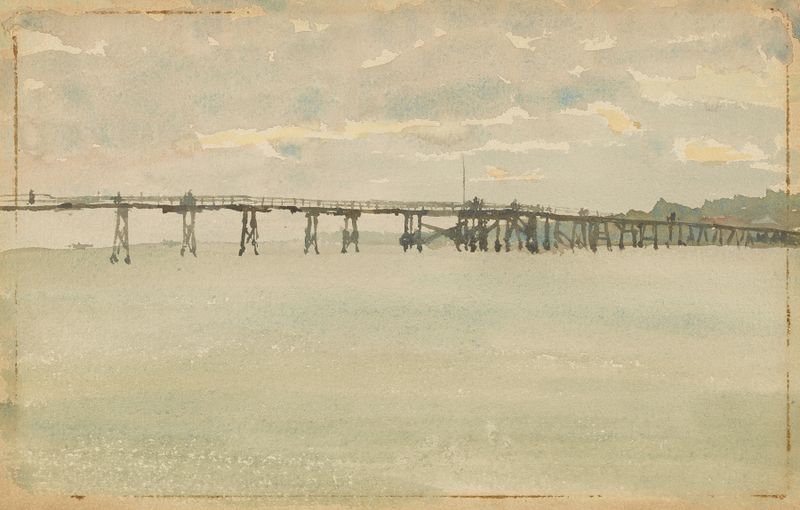
Grey and Silver–Pier, Southend
James Abbott McNeill Whistler





